Smart Balcony Design 2026: Transform Your Outdoor Space Into a Connected Oasis
Listen, I've been designing outdoor spaces for over a decade, and I'm telling you — the balcony game has completely changed. We're not talking about just throwing down some patio furniture and calling it a day anymore. Smart balcony design in 2026 is all about creating this seamless blend of technology, comfort, and aesthetics that actually makes you *want* to spend time outside. It's kind of revolutionary, honestly.
What's wild is how accessible this has become. You don't need a massive budget or even a particularly large balcony. Whether you're working with a tiny apartment terrace or a sprawling condo deck, the smart technology available right now lets you create something genuinely impressive. We're talking automated lighting that adjusts to the sunset, weather-responsive shade systems, and entertainment setups that rival your living room — all controlled from your phone.
Here's the thing: the best smart balconies aren't over-engineered. They're designed with real life in mind. Morning coffee, evening wind-downs, hosting friends — everything works together intuitively. That's what I'm going to walk you through today.
What You'll Need
Before we dive into the actual design work, let's talk materials and tech. I've compiled what I consider the essentials for a legitimately smart balcony in 2026.
- Smart LED String Lights (Nanoleaf or similar) — $60-$150
- Motorized Roller Shade System (weather-resistant) — $300-$800
- Smart Speaker/Hub (Amazon Echo or Google Home) — $50-$200
- Outdoor Smart Lighting Fixtures (wall and post lights) — $120-$400
- Weather Station with Smart Integration — $80-$250
- Weatherproof Outdoor Furniture (seating for 2-4) — $400-$1200
- Outdoor WiFi Extender — $40-$120
- Smart Irrigation/Misting System (if adding plants) — $150-$500
- Outdoor Security Camera (optional but recommended) — $100-$300
- Deck or Balcony Flooring (modular tiles) — $200-$600
- Plant Containers with Self-Watering Smart Sensors — $100-$250
- Portable Bluetooth Outdoor Speaker — $80-$300
You can absolutely start small and build from there. Not everything needs to be smart from day one — I usually recommend starting with lighting and shade, then adding entertainment and plant automation as you go.
Step-by-Step Guide
Step 1: Assess Your Space and Plan the Layout
Start by measuring everything. Seriously — length, width, depth, and note any weight restrictions your building has. Check your lease too, because some buildings have rules about what you can install. I learned this the hard way with a client in Brooklyn.
Once you've got your measurements, take some photos and think about zones. A good smart balcony has distinct areas: a seating zone, a plant/greenery zone, and maybe an entertainment zone. Your smart tech should support these naturally. For reference, The The Home Depot has excellent balcony planning tools on their website that can help visualize this.
Step 2: Install Your WiFi Infrastructure
This is absolutely crucial and honestly something people skip — which is a mistake. Your smart devices need a strong, reliable connection. If your balcony is far from your router, invest in a weatherproof WiFi extender. Most quality ones run $60-$120 and are absolutely worth it. Nothing's worse than your lights not responding because of a weak signal.
Set up a separate 2.4GHz network if your router supports it — most smart home devices still use this band, even though 5GHz is faster.
Step 3: Plan and Install Lighting
Lighting is where magic happens on a balcony. I always start with overhead options. Wall-mounted smart fixtures give you the best ambient light. Install them at eye level if possible — around 60-66 inches from the ground. They should be on opposite walls for even coverage.
Next, add layered lighting. String lights (the smart ones are game-changers) create mood and can be programmed to different colors. I'm obsessed with the Nanoleaf systems because they're genuinely attractive even when they're off. Then add task lighting — maybe a small wall sconce near your seating area.
Connect everything to a smart hub. I recommend starting with either Amazon Alexa or Google Home depending on what you already have at home. The integration is usually seamless, and you can create scenes like "Evening" that dims lights and sets a warm color temperature automatically.
Step 4: Install Shade and Weather Control
 Budget Apartment Renovation: DIY Hacks That Actually Work
Here's where motorized roller shades become your best friend. They should be weather-resistant — I'm talking about materials that won't degrade in direct sun or heavy rain. The good ones have built-in sensors that automatically retract if wind gets too strong. Seriously smart.
Position them to provide afternoon shade without blocking morning light. The angle matters. Test this for a week if possible before permanently installing — you might be surprised where the sun actually hits your space.
Add a smart weather station on one corner. It'll integrate with your shade system and other devices to create automated responses. Too hot? Shades down. Rain incoming? Everything retracts. It sounds futuristic, but it's available now and honestly affordable.
Step 5: Create Your Seating and Comfort Zone
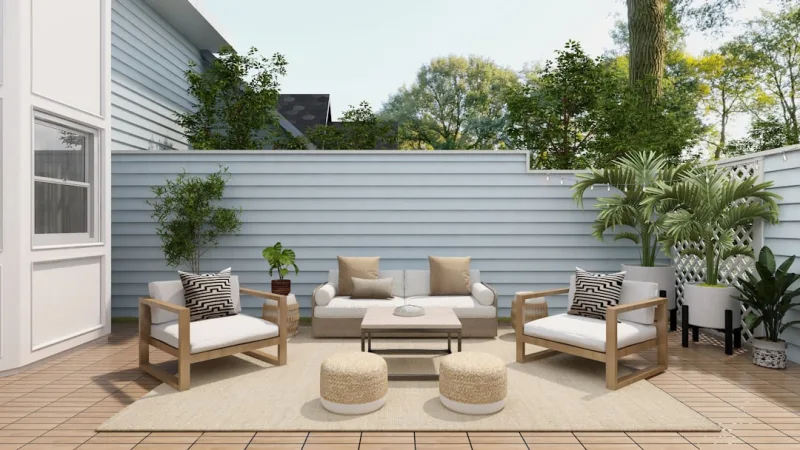
Invest in quality, weatherproof outdoor furniture. This is not where you pinch pennies. A good chair will last years and won't look terrible doing it. Modular pieces are fantastic because you can rearrange as needed.
Add cushions with removable, washable covers. Include small side tables for drinks and devices. Everything should be positioned to face a view or create conversation areas — technology enhances comfort, not replaces it.
Step 6: Add Smart Plant Systems
Plants make everything better, but the watering situation is real. Smart plant sensors tell you when soil moisture is low. Some systems even have automatic misters that activate based on weather and soil conditions.
Choose plants suitable for your climate zone and light conditions. Honestly, spend time on Better Homes & Gardens & Gardens' plant guide — it's thorough. Group plants with similar watering needs together, and use containers with good drainage.
Step 7: Entertainment and Audio Integration
A weatherproof Bluetooth speaker is essential. Position it where it won't dominate the space visually. If you want something fancier, some newer outdoor speakers are genuinely beautiful design objects. Connect it to your smart hub so you can control it with voice commands.
Optional but cool: outdoor TV or projector setup. If you go this route, make sure it's mounted securely and protected from weather when not in use.
Step 8: Final Touches and Testing
Add small decor elements — outdoor rugs anchor seating zones and add color. String some additional non-smart ambient lighting if needed. Test all automation routines. Make sure your smart home app is organized and intuitive.
Walk through your typical day — morning coffee routine, evening entertainment, weekend brunch. Does everything work smoothly? If not, adjust. Smart design is iterative.
Pro Tips
- Start with a smart hub first. Everything else connects to it. I recommend the Amazon Echo or Google Home Max depending on your existing ecosystem. It's the central nervous system of your smart balcony.
- Use automation scenes, not just individual controls. Set up "Morning," "Evening," "Entertaining," and "Rainy Day" scenes. This takes the friction out of enjoying your space.
- Weather-seal everything, even if it says it's weather-resistant. Caulk around any mounting hardware. Water damage is real, and preventing it is cheaper than fixing it.
- Don't go color-crazy with smart lights. Warm white and cool white are workhorses. Save colors for special occasions or accent lighting. Your neighbors will thank you.
- Consider your apartment's electrical capacity. Motorized systems and multiple smart devices draw power. Have an electrician verify your breaker situation if you're unsure.
- Privacy matters. If adding cameras, position them carefully. Let your neighbors know. Be the decent person about it.
- Test in different seasons. What works in spring might be uncomfortable in peak summer or winter. Smart design adapts to seasons.
Cost Breakdown
← Scroll to see full table →
| Component | Budget Option | Mid-Range Option | Premium Option |
|---|---|---|---|
| Smart Lighting | $150 | $350 | $650 |
| Motorized Shades | $300 | $550 | $900 |
| Smart Hub System | $50 | $150 | $300 |
| Outdoor Furniture | $400 | $800 | $1500 |
| Weather Station | $80 | $150 | $300 |
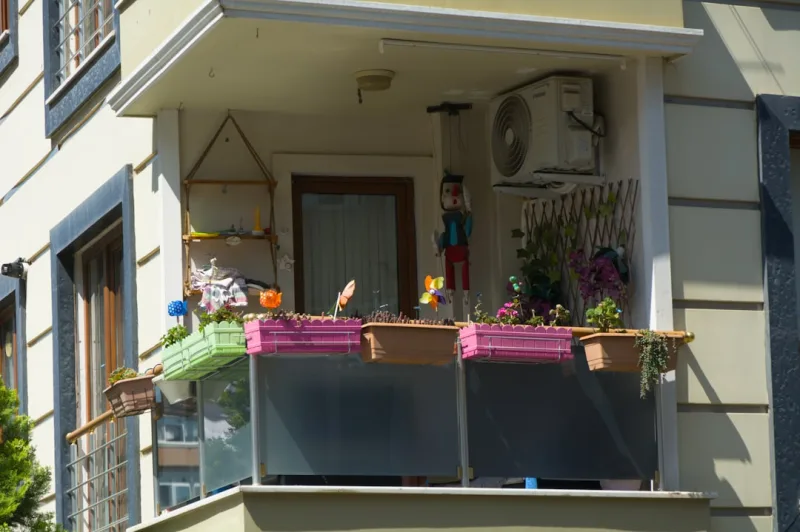
| Flo 📷 Photo by Teoman Karanfil on Unsplash |