Aesthetic Closet Setup for Small Spaces: Your Complete DIY Guide to a Beautiful, Functional Wardrobe
If you've been scrolling through Pinterest at midnight, dreaming of those perfectly organized, magazine-worthy closets, you're definitely not alone. There's something deeply satisfying about walking into a closet that feels like a boutique instead of a chaotic pile of forgotten sweaters and mystery hangers. But here's the thing—those beautiful closets you're pinning? They're not just for people with sprawling walk-in spaces. Whether you're working with a tiny apartment closet, a narrow hallway nook, or a bedroom wardrobe that's seen better days, creating an aesthetic closet setup is absolutely possible. It's about being intentional with your space, choosing pieces that bring you joy, and organizing in a way that actually works for your real life. This isn't about perfection; it's about creating a space that makes you feel good every single morning when you reach for your favorite sweater.

In this guide, we're going to walk you through everything you need to know about creating an aesthetic closet in a small space. You'll learn how to maximize every inch, which organizing systems actually work (not just look pretty), how to style your closet on any budget, and the expert strategies that will transform your closet from cluttered to cozy. We'll cover planning, product recommendations, step-by-step installation instructions, and real-world tips from organizing professionals. By the end, you'll have a complete roadmap for creating a closet that's both beautiful and genuinely functional for your lifestyle.
Understanding Aesthetic Closet Setup for Small Spaces
An aesthetic closet setup for small spaces is all about creating a beautiful, organized wardrobe environment despite limited square footage. It's the sweet spot between Instagram-worthy design and real-world functionality. The concept combines three essential elements: smart organization, intentional design choices, and strategic use of vertical space. This isn't just about making your closet look pretty (though that's definitely part of it). It's about creating a system that helps you actually find what you want to wear, feel excited about your clothes, and maintain your space without spending thirty minutes every morning digging through piles.
Small closets present unique challenges that many of us face daily. You might have clothes crammed onto one rod, boxes stacked dangerously high on a shelf, or items shoved into the back that you haven't seen in years. The aesthetic closet approach addresses these issues by implementing organizing principles that maximize vertical space, improve visibility, and create a cohesive visual experience. When your closet looks intentional and organized, it actually functions better. You wear more of what you own, you're less likely to buy duplicates, and you start your day feeling more confident about your choices.
Common mistakes people make with small closets include: ignoring vertical space potential, choosing organizing systems that don't match their lifestyle, overcomplicating the design, and trying to store too many items in too small a space. Many people grab whatever matching hangers are on sale or watch a viral closet tour video, then get frustrated when the system doesn't work for them. The truth is, your aesthetic closet needs to be customized to your specific space, your actual clothing needs, and your daily routine. A system that works beautifully for someone who wears business casual Monday through Friday might be completely wrong for someone working from home in creative fields.
Planning Guide for Aesthetic Closet Setup for Small Spaces
Before you buy a single organizing product or move one piece of clothing, you need a solid plan. This planning phase is honestly the most important part of the entire project. Take time to measure your closet carefully, assess what you actually own, and think about how you'd like to use your space. Start by clearing everything out—yes, everything. This feels overwhelming, but it's the only way to really understand what you're working with and where your closet is currently failing you. As you pull items out, honestly evaluate each piece. Does it fit? Do you wear it? Does it make you feel good? This is your chance to be intentional about what stays and what goes.
Once everything is out, measure your closet dimensions, note the location of existing shelves and rods, and photograph the space from multiple angles with good lighting. Look at what's working (maybe one corner is organized) and what's not working (perhaps that shelf is too high to reach comfortably). Consider your lifestyle and how you'd realistically use different organizational zones. Someone who works in an office needs accessible business wear. Someone who exercises daily needs a designated athletic section that's easy to grab from.
Here's your planning checklist to get started:
- ☐ Measure your closet height, width, and depth
- ☐ Note existing shelves, rods, and hardware
- ☐ Remove everything and sort into keep/donate/sell piles
- ☐ Create categories based on your lifestyle (work clothes, casual, athletic, etc.)
- ☐ Determine which sections need the most accessible storage
- ☐ Sketch out a layout plan (rough drawing is fine)
- ☐ Set your budget and prioritize what systems to invest in first
- ☐ Choose your aesthetic direction (minimalist, vintage, colorful, monochromatic, etc.)

Budget Breakdown
← Scroll to see full table →
| Price Range | Items | Approximate Cost |
|---|---|---|
| Under $50 | Slim velvet hangers (50-pack), small shelf dividers, fabric drawer organizers | $15-$45 |
| $50-$200 | Double hanging rod, matching storage boxes, shelf liners, closet rod extenders, small cabinet with shelves | $60-$190 |
| $200+ | Custom closet system, professional shelving unit, complete organizational system with multiple components | $250-$800+ |
Creating an aesthetic closet on a budget is absolutely doable—you don't need to spend hundreds of dollars to transform your space. The smart approach is to prioritize spending on items that will make the biggest impact and solve your biggest problems first. If your main issue is that clothes are wrinkled because they're crammed together, invest in slim velvet hangers and maybe a double hanging rod. If your shelves are chaotic, matching storage boxes will instantly make everything feel more organized and intentional. I recommend starting with items under $50 to test what systems actually work for you before committing to larger investments.
 Budget Apartment Renovation: DIY Hacks That Actually Work
Here's a money-saving strategy: start with what you have. Do you have baskets at home that could work as shelf dividers? Can you use a tension rod to create a second hanging level? Many organizing solutions are hiding in your own home. Once you've maximized free options, invest strategically in items that will give you the most visual and functional impact. The The Home Depot, IKEA, Amazon, Target, and Better Homes & Gardens and Gardens all have affordable organizing options that look beautiful without breaking your budget. Pro tip: watch for sales at the end of each season and buy organizing supplies then. September and January are excellent times to find deals on closet systems.
Step-by-Step Guide
Step 1: Remove Everything and Declutter Ruthlessly
This is the hardest step but the most important one. Pull every single item out of your closet and be brutally honest about what you actually wear. Hold each item and ask yourself: Does this fit? Have I worn it in the past year? Do I feel good in it? Does it align with my current lifestyle? If the answer to any of these is no, it goes in the donate or sell pile. This isn't about being minimal—it's about keeping only items that serve you. An aesthetic closet should feel intentional, and that means every piece should earn its space. You'll be amazed at how many items you've forgotten about once your closet is cleared. This is your opportunity to really see what you own and what gaps might exist in your wardrobe.
Step 2: Measure and Plan Your Layout
With your closet empty, take detailed measurements of the space. Measure the width, height from floor to ceiling, and depth. Measure the distance between existing shelves and rods. Note any quirks like sloped ceilings, outlets, light switches, or awkwardly placed shelves. Take photos from multiple angles with natural light if possible. Sketch a rough layout of your closet on paper and start planning where different categories of clothing will go. Generally, the most accessible space (eye level on the rod, easy-to-reach shelves) should hold your most-worn items. Less frequently worn pieces or seasonal items can go higher up or in harder-to-reach spots. This planning step prevents you from making expensive mistakes when you start installing new systems.
Step 3: Invest in Quality Hangers and Double Up Your Rod Space
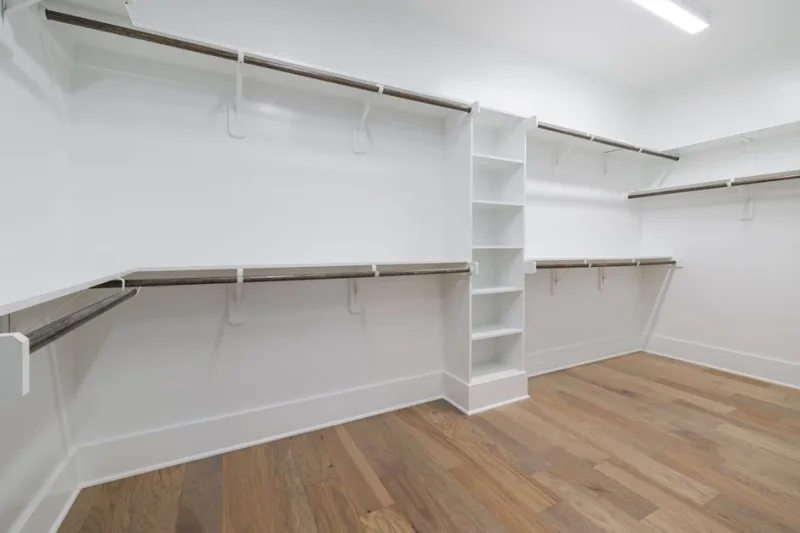
This single change makes an enormous difference in small closets. Upgrade to slim velvet hangers or wooden hangers that don't take up as much space as plastic ones. Then, if your closet ceiling height allows, install a double hanging rod to instantly double your hanging space. You can find affordable double rod systems at The Home Depot, IKEA, or Amazon for under $30. This allows you to hang shorter items (t-shirts, folded pants) on the lower rod and longer items (dresses, coats) on the upper rod. This one upgrade often saves more space than any other single change, and suddenly you realize you were wasting so much potential hanging real estate.
Step 4: Create Zones for Different Clothing Categories
Organize your clothing by category and create designated zones in your closet. You might have work clothes on one section of the rod, casual wear in another, athletic clothes somewhere else, and dresses in another spot. Use shelf dividers or matching storage boxes to create visual boundaries between sections. This way, when you're getting dressed, you know exactly where to look. It also prevents the "I have nothing to wear" feeling because you can clearly see all your options in each category. Label your zones if needed, especially if other household members share the closet. The visual organization helps your brain process what you have more quickly each morning.
Step 5: Use Vertical Space with Shelves and Storage Boxes
Small closets require you to think vertically. If you have empty wall space above your existing rod, consider adding floating shelves. IKEA has excellent affordable shelving options that look beautiful and are easy to install. Use matching storage boxes on these shelves to contain off-season clothes, accessories, or items you don't need daily access to. Clear or semi-transparent boxes work best because you can see what's inside without opening them. This transforms wasted vertical space into functional storage. Choose boxes in neutral colors (cream, gray, white) or materials like natural wood or woven options that feel aesthetically pleasing while being practical.
Step 6: Fold and Store Strategically
For items that are folded (sweaters, t-shirts, pants if you fold them), use the KonMari folding method or another method that lets you see all items at once when you open a drawer or shelf. Fold items so they stand upright rather than stacking flat. This visibility makes a huge difference in actually wearing what you own. Store seasonal items in decorative boxes on upper shelves. Keep daily wear at eye level and arm's reach. If you have under-bed storage, this is great for off-season items, but try to reserve your actual closet space for things you wear regularly. The goal is to create a closet where you can see most of your options without hunting through multiple containers.
Step 7: Add Finishing Touches That Make It Feel Beautiful
Now comes the fun part—making your closet feel intentional and beautiful. Add a small mirror if you don't have one already. Consider adhesive shelf paper or paint inside your closet to create a cohesive look. Add a small plant in a corner if you have natural light. Hang a pretty sign or motivational quote if that's your style. Install good lighting if your closet is dark—a simple LED strip light or battery-operated puck lights make a huge difference. Choose matching hangers in a color that feels intentional (natural wood, white, black, or velvet). The finishing touches are what make your closet feel like a destination rather than a storage space. Take a photo and admire your work!
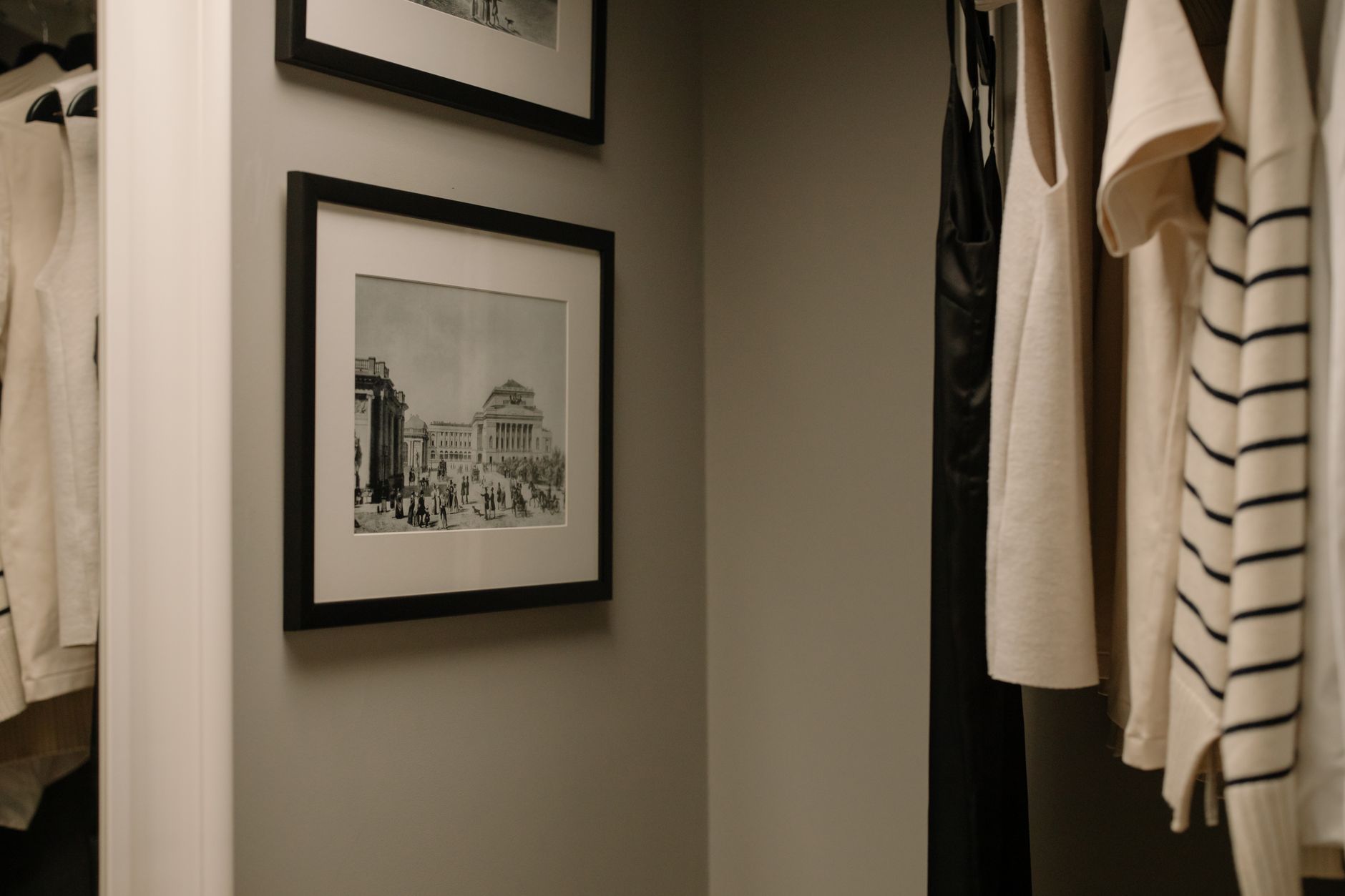
Best Styles and Products
When it comes to aesthetic closet setups, your personal style should shine through. The good news is that small-space closets look best when they're thoughtfully curated anyway. Let's explore different style directions and the products that support them. Each style has its own aesthetic, but they all share the same principle: intentional organization that's also beautiful to look at. Your closet should reflect how you want to feel when you're getting dressed, whether that's calm and minimal, creative and colorful, soft and romantic, or anything in between.
Minimalist Modern Style: This approach focuses on clean lines, neutral colors, and maximum functionality. Choose white or natural wood shelving, black or chrome hanging rods, and organize clothes in a color gradient or by category. Keep decorative items minimal. This style is calming and makes your space feel bigger.
Warm Vintage Style: Think thrifted wood han