Minimalist Small Apartment Organization That Looks Expensive: The Ultimate Design Guide
There's something magical about walking into a small space that feels both peaceful and polished—where every item has its place and nothing feels cluttered or cramped. If you've ever scrolled through Pinterest late at night, dreaming of that perfectly organized, magazine-worthy apartment while staring at your own overflowing closet, you're not alone. The beautiful truth? You don't need a trust fund or a 3,000-square-foot home to create that luxe, organized sanctuary. With thoughtful minimalist organization strategies, a tight budget, and a little creative thinking, you can transform your cozy apartment into a space that looks like it belongs in a high-end design magazine. It's about working smarter, not harder—choosing quality over quantity, investing in pieces that serve multiple purposes, and creating a visual flow that makes your space feel intentionally curated rather than crammed. This isn't about deprivation or living with nothing; it's about celebrating the things you truly love while letting everything else go.
In this comprehensive guide, you'll discover exactly how to create a minimalist small apartment that radiates sophistication and calm. We're diving deep into the psychology of expensive-looking spaces, practical organizing systems that actually work in tiny footprints, strategic product choices that maximize impact on any budget, and real-world tips from design experts. Whether you're living in a studio, a one-bedroom, or a compact two-bedroom, you'll walk away with actionable strategies you can implement this weekend. We'll cover everything from choosing the right storage solutions that double as décor, to understanding the psychology of why certain spaces feel expensive, to creating an organizational system that's so intuitive you'll actually maintain it. Let's transform that small apartment into the organized, beautiful home of your dreams.

Understanding Minimalist Small Apartment Organization That Looks Expensive
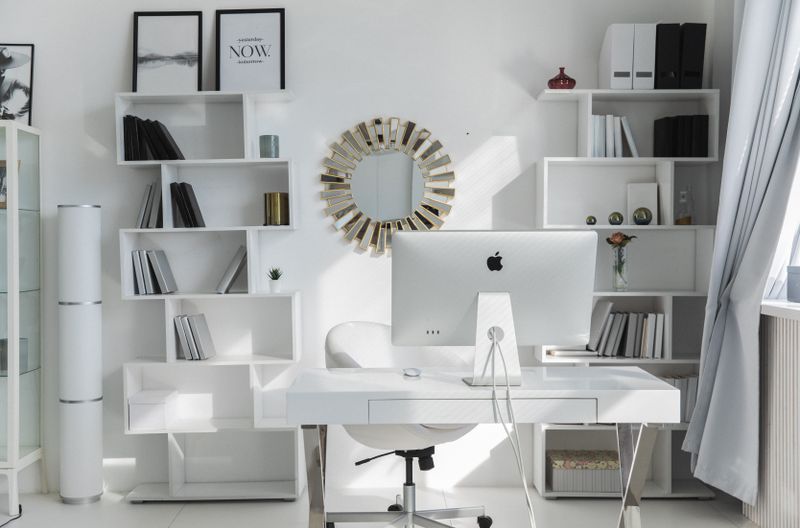
Minimalist apartment organization isn't about living like a monk in an empty box—it's a design philosophy that celebrates intentionality, quality, and purpose. When done right, minimalism creates spaces that feel luxurious and calm, qualities that are increasingly rare in our overstimulated world. The magic happens when you combine minimalist principles with thoughtful organization; suddenly, your small space doesn't feel cramped—it feels curated. This approach looks expensive because expensive spaces share a common characteristic: they're never cluttered. When surfaces are clear, when everything has a designated home, when you can see the beautiful bones of your apartment rather than visual chaos, the entire space feels elevated.
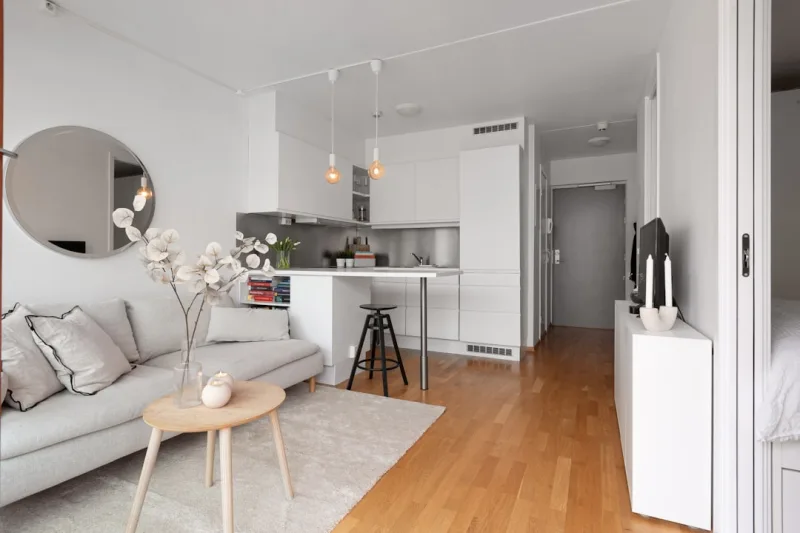
Why does this matter for small apartments specifically? Square footage is precious real estate. Every surface, every corner, every vertical inch needs to earn its keep. When you're working with limited space, clutter doesn't just look messy—it psychologically makes the room feel smaller. Conversely, a well-organized small space can feel surprisingly expansive because your eye can move freely without getting stuck on piles of stuff. The expensive-looking part comes down to intentionality. Luxury interiors are never accidents; they're the result of strategic choices about what stays and what goes, about proportion and balance, about creating visual breathing room.
Common mistakes people make include buying too many storage solutions without a plan (leading to organizing supplies that need organizing), keeping items "just in case," mixing too many styles which creates visual chaos, and failing to establish a sustainable system they can actually maintain. Another huge mistake? Choosing storage that looks institutional or cheap. A apartment filled with plastic bins and wire shelving, even if perfectly organized, will never feel expensive. The secret is pairing organization with beautiful, intentional pieces that elevate your space while serving a function.
Planning Guide for Minimalist Small Apartment Organization That Looks Expensive
Before you buy a single organizing product or donate a single item, you need a solid plan. This is the foundation of everything that comes next. Start by envisioning what you actually want your space to feel like. Do you want serene and spa-like? Clean and contemporary? Warm and inviting? This vision guides every decision you make. Next, be brutally honest about your apartment's layout. Walk through it and identify your pain points: Where does clutter accumulate? Which areas feel cramped? What's your natural traffic flow? Understanding these patterns is crucial because the best organizing system works with your lifestyle, not against it.
 Budget Apartment Renovation: DIY Hacks That Actually Work
Then comes the fun part—auditing what you actually own. This is where minimalism gets real. Go through every category of items and ask yourself tough questions: Do I use this? Do I love this? Does it serve a purpose? If the answer is no to all three, it needs to go. You'd be amazed how much physical and mental space this frees up. Now you're ready to group remaining items into categories and designate homes for them. The key principle: like items live together, and frequently used items are most accessible. This simple system creates natural organization that feels effortless to maintain.
Here's your planning checklist to get started:
- ☐ Envision your ideal space aesthetic – Mood board, Pinterest saves, inspiration photos
- ☐ Map your apartment layout – Include natural light, electrical outlets, traffic patterns
- ☐ Identify pain points and clutter zones – Where does stuff always pile up?
- ☐ Audit every category of items – Clothing, books, kitchen items, décor, etc.
- ☐ Implement the keep/donate/sell decision process – Use clear criteria for each decision
- ☐ Create categories and zones – Designate homes for similar items
- ☐ Research organizational products and styles – Match your aesthetic while serving function
- ☐ Set a realistic timeline – This takes time; don't rush the process

Budget Breakdown
The beautiful thing about minimalist organization? You don't need to spend a fortune to create that expensive-looking result. In fact, many people waste money by buying too many organizing products they don't need. Smart spending is about investing strategically in pieces that deliver maximum visual and functional impact. Let's break down what you actually need to invest in across different price ranges.
← Scroll to see full table →
| Under $50 | Item & Purpose | Where to Buy |
|---|---|---|
| $15-25 | Woven storage baskets (set of 2) – Hides items while adding texture | IKEA, Target |
| $20-30 | Floating shelves (set of 2) – Creates vertical storage without bulk | The The Home Depot, IKEA |
| $8-15 | Drawer dividers (bamboo or wood) – Keeps small items organized and visible | Amazon, Target |
| $10-20 | Adhesive hooks (stainless steel) – Adds storage without wall damage | Amazon, Target, The Home Depot |
| $50-$200 | Item & Purpose | Where to Buy |
| $60-100 | Over-the-door shoe organizer or wall-mounted organizer – Maximizes vertical space | Amazon, The Home Depot |
| $80-150 | Under-bed storage system (low profile) – Tucks away seasonal items invisibly | Amazon, Container Store, Target |
| $90-180 | Wall-mounted desk organizer or floating desk – Functional furniture for small spaces | IKEA, West Elm, Amazon |
| $50-120 | Decorative storage boxes (wood or leather-look) – Beautiful containment for visible items | Target, Better Homes & Gardens and Gardens, Amazon |
| $200+ | Item & Purpose | Where to Buy |
| $250-500 | Modular shelving system – Custom-fits your space and adapts over time | IKEA, The Container Store, West Elm |
| $300-700 | Custom closet system – Maximizes existing closet space dramatically | The Home Depot, local organizers, IKEA PAX |
| $200-400 | Wall-mounted shelving unit (industrial or mid-century style) – Statement piece that organizes | West Elm, CB2, Article |
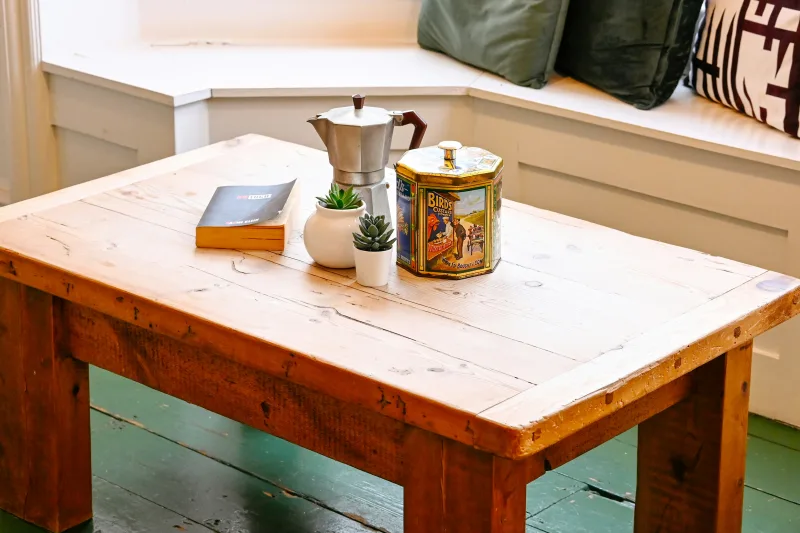
Smart spending means prioritizing pieces that solve your biggest space challenges first. Before dropping $500 on a shelving system, make sure you've already decluttered ruthlessly—otherwise you're just storing more stuff. Invest in quality materials that age beautifully: natural wood, metal, woven materials, and neutral tones create that expensive aesthetic. Avoid cheap-looking plastic bins and wire shelving; instead, look for pieces with visual weight and texture. One gorgeous statement piece often looks better than five mediocre storage solutions. Finally, shop your home first. You might already have items you can repurpose—vintage boxes, decorative baskets, or even furniture pieces that can be styled to organize while looking intentional.
Step-by-Step Guide
Ready to transform your apartment? Follow these seven steps in order. Skipping around or rushing through will lead to frustration and wasted money. Take your time with each step, and you'll create an organizational system that actually feels effortless to maintain because it's designed around your real life, not some Pinterest fantasy.
Step 1: Declutter One Category at a Time
Don't try to organize your entire apartment at once. Instead, focus on one category: all your clothing, all your kitchen items, all your books, all your papers. Pull everything in that category out of hiding. Yes, everything. Seeing the full volume is jarring, which is actually helpful—it motivates the editing process. Now comes the hard part: the decision. Hold each item and ask: Do I use this? Do I love this? Does this