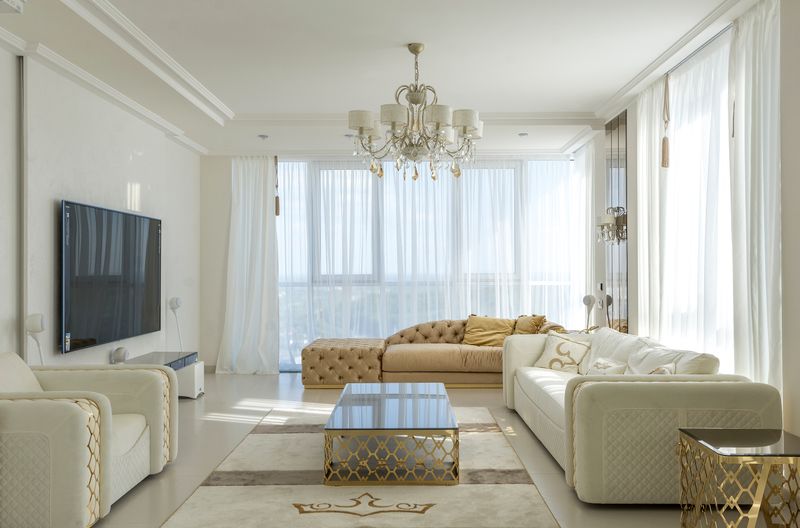
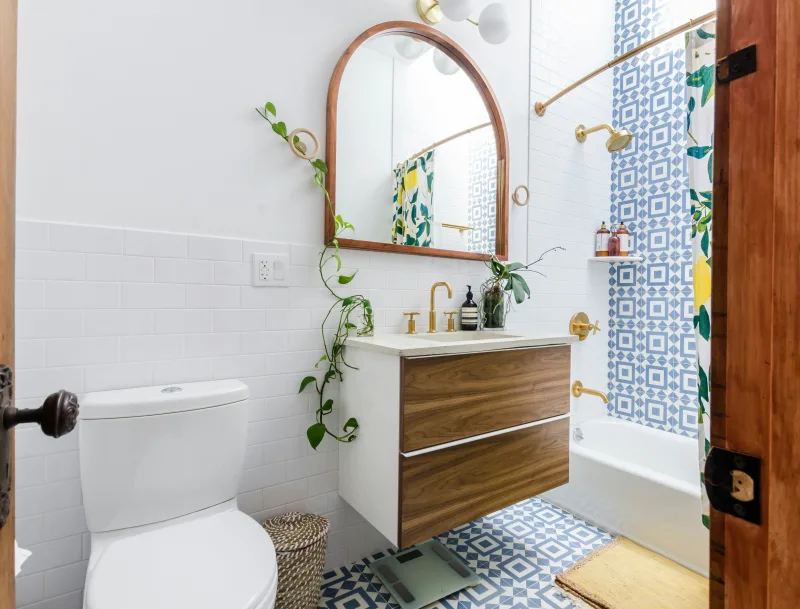
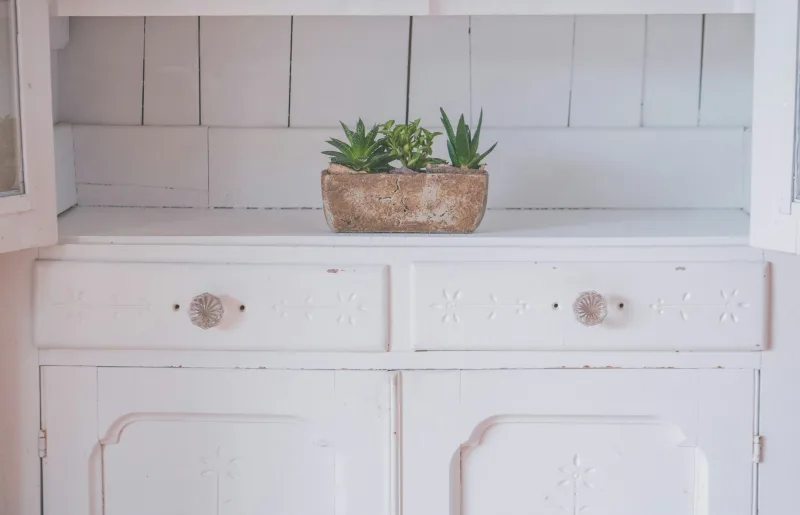
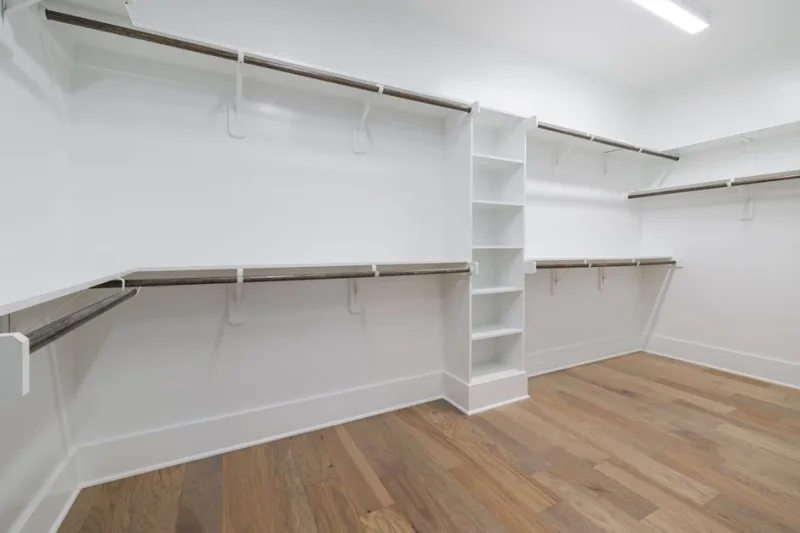
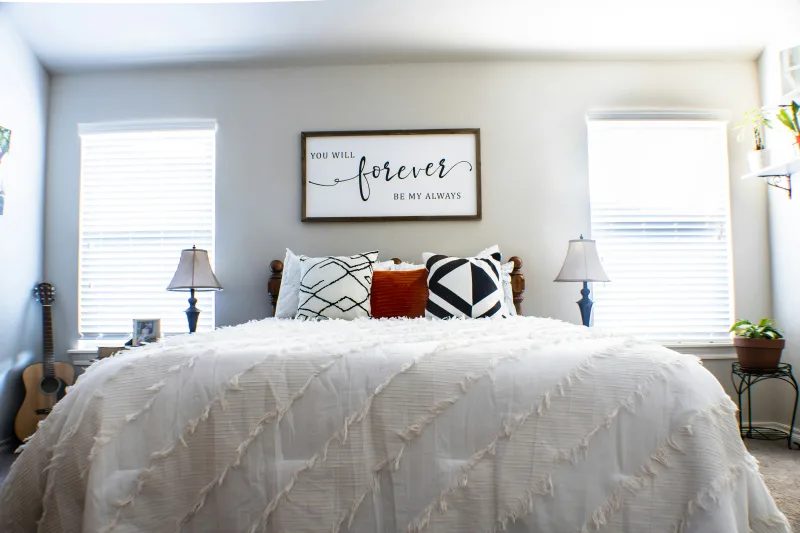
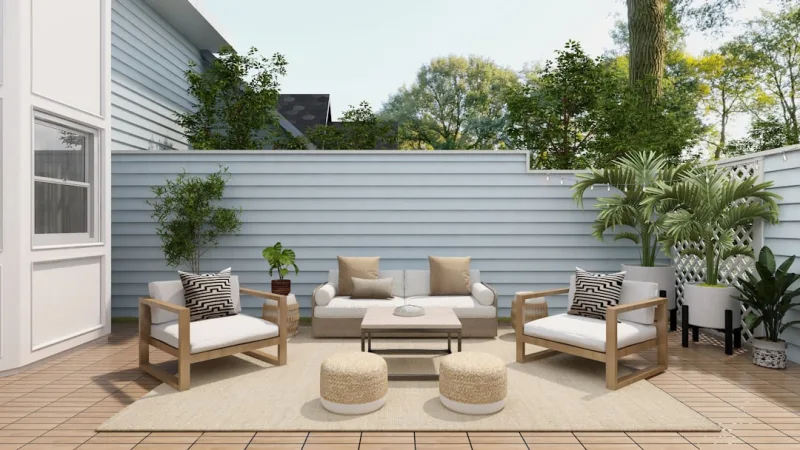
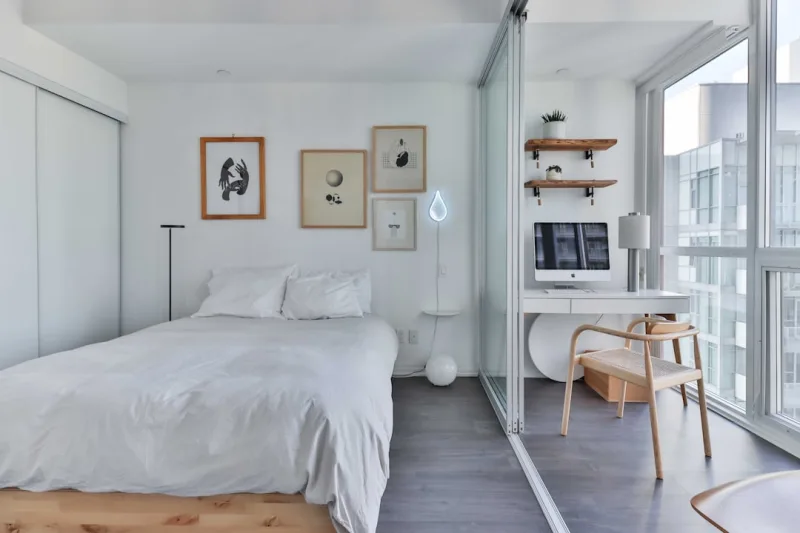
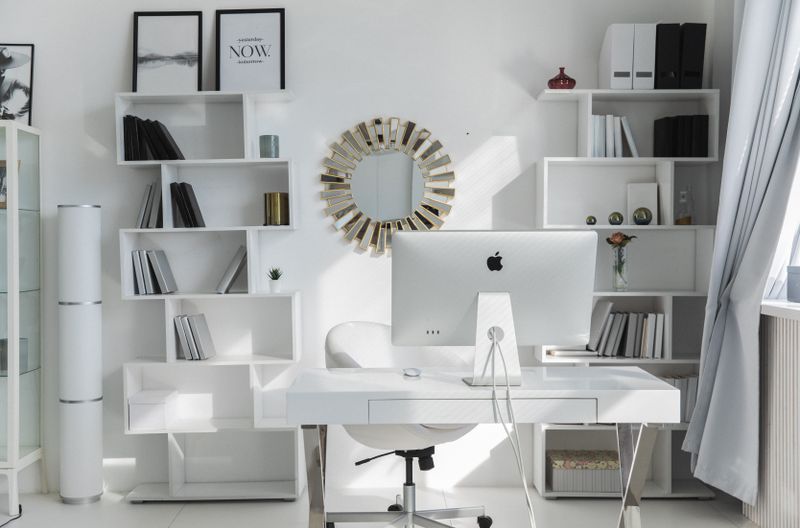
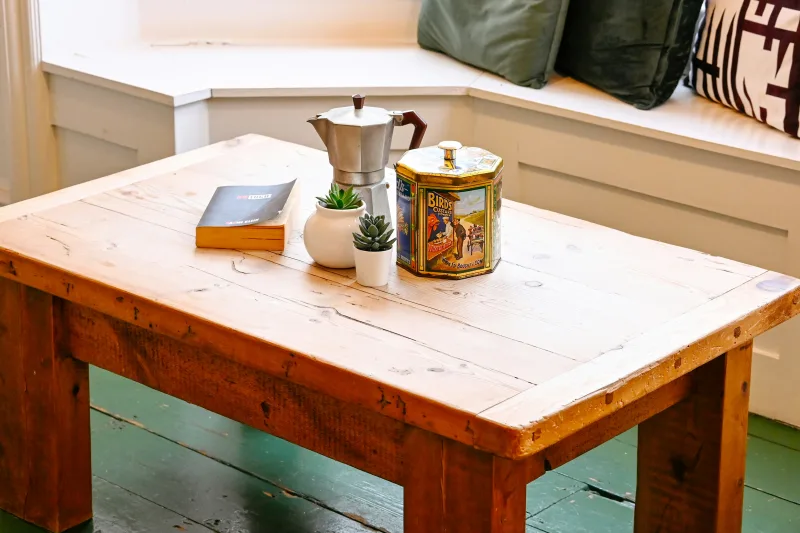
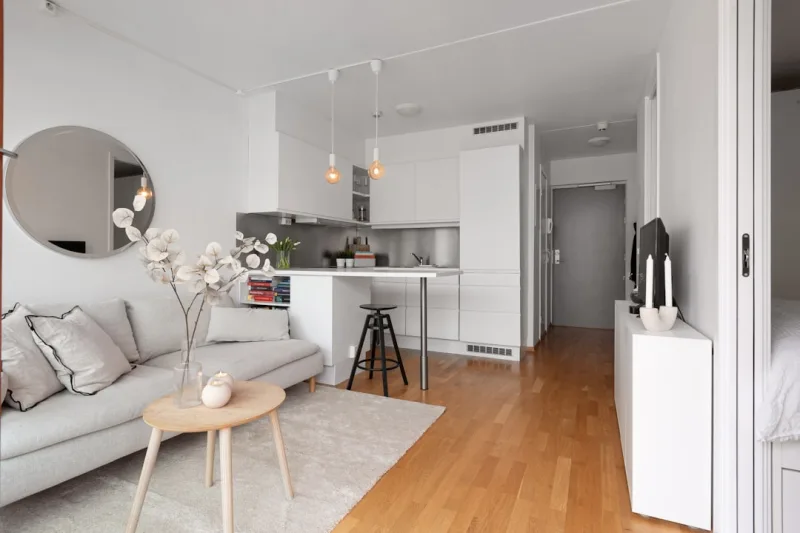
There's something absolutely magical about Scandinavian design that makes even the tiniest apartment feel like a high-end sanctuary. Maybe it's the clean lines, the soft neutrals, or that effortless sense of calm that fills every corner. Whatever it is, I get it—you want your small space to feel both sophisticated and inviting without breaking the bank. The truth is, some of the most beautiful apartments I've seen aren't the biggest ones; they're the ones with intention behind every single choice. As someone who's obsessed with creating cozy, beautiful homes, I've discovered that Scandinavian style is actually the perfect formula for making small spaces look and feel like luxury retreats. It's not about having more; it's about choosing better. This article will show you exactly how to bring that expensive-looking Scandinavian vibe into your apartment, room by room, and prove that you don't need a designer budget to live like you've got one.

In this guide, you'll discover the core principles of Scandinavian design that make small spaces feel larger and more luxurious. We'll walk through a complete planning process, break down budgets for every price point, and give you step-by-step instructions for transforming your apartment. You'll learn which specific products deliver that high-end look without the high-end price tag, get expert tips from design professionals, and find answers to all your burning questions about making this style work in your unique space.
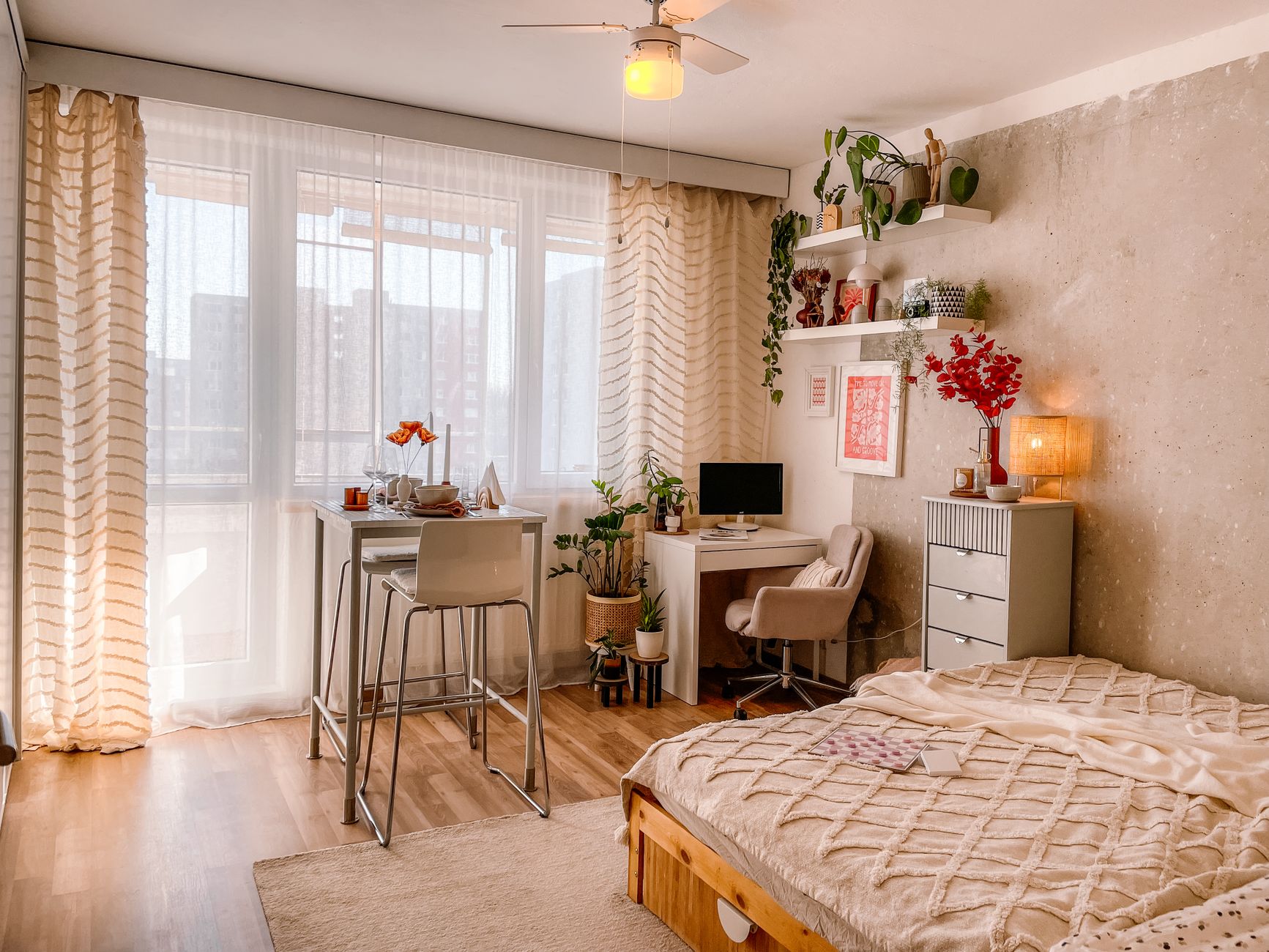
Scandinavian design is more than just a aesthetic—it's a philosophy rooted in functionality, minimalism, and creating spaces that work as hard as they look beautiful. This Nordic design movement originated in countries like Sweden, Norway, and Denmark, where long, dark winters meant people needed to maximize light and create warm, inviting spaces within often-compact homes. The result? A design language that's intentional, timeless, and surprisingly luxurious-looking even when executed on modest budgets.
The reason Scandinavian style works so brilliantly in small apartments is that it eliminates visual clutter without sacrificing comfort. Every piece serves a purpose. Every color choice contributes to the overall calm. Every texture adds warmth without overwhelming. This restraint is actually what makes spaces feel expensive—luxury is often about simplicity and quality over quantity. When you walk into a perfectly curated Scandinavian apartment, your eye isn't jumping around trying to process chaos; instead, it settles into a peaceful rhythm. That feeling of peace? That's what luxury actually feels like.
Many people make critical mistakes when trying to achieve this look. The biggest one is confusing minimalism with emptiness. A true Scandinavian space isn't cold or sterile; it's warm and inviting. Another common error is buying cheap versions of Scandinavian pieces without considering quality. You don't need to fill your space with lots of items, so the ones you choose should be worth keeping. People also sometimes overlook lighting, which is absolutely crucial in Scandinavian design. In the Nordic countries, they understand that light is luxury, and they layer lighting strategically throughout their spaces. Finally, many DIYers forget that Scandinavian style celebrates natural materials and textures—wood, wool, linen, leather—which are what create that expensive, curated feeling that mere color alone cannot achieve.
Before you buy a single item, you need a solid plan. This prevents impulse purchases and ensures everything you bring into your space works together cohesively. Start by assessing your current apartment honestly. Measure each room, identify your natural light sources, and note any fixed elements like wall color or flooring that you're working with. Take photos of your space from multiple angles—these will become your reference points as you shop and design.
Next, define your color palette. Scandinavian design typically centers on a neutral base of whites, creams, soft grays, and warm beiges, with strategic pops of color in things like artwork, pillows, or plants. Choose your three to four main colors and commit to them throughout your entire apartment. This creates flow and makes everything feel intentional rather than random. Then, identify your must-haves versus your nice-to-haves. In a small space, you simply cannot afford to have items that don't earn their spot. Your must-haves are furniture pieces that serve essential functions—a bed, seating, storage, a dining surface if space allows. Your nice-to-haves are the decorative pieces that will complete the look once the fundamentals are in place.
Consider traffic flow, natural light patterns, and how you actually live in your space. A Scandinavian apartment should feel effortless, not like you're constantly rearranging to make everything work. Finally, set your overall budget and break it into categories: furniture, textiles, lighting, and accessories. This discipline ensures you're making smart choices with your money.
Pre-Design Checklist:
- ✓ Measure all rooms and document dimensions
- ✓ Take baseline photos of your space from multiple angles
- ✓ Identify your natural light sources and sunlight patterns throughout the day
- ✓ Create a color palette of 3-4 main colors plus neutrals
- ✓ List essential furniture pieces your space truly needs
- ✓ Assess existing items worth keeping versus replacing
- ✓ Set overall budget and break it into category allocations
- ✓ Create a Pinterest board specifically for your project to maintain visual consistency

Budget Breakdown
← Scroll to see full table →
| Price Range | Item | Where to Buy | Est. Price |
|---|---|---|---|
| Under $50 | White ceramic vases (set of 3) | Target | $25 |
| Linen throw pillows | Amazon | $35 | |
| Wool area rug (small) | IKEA | $45 | |
| Floating wooden shelf | The The Home Depot | $30 | |
| $50-$200 | Floor lamp with linen shade | Amazon | $85 |
| Dining chairs (set of 2) | IKEA | $150 | |
| Wood and metal coffee table | Target | $180 | |
| Blackout curtains in linen look | Amazon | $65 | |
| $200+ | Scandinavian sofa (compact) | Article or IKEA | $400-600 |
| Platform bed frame with storage | IKEA or Wayfair | $300-450 | |
| Wood dining table for small spaces | Better Homes & Gardens and Gardens / Wayfair | $250-400 | |
| Quality bedroom furniture set | The Home Depot (exclusive brands) | $500+ |
When it comes to budgeting for a Scandinavian small apartment, the key is investing in the big pieces while being strategic about smaller items. Your bed, sofa, and dining table—these are the anchors of your space and deserve quality investment. IKEA and Better Homes and Gardens offer excellent value for these larger pieces without compromising on the clean aesthetic you're going for. Once your major furniture is in place, you can fill in with affordable accessories that create visual interest and warmth.
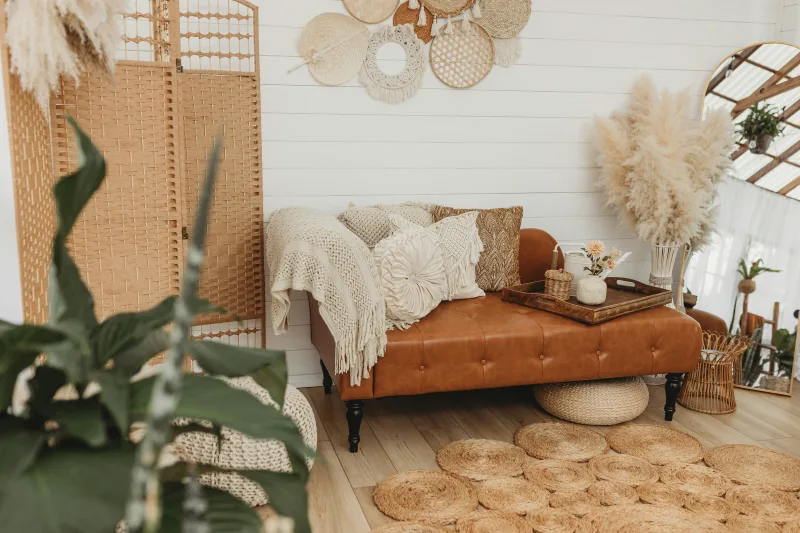 Budget Apartment Renovation: DIY Hacks That Actually Work
The magic of Scandinavian design on a budget is that it actually rewards smart shopping. Because the style emphasizes quality over quantity, you're not tempted to fill your space with cheap extras. A single beautiful wooden tray from The Home Depot costs less than three plastic organizers, but looks infinitely more luxurious. A quality linen pillow from Amazon ($35) creates more visual impact than five cheap throw pillows. This is how small apartments on modest budgets end up looking expensive—intentional choices rather than accumulated stuff. Prioritize your spending on items you see and use daily, and don't feel guilty investing less in things that are purely functional or hidden away.
Step-by-Step Guide
Step 1: Declutter and Create a Blank Canvas
The first step to achieving that expensive Scandinavian look is ironically to remove things. Go through your entire apartment and honestly evaluate what you own. Does it fit the aesthetic you're going for? Does it serve a purpose? Does it spark joy, as they say? Be ruthless. Donate, sell, or store items that don't align with your vision. This isn't just about clearing space—it's about psychological clarity. When you walk into a calm, edited space, you feel richer because you're not bombarded by visual noise. This is the foundation of luxury living, and it costs nothing except time and honesty. Take before photos so you can appreciate the transformation later.
Step 2: Assess and Plan Your Lighting Strategy
In Scandinavian apartments, lighting is genuinely considered before anything else because Nordic countries understand that light equals luxury. Take time to map out your natural light sources. Which windows get morning light? Which get afternoon sun? Where are your dark corners? Once you understand your light patterns, plan a layered lighting approach. You need ambient lighting (general illumination), task lighting (for specific activities), and accent lighting (to create mood and highlight beautiful items). Choose fixtures with clean lines and natural materials—wood bases, linen shades, metal accents. Shopping at The Home Depot gives you access to quality lighting options at reasonable prices. Consider adding a simple floor lamp with a fabric shade in a main living area, bedside task lighting, and perhaps some subtle pendant lights if your space allows. The goal is creating warm, inviting light that makes your apartment feel like a sanctuary, especially during those cozy evenings.
Step 3: Select Your Furniture Foundation
Now that your space is decluttered and your lighting is planned, focus on essential furniture. Your bed and sofa (if you have space for both) are the biggest visual anchors. Look for pieces with clean lines, neutral upholstery, and proportions that fit your space without overwhelming it. IKEA's Scandinavian-inspired collections are perfect for this—they offer genuine design quality at accessible prices. If you can splurge slightly more, pieces from Better Homes and Gardens available through The Home Depot offer that elevated look. Avoid overstuffed, heavily styled pieces. A simple platform bed, a clean-lined sofa, a minimal dining table—these are your anchors. Each piece should be something you genuinely love because in a small space, everything is visible, and everything matters.
Step 4: Choose Your Color Palette and Paint if Needed
Before you buy decorative items, finalize your color palette. Most Scandinavian apartments feature soft whites, warm creams, pale grays, or gentle beiges as their base. If you have the option to paint your walls, a soft warm white or pale gray creates the ideal backdrop. If painting isn't possible, work with your existing wall color by choosing furniture and textiles that complement it. Select two accent colors—these could be soft blues, muted greens, warm terracotta, or even soft blacks for contrast. These accents appear in artwork, plants, textiles, and accessories. This color discipline creates visual harmony that makes a small space feel like a purposeful, designed home rather than a random collection of items.
Step 5: Layer In Natural Materials and Textures
This step is what transforms a plain room into a luxurious-looking retreat. Scandinavian style celebrates natural materials: wood, wool, linen, leather, and stone. Shop for a wool area rug (even a small 5x7 anchors a living area beautifully), linen curtains or a linen-look fabric from Amazon, wool throw blankets, and wooden accessories. Real wood shelving from The Home Depot beats particle board, even if you're buying one floating shelf rather than a whole unit. A leather accent chair, natural fiber baskets for storage, a wooden cutting board as kitchen decor—these materials create warmth and quality that reads as expensive. The texture variation prevents the space from feeling sterile despite the minimal color palette. Include at least one piece in each room that showcases natural wood grain, one textile element in natural fiber, and one item that brings in another tactile material like leather or stone.
Step 6: Incorporate Plants and Greenery Strategically
Live plants are a signature element of Scandinavian design, and they're one of the most affordable ways to add luxury and life to your apartment. Plants improve air quality, create visual interest, and add that connection to nature that's fundamental to Nordic design philosophy. Choose plants with architectural shapes—tall snake plants, trailing pothos, or structured ZZ plants create visual impact without clutter. Place them in simple ceramic or terracotta planters in white, cream, or natural tones. A tall plant in a corner, smaller plants on shelves, and perhaps a small potted plant on your nightstand—this distribution makes the space feel intentional and alive. Plants from your local nursery or grocery store cost $5-20 each, making this one of the most affordable luxury touches available.
Step 7: Curate Accessories and Styling Details
The final step is carefully selecting accessories that complete your look without creating clutter. In a Scandinavian apartment, every object should be beautiful enough to see. Choose a few quality pieces rather than many mediocre ones. A beautiful wooden tray for your coffee table, ceramic vases in white or cream, simple framed black and white art, a quality throw blanket, quality wooden cutting boards displayed in your kitchen, and perhaps a few coffee table books—these items should feel curated, not accumulated. Shop at Target for affordable ceramic pieces, Amazon for textiles, and The Home Depot or IKEA for wood items. The key is choosing things you absolutely love and that fit your color palette. Less is genuinely more; every item should earn its space through beauty or function or ideally both.
Best Styles and Products
Minimalist Scandinavian
This is the purest form of Nordic design, featuring clean lines, stark color palettes of blacks, whites, and grays, and almost architectural simplicity. It's perfect for small apartments because it creates maximum visual clarity. The risk is that minimalism without warmth feels cold, so always balance it with natural materials and soft textiles. A minimalist Scandinavian room might feature white walls, a simple wooden bed, a single piece of black and white art, and a soft gray throw blanket. This style makes even studio apartments feel sophisticated and intentional.
Hygge-Inspired Scandinavian
Hygge (that untranslatable Danish concept of cozy contentment) brings warmth to Scandinavian minimalism. It incorporates more textiles,