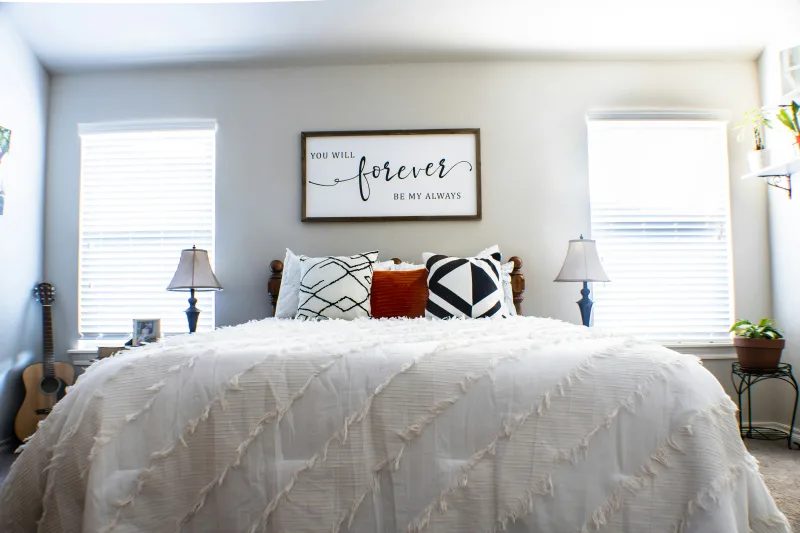
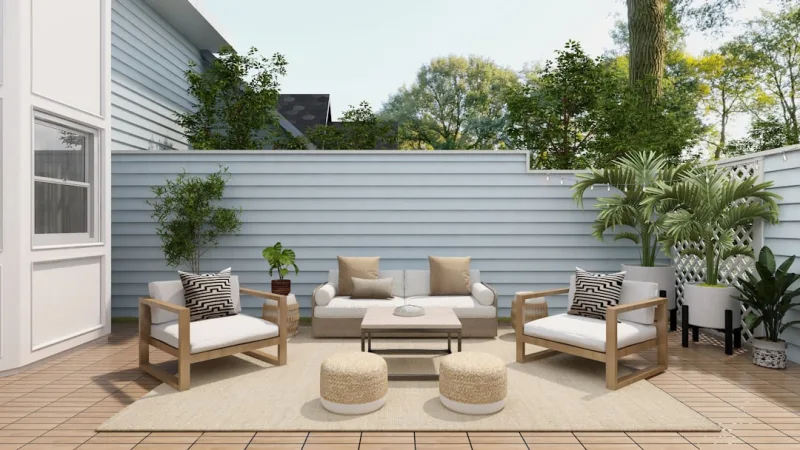
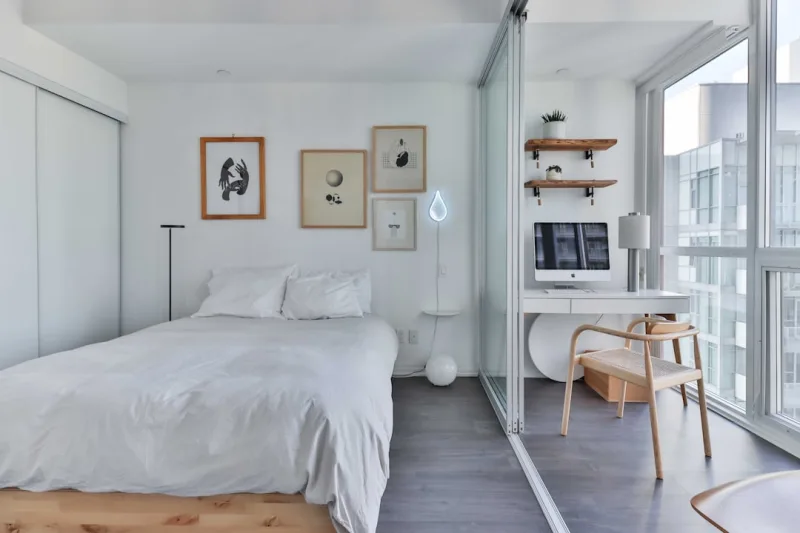
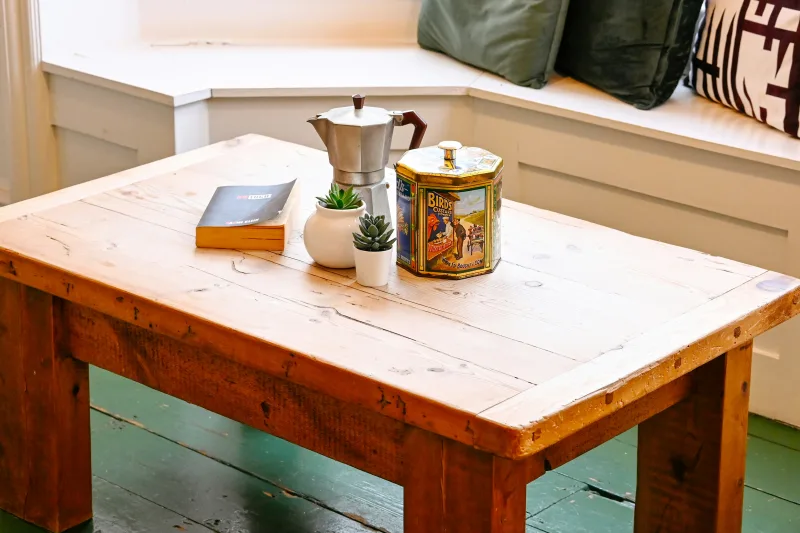
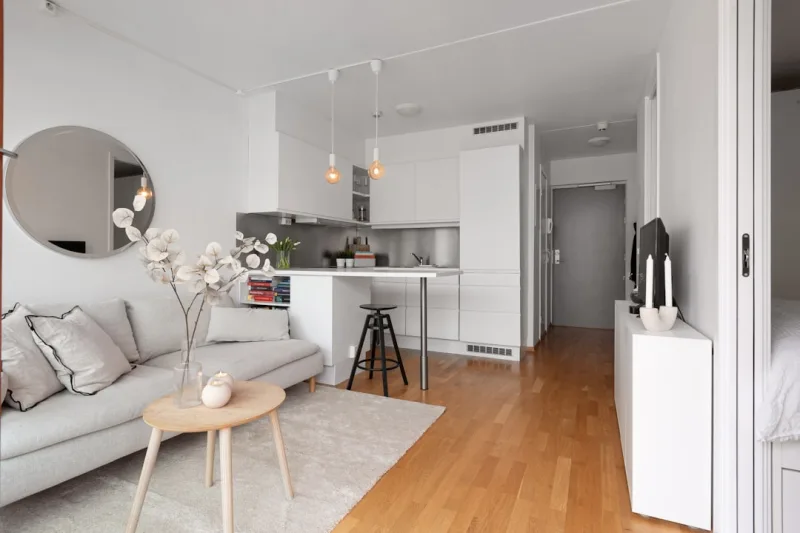
There's something magical about walking into a space that feels calm, intentional, and perfectly connected to your lifestyle. If you're dreaming of a Scandinavian apartment that embraces both minimalist beauty and smart technology, you're not alone. I absolutely love how this aesthetic has evolved—it's no longer about choosing between cozy and cutting-edge. You can have both. The Nordic design philosophy celebrates simplicity, functionality, and natural elements, while smart home gadgets bring convenience and modern living into that serene space. As someone who spends way too much time scrolling Pinterest at midnight, I get the appeal: light-filled rooms with clean lines, beautiful wooden furniture, and the subtle glow of a smart lighting system adjusting to your mood. This combination isn't just trendy; it's transformative. It's about creating a home that understands you, supports your daily life, and looks absolutely stunning doing it.
In this comprehensive guide, we're diving deep into everything you need to know about merging Scandinavian design with smart home technology. You'll discover how to select pieces that honor Nordic simplicity while incorporating gadgets that enhance your lifestyle. We'll explore budget-friendly options that don't sacrifice style, walk through a practical step-by-step process, and share expert tips that'll make your apartment feel like it jumped straight out of a design magazine. Whether you're furnishing your first apartment or refreshing a space you've outgrown, this guide will show you exactly how to blend these two powerful design movements into something uniquely yours.
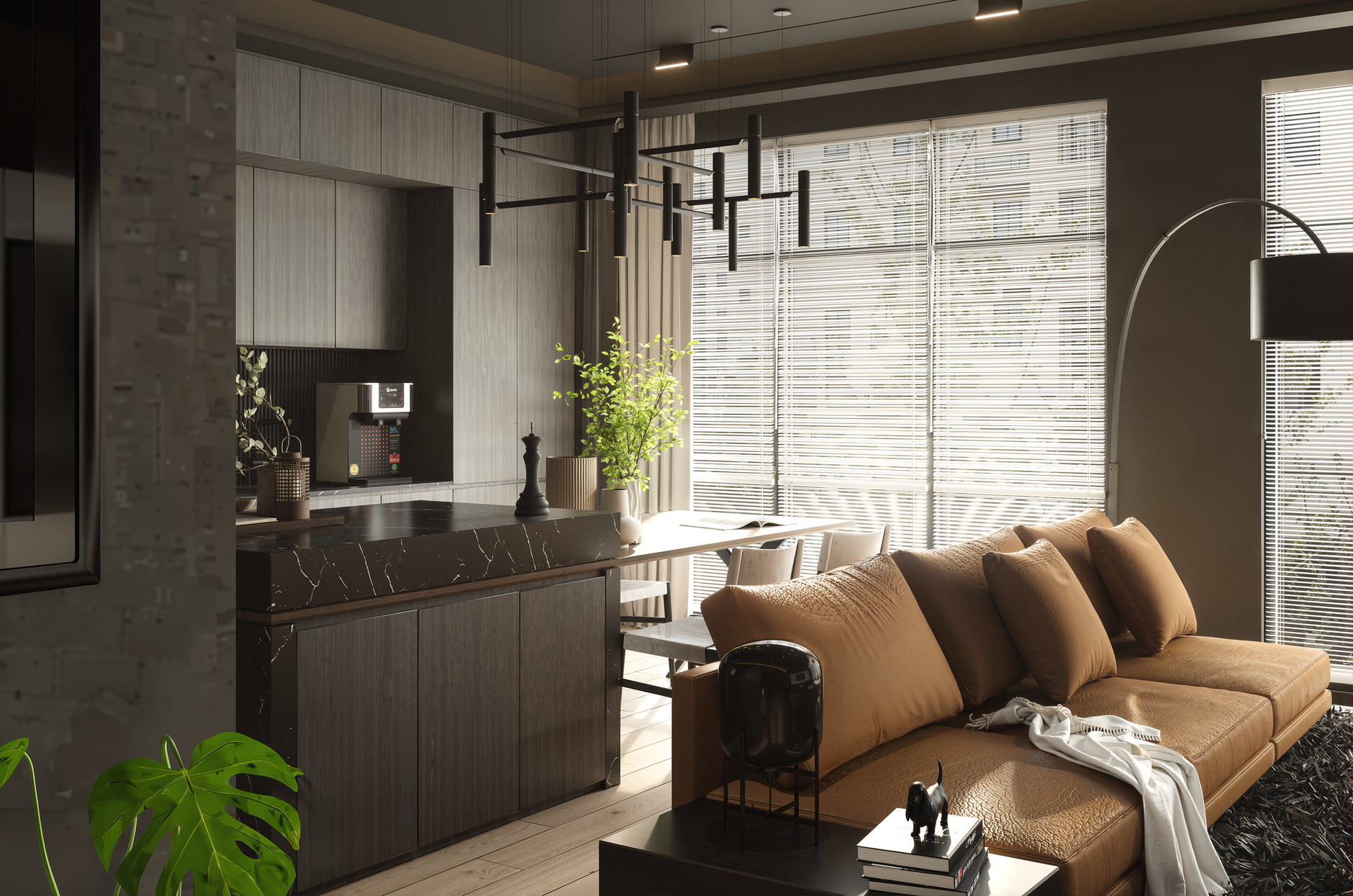
Scandinavian design emerged in the 1950s from the Nordic countries—Denmark, Sweden, Norway, and Finland—born out of necessity and cultural values. These regions experience long, dark winters, so their design philosophy naturally emphasizes light, functionality, and creating warm spaces that feel welcoming despite harsh weather outside. The result is an aesthetic built on principles like minimalism, natural materials, neutral color palettes, and purposeful design. Every piece serves a function; nothing is purely decorative for decoration's sake.
Smart home gadgets represent the modern evolution of that same functionality principle. Instead of hiding technology or letting it dominate your space, you integrate it seamlessly into your environment. A smart speaker doesn't sit on your coffee table as a tech accessory—it blends into your neutral Scandinavian palette and enhances your daily routine. Smart lighting systems adjust color temperature throughout the day, supporting your natural circadian rhythm while maintaining that cozy, minimalist aesthetic. Smart thermostats and air quality monitors work invisibly to create the perfect environment without adding visual clutter.
Why does this combination matter? Because contemporary living demands both beauty and efficiency. You want a home that looks like it belongs in a design book but functions like it was built for real life. This is especially true for apartment dwellers who often lack control over structural elements but can absolutely control their décor and technology choices.
Common mistakes people make include: overwhelming their space with too many gadgets that create visual chaos, choosing smart devices in finishes that clash with Nordic design (think shiny black plastic speakers against light wood), ignoring the importance of negative space (Scandinavian design is about breathing room), and treating technology as an afterthought rather than an integrated element. The magic happens when you're intentional about both design and function from the very beginning.
Before you start shopping, you need a solid plan. This prevents impulse purchases that don't serve your space and ensures every element works cohesively. Begin by assessing your apartment—measure rooms, identify natural light sources, and note architectural features you want to highlight or minimize. Take photos of your space in different lighting conditions; Scandinavian design relies heavily on light, and understanding how your apartment changes throughout the day is crucial.
Next, establish your color palette. Authentic Scandinavian design uses neutrals—whites, grays, blacks, and warm beige—as a base, with pops of color through textiles and nature-inspired accents. Your smart devices should fit into this palette. A white smart speaker works beautifully; a bright red one disrupts the aesthetic. Consider which rooms need smart technology most. Your bedroom might benefit from smart lighting that eases you into sleep and gently wakes you, while your living room might need a smart speaker for music and temperature control. Your kitchen could use smart lighting to improve functionality while keeping the space looking clean and intentional.
Create a comprehensive checklist before purchasing anything. This roadmap ensures you're covering all bases and won't miss essential elements that could improve your space.
- □ Measure all rooms - Know exact dimensions for furniture and gadget placement
- □ Document lighting - Photograph natural light at different times of day
- □ Define your color palette - Choose 3-4 neutral base colors plus accent colors
- □ List priority rooms - Where do you spend most time? Start there
- □ Identify smart home needs - What gadgets would genuinely improve your daily life?
- □ Research compatible ecosystems - Ensure your devices work together (Apple Home, Google Home, Alexa)
- □ Set a realistic budget - Don't just pick a number; break it down by category
- □ Create a mood board - Use Pinterest and Better Homes & Gardens and Gardens for inspiration
Budget Breakdown
← Scroll to see full table →
| Price Range | Items | Estimated Cost |
|---|---|---|
| Under $50 | Smart light bulbs (individual), throw pillows, plants, small decorative items, smart plug strips | $15-$45 |
| $50-$200 | Smart lighting starter kits, small furniture (side table, shelf unit), smart thermostat, area rugs, curtain rods, wall art | $50-$180 |
| $200+ | Smart speakers, larger furniture (sofa, dining table), complete lighting systems, smart displays, high-quality textiles, larger rugs | $200-$800+ |
Smart home integration doesn't have to drain your budget. The beauty of this approach is that you can start small and grow your system over time. Begin with one or two essential smart devices that solve real problems in your life, then add more as your budget allows. A single smart light bulb ($15-$30 from Amazon) can transform a room's ambiance and integrate into your phone. Pair that with affordable IKEA furniture and you've created functionality and beauty without spending hundreds.
 94 DIY Home Decor Projects: Ideas for Every Budget
Here's my honest money advice: invest in quality smart devices that will last, but choose affordable furniture that matches the Scandinavian aesthetic. IKEA excels at providing attractive, functional pieces at reasonable prices—their white and natural wood options are perfect for this style. Splurge on things you interact with daily (your mattress, favorite chair, lighting) and save on accessories you can change seasonally. Amazon's smart home products offer excellent value, while The The Home Depot carries smart devices and beautiful neutral décor pieces. Don't feel pressured to buy everything at once; a thoughtfully planned space that grows over months feels more authentic than a space that's suddenly perfect overnight.
Step-by-Step Guide
Step 1: Audit Your Current Space and Define Your Vision
Walk through your apartment with fresh eyes. What do you love? What frustrates you? Take measurements of each room and note where natural light enters. Identify focal points—a beautiful window, exposed brick, or architectural detail that could anchor your design. Spend time on Pinterest and Instagram, pinning Scandinavian apartments that resonate with you. Look for common themes in what appeals to you. Do you gravitate toward more minimalist spaces or ones with more warmth and texture? This honest reflection prevents you from recreating someone else's dream and helps you build your own.
Step 2: Select Your Foundational Furniture and Color Palette
Choose 2-3 neutral base colors (typically whites, soft grays, warm beiges, or natural wood tones) and 1-2 accent colors (perhaps soft blue, sage green, or warm terracotta inspired by nature). Your larger furniture pieces should anchor your space in these neutrals. A light gray sofa, natural wood dining table, and white shelving create a cohesive foundation. Visit IKEA for affordable basics like the BILLY bookcase in white or the MÖRBYLÅNGA dining table in natural oak. Layer in texture through natural materials—wool rugs, linen curtains, chunky knit throws—rather than colorful patterns. This approach creates visual calm while feeling intentional and warm.
Step 3: Plan Your Smart Home Ecosystem
Choose a primary ecosystem before buying devices. Will you use Apple Home, Google Home, or Amazon Alexa? This decision determines compatibility. If you're already invested in iPhones, Apple Home might be your natural choice. If you prefer budget-friendly options, Alexa offers more affordable entry points. Research the smart devices that genuinely improve your life—not ones that sound cool but won't actually use. Smart lighting that adjusts color temperature is genuinely helpful; a smart toaster less so. Make a list of devices you want and verify they work together before purchasing.
Step 4: Implement Lighting Strategically
Scandinavian design prioritizes light because these regions have limited daylight. Start by maximizing natural light—use sheer white or cream curtains that filter light while maintaining privacy. Layer in smart lighting that supplements natural light. Install smart bulbs in overhead fixtures and consider smart lamps for task lighting. The Philips Hue system (available on Amazon) offers beautiful warm whites that suit Scandinavian spaces perfectly. Dimmers let you control ambiance without visible tech. Position lights to highlight your favorite pieces and create cozy reading nooks. This layered lighting approach is functional, beautiful, and completely transformable with smart controls.
Step 5: Add Smart Devices Thoughtfully and Invisibly
Place smart speakers and devices where they serve a function but don't dominate visually. A smart speaker in your bedroom helps control lighting and temperature; place it on a nightstand or shelf rather than your main focal point. Smart thermostats should be mounted on a neutral wall where they're functional but not decorative elements. Consider devices in white, gray, or wood finishes that blend rather than stand out. This is the opposite of flaunting technology—it's weaving it seamlessly into your life. Think of your smart home as infrastructure, not décor.
Step 6: Layer in Textiles and Nature-Inspired Accents
Warmth in Scandinavian spaces comes from textiles and natural elements. Add a chunky knit throw over your sofa, layer area rugs, and choose linen or canvas curtains in neutral tones. Fill shelves with plants—fiddle leaf figs, pothos, snake plants—which add life, improve air quality, and create visual interest. Incorporate natural wood through coffee tables, shelving, or decorative items. Better Homes and Gardens offers excellent textile options that fit this aesthetic. Candles in unscented or subtle fragrances create ambiance without clashing with technology. These elements make your space feel grounded and human despite all the smart automation.
Step 7: Test, Adjust, and Personalize
Live in your space for a few weeks before finalizing everything. Notice where you naturally spend time, which areas feel cold or cluttered, and which smart devices actually improve your daily life. Adjust lighting, swap furniture if something doesn't feel right, and remove anything that doesn't spark joy or serve a function. Scandinavian design is intentional, not precious—you're allowed to change things. This final testing phase ensures your apartment works for your actual life, not just an aspirational version of yourself.
Best Styles and Products
Minimalist Scandinavian with Smart Lighting
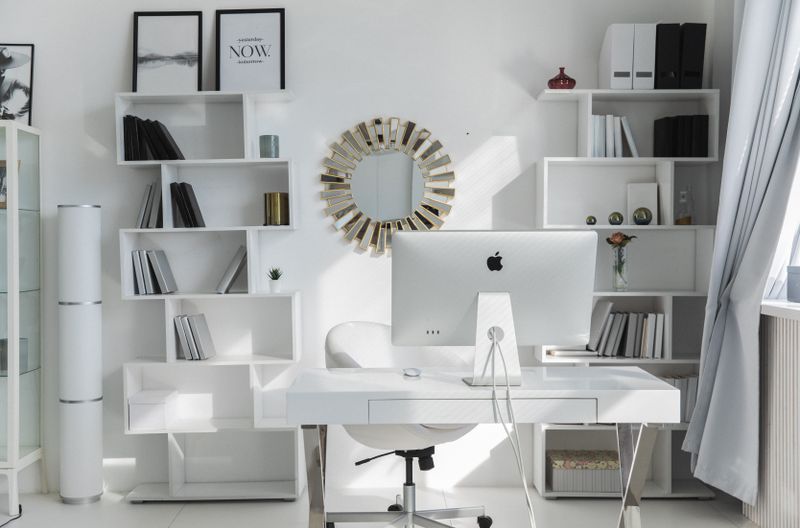
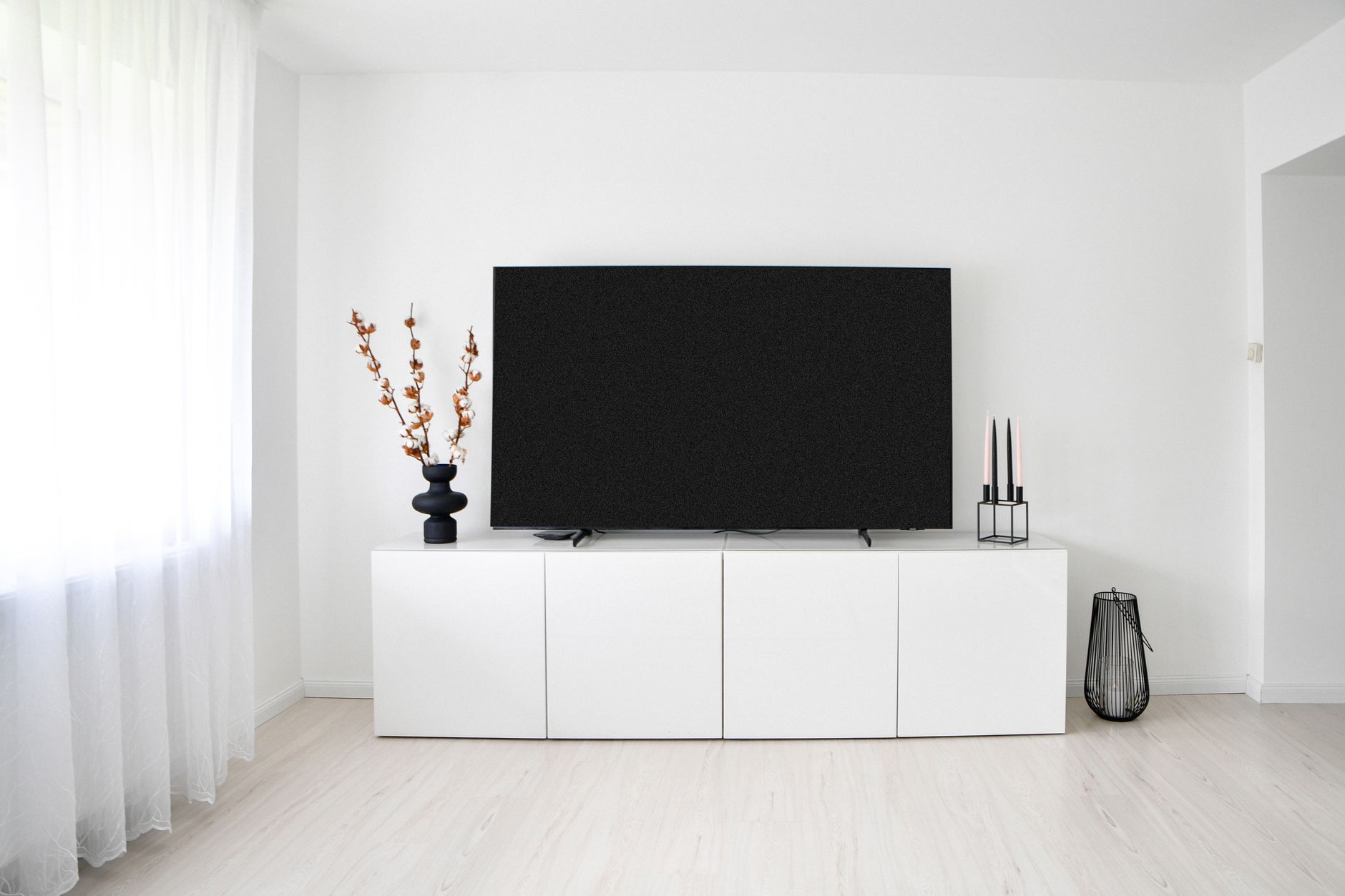
This approach strips everything to essentials. White walls, light wood floors, minimal furniture, and smart lighting that adjusts throughout the day. Perfect for small apartments and anyone who feels overwhelmed by clutter. The focus is on clean lines, open space, and technology that works invisibly.
Hygge-Inspired Scandinavian with Comfort Tech
Hygge emphasizes coziness and warmth. Layer warm lighting (smart bulbs in warm white settings), plush textiles, and plants. Add smart devices that enhance comfort—heated smart mattress pads, smart humidifiers, smart speakers for ambient music. This style feels lived-in and intentionally warm.
Natural Modern Scandinavian with Eco-Smart Home
Emphasize natural materials—wood, stone, wool—and smart devices that support sustainability. Smart thermostats that reduce energy use, smart LED lighting, and air quality monitors. This style appeals to environmentally conscious decorators.
Contemporary Nordic with Voice Control
Sleek, modern Scandinavian with fully integrated smart home systems. Voice-controlled lighting, temperature, and entertainment. Minimalist aesthetic with maximum functionality. Devices in matching finishes create a cohesive tech ecosystem.
Recommended Products and Pricing
- Philips Hue Smart Light Starter Kit (Amazon) - $99.99 - Create thousands of colors and automate your lighting
- IKEA BILLY Bookcase White (IKEA) - $29.99-$89.99 - Versatile storage with clean Nordic lines
- Nest Learning Thermostat (Amazon/The Home Depot) - $249.99 - Smart temperature control with elegant white finish