Aesthetic Kitchen Upgrade for Renters: Transform Your Space Without Losing Your Deposit
Let's be real — your rental kitchen probably wasn't designed with Instagram aesthetics in mind. You've got those builder-grade cabinets, maybe some dated hardware, and lighting that makes everything look like it belongs in a 2005 tax office. But here's the thing: you don't need to own the place to make it beautiful. I've helped dozens of renters completely transform their kitchens with zero permanent changes, and the results are honestly stunning.
The secret? Focus on swaps, not renovations. We're talking about peel-and-stick wallpaper, hardware changes you can reverse in five minutes, smart lighting upgrades, and strategic styling. These tweaks give you that designer kitchen look while keeping your security deposit firmly in your corner. I'm going to walk you through exactly how to pull this off.
Whether you're renting a tiny apartment kitchen or a slightly larger space in a house share, these upgrades work across the board. They're affordable, they're temporary, and they actually make you *want* to cook dinner instead of ordering takeout for the fifth time this week.
What You'll Need
Before you dive in, here's what I recommend grabbing. You don't need everything at once — this is actually a great project to spread out over a month or two as your budget allows.
- Peel-and-Stick Wallpaper — $25-$60 per roll (removable, from The The Home Depot)
- Cabinet Hardware — $30-$80 for a full set of handles and knobs
- Smart LED Lighting — $40-$100 for under-cabinet strips (Philips Hue or similar)
- Paint Pen for Cabinet Edges — $8-$15 (for a polished look)
- Open Shelving Floating Shelves — $30-$70 per shelf
- Adhesive Backsplash Tiles — $20-$50 per pack
- Faucet Aerator or Spray Head Upgrade — $15-$40
- Decorative Items (plants, canisters, cutting boards) — $50-$150
- Paint (if allowed) — $25-$45 per gallon
Step-by-Step Guide
Step 1: Upgrade Your Hardware
Start here. Seriously. Changing cabinet hardware is the quickest win for an aesthetic upgrade, and landlords literally cannot complain about it — you're just swapping out handles and knobs. The existing hardware usually comes off with a simple screwdriver.
Grab some sleek black handles, brushed gold knobs, or even trendy ceramic pieces from The Home Depot. Measure your cabinet door first (center to center where the hardware sits) so you get the right size. Pop out the old hardware, screw in the new stuff, and boom — your cabinets instantly look more intentional. Save the original hardware in a ziplock bag. When you move out, you swap everything back. Your landlord won't even notice.
Step 2: Add Peel-and-Stick Wallpaper to Exposed Areas
This is where things get fun. Identify your backsplash space (the wall between your counter and cabinets) and any side walls that feel dated. Peel-and-stick wallpaper is a game changer for renters because it sticks to clean surfaces and comes off cleanly when you're done.
Clean your walls thoroughly with a damp cloth and let them dry completely. Measure your space and order your wallpaper. I'm obsessed with geometric patterns, terracotta tones, or soft botanical prints right now. Start from the center of your space and work outward, smoothing as you go. Use a credit card to push out air bubbles. Honestly, the first corner is the scariest part — after that, you'll feel like a pro.
Step 3: Install Under-Cabinet Lighting
Nothing transforms a kitchen faster than proper lighting. Under-cabinet LED strips create ambiance *and* actually make your workspace brighter. Most strips have adhesive backing, so installation is literally just peeling and sticking them underneath your cabinets.
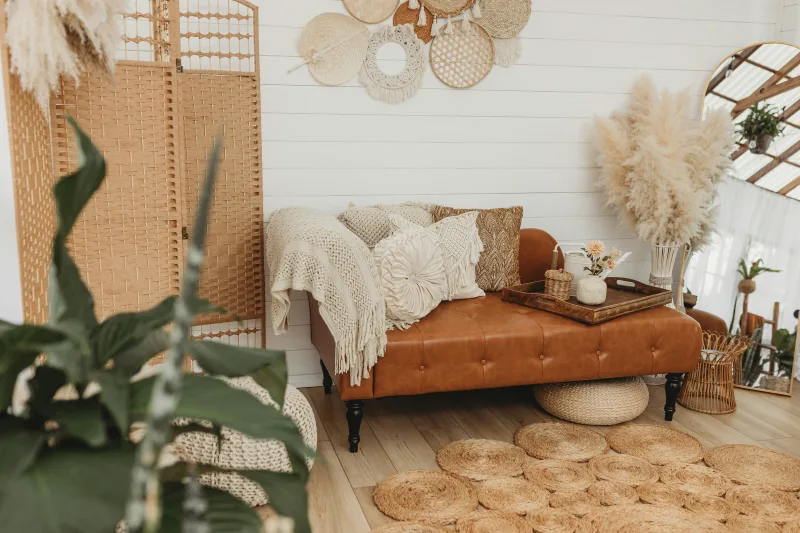 Budget Apartment Renovation: DIY Hacks That Actually Work
Go for warm white (around 2700K) if you want cozy vibes, or cooler tones (4000K+) if you like that clean, modern look. Smart bulbs let you adjust the vibe depending on your mood. The difference between your old kitchen and this lit-up version? Night and day.
Step 4: Refresh Your Backsplash With Adhesive Tiles
If you're feeling brave, adhesive peel-and-stick tiles create a designer backsplash without any grout or permanent installation. Clean your wall, measure your space, and apply tiles in your chosen pattern. Hexagon, subway, or mosaic — pick whatever makes your heart happy.
Pro tip: start from the center point and work outward so you avoid weird cuts at the edges. Keep it symmetrical and you'll have a space that looks professionally done.
Step 5: Style Open Shelving or Add Floating Shelves
If you have open shelving already, curate what's on display. If you don't, floating shelves (which use damage-free adhesive strips or lightweight command hooks) give you extra storage that looks intentional, not cluttered.
Use the "rule of thirds" — fill shelves with a mix of functional items and decorative pieces. Pretty cookbooks, matching canisters, a few plants, and some minimalist kitchen utensils in a nice container. This is where you actually style your kitchen like you see on HGTV.
Step 6: Upgrade Your Faucet Hardware
If your faucet is looking rough, a simple spray head upgrade or aerator swap can make everything feel newer. These pieces typically come off easily and screw right back on. It's a small detail that somehow makes a huge difference.
Pro Tips
- Always ask your landlord first. Even though most of these upgrades are totally reversible, it's just good karma. Frame it as "aesthetic improvements that won't damage anything" rather than "I'm redecorating."
- Document everything with photos. Take before pictures, during pictures, and after pictures. This protects you when you move out and shows your landlord exactly what you did (and that you're leaving everything clean).
- Save all original hardware and pieces. Seriously, keep them. When you move, restore everything to its original state. This takes like 30 minutes and is absolutely worth your deposit.
- Invest in good lighting. This is the one thing that makes the biggest impact for the least amount of money. Better Homes & Gardens & Gardens has some gorgeous style guides on this.
- Plants are your friend. A few low-maintenance plants (pothos, snake plant, herbs) on shelves or the counter instantly make a kitchen feel alive and aesthetically intentional.
- Keep it minimal. Renter kitchens are often smaller, so resist the urge to fill every inch. White space is your friend.
Cost Breakdown
← Scroll to see full table →
| Item | Cost Range | Priority |
|---|---|---|
| Cabinet Hardware | $30-$80 | High |
| Peel-and-Stick Wallpaper | $25-$60 | High |
| Under-Cabinet LED Lighting | $40-$100 | High |
| Adhesive Backsplash Tiles | $20-$50 | Medium |
| Floating Shelves | $30-$70 | Medium |
| Paint Pen for Touches | $8-$15 | Low |
| Faucet Upgrade | $15-$40 | Low |
| Decorative Items | $50-$150 | Medium |
| Total Budget | $218-$565 | — |
Honestly, you can start with just the hardware and lighting for around $70-$180 and see how you feel. Then add layers as your budget allows. That's actually my recommended approach.
FAQ
Q: Will peel-and-stick wallpaper ruin my walls when I remove it?
A: Not if you use quality, removable wallpaper and apply it to clean, dry walls. The key is that you're not using cheap wallpaper — invest in brands that specifically market themselves as "removable" or "renter-friendly." When you move out, gently peel from a corner at a 45-degree angle. Worst case? You might need to touch up with a bit of paint, but your landlord will have your deposit back regardless because the walls are actually intact underneath.
Q: Can I paint the cabinets without voiding my lease?
A: Ask first. Some landlords are cool with it if you use removable paint or promise to repaint white before you leave. Others will absolutely not allow it. The safer