Minimalist Garage Layout for Renters: Claim Your Space Without the Permanent Damage
Look, I get it. You're renting, which means your garage might feel like a temporary holding zone for everyone else's junk. But here's the thing — you can absolutely create a minimalist garage layout that works for your lifestyle without losing your security deposit in the process. It's not about installing expensive built-ins or permanent fixtures. Instead, it's about strategic thinking and smart organization that you can actually take with you when you move.
I've been down the renter's garage struggle myself. You know that feeling when you open the garage door and immediately feel stressed? That cluttered, chaotic energy that makes you want to just park on the street instead? Yeah, that stops today. A minimalist approach isn't just aesthetic — it's genuinely functional. You'll actually find things. Your car will fit. You might even use the space for hobbies or projects again.
The best part? Everything in this guide uses renter-friendly solutions. No drilling into studs, no permanent paint colors, no landlord nightmares. Just clean, intentional organization that transforms your garage from storage purgatory into something you actually enjoy.
What You'll Need
Before we dive into the layout itself, let's talk about the essentials. You won't need a ton of stuff, but the right pieces make all the difference.
- Freestanding shelving units (metal or sturdy plastic) — $80-$150 each
- Clear storage bins (various sizes, stackable) — $40-$80 for a set
- Wall-mounted pegboard (renter-friendly adhesive hooks) — $30-$60
- Magnetic strips for tools — $15-$25
- Heavy-duty area rug or garage mat — $50-$100
- Tension rods for hanging items — $20-$35
- Command adhesive hooks (various sizes) — $15-$30
- Labels and label maker — $25-$40
I'd recommend checking out The The Home Depot for most of these items — their selection of renter-friendly solutions has gotten so much better. Plus, they usually have solid return policies if something doesn't work in your space.
Step-by-Step Guide
Step 1: Do a Complete Purge First
Seriously, don't skip this. Before you organize anything, pull everything out of your garage. I mean everything. Get ruthless about it. That broken ladder from 2019? Gone. The paint cans you swear you'll use? If you haven't touched them in a year, they're taking up real estate. Be honest with yourself about what actually adds value to your life. You're not running a storage facility — you're creating a functional space. This alone usually frees up 30-40% of your garage footprint, which is honestly game-changing.
Step 2: Zone Your Garage by Purpose
Think about what you actually use your garage for. Is it cars, tools, seasonal items, bikes, hobbies? Create distinct zones for each category. Honestly, mapping this out on paper first (or even a phone note) saves so much trial-and-error. I typically recommend dividing a standard two-car garage into zones like: vehicle parking, tool station, seasonal storage, and sports equipment. Keep high-traffic zones clear and organized, while seasonal stuff can live higher up or in the back.
Step 3: Install Your Base Layer of Storage
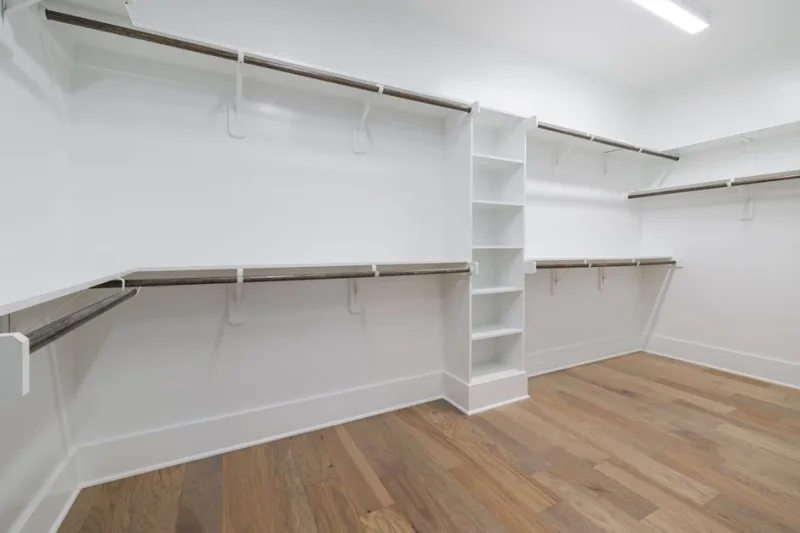
Start with freestanding shelving units. These are your MVPs because they're renter-approved and infinitely adjustable. Place one or two units along the back wall or side walls, leaving adequate clearance for your car doors and people movement. Don't put anything directly behind where your car parks — you need that access clear. Metal shelving from The Home Depot's industrial line holds up great and looks intentionally minimalist. The key is vertical thinking. Go up, not out.
Step 4: Create a Tool Station with Pegboard and Magnetic Strips
This is where your space gets that clean, minimalist look. Mount a pegboard section (using adhesive strips if you're renting) as your tool hub. Pair it with magnetic strips for metal tools — screwdrivers, wrenches, whatever you actually use. Label everything. Like, everything. Sounds excessive, but labeled storage is what separates a minimalist space from organized chaos. Visit HGTV's organization guides for pegboard inspiration that looks gallery-clean.
Step 5: Organize with Clear Bins and Labels
Clear bins are non-negotiable for minimalism. You can see exactly what's inside without opening them. Group similar items — automotive supplies, seasonal decorations, holiday lights, whatever. Stack them logically on your shelves. Use your label maker liberally. This sounds tedious, but future-you (the version searching for the air filter in March) will be incredibly grateful. Better Homes & Gardens & Gardens actually has great articles on categorization systems if you want to get fancy about it.
Step 6: Maximize Vertical Space with Tension Rods and Hooks
 Budget Apartment Renovation: DIY Hacks That Actually Work
Use adhesive hooks for hanging bikes, cords, or lightweight items. Tension rods are genius for hanging items that would otherwise take up floor or shelf space. This is where the minimalist magic happens — using every inch thoughtfully instead of letting stuff sprawl everywhere.
Step 7: Add a Finishing Touch with Flooring
A garage mat or area rug might seem small, but it psychologically anchors your space and defines the zones. It also makes the garage feel more intentional and finished. Plus, it protects the concrete and hides stains, which your landlord will appreciate.
Pro Tips
Keep a donation box going. Seriously, don't wait for the next purge. Keep a corner dedicated to items you're getting rid of. Once a month, drop them off. This prevents stuff from accumulating again.
Take photos of your before state. When you move out, you'll want proof that you left the garage in good condition. Renter protection is real.
Use vertical storage for seasonal items. Holiday decorations? Summer toys? Store them high up on shelves so everyday items stay accessible at eye level.
Keep a simple inventory. Honestly, a quick Google Sheet with what's in which bin saves so much time. "Winter coats — bin C4" beats opening every bin looking for one thing.
Respect the car. Your garage layout should always prioritize car access and parking. Everything else is secondary. If your car can't fit comfortably, you've over-organized.
Cost Breakdown
← Scroll to see full table →
| Item | Quantity | Price Per Unit | Total Cost |
|---|---|---|---|
| Freestanding Metal Shelving Units | 2 | $115 | $230 |
| Clear Storage Bins (Set) | 3 | $60 | $180 |
| Pegboard with Adhesive Strips | 1 | $45 | $45 |
| Magnetic Tool Strips | 2 | $20 | $40 |
| Garage Floor Mat | 1 | $75 | $75 |
| Tension Rods | 2 | $27 | $54 |
| Command Adhesive Hooks (Variety Pack) | 2 | $22 | $44 |
| Label Maker and Labels | 1 | $32 | $32 |
| TOTAL ESTIMATED COST | $700 | ||
Note: This assumes a standard two-car garage. Adjust quantities based on your space size. You can also start with one shelving unit and the bins, then build out over time if budget is tight.
FAQ
Q: Can I Really Do This Without Damaging the Garage?
A: Absolutely. The beauty of this approach is that everything uses either freestanding units or adhesive-based mounting. Command strips are genuinely amazing and leave zero residue. Freestanding shelves don't require any drilling. When you move out, you literally just take everything with you. Your landlord won't even know you transformed the space — except they'll probably be thrilled about the organization.
Q: What If My Garage Is Tiny?
A: Minimize even more ruthlessly. If you have a one-car garage or small space, focus on one or two shelving units and wall-mounted solutions. Stack storage vertically instead of horizontally. Consider off-garage storage for truly seasonal items. This isn't failure — it's just being realistic about your space constraints. Even a minimalist needs to work with what they have.