Quiet Luxury Apartment Design for Small Spaces: Create Your Dream Sanctuary
There's something incredibly satisfying about stepping into your apartment and feeling like you've escaped the world's chaos. That's the magic of quiet luxury design—it's not about shouting your sophistication through bold statement pieces or filling every corner with expensive items. Instead, it whispers elegance through thoughtful choices, neutral palettes, and intentional spacing. If you're living in a small apartment, quiet luxury might seem like an impossible dream. But here's the truth: small spaces are the perfect canvas for this aesthetic. When you're working with limited square footage, every piece matters more, and that's exactly where quiet luxury thrives. It's about making your 450-square-foot studio feel like a serene, curated retreat where everything has purpose and beauty. This design philosophy celebrates quality over quantity, meaning you'll actually enjoy your space more because it's uncluttered and peaceful. Let's explore how to bring this sophisticated, calming aesthetic into your small apartment without breaking the bank or drowning in Instagram-worthy clutter.

In this comprehensive guide, you'll discover exactly what quiet luxury design means and why it's perfect for apartment living. We're breaking down the planning process with actionable checklists, showing you realistic budget options from affordable finds to investment pieces, and walking you through seven concrete steps to transform your space. You'll learn about the best styles that complement small apartments, discover specific products available at retailers you already trust, and get insider tips from design experts who specialize in compact living. By the end, you'll have everything you need to create an apartment that feels expensive, peaceful, and authentically yours—without the designer price tag.
Understanding Quiet Luxury Apartment Design for Small Spaces
Quiet luxury is a design movement that's been gaining serious traction among people who value substance over status. Unlike maximalist design that celebrates abundance and bold patterns, quiet luxury is understated, refined, and intentionally calm. It's the aesthetic equivalent of wearing a beautifully tailored white shirt that costs more than you'd expect—you might not immediately notice the quality, but you'll feel it every time you wear it.
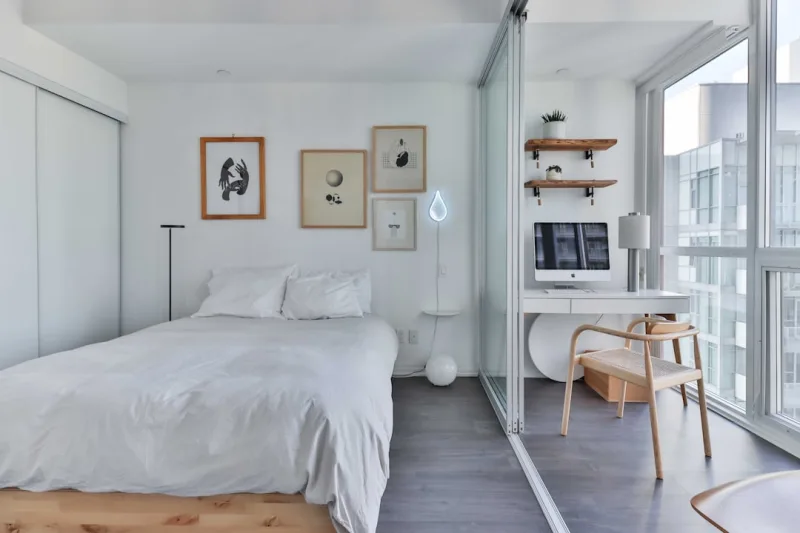
For small apartments, quiet luxury is genuinely transformative. This aesthetic inherently respects space—it doesn't try to cram everything possible into every corner. Instead, it embraces negative space (that's designer speak for "empty space," and it's actually a feature, not a bug). When you're working with limited square footage, quiet luxury's minimalist approach becomes your best friend. It means your studio doesn't feel cluttered; it feels curated. Your one-bedroom doesn't feel cramped; it feels intimate.
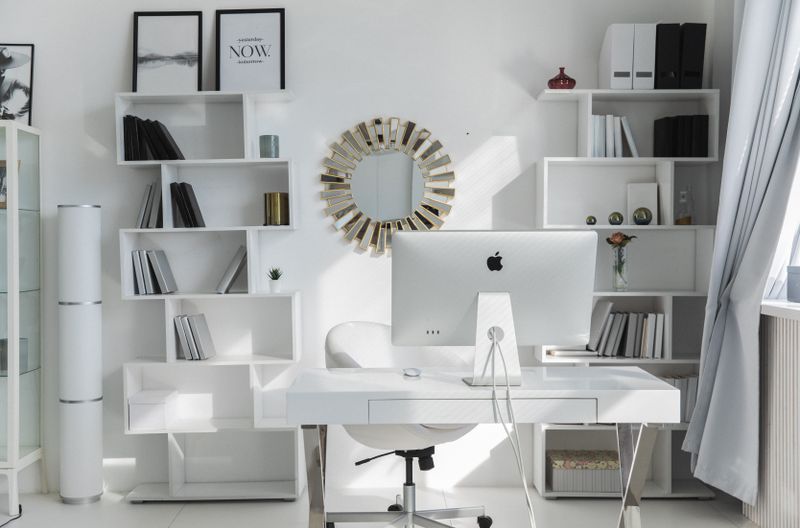
The core principles include using a neutral color palette (think creams, taupes, soft grays, and warm whites), investing in quality basics rather than trendy pieces, incorporating natural materials like linen, wood, and stone, and maintaining plenty of breathing room. It's about selecting furniture that's elegant in its simplicity and choosing decor that adds value without visual noise.
Why does this matter for your apartment? Because small spaces demand intentionality. Every purchase decision carries more weight. A poorly chosen item doesn't just look off—it dominates your visual space. Quiet luxury forces you to be selective, and that selectivity actually creates spaces that feel more valuable, more peaceful, and more "you" than spaces packed with stuff.
Common mistakes people make when attempting quiet luxury in small spaces include: going too minimal and creating spaces that feel cold or incomplete, choosing furniture that's too large for the room (thinking bigger makes spaces feel bigger, when it actually does the opposite), mixing too many finishes and materials (wood, metal, glass, marble all competing for attention), neglecting lighting (which is absolutely crucial for making small spaces feel expensive and livable), over-accessorizing even with "minimal" pieces, choosing cheap basics that look cheap rather than intentionally simple, and failing to edit regularly as life changes. The goal isn't emptiness—it's intentionality.
Planning Guide for Quiet Luxury Apartment Design for Small Spaces
Before you buy a single item, you need a plan. This prevents the common small-space trap of impulse purchases that looked good in the store but fight for visual attention in your actual apartment. Start by assessing what you already have and what truly serves your life. Quiet luxury thrives on pieces you'll actually use and love. Next, establish your color palette—this is your foundation. Most successful quiet luxury apartments stick to 2-3 neutral colors as the base, then add a fourth color if desired. Soft white, warm gray, and natural wood tones are reliable choices. Once you know your colors, think about your apartment's natural light. Small spaces with limited natural light need lighter colors and strategic artificial lighting to avoid feeling cave-like. Then consider your lifestyle—are you someone who entertains? Do you work from home? Do you need flexible spaces? Your design should support your actual life, not the life you think you should be living. Finally, establish your budget ranges before shopping. This prevents decision paralysis and keeps you focused on value rather than just price.
Use this checklist to guide your planning process:
- ☐ Measure your apartment and note wall colors, flooring, and architectural features
- ☐ Create a mood board (Pinterest is perfect for this) with 15-20 images that inspire you
- ☐ Identify your main color palette—choose 2-3 neutrals plus one accent if desired
- ☐ Assess your natural light and plan artificial lighting accordingly
- ☐ List your lifestyle needs (working from home, entertaining, hobbies, etc.)
- ☐ Declutter existing items and identify pieces you'll keep
- ☐ Set budget ranges for each category (furniture, bedding, lighting, decor)
- ☐ Research retailers where you'd like to shop and bookmark inspiration items
Budget Breakdown
← Scroll to see full table →
| Under $50 | $50-$200 | $200+ |
|---|---|---|
| White ceramic vase (Target) - $12 | Linen throw blanket (IKEA) - $80 | Leather accent chair (The The Home Depot marketplace) - $450 |
| Wooden drawer organizers (Amazon) - $25 | Floor mirror (IKEA) - $120 | Platform bed frame (IKEA) - $350 |
| Neutral area rug small (Target) - $35 | Bedside table (IKEA) - $100 | Mid-century sofa (Article or similar) - $800 |
| Linen pillow covers (Amazon) - $30 | Desk lamp (The Home Depot) - $75 | Dining table set (IKEA) - $400 |
| Framed botanical print (Target) - $15 | Floating shelves (Amazon) - $60 | Platform storage bed (IKEA) - $500 |
 94 DIY Home Decor Projects: Ideas for Every Budget
The beauty of quiet luxury is that you don't need to spend a fortune to achieve it. Start with what feels most important to your daily life. A quality mattress and bedding matter more than wall decor—you spend eight hours a day there. Your desk matters if you work from home. Your sofa matters if you spend evenings relaxing there. These are your investment pieces, and The Home Depot, IKEA, and Amazon all offer surprisingly excellent options at various price points. For items like bedding, throw pillows, and small decor pieces, Target has become incredibly sophisticated, and you can find quiet luxury-appropriate items at budget-friendly prices. The key is viewing budget strategically: spend more on pieces you'll keep for years, spend less on easily changeable items like decor, and allocate money toward quality basics that anchor your space. Consider a $400 bed frame and quality mattress an investment that supports your health and sleep quality. Consider $15 throw pillows something to refresh seasonally without guilt. This approach means your overall apartment investment can stay reasonable while still feeling elevated and intentional.
Step-by-Step Guide
Step 1: Assess Your Space Honestly
Walk around your apartment with fresh eyes and a notebook. Note the good bones—architectural details, natural light, charming windows. Also note challenges—low ceilings, dark corners, awkward layouts. Measure your furniture pieces and your walls. Take photos from every angle. This isn't about dwelling on limitations; it's about understanding the specific canvas you're working with. For quiet luxury in small spaces, knowing your square footage, ceiling height, and light patterns is essential. This information informs every decision moving forward. If your apartment has low ceilings, vertical storage and tall pieces become more important. If you have a beautiful window, that wall becomes your focal point. If light is limited, you'll need more strategic lighting and lighter colors.
Step 2: Define Your Color Palette
This is your biggest decision. Successful quiet luxury apartments typically use three neutral colors that work together: one as the dominant color (usually for walls and large furniture), one as a secondary color (often bedding or accent furniture), and one for depth (often wood tones or warm grays). You might choose: soft white walls with warm gray sofa and natural wood flooring, or creamy walls with taupe upholstery and light wood accents. Consider your apartment's existing elements—if your flooring is dark, lean into warmth in your walls rather than cool grays. Grab paint samples from The Home Depot and tape them to your walls in different light conditions. Colors look different at various times of day, and you want to live with your choice, not against it. If you want an accent color, choose one thoughtfully—soft sage, warm terracotta, or muted blue work beautifully within quiet luxury, but keep it to 10-15% of your space (a pillow, a small side table, artwork).
Step 3: Plan Your Lighting Strategy
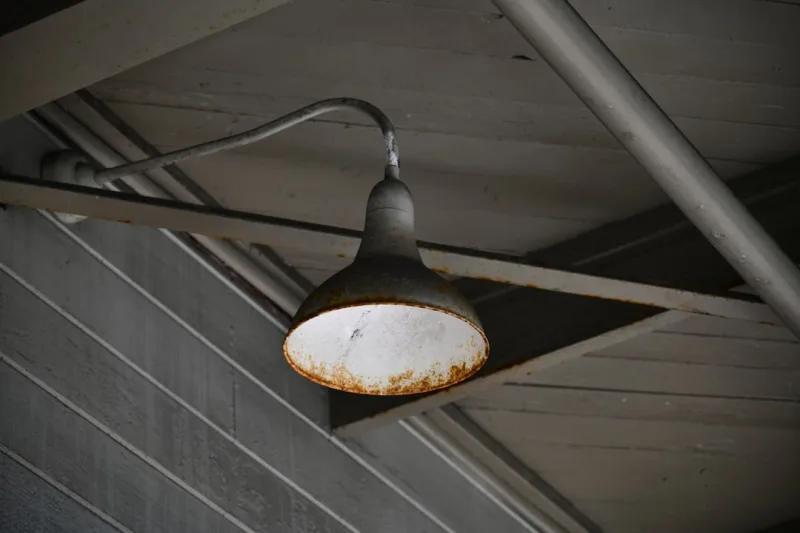
This step separates spaces that feel expensive from spaces that feel budget. Small apartments especially need layered lighting: ambient (overhead or recessed), task (reading, working), and accent (highlighting beautiful elements). Small spaces benefit from multiple light sources rather than relying on one overhead fixture. Add a floor lamp in a corner, a desk lamp if you have a workspace, bedside lamps, and perhaps some subtle string lights. All can be found affordably on Amazon or at IKEA. Use warm-toned bulbs (2700K color temperature) to create coziness. If you can adjust lighting with a dimmer, even better. Mirrors and light-colored surfaces amplify natural light, so position mirrors opposite windows or light sources. Good lighting is the secret weapon of small-space design—it literally makes spaces feel bigger, more welcoming, and more expensive.
Step 4: Choose Your Key Furniture Pieces
In a small apartment, furniture must earn its space through both function and form. Identify your absolute necessities: a bed (your most important investment), something to sit on in your living area, somewhere to eat or work, and storage. Choose pieces that are proportional to your space—apartment-sized furniture from IKEA or specialty retailers actually exists. A full-size sofa might overwhelm a small living room, but a loveseat or apartment-scale sectional works beautifully. Choose furniture with clean lines and minimal ornamentation (very quiet luxury). Natural wood legs, simple skirting, and neutral upholstery are your friends. Avoid heavy, dark, ornate pieces that visually shrink your space. If possible, choose pieces that offer dual functionality: a storage ottoman, a bed frame with drawers, a desk that can fold away. Better Homes & Gardens and Gardens often carries excellent small-space furniture options at reasonable prices.
Step 5: Establish Your Storage System
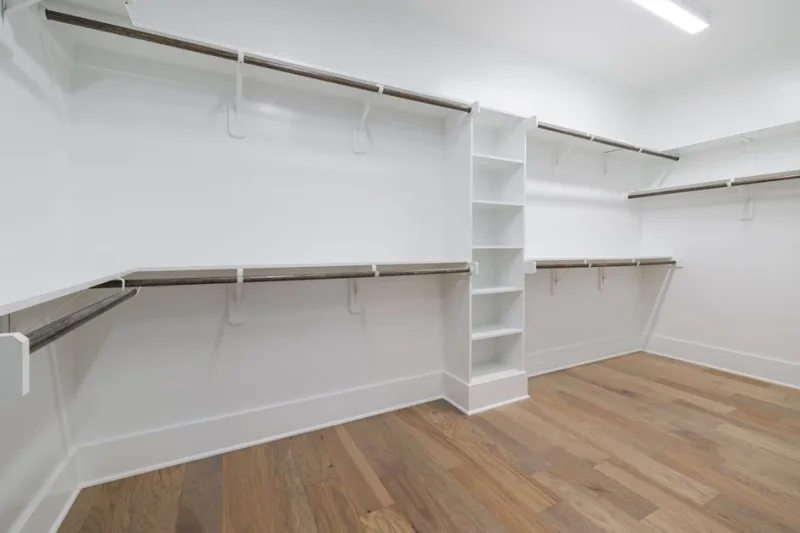
Clutter destroys quiet luxury instantly. Small spaces demand smart storage. Invest in beautiful storage solutions that align with your aesthetic: linen bins, wooden shelving, closet organizers. Vertical storage is your friend—wall-mounted shelves, tall bookcases, and wall-hung storage create visual interest while maximizing space. Keep like items together, label your storage bins, and be honest about what you actually use. A beautifully organized apartment with less stuff looks infinitely more expensive and feels dramatically more peaceful than a cramped apartment with "just in case" items. IKEA and Amazon excel at affordable, aesthetically appropriate storage. The Home Depot offers beautiful shelving options. Dedicate time to this step—it's foundational to the entire aesthetic.
Step 6: Add Textiles and Soft Elements
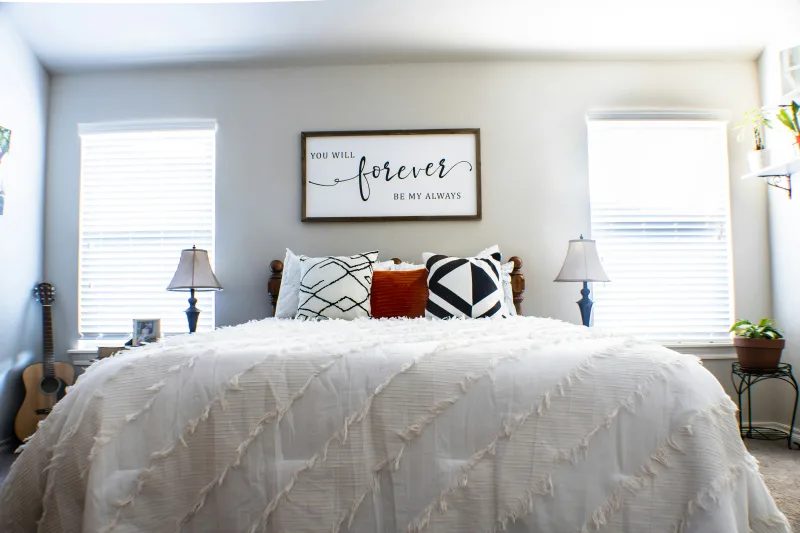
Textiles make small spaces feel human and cozy rather than sterile. Invest in quality bedding—Egyptian cotton sheets feel like a luxury you can actually afford, and they transform your bedroom nightly. Add linen throw pillows on your sofa, a lightweight wool throw for layering, and perhaps a quality area rug that defines your space and adds warmth underfoot. Textiles in quiet luxury are typically neutral, natural fiber, and quality over trendy. A $15 cheap throw pillow that sheds looks sad; a $40 linen pillow you'll have for years feels like an investment. Target has surprisingly excellent bedding and pillow options. IKEA's linen products are fantastic. Layer different textures—linen, cotton, wool, leather—within your neutral palette to create visual interest without color chaos.
Step 7: Curate Your Accessories and Decor
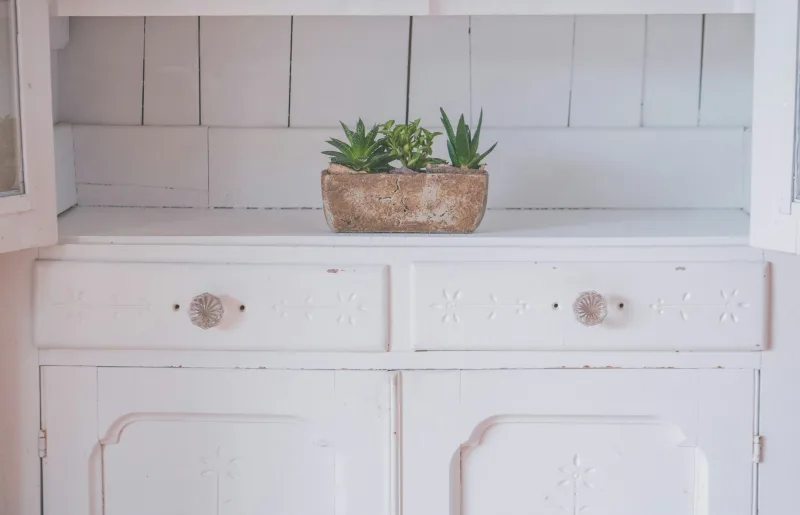
This final step is where quiet luxury truly shines. Instead of filling every surface, choose 5-7 carefully selected items: perhaps a beautiful vase, a wooden bowl, a framed botanical print, a small plant, a few quality books, and a simple table lamp. Each item should either be beautiful, functional, or both. Everything should tell a story or bring you joy. This isn't about minimalism being empty—it's about intentionality. A single large piece of art often feels more sophisticated than five smaller frames. A beautiful plant in the corner creates more visual interest than a clutter of small decor. Edit seasonally, rotate pieces you love, and remember that empty space is part of the design. Your finished space should feel thoughtfully curated, like someone with excellent taste—and budget awareness—put it together.
Best Styles and Products
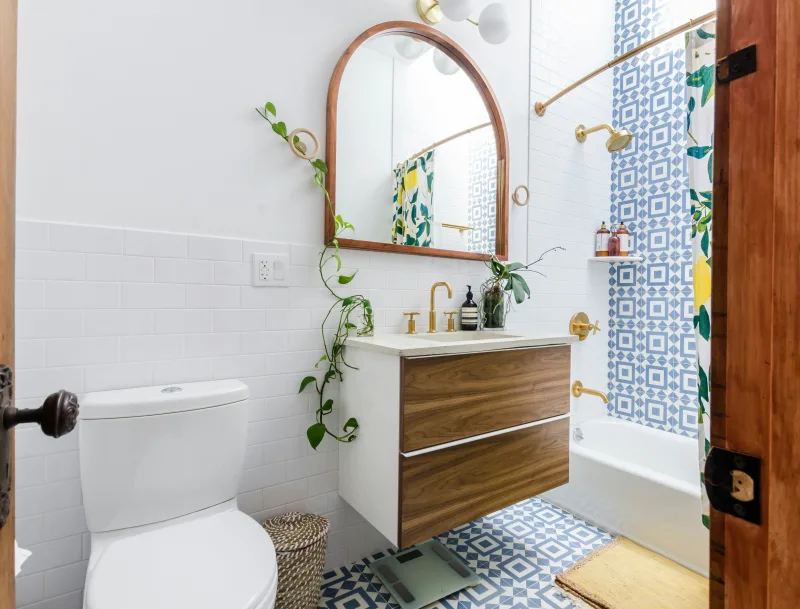
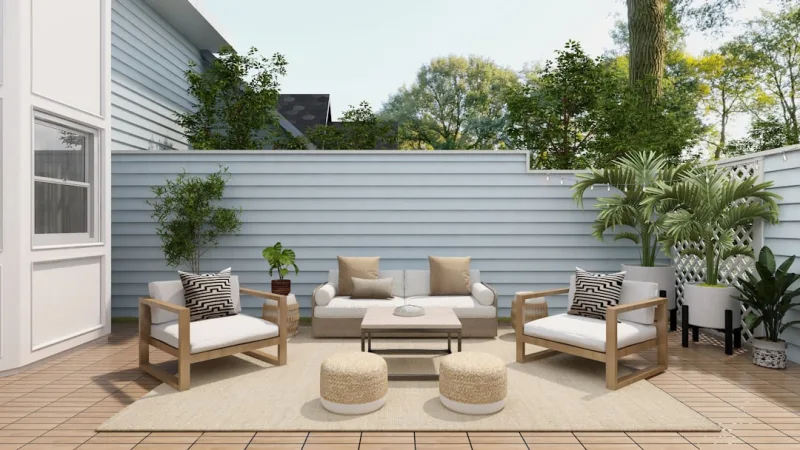
Quiet luxury works beautifully with several design styles, each bringing its own flavor while maintaining that sophisticated, calm aesthetic. Modern Minimalist combines quiet luxury's restraint with contemporary clean lines—think white walls, natural wood, and very intentional lighting. Scandinavian design aligns naturally with quiet luxury through its emphasis on functionality, natural materials, and cozy minimalism. Japanese Minimalism (also called Zen aesthetics) brings quiet luxury's principles even further, focusing on negative space, natural materials, and calming simplicity. And Contemporary Organic blends quiet luxury with warm, natural elements—earthy tones, lots of natural wood, plants, and texture while maintaining simplicity.
For products, consider: IKEA SKAGERAK Georg Shelves ($80-150 USD) bring Scandinavian beauty to wall storage. Target Threshold Collection Linen Pillow Covers ($25-40 USD) offer budget-friendly quality in multiple neutral tones. Amazon Brightech Sky LED String Lights ($30-50 USD) add ambient lighting without taking up floor space. IKEA KIVIK Sofa ($300-400 USD) offers apartment-scale sizing with quiet luxury proportions. Better Homes and Gardens Leaning Bookshelf ($150-200 USD) provides storage and visual interest in