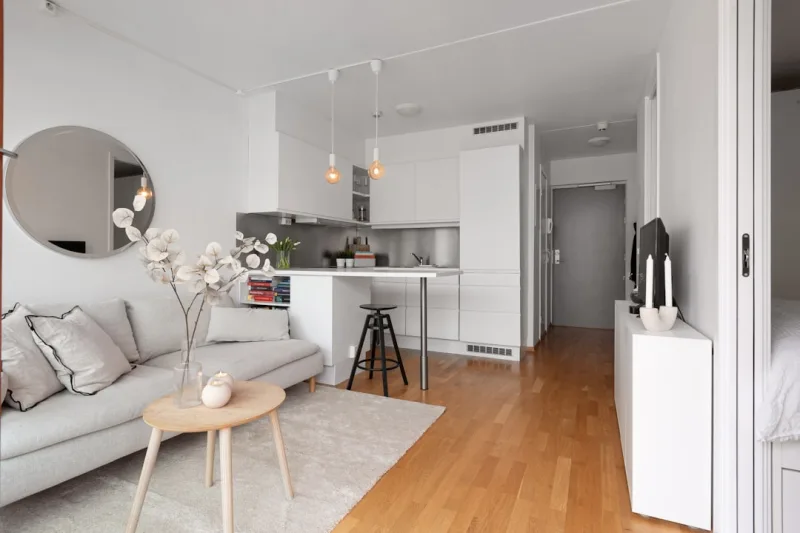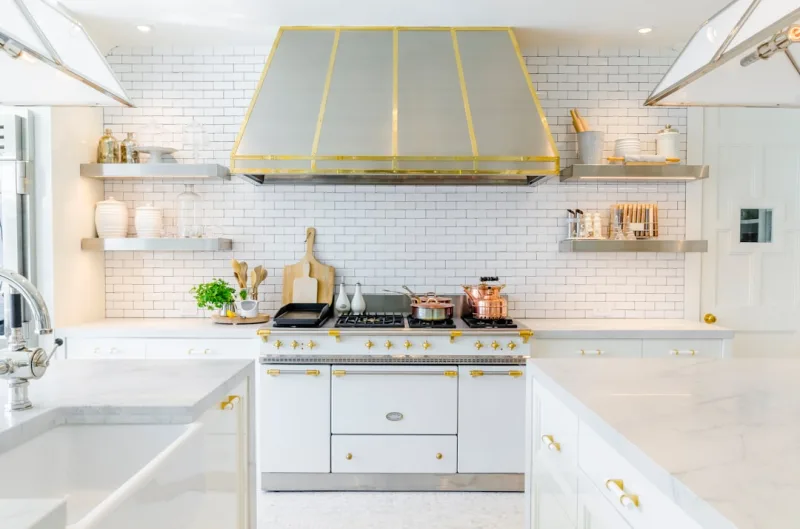
Quiet Luxury Kitchen Organization 2026: The Art of Understated Elegance
Look, I get it. We're all tired of that maximalist everything-must-pop aesthetic. Quiet luxury is having this major moment, and honestly? It's the most refreshing design philosophy I've encountered in years. It's about creating a kitchen that whispers sophistication instead of shouting it — where every item has a purpose, everything has its place, and the whole space just feels... effortlessly put together.
The thing about quiet luxury kitchen organization is that it's not actually complicated or expensive. It's more about intention and restraint. You're not looking for statement pieces or trendy organizing containers in neon colors. Instead, you're investing in quality basics, neutral tones, and systems that work silently in the background. Think of it as the Marie Kondo method met high-end hotel kitchen energy.
I've been reorganizing kitchens for the better part of a decade, and I can tell you that 2026 is really about people wanting their spaces to feel like a sanctuary — a place where functionality meets calm. So let's dive into how to actually make this happen without breaking the bank or spending your entire weekend reorganizing.
What You'll Need
Here's where quiet luxury gets interesting — you don't need a ton of stuff. You need the right stuff.
- Matching Glass Containers with Airtight Lids — $60-120 (The The Home Depot carries great options from brands like OXO and Rubbermaid)
- Natural Wood Drawer Dividers — $25-50 (bamboo is your friend here)
- Soft-Close Cabinet Hinges — $40-80 for a full kitchen (optional but genuinely game-changing)
- Neutral Linen Drawer Liners — $15-30
- Minimalist Metal Drawer Pulls — $30-60
- White or Cream Ceramic Canisters — $50-100
- Stainless Steel or Matte Black Utensil Holders — $30-50
- Acrylic or Glass Shelf Risers — $20-40
- Quality Measuring Spoon Set — $15-25 (keeps things cohesive)
- Neutral Throw Blanket for Stool (optional) — $40-80
Total estimated budget: $325-635
Step-by-Step Guide
Step 1: Declutter With Intention
Before you buy a single organizing container, you need to honestly assess what you actually use. Pull everything out of your cabinets and drawers — yes, everything. I mean it. This is going to feel chaotic for about an hour, but trust me.
Here's my sorting system: keep, donate, or trash. Be ruthless. That garlic press you've used twice in five years? Gone. Those plastic takeout containers you're "saving"? Donate them. You want your kitchen to contain only things that genuinely earn their space. This is the foundation of quiet luxury — restraint.
Step 2: Measure and Plan Your Cabinet Layout
Grab a notebook and actually sketch out your cabinets. Measure shelf widths and heights. Take photos. This might sound extra, but it prevents the impulse-buy trap. When you know exactly what you're working with, you can make smart decisions about containers and dividers.
Group similar items: baking supplies together, everyday dishes in the most accessible spot, small appliances on a dedicated shelf. Honestly, this step is where most people skip ahead and then wonder why nothing fits properly.
Step 3: Install Drawer Dividers and Liners
Drawer liners aren't just pretty — they protect your wood and make things feel intentional. Lay down linen liners first. Then add your bamboo dividers. These are going to organize your utensils, cooking tools, and kitchen gadgets into distinct zones.
The key? Each category gets its own space. Wooden spoons in one section, silicone spatulas in another, whisks in their own spot. No chaos, no digging.
Step 4: Transition to Glass Containers
This is where quiet luxury really shines. Transfer pasta, flour, sugar, rice, and dry goods into matching glass containers. Label them with simple white or cream labels. This accomplishes two things: everything looks cohesive, and you can see what you're running low on at a glance.
The matching containers create this subtle visual harmony that feels intentional without being try-hard. Better Homes & Gardens & Gardens has some excellent articles about pantry organization if you want more inspiration here.
Step 5: Organize Cabinets by Zone
Create designated zones: your everyday dishes zone, your cooking tools zone, your appliances zone, your pantry zone. Use shelf risers to create vertical storage and make the most of awkward spaces. Stack plates vertically rather than horizontally — it actually takes up less space and looks more intentional.
Everything should have a home. When guests open your cabinets (and they will), they should feel like they're looking at a carefully curated collection, not a storage unit.
Step 6: Upgrade Hardware and Add Soft-Close Features
 Budget Apartment Renovation: DIY Hacks That Actually Work
If your cabinets have old, worn pulls, swap them out for minimalist metal ones. It's a 20-minute project that completely elevates the space. Consider upgrading hinges to soft-close versions — that gentle close is quietly luxurious and prevents that annoying cabinet slam.
These aren't mandatory upgrades, but they contribute to that overall feeling of quality and intention.
Step 7: Style Your Countertops Intentionally
Keep countertops mostly clear. A ceramic utensil holder for cooking spoons, a simple canister set for everyday items, maybe a nice wooden cutting board leaning against the wall. That's it. The less you have visible, the more curated it all feels.
HGTV's organization guides often emphasize this — empty space is actually a luxury.
Pro Tips
Invest in quality containers once, not repeatedly. Cheap plastic containers crack, discolor, and look cheap. Spending a bit more on good glass containers means you're done with this step forever.
Label everything, even if you think you'll remember. A year from now, you won't. Simple, elegant labels make everything feel intentional and make it easier for other household members to put things back correctly.
Create a "junk drawer" intentionally. Yes, I said it. Even quiet luxury spaces need one drawer for miscellaneous items. The trick is containing it — use a divider to keep it organized so it doesn't spiral into chaos.
Duplicate your most-used items. Keep scissors, pens, and measuring spoons in two locations if it makes sense for your space. Quality organizational systems anticipate workflow.
Take your time. Don't expect to overhaul your entire kitchen in one weekend. Do one section at a time, live with it for a week, adjust as needed. This prevents buyer's remorse and ensures your system actually works for your lifestyle.
Cost Breakdown
← Scroll to see full table →
| Item | Price Range | Priority Level |
|---|---|---|
| Glass Containers with Lids | $60-120 | High |
| Bamboo Drawer Dividers | $25-50 | High |
| Soft-Close Cabinet Hinges | $40-80 | Medium |
| Linen Drawer Liners | $15-30 | High |
| Metal Drawer Pulls | $30-60 | Medium |
| Ceramic Canisters | $50-100 | High |
| Utensil Holders | $30-50 | Medium |
| Shelf Risers | $20-40 | Low |
| Measuring Spoon Set | $15-25 | Low |
| TOTAL | $325-635 |
FAQ
Q: Is quiet luxury kitchen organization expensive?
Not really. The budget-friendly approach is around $325, and most of these items last for years. You're not paying for trendy organizing brands with cute labels — you're paying for functionality and quality basics. Honestly, this is cheaper than a lot of people spend on decorative items that don't even function.
Q: What if I rent and can't install soft-close hinges?
Skip that step entirely. Everything else — containers, dividers, liners, organizing — works perfectly in a rental. The soft-close hinges are nice but not necessary for achieving quiet luxury. Focus on what you can control: decluttering, using matching containers, and creating intentional zones.
Q: How do I maintain this system long-term?
Set a simple rule: when something comes out, it goes back in its designated spot. The system maintains itself if you respect the categories you've created. I also recommend a quarterly review — takes 30 minutes and keeps things from gradually sliding back into chaos. It's honestly become kind of meditative for me at this point.
Final Thoughts
Quiet luxury kitchen organization isn't about perfection — it's about creating a space that feels calm, intentional, and functional. It's the opposite of having to rummage through five boxes of takeout containers to find what you need. It's opening a cabinet and feeling... peaceful.
Start with the decluttering step. Seriously, do that first. Everything else flows from there. And remember — you don't
📷 Photo by Chastity Cortijo on Unsplash