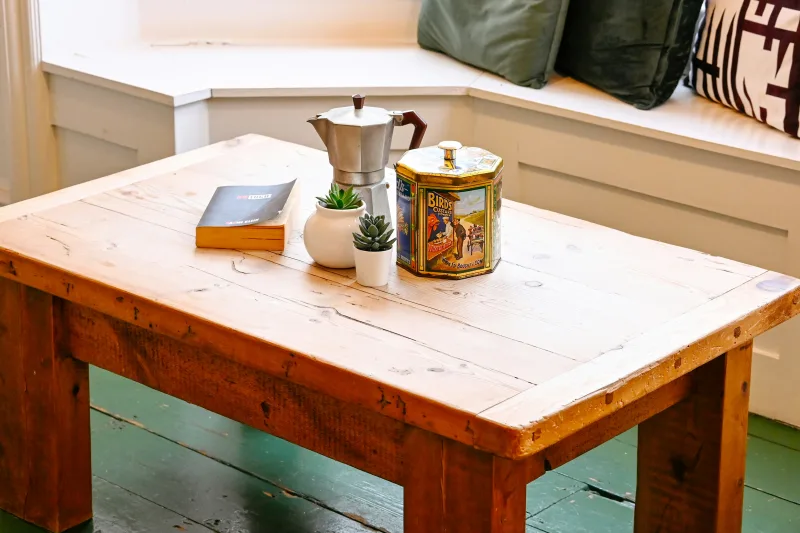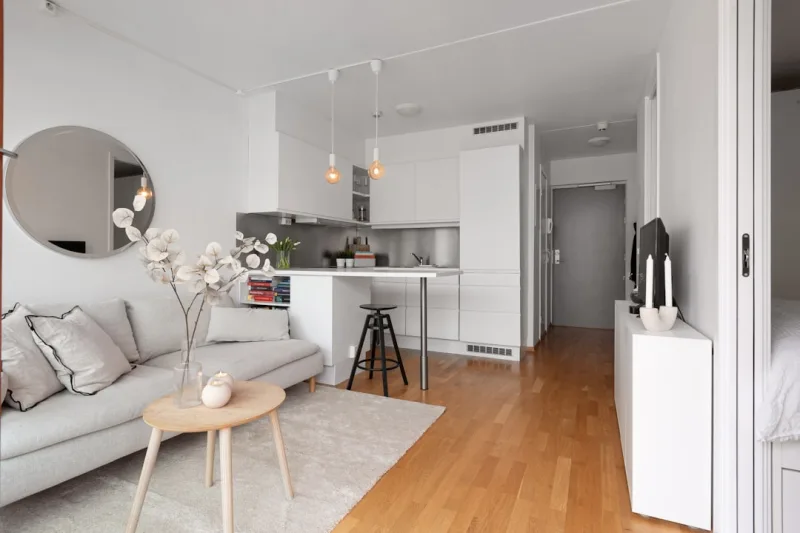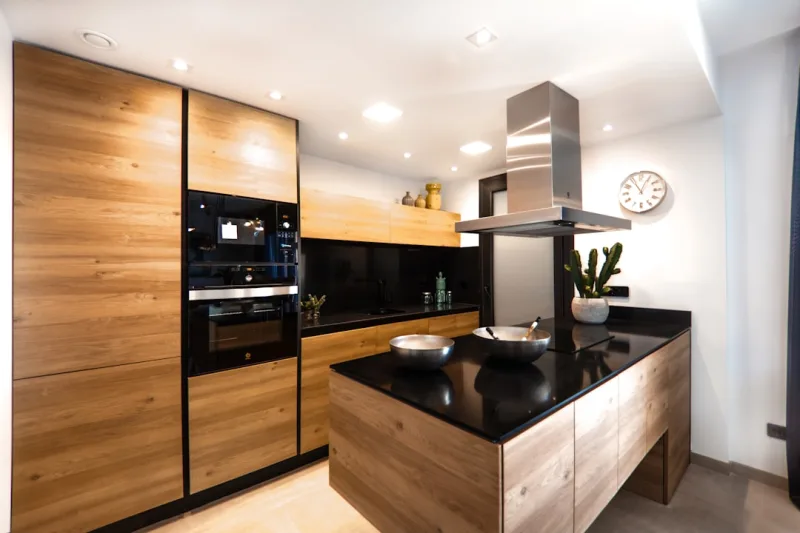
Quiet Luxury Kitchen Upgrade for Beginners: Your Guide to Understated Elegance
Look, I get it. You're scrolling through Instagram at 11 PM, looking at those gorgeous kitchen makeovers, and thinking "I could never pull that off." But here's the thing — quiet luxury isn't about massive renovations or spending your entire paycheck. It's about those intentional, sophisticated touches that make people say "wow, your kitchen feels *expensive*" without knowing why. And honestly? The best part is that beginners can absolutely nail this aesthetic.
The whole concept of quiet luxury is refreshingly simple: think muted tones, quality over quantity, and zero unnecessary flash. It's the kitchen equivalent of wearing a crisp white linen shirt instead of a branded graphic tee. You're not shouting about your style choices — you're confidently living in them. And when you break it down into manageable steps, transforming your kitchen into a quietly luxe space doesn't require you to be a seasoned DIYer or have a six-figure budget.
In this guide, we're walking through exactly how to upgrade your kitchen without losing your mind (or your savings account). We're talking hardware swaps, paint choices, organization solutions, and those sneaky little details that somehow make everything feel more refined. Let's do this.
What You'll Need
Before you grab your wallet, let's talk materials. The beauty of a quiet luxury kitchen is that you don't need everything at once. These are items you can source gradually, starting with what bothers you most about your current space.
- Matte black cabinet hardware — $40-80 (depending on quantity). Check The The Home Depot for their selection.
- Soft white or warm gray paint (for walls or cabinets) — $25-40 per gallon
- Stainless steel or matte appliances (if replacing) — $500-3000+ (investment piece)
- Open shelving materials or shelf brackets — $50-150 depending on depth and material
- Ceramic or marble canisters for counter storage — $30-80 for a set
- Linen tea towels and dishcloths — $20-50 for quality ones
- Wooden cutting boards and serving boards — $25-70
- Minimalist faucet (brushed gold or matte black) — $100-300
- Painter's tape and primer — $10-25
- Sandpaper (120 and 220 grit) — $8-15
- TSP (trisodium phosphate) degreaser — $8-12
- Soft natural lighting (pendant or under-cabinet LEDs) — $40-200
You don't need to buy everything at once. Start with the hardware and paint — that's where you'll see the biggest transformation for the smallest effort.
Step-by-Step Guide
Step 1: Deep Clean Your Cabinets (Yes, Really)
I know, cleaning sounds boring. But listen — quiet luxury starts with actually *clean* surfaces. Mix warm water with TSP degreaser and wipe down every cabinet door. This removes buildup and actually helps new paint stick better. Dry everything thoroughly. You'd be shocked at how much grimy cabinets drag down your entire space.
Step 2: Replace Cabinet Hardware
This is your easiest win, and honestly, it's kind of magical how much it transforms the kitchen. Remove all existing hardware using a screwdriver. If there are pre-drilled holes that don't match your new hardware, fill them with wood filler and let it dry (about 30 minutes). Sand smooth once dry, then install your new hardware — matte black or brushed gold are the quiet luxury sweet spots. This takes maybe two hours for an entire kitchen.
Step 3: Paint Cabinets or Walls (Choose One to Start)
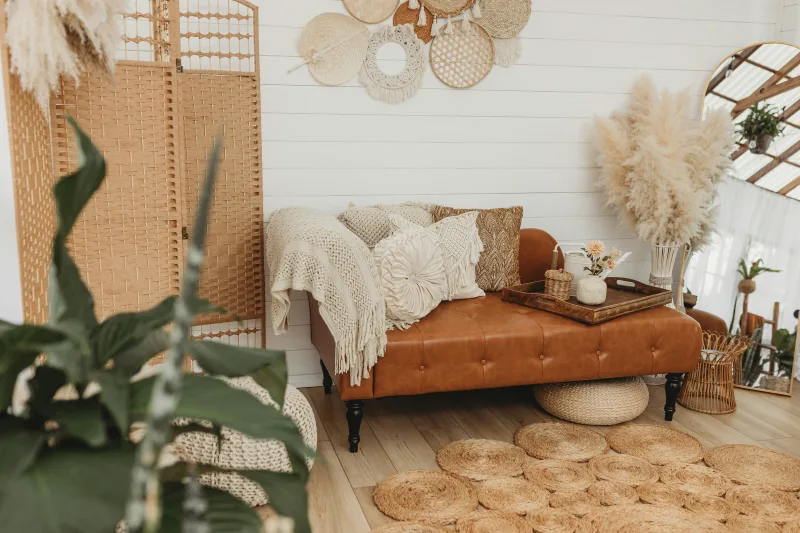 Budget Apartment Renovation: DIY Hacks That Actually Work
Here's the thing — you don't have to paint your entire cabinet situation. Many quiet luxury kitchens just refresh the walls. If you're going for cabinet paint, sand down your doors with 120-grit sandpaper first. Apply primer, then two coats of soft white, warm gray, or even a gentle sage green. Soft finishes feel luxury; bright whites feel institutional.
Paint your walls a complementary warm white, light gray, or taupe. Nothing is making more of a quiet luxury impact right now than Better Homes & Gardens & Gardens style neutral palettes. Check their color recommendations — they actually get it.
Step 4: Swap Your Lighting
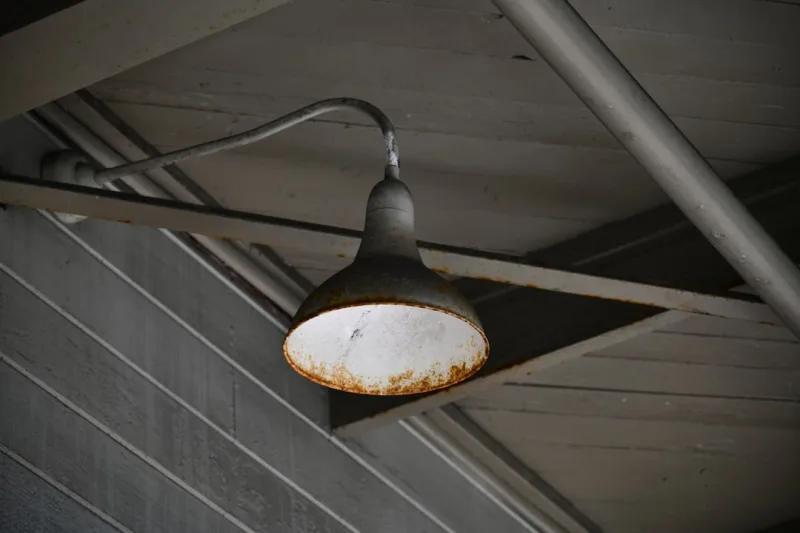
If you've got those fluorescent overhead lights, it's time to go. Install warm LED under-cabinet lighting or elegant pendant lights over an island. Warm light (2700K color temperature) is everything. The difference between harsh and warm lighting is honestly the difference between "needs work" and "I want to spend all day here."
Step 5: Style Your Counters Intentionally
This is where quiet luxury gets fun. Remove clutter. Keep only items you actually use daily — and make sure they're beautiful. A ceramic canister set for your pasta, a wooden board for bread, maybe a simple glass vase. The rule is: nothing on your counter unless it's either beautiful or functional (ideally both). This creates visual calm, which is basically the definition of luxury.
Step 6: Upgrade Your Faucet and Hardware Details
Your faucet is a statement piece whether you realize it or not. A brushed gold or matte black faucet with clean lines instantly elevates the whole vibe. The Home Depot has solid options in every price range — you're looking at luxury style even in the $150-200 range.
Step 7: Add Quality Textiles
Linen tea towels hanging on hooks, a soft runner rug, maybe some natural fiber placemats. These details sound small, but they're what actually make a kitchen feel warm and lived-in. Quality natural fabrics read as expensive because, well, they are.
Pro Tips
- Source one item at a time. Quiet luxury isn't rushed. Buy one piece, live with it, then add the next. This gives you time to really evaluate what your space needs and prevents impulse buys you'll regret.
- Embrace empty space. Your counters don't need to showcase your entire life. An empty counter next to a simple crock of utensils? That's chic. A counter covered in gadgets? That's the opposite of luxury.
- Invest in one thing. If you only have budget for one upgraded element, make it your appliances or faucet. These are your everyday touchpoints, and quality shows.
- Watch HGTV's "Design Team" and "Design Advice" segments. The hosts really nail that quiet luxury aesthetic without being over-the-top about it.
- Keep your color palette tight. Three colors maximum (like soft white, warm gray, and natural wood). Consistency is what makes spaces feel expensive.
- Don't skip under-cabinet lighting. It's relatively inexpensive and changes everything about how your kitchen photographs and actually feels at night.
Cost Breakdown
← Scroll to see full table →
| Item | Cost Range | Priority Level |
|---|---|---|
| Cabinet Hardware | $40-80 | High |
| Paint (walls and/or cabinets) | $25-80 | High |
| Lighting Upgrade | $40-200 | High |
| Faucet | $100-300 | Medium |