Quiet Luxury Kitchen Transformation for Modern Homes: Your Complete DIY Guide
There's something magical about stepping into a kitchen that feels like a luxury hotel mixed with your best friend's home. That's quiet luxury—the art of creating spaces that whisper elegance rather than shout it. If you've been scrolling Pinterest at midnight, saving images of beautiful kitchens with soft lighting and understated sophistication, you're not alone. I've been there too, dreaming of upgrading my kitchen without the overwhelm or breaking the bank. The good news? A quiet luxury kitchen transformation is absolutely within reach for modern homeowners like us. It's not about marble countertops or gold fixtures (though we can include those if you want). It's about intentional choices, quality materials, thoughtful design, and creating a space that makes you feel genuinely happy every single time you walk in. This transformation is about reclaiming your kitchen as a sanctuary—a place where family gathers, morning coffee tastes better, and entertaining feels effortless. Let me show you how to create that dream kitchen you've been pinning.

In this comprehensive guide, you'll discover exactly what quiet luxury design means and why it's perfect for modern homes. You'll learn how to plan your transformation step-by-step, what to prioritize based on your budget, and which specific products deliver the most impact. We're breaking down the cost, sharing real expert tips, and answering every question you probably have. Whether you're working with a $5,000 budget or $50,000, you'll find actionable ideas that actually work in real homes with real families. By the end, you'll have a complete roadmap for transforming your kitchen into the serene, sophisticated space you've been dreaming about.
Understanding Quiet Luxury Kitchen Transformation for Modern Homes
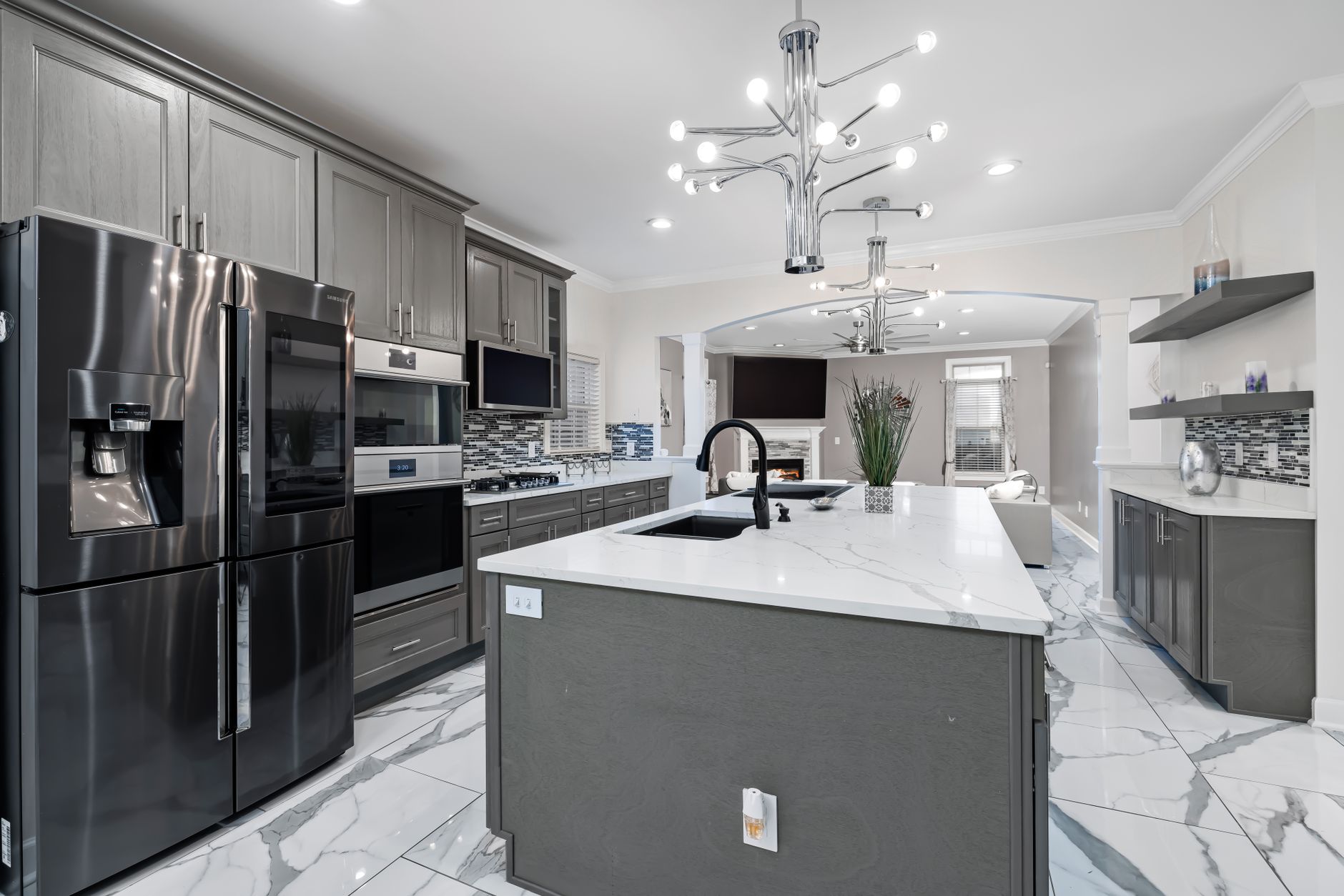
Quiet luxury is a design philosophy that's taken the interior design world by storm, and honestly, it's the perfect antidote to the maximalist trends we've been seeing everywhere. Unlike loud luxury that announces itself with statement pieces and bold colors, quiet luxury whispers sophistication through restraint, quality, and intentional simplicity. In the kitchen specifically, it means choosing materials that age beautifully, colors that feel timeless, and a layout that prioritizes functionality without sacrificing aesthetics.
What makes quiet luxury different is the focus on longevity over trends. You're choosing a white subway tile not because it's trendy, but because it's classic, easy to maintain, and will look beautiful in ten years. You're investing in solid wood cabinetry rather than fast-furniture options because you know it will last. You're selecting hardware that feels substantial in your hand, lighting that's beautiful and practical, and a color palette that feels calm rather than chaotic. It's about creating a kitchen that feels expensive without looking like you tried too hard.
For modern homes, this approach is absolutely essential. Contemporary architecture demands restraint and clean lines, and quiet luxury delivers exactly that. A modern home with loud, statement-making kitchen design creates visual chaos. But a quiet luxury kitchen—with its neutral tones, quality materials, and thoughtful details—creates the perfect harmony between form and function that modern design celebrates.
Common mistakes we see in quiet luxury kitchen transformations include over-accessorizing (quiet luxury means clear countertops and thoughtfully chosen items, not cluttered shelves), choosing trendy over timeless (that rose-gold hardware will feel dated in three years, but brushed stainless steel won't), and skimping on quality in places that matter most (your refrigerator, sink, and faucet are the workhorses—invest here, save on backsplash tiles). Another mistake is not considering workflow—a beautiful kitchen that's dysfunctional defeats the entire purpose. Finally, people sometimes confuse quiet luxury with boring or cold. It's not. It's warm, inviting, and absolutely livable.
Planning Guide for Quiet Luxury Kitchen Transformation for Modern Homes
Before you spend a single dollar, you need a plan. I'm not talking about a fancy design degree—just a realistic assessment of your kitchen, your goals, your budget, and your timeline. Take a week to really live in your current kitchen. Notice what works, what drives you crazy, where light comes in, how you actually use the space. Take photos from different angles. This isn't overthinking; this is the foundation of a successful transformation.
 Budget Apartment Renovation: DIY Hacks That Actually Work
Next, define your quiet luxury aesthetic. Do you want modern minimalist (sleek, simple, maybe some black accents)? Scandinavian-inspired (light woods, whites, lots of natural light)? Contemporary transitional (mixing old and new, warmth with clean lines)? Or something else entirely? Create a Pinterest board with images you genuinely love, not just aesthetically pleasing pictures. Look for kitchens that feel like real homes where real people eat and cook. Save product pages from IKEA, The The Home Depot, Amazon, and Target so you know what's available at different price points. This research phase is where your transformation actually begins.
Make a prioritization list. What bothers you most about your current kitchen? Is it the cabinets? The countertops? The lighting? The lack of storage? You can't do everything at once (unless your budget says you can), so identify the three things that would make the biggest impact on your daily life and happiness. For most people, that's cabinetry, countertops, and lighting. That's where you should focus your efforts and budget first. The backsplash, hardware, and accessories come after you've addressed the fundamentals.
Here's your planning checklist:
- ✓ Measure your kitchen (length, width, height, window placement, outlet locations)
- ✓ Take photos of current state from multiple angles
- ✓ Create a Pinterest board with quiet luxury inspiration images
- ✓ List your three biggest priorities for change
- ✓ Determine your realistic total budget and timeline
- ✓ Research contractors or decide what's DIY vs. professional
- ✓ Browse IKEA, The Home Depot, Amazon, Target, and Better Homes & Gardens and Gardens for product options
- ✓ Create a mood board with your chosen colors, materials, and style direction

Budget Breakdown
← Scroll to see full table →
| Under $50 | Price | Where to Buy |
|---|---|---|
| Cabinet hardware (12-pack) | $25-45 | Amazon, IKEA |
| Paint (1 quart cabinet paint) | $20-35 | The Home Depot |
| Recessed light bulbs (4-pack LED) | $15-30 | Target, Amazon |
| Decorative kitchen textiles | $10-40 | Target, Better Homes and Gardens |
| Paint roller and supplies | $20-40 | The Home Depot, Target |
← Scroll to see full table →
| $50-$200 | Price | Where to Buy |
|---|---|---|
| Faucet aerator or faucet spray head | $60-150 | The Home Depot, Amazon |
| Pendant light fixture | $50-180 | IKEA, Target, Better Homes and Gardens |
| Subway tile backsplash (100 sq ft) | $100-150 | The Home Depot, IKEA |
| Kitchen storage organizers (set) | $60-140 | Target, Amazon, The Home Depot |
| Open shelving brackets and wood (basic) | $75-190 | The Home Depot, IKEA |
← Scroll to see full table →
| $200+ | Price | Where to Buy |
|---|---|---|
| Quartz countertops (per linear foot installed) | $200-400 per sqft | The Home Depot, local countertop shops |
| Cabinet refacing (entire kitchen) | $1,500-$4,000 | The Home Depot, local contractors |
| New kitchen cabinet set (IKEA or similar) | $3,000-$8,000 | IKEA, The Home Depot |
| Professional lighting installation | $500-$1,500 | Local electricians, The Home Depot services |
| Stainless steel appliances (refrigerator) | $1,200-$3,000 | The Home Depot, Amazon |
Let's talk real money for a moment. A quiet luxury kitchen transformation doesn't require you to spend $50,000. In fact, some of the most beautiful transformations I've seen came from strategic, intentional spending rather than blank-check budgets. Here's how to think about your money: invest heavily in things you touch and see every single day. That's your cabinetry, countertops, and lighting. Spend moderately on items that create the aesthetic (backsplash, hardware, paint). Spend minimally on things that are easy to change later (accessories, small appliances, dish towels).
If you're working with a smaller budget—say $5,000 to $10,000—focus on painting