Quiet Luxury Garage Organization That Actually Looks Expensive
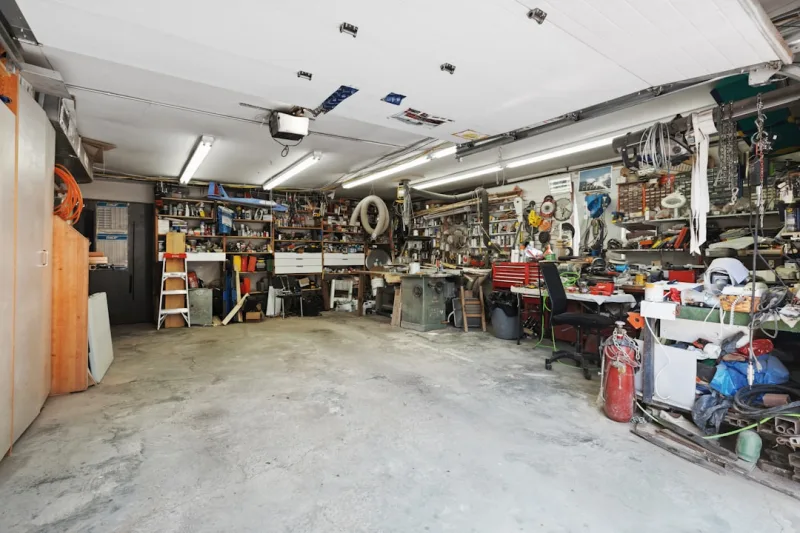
You know that feeling when you walk into someone's garage and it just looks... expensive? Not because there's a Ferrari parked inside, but because everything has its place. The walls are clean. The lighting is thoughtful. The storage systems are so seamlessly integrated you don't even think about them at first — you just feel the calm. That's quiet luxury, and honestly, it's the garage trend I've been seeing everywhere lately, from high-end design blogs to my neighbor's place after she hired a professional organizer.
Here's the thing — you don't actually need to drop $10,000 to achieve this look. Quiet luxury is less about price tags and more about intentionality, quality basics, and smart design choices. It's about creating a space that whispers sophistication instead of screaming it. Think neutral palettes, premium finishes, hidden storage, and systems that work so well you forget they're there.
I'm going to walk you through exactly how to transform your garage from "band-aids and cobwebs" into "I have my life together" — and we'll do it without breaking the bank. Whether you're starting from scratch or just refreshing what you've got, these quiet luxury principles will elevate your space in ways that surprise you.
What You'll Need
Before you dive in, gather these materials. Most of them are available at The The Home Depot, and some you might already have lying around:
- Premium wall paneling or shiplap ($2-4 per square foot) — Creates that clean, upscale backdrop
- Integrated LED lighting system ($150-400) — Overhead and under-cabinet strips from The Home Depot
- Powder-coated steel shelving ($300-800) — Sleek, durable, and looks legitimately expensive
- Matching storage boxes or bins ($100-300) — Neutral tones: whites, grays, warm blacks
- Wall-mounted pegboard or slat wall system ($200-500) — Modern organization meets aesthetic
- Epoxy floor coating or sealed concrete ($300-1,200) — Game changer for the overall feel
- Minimalist metal hooks and hardware ($50-150) — Matte black or brushed nickel finishes
- Paint in neutral tones ($40-80) — Benjamin Moore or Sherwin-Williams in soft grays, creams, or warm whites
- Wooden workbench or custom cabinet ($400-1,500) — Optional but totally elevates the space
Step-by-Step Guide
Step 1: Start With a Complete Purge
Seriously, don't skip this. You cannot organize clutter into looking expensive — you just end up with organized clutter. Pull everything out of your garage. And I mean everything. Sort into three piles: keep, donate, and trash. Be ruthless. That broken lawn mower from 2015? Gone. Those paint cans from your last house? Donate them. The boxes your appliances came in? Recycle unless you actually need them.
This step alone transforms the energy of the space. You'll be amazed at how much lighter and more intentional your garage feels with only things that matter.
Step 2: Plan Your Layout on Paper
Grab a measuring tape and sketch your garage layout. Measure wall lengths, note where outlets are, mark natural traffic flow. Where do you actually park? Where's the main entry? These aren't silly questions — they determine everything. Quiet luxury spaces are never cluttered because they're designed around actual usage patterns.
I like to create zones: a tool zone, a seasonal storage zone, a sports equipment area, maybe a small workshop if that's your thing. This creates visual rhythm and makes the space feel intentional rather than haphazard.
Step 3: Paint and Prepare Walls
Clean those walls first — honestly, you'd be shocked how much a simple power wash and paint job can do. Choose a neutral, slightly warm white or soft gray. I'm partial to Benjamin Moore's "Pale Oak" or Sherwin-Williams "Accessible Beige" — they photograph beautifully and feel effortlessly upscale. Avoid bright whites, which can feel cheap, and avoid dark colors unless you have excellent natural light.
If you want to go next-level, consider adding shiplap or modern wall paneling to at least one wall. It's become more affordable lately, and it genuinely makes the space feel curated and expensive. The Home Depot carries excellent options that don't require a pro installer.
Step 4: Install Strategic Lighting
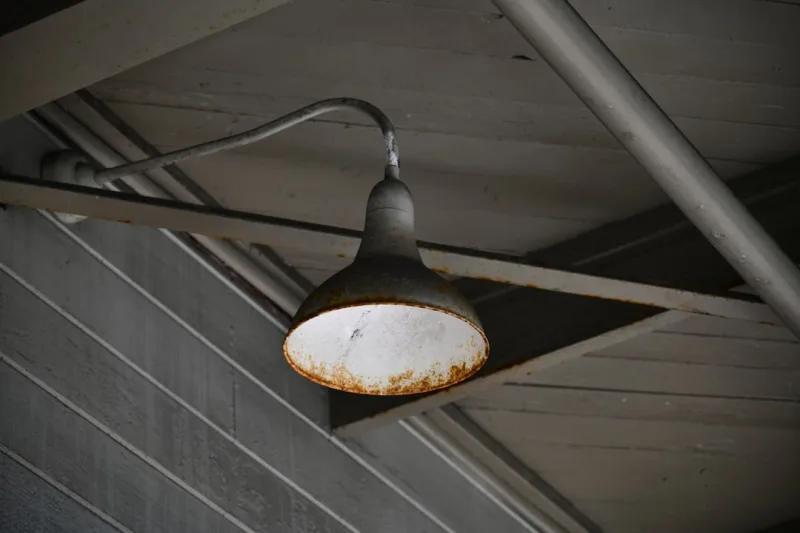
This is where quiet luxury really happens. Proper lighting changes everything — your mood, the way the space photographs, and how functional it actually is. Install overhead LED panels for general brightness, then add under-cabinet lighting or accent strips along your storage systems. Warm white LEDs (2700K) feel more luxurious than cool whites.
Smart lighting is nice too, but honestly, a simple switch-operated system is often more elegant. The goal is to light the space evenly without harsh shadows or glare.
Step 5: Install Your Storage Systems
 Budget Apartment Renovation: DIY Hacks That Actually Work
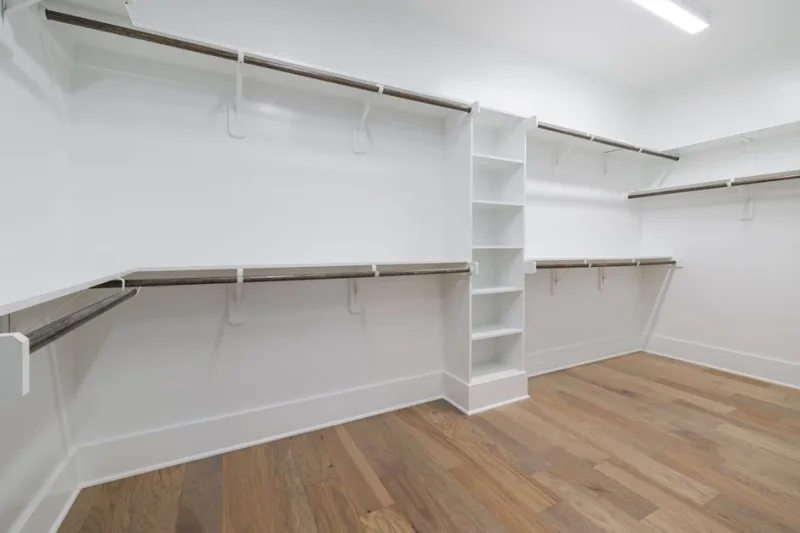
This is the meat of the project. I recommend powder-coated steel shelving — it looks premium and actually lasts forever. Mount it to studs securely, and keep spacing consistent. Uniform, level shelves automatically read as "expensive" because they show precision.
If you want the ultimate quiet luxury touch, invest in custom cabinetry or a built-in workbench. But if budget is tight, high-quality store-bought systems work beautifully when they're thoughtfully arranged. Better Homes & Gardens & Gardens often features garage organization systems that punch above their price point.
Step 6: Organize With Matching Containers
Here's where cohesion matters. Invest in matching storage containers — they don't need to be expensive, but they need to match. Clear boxes with labels, woven baskets in neutral tones, or sleek plastic bins all work. The uniformity is what screams "I have my life together."
Label everything. Not those ugly printed labels — use a nice label maker with a clean font, or even better, a white paint pen on matte containers. This isn't extra; it's part of the aesthetic.
Step 7: Add Finishing Touches
Mount a pegboard or slat wall system for tools — choose matte black or natural wood finishes. Hang a coat of quality epoxy or sealed concrete on your floor if your budget allows. It's pricey, but it's the fifth wall of your space and worth every penny.
Add a few really nice touches: a small area rug if you have a workbench, perhaps a sleek stool, maybe a single piece of artwork. Don't go overboard, but one or two thoughtful elements elevate the entire space from "functional" to "actually designed."
Pro Tips
Invest in quality hinges and hardware. Seriously. Cheap handles and hinges are where expensive-looking spaces fall apart. Spend a little extra on matte black or brushed nickel finishes — they're timeless.
Create negative space intentionally. Don't fill every inch. Empty wall space, gaps between shelves, open areas — these create the calm that defines quiet luxury. Fullness doesn't equal luxury.
Photograph your space in good light. Take before and afters in natural daylight or with your lighting system on. The photos will motivate you to finish and show you what's working.
Check HGTV and design blogs for inspiration. Search "luxury garage organization" or "quiet luxury workspace" — seeing how professionals handle these spaces will clarify your vision.
Don't rush the floor. If epoxy is out of budget, a quality concrete sealant ($200-400) does wonders. A clean floor is half the battle in making any space feel expensive.
Cost Breakdown
← Scroll to see full table →
| Item | Low Budget | Mid Budget | High Budget |
|---|---|---|---|
| Paint & Wall Prep | $100 | $200 | $500+ |
| Shelving System | $300 | $600 | $1,500+ |
| Lighting | $150 | $300 | $500+ |
| Storage Containers & Bins | $100 | $250 | $400+ |
| Floor Treatment | $200 | $600 | $1,500+ |
| Hardware & Accessories | $75 | $200 | $400+ |
| Total Estimate |