How to Create a Quiet Luxury Apartment Layout in a Small Space
You know that feeling when you walk into someone's tiny apartment and it just feels... expensive? Like they've got their act together in a way that screams sophistication without screaming loud? That's quiet luxury, and honestly, it's one of the most underrated design philosophies out there — especially when you're working with limited square footage.
The thing about quiet luxury is that it's not about cramming in statement pieces or going full maximalist. It's actually the opposite. It's about restraint, quality, and creating an apartment that feels intentional in every corner. Small spaces are actually the perfect canvas for this approach because every single item has to earn its place. No fluff, no filler — just thoughtfully curated elements that work together seamlessly.
I'm going to walk you through exactly how to nail this aesthetic in your compact apartment, from furniture arrangement to color choices to those little details that make people wonder if you secretly hired an interior designer. Spoiler: you didn't, but they won't be able to tell the difference.
What You'll Need
Before we dive into the layout itself, let's talk about what actually goes into creating this vibe. You don't need much — but what you do get matters.
- Quality neutral furniture pieces (invest in one good sofa: $800-2,500 from The The Home Depot or Article)
- Natural wood accent table or shelving ($150-600)
- Minimalist lighting fixtures (pendant lights, floor lamps: $75-400)
- Neutral paint or peel-and-stick wallpaper ($20-80)
- Area rug in natural fiber (jute, linen: $100-300)
- Quality linens and throws ($80-250)
- Floating shelves or wall-mounted storage ($50-200)
- Mirrors with minimal frames ($40-150)
- Potted plants and planters ($30-100)
- Drawer dividers and storage boxes ($20-60)
Step-by-Step Guide
Step 1: Assess Your Space and Choose Your Color Palette
Start here — and I mean really start here. Walk around your apartment at different times of day and notice the light. How does it change? Small spaces feel either cramped or expansive depending heavily on color, and here's the secret: quiet luxury almost always starts with neutrals.
Think warm whites, soft beiges, gentle grays, and natural wood tones. You're creating a backdrop that feels calm and intentional. If you're nervous about it being too boring — don't be. The luxury comes from the restraint and the quality of materials, not from a bold accent wall. Paint your walls first (I'm partial to Benjamin Moore or Sherwin-Williams), or if you're renting, peel-and-stick wallpaper from The Home Depot is genuinely your friend here.
Step 2: Zone Your Living Areas Without Physical Barriers
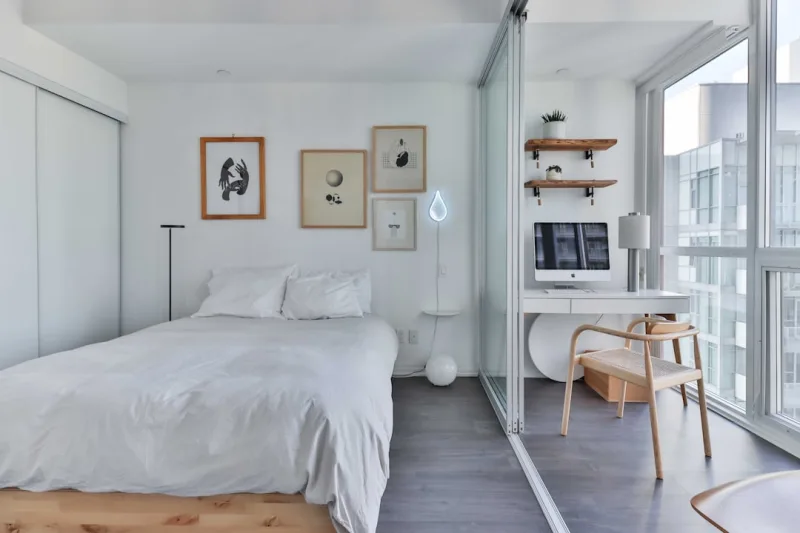
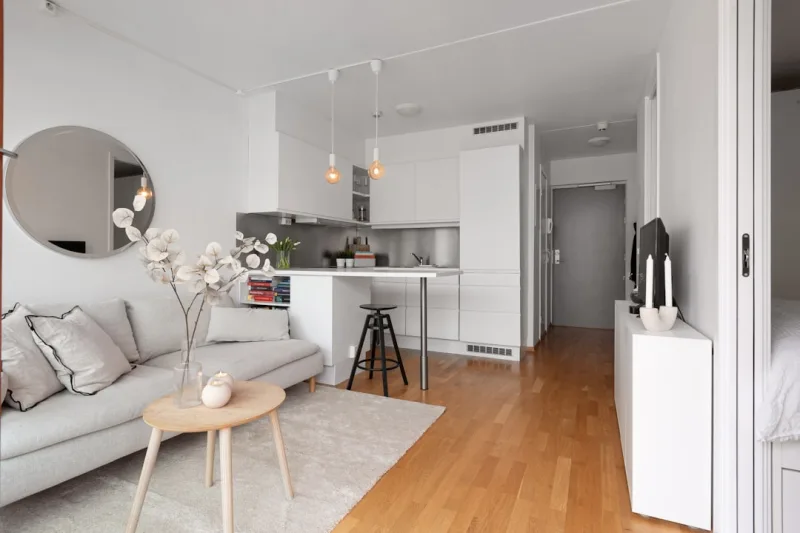
This is where small space design gets clever. You can't build walls, so you create invisible zones using furniture placement, rugs, and subtle level changes. Your living area, bedroom area (if you have a studio), and workspace should feel separate even though they're technically in the same room.
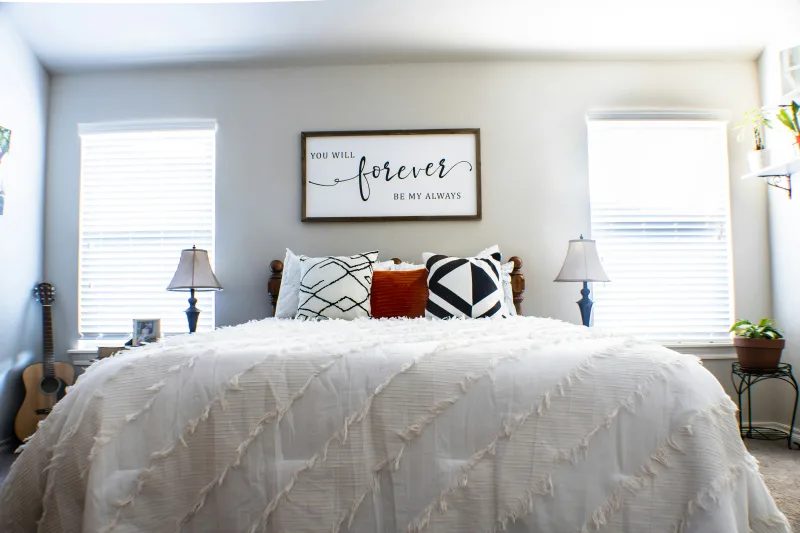
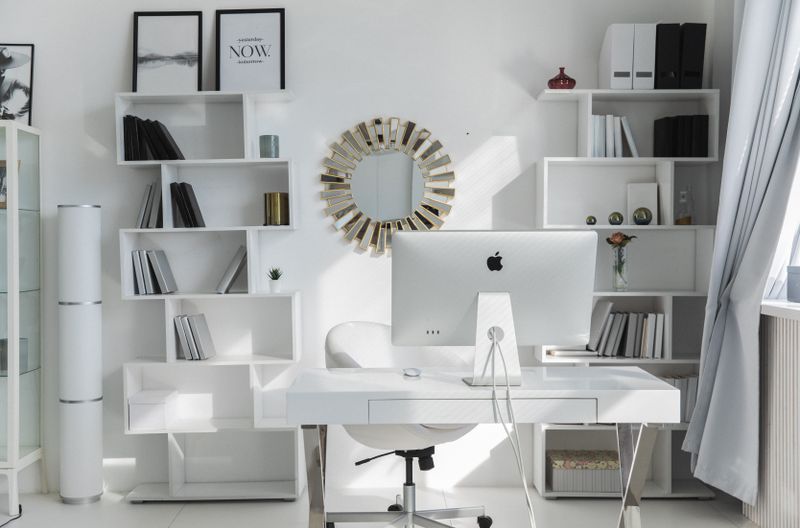
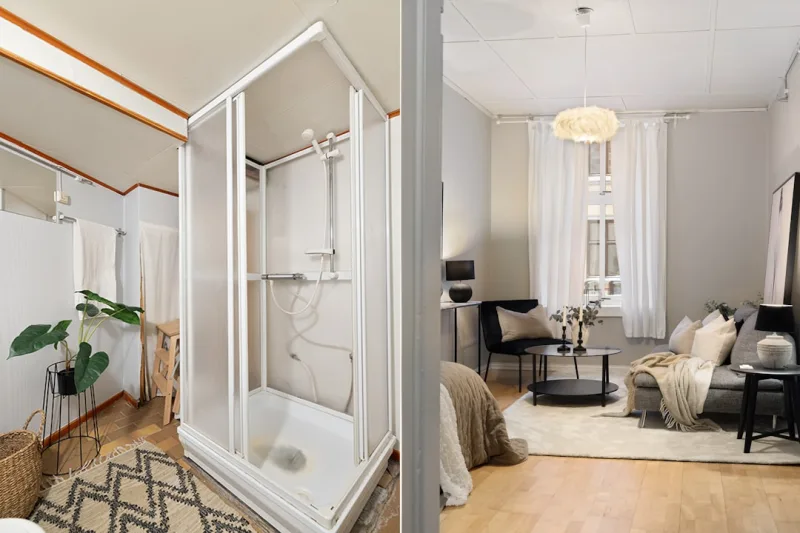
Use your area rug to anchor the living zone. Place your sofa to naturally face a window or focal point rather than a wall. Create a bedroom corner with a bed positioned to feel intentional rather than cramped — maybe angle it slightly or use a floating headboard. For workspace, a small floating desk against a window or wall works wonders. Each zone breathes separately but feels cohesive.
Step 3: Invest in One Statement Piece and Keep Everything Else Understated
Here's where you actually splurge. One good sofa. One beautiful dining table. One stunning mirror. Choose one item that's genuinely quality — something you could live with for years — and let everything else support it quietly.
Everything else should be supportive, not competitive. That means your side tables are simple, your lamps are elegant but minimal, your artwork is thoughtfully selected (not gallery-wall chaos). You're building a narrative, not a collection. Better Homes & Gardens & Gardens has some excellent guidance on this if you want to see how they style small apartments.
Step 4: Maximize Vertical Space with Smart Storage
Small spaces demand vertical thinking. Floor space is precious — wall space is your best friend. Install floating shelves above your sofa, along your entryway, or above a desk. These should hold a few beautiful things: a couple of books, a sculptural object, maybe a small plant. Not your entire book collection and seventeen decorative items.
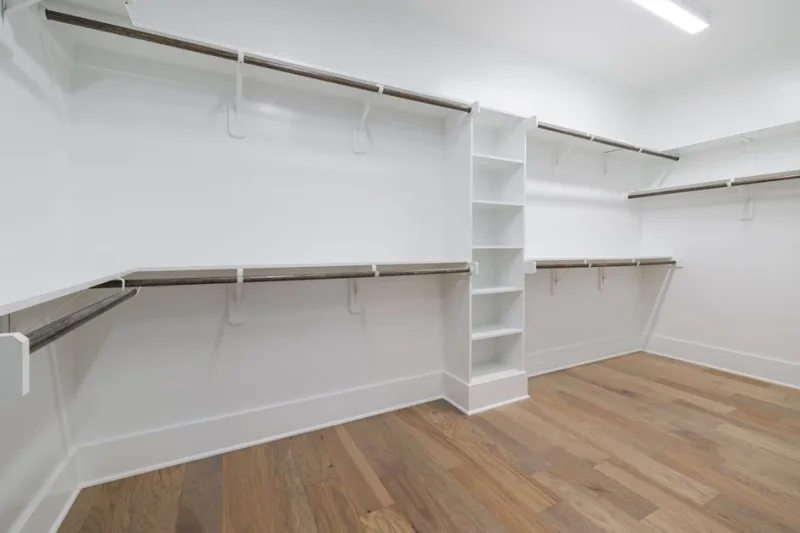
Use wall-mounted storage boxes or baskets in natural materials for hidden storage. This keeps clutter invisible while adding warmth and texture. Your closet needs organizational boxes and dividers — again, from The Home Depot — so everything has a home and nothing spills into your living space.
Step 5: Layer Lighting Intentionally
 94 DIY Home Decor Projects: Ideas for Every Budget
Overhead lighting in a small apartment is basically your enemy. It's harsh, it makes spaces feel cramped, and it screams institutional. Instead, layer your lighting. A good floor lamp in one corner. Pendant lights above a desk or bar area. Maybe a small table lamp on a nightstand. You want soft, adjustable light that you can modify based on your mood and the time of day.
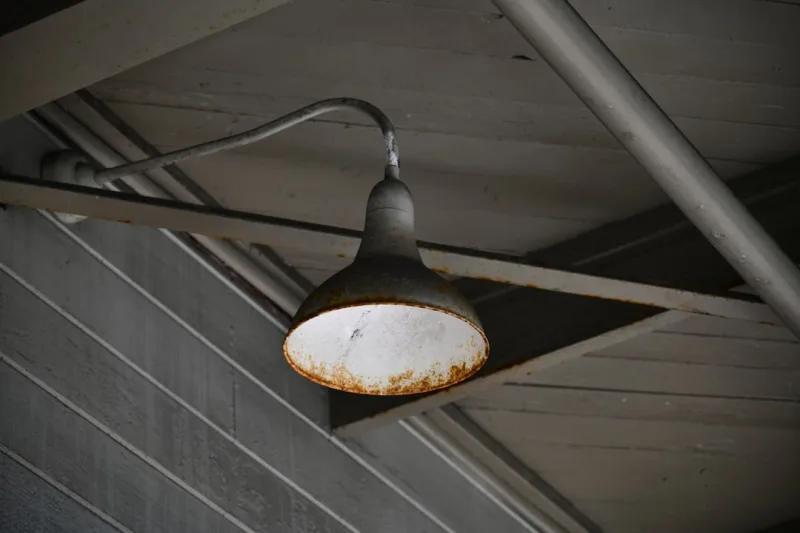
Choose fixtures in matte black, brushed gold, or natural wood — nothing shiny or reflective that makes the space feel smaller. HGTV has fantastic lighting guides if you want visual inspiration on how to do this without it looking like a design school project.
Step 6: Add Subtle Texture and Nature
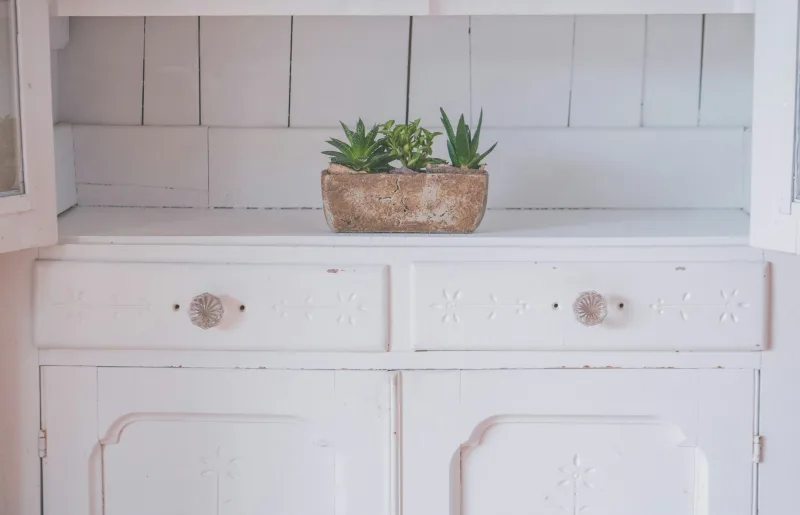
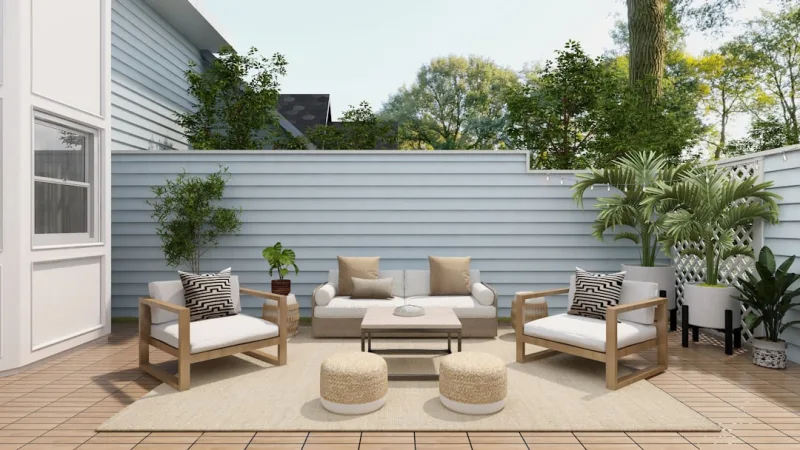
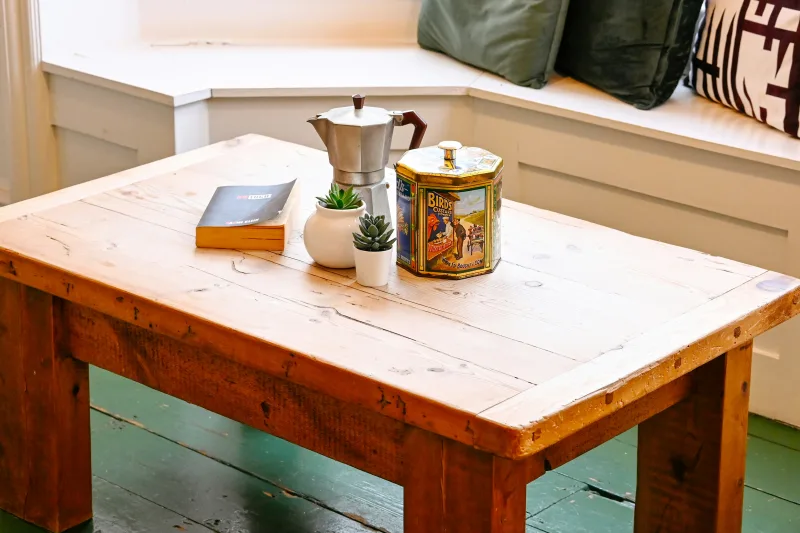
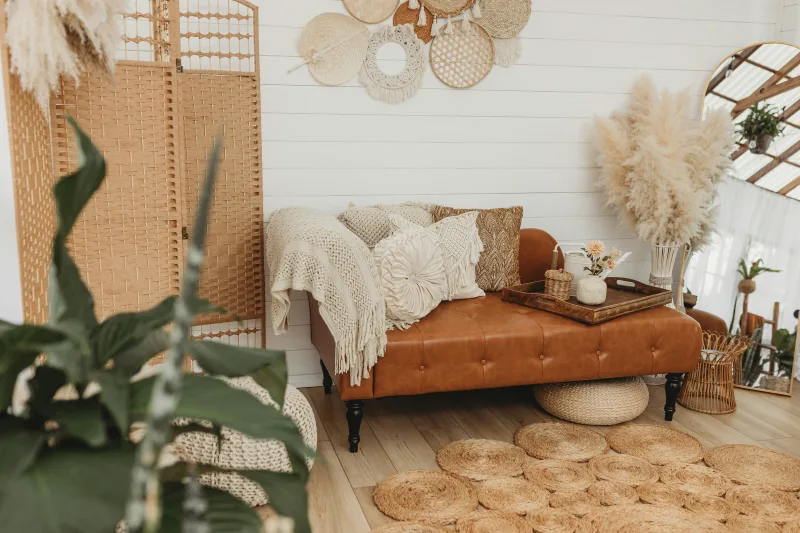
This is what separates quiet luxury from boring minimalism. A jute or linen rug. Linen curtains or a simple roman shade in off-white. A wooden side table with a natural finish. A ceramic planter with a green plant. These elements warm up a neutral space and make it feel intentional rather than sterile.
Keep plants strategic — maybe three to five throughout your apartment, depending on size. They add oxygen (literally), visual interest, and honestly? They make a space feel like someone actually lives there in a good way.
Pro Tips
Embrace negative space. I know it's tempting to fill every surface, but the most luxe apartments I've ever seen have plenty of empty wall and empty shelf space. It's actually more expensive-looking to be restrained.
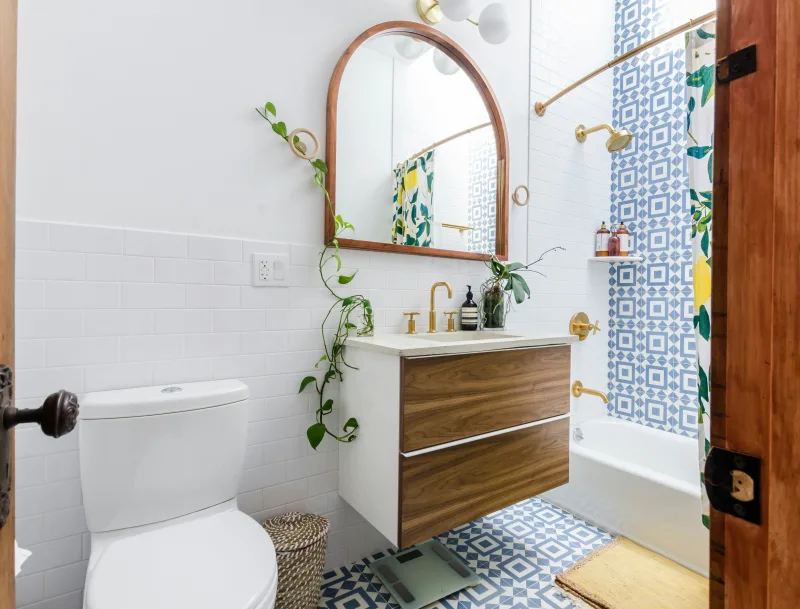
Use mirrors strategically. A large mirror opposite a window makes your apartment feel twice as big and twice as bright. Choose one with a thin frame or no frame at all.
Window treatments matter more than you think. Simple, floor-to-ceiling curtains in a neutral color elongate your space and add sophistication instantly. Avoid busy patterns.
Quality over quantity applies to everything. Two throw pillows in natural linen beat six throw pillows in synthetic fabric every single time. Spend your money on things you touch and see constantly.
Keep your entryway intentional. A simple console table (or even just a floating shelf), a mirror, maybe a small plant. Your entry sets the tone for the entire apartment.
Cost Breakdown
← Scroll to see full table →
| Item | Budget Range | Estimated Cost |
|---|---|---|
| Quality Sofa | Good-Excellent | $800-2,500 |
| Area Rug | Good-Excellent | $100-300 |
| Lighting Fixtures (3-4 pieces) | Good-Excellent | $300-800 |
| Paint or Wallpaper | Budget-Good | $20-80 |
| Floating Shelves & Hardware | Budget-Good | $100-250 |
| Storage Solutions | Budget-Good | $50-150 |
| Mirrors (1-2) | Good-Excellent | $80-300 |
| Plants & Planters | Budget-Good | $40-120 |
| Bedding & Throws | Good-Excellent | $100-300 |
| Accent Furniture (tables, desk) | Good-Excellent | $200-600 |
| TOTAL ESTIMATED COST | $1,890-5,500 |
FAQ
Q: Can I do quiet luxury if I'm renting and can't paint?
A: Absolutely. Peel-and-stick wallpaper has come a long way, and honestly, it looks incredible now. You can also use removable wallpaper from The Home Depot. A large area rug and strategically placed mirrors can transform a space even with generic white walls. The real magic is in furniture arrangement