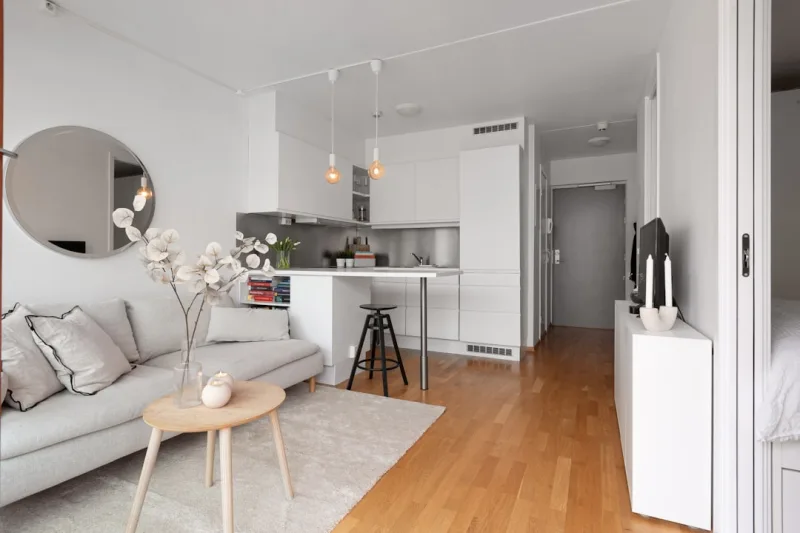
Quiet Luxury Apartment Makeover with Smart Home Gadgets: A Complete DIY Guide
There's something magical about walking into an apartment that feels like a sanctuary. That calm, peaceful atmosphere where everything just works seamlessly—where your lighting adjusts as the sun sets, your temperature stays perfectly comfortable, and your space looks like a high-end magazine spread without screaming for attention. This is quiet luxury, and it's more achievable than you think. Whether you're renting or own your place, creating a sophisticated, tech-enabled sanctuary doesn't require a massive budget or professional designer. It's about thoughtful choices, quality investments in the right places, and letting smart technology work invisibly in the background. In this guide, I'm sharing everything I've learned about transforming an ordinary apartment into an extraordinary quiet luxury haven that's also incredibly functional. You'll discover how to blend timeless design with modern innovation, creating a space that feels both warm and intelligent—a place where you actually want to be.

By the end of this article, you'll understand exactly what quiet luxury means, how to plan your makeover strategically, which smart home gadgets deliver real value, and how to blend them seamlessly into your décor. You'll have a step-by-step roadmap, a detailed budget breakdown, styling inspiration, and expert tips from interior design professionals. Whether you have $500 or $5,000 to spend, you'll learn how to maximize your investment and create a space that feels both luxurious and authentically you.
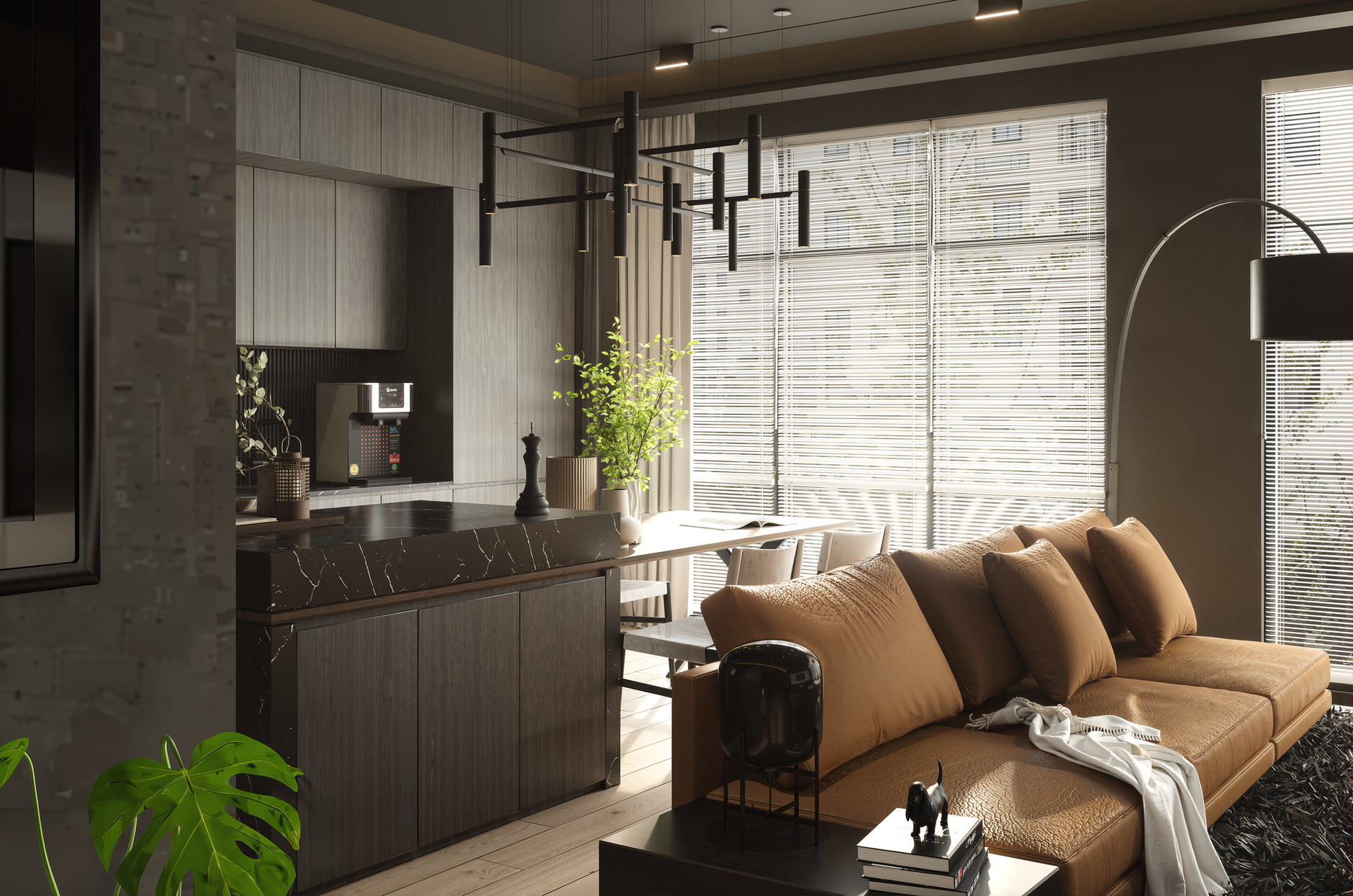
Understanding Quiet Luxury Apartment Makeover with Smart Home Gadgets
Quiet luxury is the antithesis of loud, statement-making design. It's an approach that whispers rather than shouts, focusing on quality over quantity, sophistication over flash. When you combine quiet luxury principles with smart home technology, you're creating something truly special: an apartment that's beautiful to look at AND intelligent enough to anticipate your needs.
So what does this actually mean? Quiet luxury means investing in pieces that last—natural materials, neutral color palettes, timeless silhouettes that won't feel dated in five years. It's about those small, intentional details that make a space feel curated: the perfectly placed throw blanket, the high-quality brass fixtures, the books arranged just so. It's choosing one stunning piece over a collection of mediocre ones.
When you layer in smart home gadgets, you're adding an invisible layer of sophistication. Voice-controlled lighting that adjusts color temperature throughout the day. A smart thermostat that learns your preferences and saves money. Automated blinds that open with the sunrise. These aren't gadgets you see or think about—they just work, making your life easier and your space more comfortable.
Why does this matter? Because we're all juggling so much. Work, relationships, self-care, keeping your space clean and organized. Smart home technology removes friction from daily life. You're not constantly adjusting thermostats or hunting for your remote. Your apartment becomes an extension of your intentions, supporting the life you want to live rather than demanding your attention.
Common mistakes people make include: overloading their space with too much technology that feels cold and sterile; choosing trendy smart gadgets that don't integrate well with their aesthetic; investing in expensive devices without a clear use case; and ignoring the foundational design work that makes an apartment feel luxurious in the first place. The best quiet luxury spaces don't scream "I have smart home tech"—they just feel naturally sophisticated and responsive to your needs.
Planning Guide for Quiet Luxury Apartment Makeover with Smart Home Gadgets
Before you buy anything, take time to plan. I know the urge to start shopping is real—I feel it too—but a solid plan means you'll make intentional purchases that work together rather than impulse buys that create clutter. Start by assessing your current space. Walk through each room and notice what's working and what's frustrating you. Is your bedroom too warm? Does your entryway feel chaotic? Do you find yourself constantly adjusting lighting? These pain points are where smart home solutions will add the most value.
Next, establish your style. Are you drawn to minimalist Scandinavian design? Warm maximalism with natural materials? Contemporary simplicity? Modern farmhouse comfort? Your aesthetic will guide every decision, from paint colors to which smart gadgets you choose. Spend time on Pinterest creating boards of spaces that make you feel something. Look for common threads—color palettes, material choices, lighting styles. This visual reference library becomes your north star.
Then, identify your tech priorities. Not every apartment needs smart everything. Focus on the systems that will genuinely improve your daily life. For most people, these are: lighting (controls mood and energy), temperature (comfort and savings), security (peace of mind), and entertainment (convenience). Start with these, then add others if they align with your lifestyle.
Create a timeline. Are you doing this makeover in one weekend or spreading it across several months? This affects your approach. A quick refresh might focus on décor and smaller gadgets, while a longer project allows for smart lighting installation and other more involved updates. Finally, set a realistic budget and commit to it. Smart home gadgets can escalate quickly, so knowing your spending limits prevents buyer's remorse.
Pre-Makeover Planning Checklist
- □ Room-by-room assessment: List current frustrations and opportunities in each space
- □ Style inspiration board: Collect 30-50 images that speak to your aesthetic
- □ Color palette selection: Choose 2-3 main colors plus accents that feel luxurious and cohesive
- □ Smart home priority ranking: List gadgets in order of importance and impact on your life
- □ Compatibility research: Ensure smart devices work with your existing ecosystem (Apple, Google, Amazon)
- □ Wi-Fi assessment: Check your internet speed and coverage—most smart devices need strong, reliable Wi-Fi
- □ Budget allocation: Divide your total budget across furniture, décor, lighting, smart tech, and unexpected costs
- □ Timeline creation: Set specific dates for different phases (planning, shopping, installation, styling)
Budget Breakdown
← Scroll to see full table →
| Price Range | Items | Estimated Cost |
|---|---|---|
| Under $50 | Smart LED bulbs, throw pillows, wall art, decorative baskets, ceramic vases, throw blankets, desk organizers, plant pots | $15-$45 |
| $50-$200 | Smart speaker, smart plug kit, decorative mirror, floor lamp, table lamp, curtain rods, bedding set, ottoman, wall shelving system | $60-$180 |
| $200+ | Smart thermostat, smart door lock, premium area rugs, upholstered furniture, smart lighting system, video doorbell, motorized blinds, air purifier | $220-$800 |
Now, let's talk real money. Creating a quiet luxury apartment doesn't require unlimited funds—it requires smart allocation. I recommend dividing your budget roughly like this: 40% toward foundational elements (furniture, flooring, wall treatments), 30% toward décor and styling, and 30% toward smart home technology.
If you have $1,500 to spend, allocate $600 to furniture and basics, $450 to décor, and $450 to smart tech. This ensures your space looks beautiful AND functions intelligently. If your budget is tighter, focus first on the visible elements that create the quiet luxury aesthetic—paint, one statement piece of furniture, quality textiles—then add smart gadgets gradually as your budget allows.
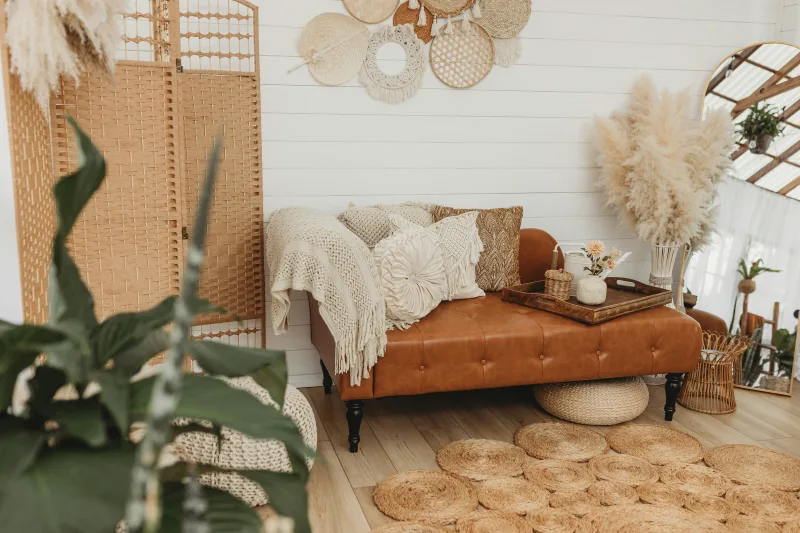 94 DIY Home Decor Projects: Ideas for Every Budget
The beautiful part? Smart home technology scales with your budget. You don't need to buy everything at once. Start with smart lighting and a speaker, add a smart thermostat when you can, and expand from there. Better yet, many smart devices from Amazon, The The Home Depot, and Target are surprisingly affordable. A quality smart bulb costs $15-30, smart plugs run $20-40, and smart speakers start around $40. You can create a functional smart home ecosystem for under $300.
Pro money tip: Invest in quality where it shows and where it matters. A $200 area rug matters more than an expensive gadget. Good lighting matters more than fancy technology. Don't cheap out on mattresses, pillows, or seating—you spend so much time on and with these items. Splurge on smart tech that you'll actually use daily.
Step-by-Step Guide
Step 1: Establish Your Foundation
Start with the bones of your space. This might mean painting walls a neutral, sophisticated color like warm greige, soft white, or subtle taupe. These colors feel luxurious and timeless while allowing your décor and lighting to shine. If you're renting and can't paint, focus on what you can control: rearranging furniture for better flow, adding large mirrors to enhance light, and using textiles to define spaces. This foundational work takes a few days but transforms how everything else feels.
Step 2: Invest in Key Furniture Pieces
Rather than filling your apartment with lots of affordable pieces, choose fewer, higher-quality items. Look for one gorgeous sofa that makes you happy (it doesn't have to be expensive—IKEA has surprisingly beautiful options), a well-made bed frame, and perhaps a statement chair or bench. These anchor your space and immediately elevate the feeling. Quality furniture from The Home Depot, IKEA, and even Target's Threshold line offers that quiet luxury aesthetic without breaking the bank.
Step 3: Upgrade Your Lighting
Lighting is the fastest way to add luxury. Install smart LED bulbs in key fixtures first—your main living area, bedroom, and entryway. Choose warm white bulbs (around 2700K) for a cozy feel. Smart bulbs let you dim lights, adjust color temperature, and create scenes (like "movie night" or "morning energy") from your phone. Add a statement lamp or two—a beautiful floor lamp in your reading nook, for instance. This might be the single most impactful upgrade you make.
Step 4: Implement Smart Home Basics
Install a smart speaker (Amazon Echo or Google Home, depending on your preference) in your main living area. Add smart plugs to control other devices and lamps. Set up a smart thermostat if you own your apartment or have landlord approval. These three elements create the backbone of your smart home ecosystem. Start simple—don't overwhelm yourself with automation. Get comfortable with basic voice control and scheduling before adding complexity.
Step 5: Layer in Textiles and Textures
Quiet luxury loves natural textures. Add a high-quality area rug (or multiple smaller ones), linen curtains, plush throw pillows in neutral tones, and a chunky knit blanket. These elements add warmth, define spaces, and make your apartment feel intentional rather than sparse. Stick to a cohesive color palette—think warm whites, soft grays, warm blacks, and natural wood tones with occasional jewel-tone accents. Better Homes & Gardens and Gardens has beautiful textile options that deliver luxury without the price tag.
Step 6: Curate Décor Strategically
This is where quiet luxury really shows. Rather than decorating every surface, create vignettes. Style one shelf beautifully with a few books, a small plant, and a candle. Keep nightstands relatively bare except for a lamp and one special object. Hang art intentionally—one large piece often looks more luxurious than a gallery wall. Choose beautiful objects you genuinely love, not just things that look good. Your apartment should reflect who you are, not who you think you should be.
Step 7: Add the Final Smart Home Touches
Once your space feels beautiful and foundational smart systems are in place, add tech that enhances specific needs. Smart blinds for bedroom darkness and privacy, a smart door lock for convenience and security, a robot vacuum to keep floors effortless, a smart air purifier for health-conscious living. These aren't necessities, but they're the touches that make daily life feel genuinely easier. Take your time with this phase—build only what you'll actually use.
Best Styles and Products
Quiet luxury comes in many flavors. The key is choosing a style that resonates with you and then committing to it thoughtfully. Here are the styles that work beautifully with smart home integration:
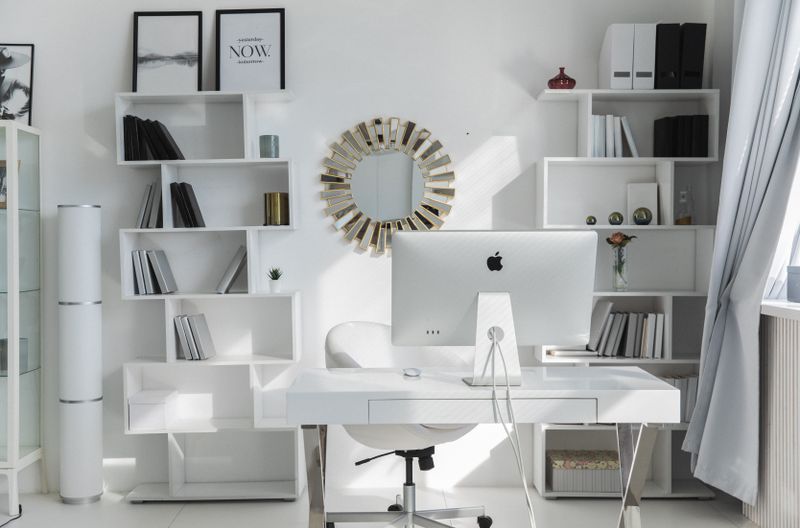
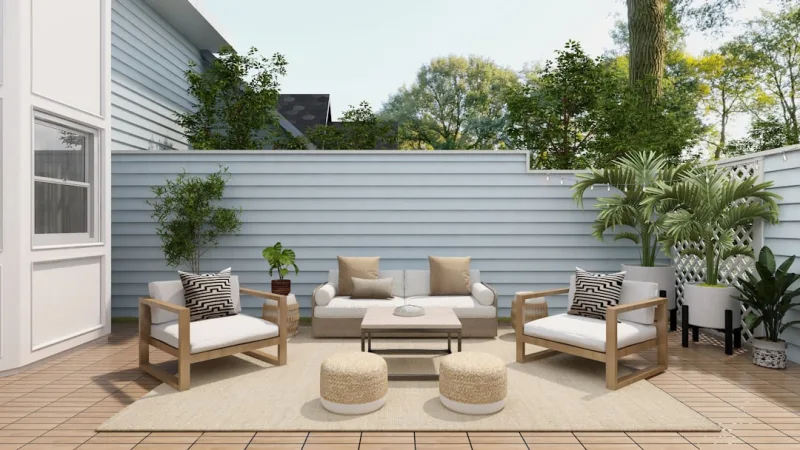
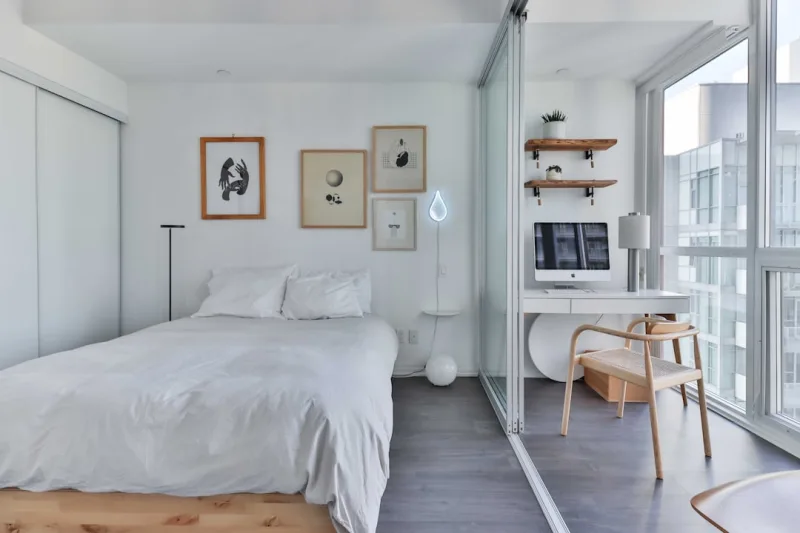
Modern Minimalist: Clean lines, neutral colors, minimal objects, maximum function. This style naturally complements smart home technology—everything has a purpose, nothing is decorative clutter. Think light-filled spaces, white walls, pale wood furniture, and strategically placed black accents. Smart tech here feels organic because it reduces the need for physical controls and remotes.
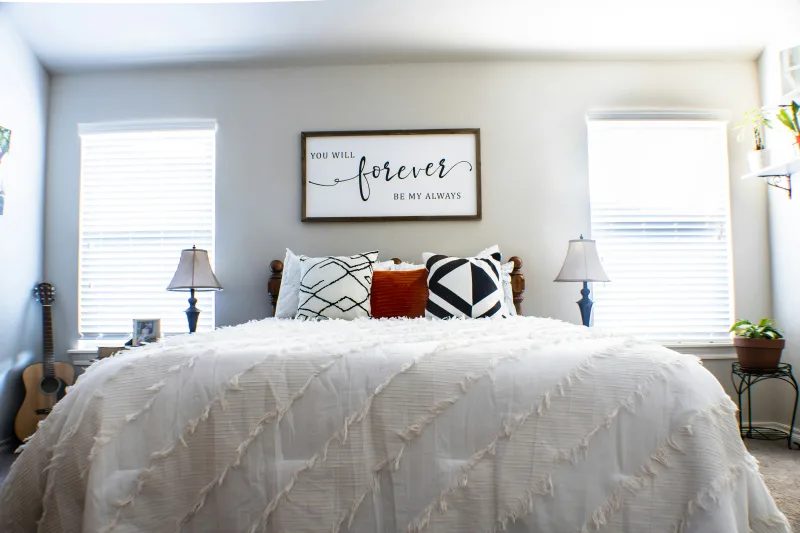
Warm Contemporary: Similar to minimalist but with more warmth through textiles, wood tones, and subtle colors. Think cream, warm gray, natural wood, and layered lighting. This is the sweet spot for many women—sophisticated but not cold, clean but not sterile. Smart gadgets here work seamlessly into the background, supporting the warm, organized aesthetic.
Soft Maximalism: More objects and colors, but all curated and cohesive. Think warm taupes, soft greens, varied textures, and meaningful décor. Smart home tech prevents this style from feeling chaotic by automating the practical stuff, leaving your creativity to shine through in styling.
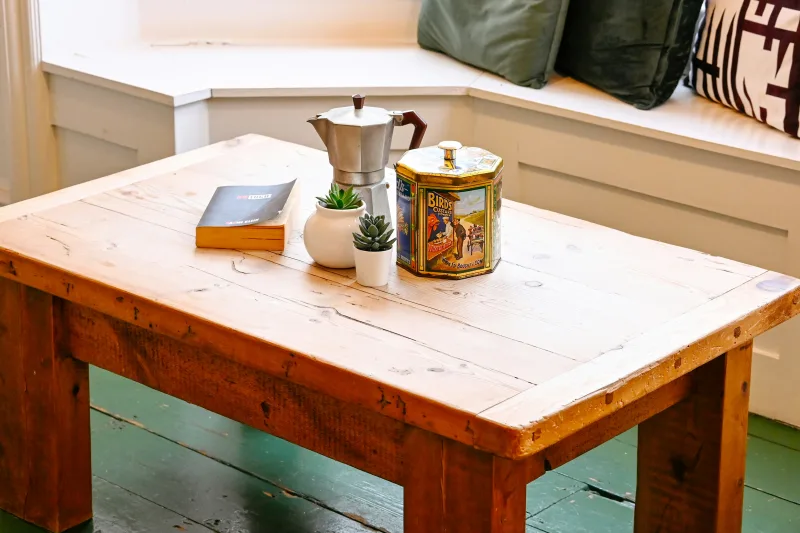
Modern Farmhouse: Neutral foundation with organic textures, vintage-inspired pieces, and natural materials. Wood, linen, wrought iron, and natural light. Smart tech here feels like