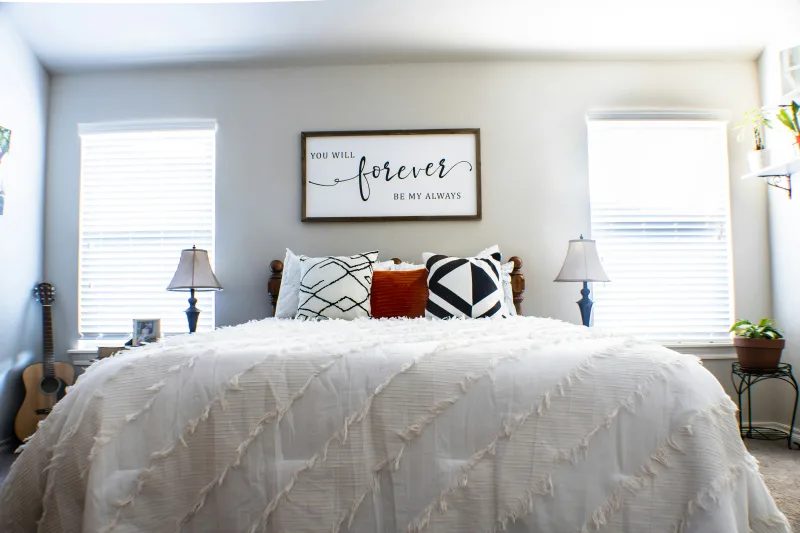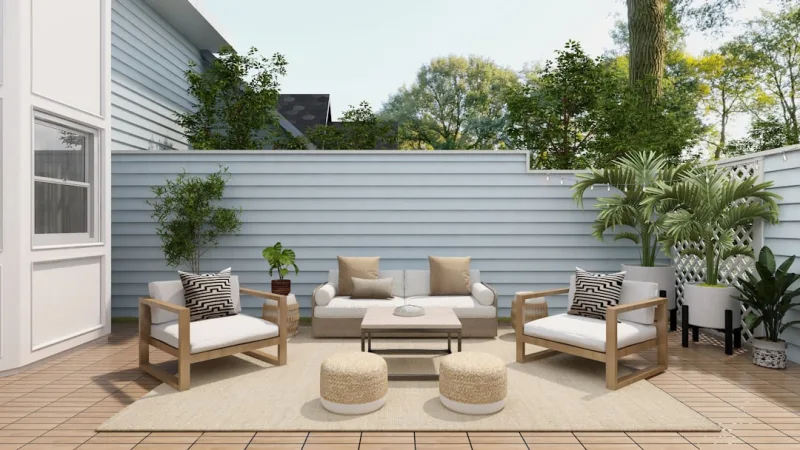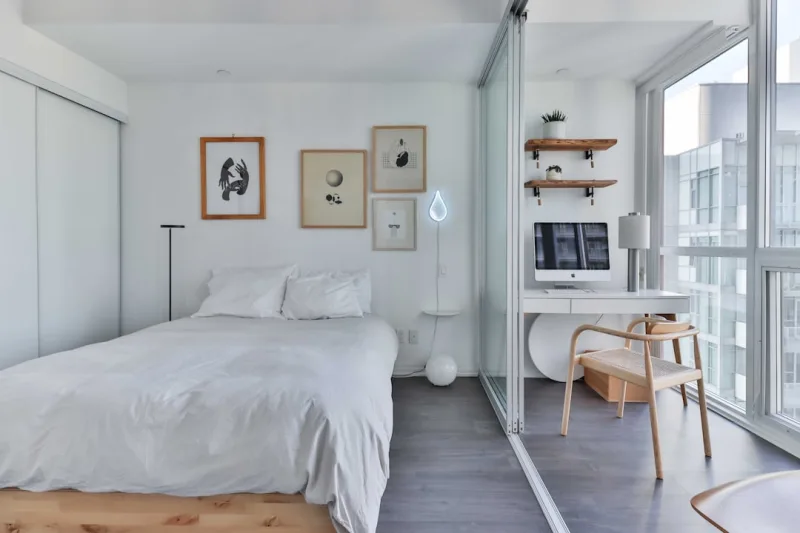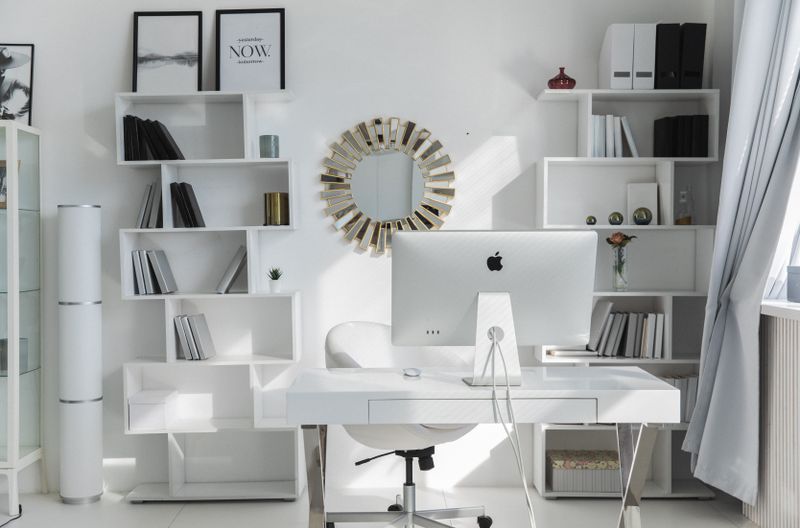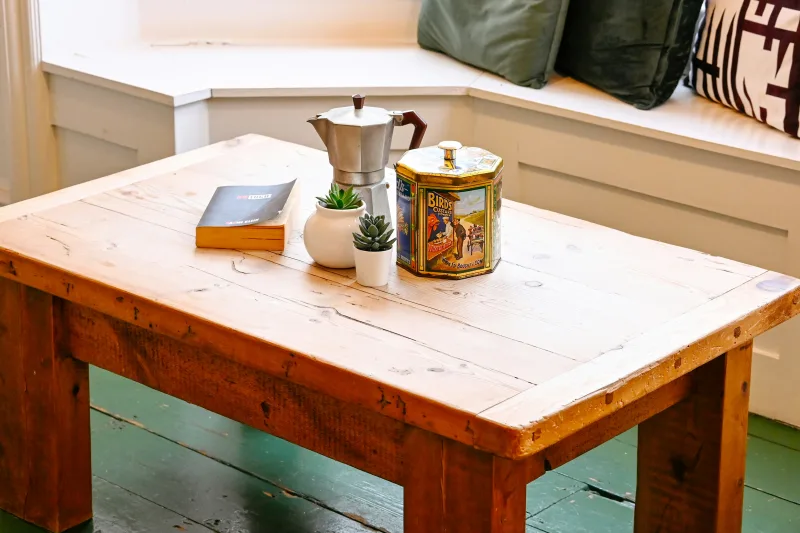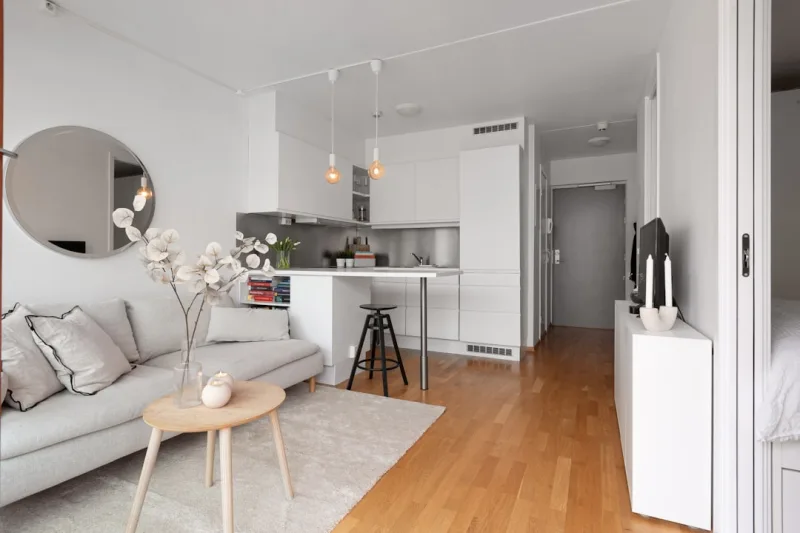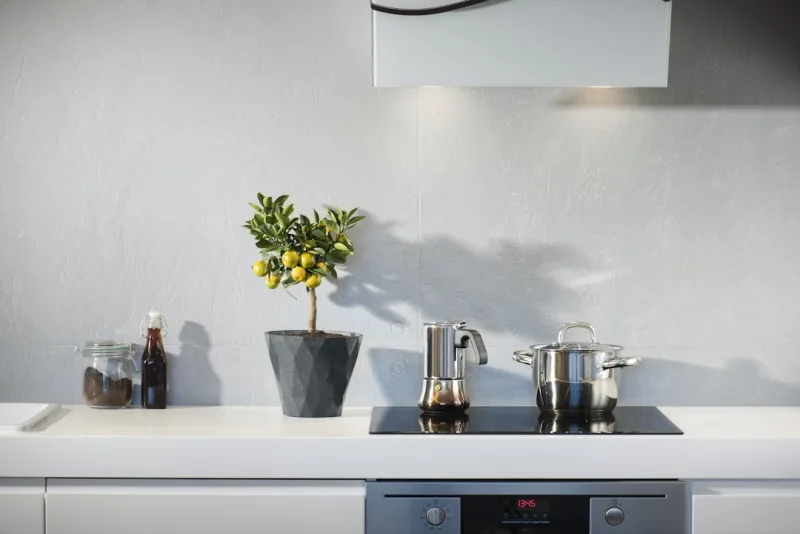
Look, I'm going to be honest with you — Scandinavian design has completely taken over the kitchen world, and for good reason. There's something about that minimalist aesthetic mixed with cozy functionality that just works. It's not cold or sterile like some minimalist spaces can feel. Instead, you get this beautiful balance of simplicity and warmth that makes you actually want to spend time cooking (and let's face it, eating) in your kitchen.
Here's the thing about Scandinavian kitchens: they're not about expensive designer fixtures or complicated renovations. They're about smart choices, natural materials, and intentional spacing. Whether you're doing a full remodel or just refreshing what you've got, this style is totally achievable. I've seen people transform their kitchens without breaking the bank by focusing on the principles that make Scandinavian design so special.
If you're sitting there thinking "this sounds perfect for me," then you're in the right place. We're going to walk through exactly how to bring that clean, light, Nordic feel into your kitchen — and I promise it doesn't require hiring a professional designer or spending your entire renovation budget.
What You'll Need
Before we dive into the actual transformation, let me break down what materials and pieces you'll actually need. The beauty of Scandinavian design is that you can mix new purchases with what you already have, so don't panic if this list feels long.
- White or Off-White Paint (walls and cabinets) — $30-60 per gallon from The The Home Depot
- Natural Wood Open Shelving (birch or pine) — $150-400 per shelf depending on size
- Stainless Steel Hardware (cabinet knobs and pulls) — $40-100 for a set of 10-12
- Matte Black Fixtures and Faucet — $200-500 for quality options
- Marble or Light Quartz Countertops (or contact paper for budget option) — $1,500-4,000 installed, or $20-40 for contact paper
- Minimalist Light Fixtures (pendant lights or track lighting) — $100-300 each
- Natural Fiber Rug (jute or linen) — $100-300
- Wooden Cutting Boards and Utensils — $50-150 total
- White Ceramic Dishware and Bowls — $80-200 for a basic set
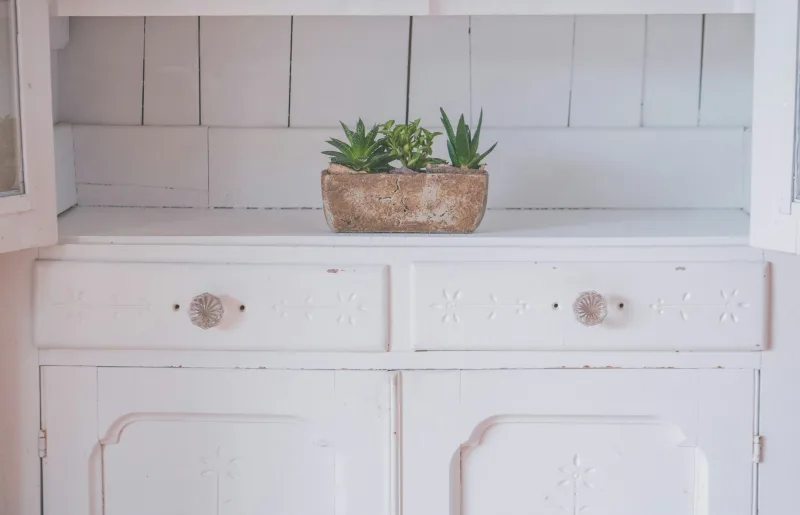
- Potted Herbs or Small Green Plants — $30-60
- Storage Baskets (woven, for under-counter organization) — $60-150
- Paint Brushes, Rollers, and Prep Materials — $40-80
Step-by-Step Guide
Step 1: Declutter and Assess Your Current Space
This is the most important step, honestly. Before you buy a single thing, walk through your kitchen with a critical eye. Pull out everything from your cabinets and ask yourself: do I actually use this? Does it belong here? Scandinavian design is all about having what you need and nothing more — it's not about owning less stuff you don't like, it's about owning what genuinely serves you.
Take photos of your kitchen from different angles. This helps you visualize changes and gives you a baseline to compare once you're done. Trust me, you'll want to see that before-and-after.
Step 2: Paint Your Cabinets and Walls
This is where the magic starts. You've got two options here: repaint your existing cabinets or replace them entirely. If your cabinets are solid wood in decent condition, painting them white or soft gray is genuinely transformative and costs way less than replacement.
Use a high-quality cabinet paint (not regular wall paint) — it'll last longer and look more professional. Apply two coats with a brush or roller, and don't skip the primer. While your cabinets dry, paint your walls in a soft white or barely-off-white. You want brightness without that clinical feeling.
The whole process takes a weekend if you're going slow, or you can spread it over a few evenings. Better Homes & Gardens & Gardens has some solid tutorials on cabinet painting if you want visual guidance.
Step 3: Install or Refresh Hardware
Once your cabinets are dry, swap out old knobs and pulls for simple stainless steel or brushed metal options. This is surprisingly impactful — it's like giving your kitchen a little bit of polish without much effort. Use a drill with a bit that matches your existing holes, or if you need new holes, mark them lightly with a pencil first.
Step 4: Add Open Shelving
Here's where you introduce that airy, Scandinavian feel. Install one or two open shelves (usually 24-36 inches wide works perfectly) using floating shelf brackets. Use natural wood like birch or light pine. These shelves aren't for storing every kitchen item — they're for displaying beautiful things you actually use regularly. Think wooden cutting boards, white bowls, fresh herbs in simple pots.
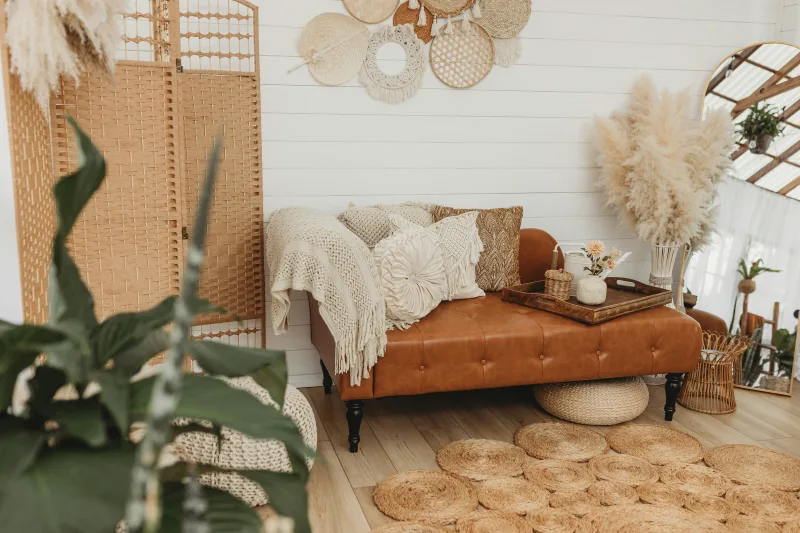 Budget Apartment Renovation: DIY Hacks That Actually Work
Make sure your wall studs are properly located before installation. Use a stud finder (about $15-25 if you don't have one) and heavy-duty brackets rated for at least 25-30 pounds per shelf.
Step 5: Update Your Lighting
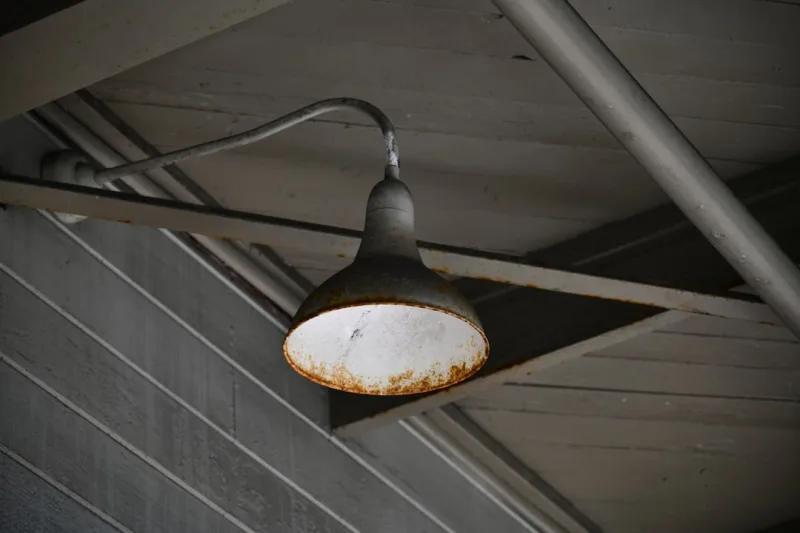
Scandinavian kitchens rely heavily on natural light, but you also need functional task lighting. Install pendant lights above your island or sink area — simple designs with clean lines work best. Matte black or brushed metal finishes are incredibly popular right now and pair beautifully with white cabinetry.
If you're not comfortable with electrical work, this is honestly worth calling a professional for. Safety first, always.
Step 6: Address Your Countertops
Ideally, you're going for marble or light quartz. But real talk — if that's not in your budget, high-quality laminate or even contact paper designed to look like marble can work temporarily. The lighter the surface, the more Scandinavian it feels. Avoid dark countertops or busy patterns.
Step 7: Style with Purpose
Once everything is in place, add your finishing touches. A natural fiber rug in front of the sink adds warmth underfoot. Simple white or cream dishware on your open shelves keeps things cohesive. A couple of potted herbs on the windowsill — basil, mint, whatever you cook with — adds life and function.
The key here is restraint. You want your kitchen to feel calm and organized, not cluttered. Everything visible should either be beautiful or functional (or ideally, both).
Pro Tips
Think About Negative Space: Scandinavian design thrives when there's breathing room. Don't fill every shelf, don't hang stuff on every wall. Let your kitchen breathe. It'll feel bigger and more peaceful.
Mix Old and New: You don't need to replace everything. Keep furniture or fixtures that align with the aesthetic and swap out what doesn't. This approach is way more sustainable and budget-friendly.
Lighting is Everything: Seriously. Good lighting makes or breaks a Scandinavian kitchen. Layer your light with overhead fixtures, task lighting, and natural light. Avoid anything too ornate or colorful.
Source Materials Thoughtfully: The Home Depot has fantastic options for Scandinavian-style materials, and HGTV's design guides can help you visualize combinations before committing. Taking time to plan saves you money and regrets.
Invest in Good Basics: You can save on decor, but quality hardware, good paint, and solid shelving are worth the extra dollars. These elements will look good for years.
Cost Breakdown
← Scroll to see full table →
| Item | Estimated Cost | Priority |
|---|---|---|
| Paint (walls and cabinets) | $120-180 | Essential |
| Cabinet Hardware | $40-100 | Essential |
| Open Shelving Installation | $200-500 | High |
| Lighting Fixtures | $200-600 | High |
| Countertop Upgrade | $20-4,000 | Medium |
| Faucet and Sink Hardware | $200-500 | Medium |
| Rugs and Textiles | $100-300 | Low |
| Dishware and Accessories | $150-300 | Low |
| Plants and Decor | $50-100 | Low |
| Total (Budget Approach) | $1,080-2,580 | — |
| Total (Premium Approach) | $2,100-7, |