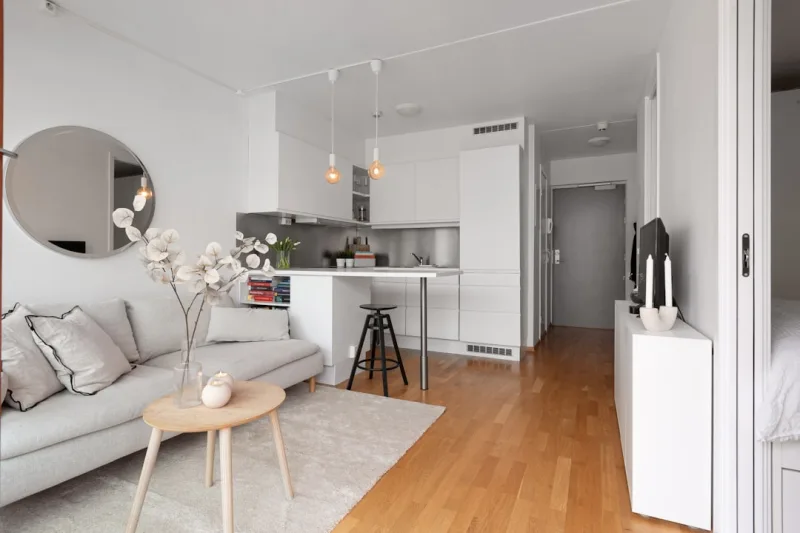
Listen, your garage doesn't have to be the neglected stepchild of your home anymore. I've walked through hundreds of garages—concrete floors, flickering fluorescent lights, piles of stuff shoved into corners—and honestly? They all had the same untapped potential. The Scandinavian design approach is actually perfect for garage spaces because it's all about functionality married with warmth. It's minimalist, sure, but not cold. It's organized, but not sterile. Think light woods, smart storage, and that cozy-yet-efficient vibe that makes you actually want to spend time in your garage.
Here's the thing about Scandinavian design: it works beautifully in small spaces or awkward layouts. Your garage, with all its odd dimensions and utilitarian bones, is basically asking to be given the Scandinavian treatment. We're talking whitewashed walls, natural wood accents, soft lighting that doesn't make you squint, and storage solutions that actually look intentional rather than like you're living in a warehouse. The best part? You don't need to drop a fortune to make it happen.
This upgrade will take you a weekend or two, depending on your ambition level and whether you're tackling electrical work yourself. But I'm going to walk you through exactly what to buy, where to get it, and how to make your garage the kind of space that feels less like a chore and more like a legitimate extension of your home.
What You'll Need
Before we dive into the project, let's get real about what this is going to cost and what materials actually matter. I've sourced most of these from The The Home Depot, though you'll find plenty of options online too. Here's your shopping list:
- Interior paint (light gray or off-white) — $35-50 per gallon, need 2-3 gallons depending on garage size
- Primer (for concrete floors) — $25-40 per gallon
- Concrete epoxy or floor coating — $80-150 per kit
- Floating wall shelves in natural wood or white — $50-120 per shelf
- Pegboard panels and hooks — $20-40 per panel
- Storage bins (neutral colors) — $15-30 per bin, plan for 4-6
- LED lighting fixtures — $40-80 per fixture, need 2-3 minimum
- Wood stain or whitewash (if refinishing) — $15-25
- Basic hardware (screws, anchors, brackets) — $30-50
- Area rug (optional but cozy) — $60-150
Step-by-Step Guide
Step 1: Clear It Out and Deep Clean
I know this sounds obvious, but seriously—take everything out of your garage. And I mean everything. This is your chance to purge, donate, and get ruthless about what actually deserves to live in this space. Once it's empty, sweep it down, pressure wash if you can, and let it dry completely. You're starting with a clean slate, which is honestly the most satisfying part of any project like this.
Step 2: Address the Flooring
The floor is what sets the mood for the entire garage. Bare concrete is functional but depressing. Here's my recommendation: apply a concrete primer first—this helps anything you put on top actually stick. Once that's dry (usually 24 hours), roll on an epoxy coating in a light gray or soft concrete tone. This protects the floor, makes it easier to clean, and gives that finished Scandinavian feel without being fussy. It's a one-weekend job that transforms everything.
Step 3: Paint the Walls
Go with soft, cool-toned whites or light grays—think crisp Nordic vibes rather than hospital sterile. I prefer a matte or eggshell finish for garage walls because it hides imperfections better than glossy finishes. Two coats, usually takes a day. Natural light will hit those walls differently throughout the day, so you're essentially bringing more brightness into the space without adding heat or electricity.
Step 4: Install Lighting
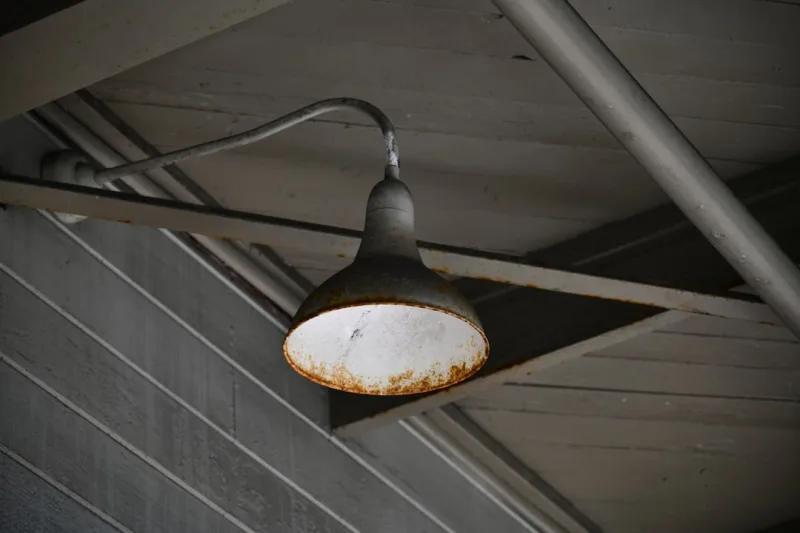
This is where amateur garages differ from genuinely nice garages. Ditch those ancient fluorescent panels if you have them. Invest in 2-3 LED shop lights or pendant fixtures—they're bright, efficient, and look modern without being harsh. Position them so they cast even light across your work areas. If you're not comfortable with electrical work, call someone for this step. It's worth the peace of mind and safety.
Step 5: Build Your Storage System
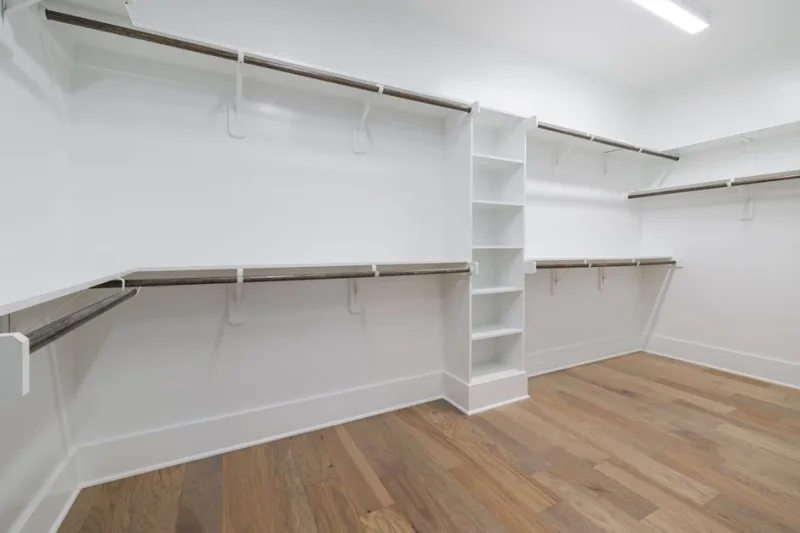
Install floating shelves along one wall—natural wood or painted white, depending on your vibe. Add pegboard below for tools and frequently-accessed items. The key to Scandinavian storage is visibility paired with containment. Everything has a place. Use neutral-colored bins on shelves to corral smaller items. This prevents visual chaos while maintaining that clean, intentional aesthetic. Mount shelves at varying heights for visual interest.
Step 6: Style Your Functional Pieces
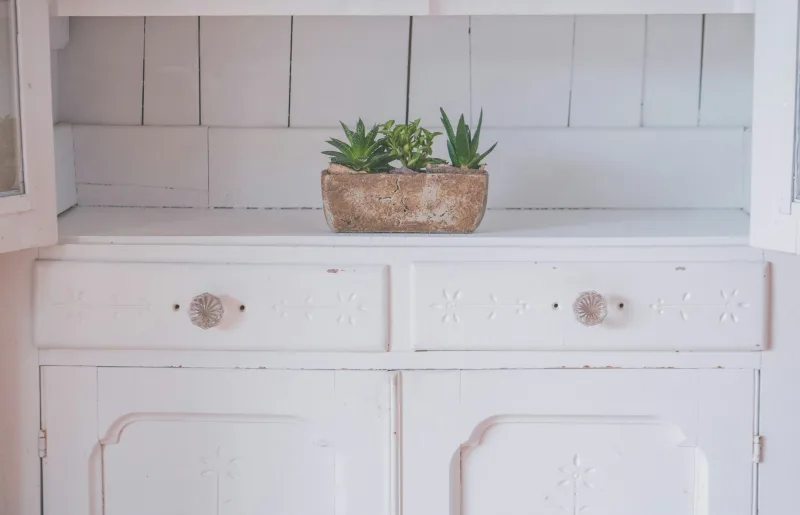
Now comes the fun part. Hang framed motivational prints or simple Scandinavian artwork. Add a small area rug near your workbench if it's part garage, part workshop space. Keep a few potted plants on shelves—they genuinely add life and warmth to an otherwise utilitarian room. Display your nicest tools or equipment; if it looks good, let it be visible rather than hidden.
Pro Tips
 Budget Apartment Renovation: DIY Hacks That Actually Work
Lighting is everything. Seriously, this single element changed my perspective on garage design. LED panels that mimic natural daylight make the space feel bigger, brighter, and more inviting. I recommend getting adjustable options so you can control brightness.
Vertical storage is your secret weapon. Don't pile things on the ground; go up. Pegboard, floating shelves, wall-mounted tool racks—use every inch of wall space. This keeps the floor clear and the space feeling open, which is peak Scandinavian.
Invest in quality organizational bins. Clear or light-colored plastic bins let you see what's inside without opening them. Label everything. Yes, labels look fussy, but they maintain the organized aesthetic and actually make the space functional.
Temperature matters. If you live somewhere cold, consider insulation. A cozy garage is a garage people actually use. Scandinavian design thrives in spaces that feel comfortable to spend time in.
Check out Better Homes & Gardens & Gardens for inspiration on specific storage solutions and design layouts. HGTV also has excellent before-and-afters that show how lighting and paint transform garage spaces.
Cost Breakdown
← Scroll to see full table →
| Item | Quantity | Unit Cost | Total Cost |
|---|---|---|---|
| Interior Paint & Primer | 3 gallons | $40 | $120 |
| Concrete Epoxy Coating | 1 kit | $120 | $120 |
| Floating Shelves | 3 shelves | $80 | $240 |
| Pegboard & Hooks | 2 panels | $35 | $70 |
| Storage Bins | 6 bins | $20 | $120 |
| LED Lighting Fixtures | 3 fixtures | $60 | $180 |
| Hardware & Brackets | 1 set | $40 | $40 |
| Area Rug (Optional) | 1 rug | $100 | $100 |
| Total Estimated Cost | $990 | ||
FAQ
Q: Do I need to hire a professional for the electrical work?
A: If you're not experienced with electrical installations, absolutely hire a licensed electrician. The cost is typically $200-400 for a basic garage lighting upgrade, and it's money well spent for safety and code compliance. Don't mess around with electrical work—it's not worth the risk.
Q: Can I do this project if my garage is unfinished?
A: Yes! Unfinished garages actually benefit more from the Scandinavian treatment. You'll want to invest in drywall or at minimum panel the walls, but once that's done, the rest of the project is identical. It might add $500-1000 to your budget, depending on garage size and whether you DIY the drywall.
Q: How long does the concrete epoxy take to cure?
A: Most epoxy coatings are dry to the touch within 24 hours, but you should wait 3-7 days before putting weight on it or parking your car on it. Check your specific product instructions—cure times vary. Plan this around your schedule so you're not stressed about needing to use your garage mid-project.
Your Garage Deserves Better
Honestly, the biggest shift that happens during a garage upgrade like this isn't just aesthetic