Neutral Minimalist Bedroom Ideas: Transform Your Space With This DIY Guide
So you're scrolling through Instagram at midnight, seeing all those perfectly serene bedrooms with soft beiges, clean lines, and basically nothing on the nightstands, and thinking — "I could totally do that myself." You absolutely can. Here's the thing: minimalist bedrooms aren't some exclusive club reserved for interior designers with unlimited budgets. They're honestly some of the easiest spaces to pull off as a DIY project because restraint is literally the whole point.
A neutral minimalist bedroom is basically your personal sanctuary designed to promote actual sleep and reduce visual chaos. Think calming color palettes, functional furniture, and the freedom from that pile of clean clothes that's been living on your chair since Tuesday. I've helped plenty of people transform chaotic bedrooms into these peaceful retreats, and the best part? Most of the work is less about construction and more about curation and smart shopping.
Let me walk you through exactly how to create a minimalist bedroom that feels expensive and intentional without breaking the bank or requiring any special skills. Whether you're working with a tiny apartment bedroom or a spacious master, these principles scale beautifully.
What You'll Need
Before we dive into the steps, let's talk materials and budget. I'm assuming you've already got walls and flooring (if not, that's a different conversation). Here's what you'll realistically need:
- Paint (1-2 gallons of neutral color) — $25-$40. Seriously, paint is your secret weapon. Something like warm white, soft greige, or pale taupe works magic.
- Floating shelves or wall-mounted storage — $30-$80 per unit from The The Home Depot. These keep things tidy and off the floor.
- Quality bedding in natural fibers — $80-$150 for a decent duvet set. Check Better Homes & Gardens & Gardens for solid options that won't pill after three washes.
- One accent lighting piece (wall sconce or modern pendant) — $40-$100. Overhead lights are honestly the enemy of minimalism.
- Simple curtain rods and neutral curtains — $30-$70. These should be understated, not dramatic.
- Minimal furniture pieces (nightstand, dresser) — $150-$400 per piece. Quality matters here because you're living with fewer things.
- Primer — $10-$15. Don't skip this if you're going lighter.
- Basic paint supplies (roller, brush, tape, drop cloth) — $15-$25
- Decorative baskets for storage — $20-$60 for a set of two or three
Estimated total: $400-$900 for a complete transformation (depending on furniture choices)
Step-by-Step Guide
Step 1: Choose Your Neutral Palette and Plan the Space
Walk around your bedroom at different times of day. I'm not being dramatic — lighting changes everything. Natural light coming in at 8 AM looks completely different from the way your space feels at 6 PM under artificial lighting. Take photos on your phone and compare color swatches in each light condition.
Pick your main color (walls), a secondary neutral (trim or accent wall), and one subtle texture. That's genuinely it. You don't need five different shades. Think: soft white walls, warm gray trim, and maybe a linen curtain for subtle texture. It sounds boring when I say it, but trust me — it'll feel incredibly sophisticated and restful.
Step 2: Clear Everything Out
Honestly, this is half the battle. I mean everything — furniture, decorations, that poster from your college days, the eight throw pillows. Everything goes out or gets donated. This creates your blank canvas and forces you to be intentional about what comes back in.
Go through items and ask: does this serve the person I'm becoming? Because minimalism isn't just about having less stuff — it's about keeping only what aligns with how you actually want to live. Feels therapeutic, right?
Step 3: Paint Your Walls
This is where the magic happens. Prep your walls properly — fill holes, sand imperfections, use painter's tape, and lay down that drop cloth. Primer is your friend, especially if you're going significantly lighter than your current wall color.
Use a roller for large areas and a quality brush for edges and corners. Two coats usually does it. Yeah, this takes a Saturday afternoon, but the transformation is genuinely stunning. HGTV has excellent tutorials if you want visual guidance on technique.
Step 4: Install Your Core Furniture
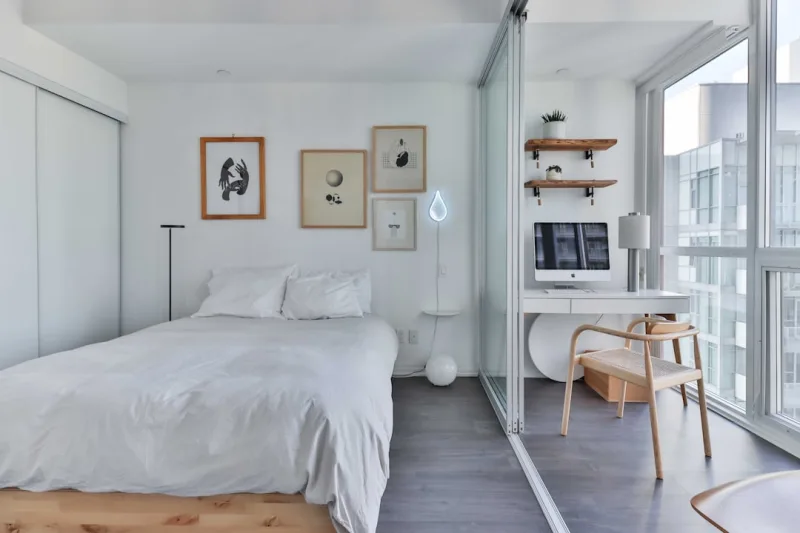
Start with your bed. In a minimalist room, the bed should be relatively low-profile — no massive headboard situation. A simple platform bed or basic frame works beautifully. Add a quality mattress (this isn't where you save money), quality bedding, and that's it. One good pillow, maybe two.
Next comes one nightstand — seriously, just one unless your space is massive. A floating shelf works wonderfully if you want to maximize floor space. Then your dresser or wardrobe storage. These pieces should have clean lines and handle visual weight without making the room feel heavy.
Step 5: Add Lighting That Actually Works
 94 DIY Home Decor Projects: Ideas for Every Budget
Overhead lights? Harsh and unflattering. Install a simple sconce on each side of the bed, or go with one beautiful pendant light positioned thoughtfully. These should be warm-toned (3000K color temperature) to feel inviting rather than clinical. Dimmer switches are your secret weapon for creating actual atmosphere.
Step 6: Handle Windows Thoughtfully
Your curtains should be simple, floor-length, and in a neutral fabric. Think linen, cotton, or linen blends. Skip the patterns. A simple rod and minimal hardware will do. If you want more privacy, layer with simple roller shades underneath. Everything should feel like a conscious choice, not clutter.
Step 7: Strategic Storage Solutions
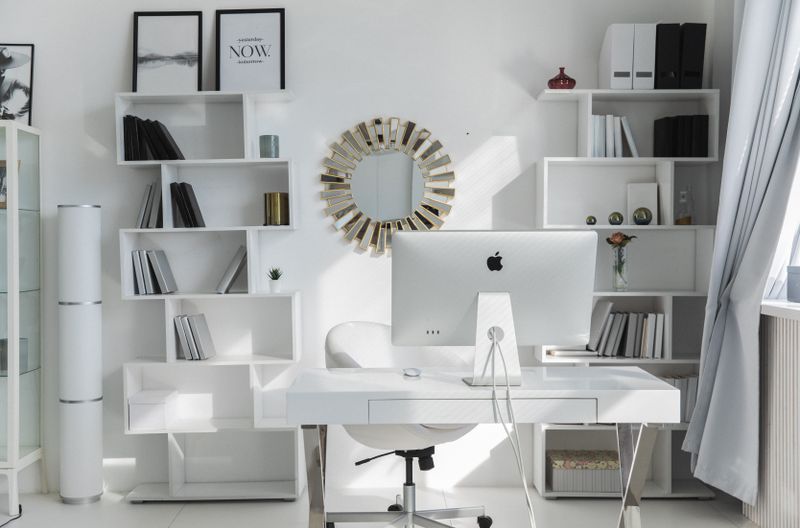
Here's where floating shelves shine. Install a few — usually two or three per wall works — at a consistent height. These keep the room feeling open while providing actual function. Add matching baskets or boxes for under-bed storage to hide seasonal items and keep the floor clear.
Step 8: Curate Your Minimal Decorative Pieces
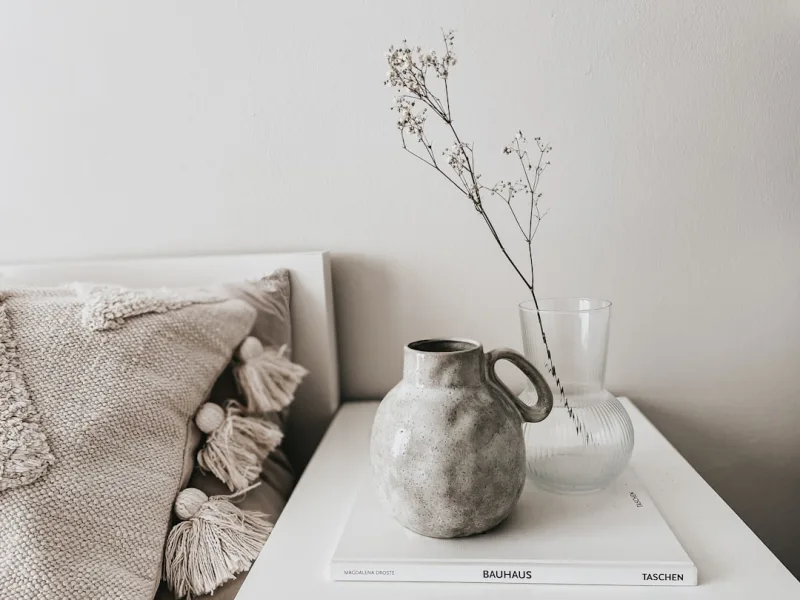
Now for the restraint part. One piece of art — maybe a simple black and white photograph or abstract piece in a thin frame. One or two books on your nightstand (not a tower of them). A small plant if you're into that. That's literally it. Empty wall space is okay. More than okay, actually — it's the whole point.
Pro Tips
Invest in hidden storage: Every item you own needs a proper home. Under-bed storage boxes, closet organizers, and drawer dividers are investments in peace of mind. When everything has a place, your room automatically feels calmer.
Go for quality over quantity in textiles: Two really nice sheets sets beat five mediocre ones. Your bed will feel luxurious, and you'll actually enjoy washing and changing them regularly.
Use negative space intentionally: Don't feel pressured to fill every wall or shelf. Empty space is visual rest. Your brain actually needs it, especially in a bedroom.
Stick with warm neutrals: Cool grays can feel sterile. Warm whites, taupes, and greiges feel lived-in and soothing. Test samples on your wall for at least 24 hours before committing.
Layer your lighting: One light source never works. Ambient (overhead or accent lighting), task (nightstand sconce), and natural light create depth and function.
Don't forget the floor: A simple area rug in a neutral tone grounds the space and adds warmth. Nothing too patterned — keep it solid or very subtle.
Cost Breakdown
← Scroll to see full table →
| Item | Low Estimate | High Estimate |
|---|---|---|
| Paint & Supplies | $40 | $65 |
| Bedding (Quality Set) | $80 | $150 |
| Floating Shelves | $30 | $100 |
| Lighting (Sconces/Pendant) | $40 | $120 |
| Curtain Rod & Curtains | $30 | $80 |
| Basic Nightstand | $100 | $250 |
| Storage Baskets | $20 | $60 |
| Area Rug | $40 | $120 |
| TOTAL | $380 | $945 |
Note: This assumes you already own a bed frame and dresser. If purchasing these separately, add $150-$400+ depending on quality.
Frequently Asked Questions
📷 Photo by Diane Wuttke on Unsplash