Okay, so here's the thing — if you've been scrolling Pinterest at 11 PM wondering how to finally organize that chaotic closet situation, you're not alone. We've all been there. But what if I told you that the solution doesn't involve fancy systems or expensive professional organizers? The answer is Scandinavian design, and honestly, it's about to change how you think about your entire wardrobe space.
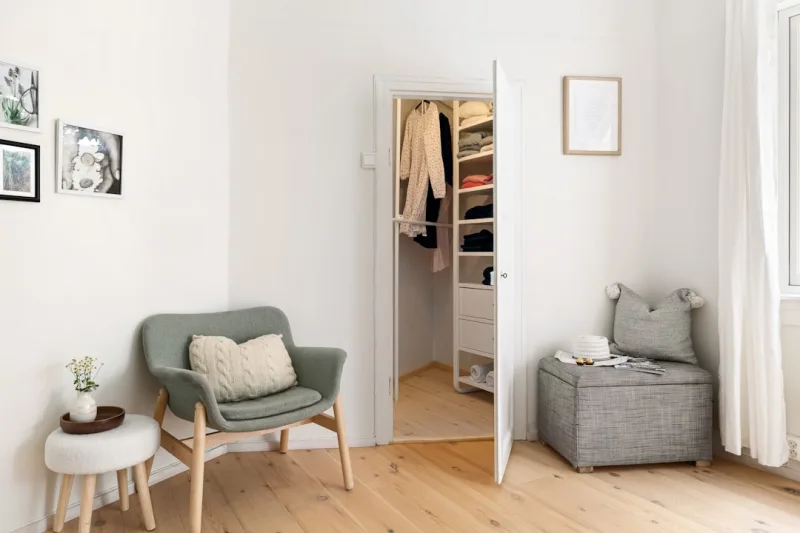
Scandinavian design isn't just some trendy aesthetic that'll feel dated in two years. It's fundamentally about creating spaces that feel calm, functional, and genuinely beautiful — without all the excess. Think light woods, neutral tones, smart storage solutions, and absolutely zero visual clutter. The beauty of this approach is that it works whether you have a sprawling walk-in closet or a bedroom corner with a rod and some shelves. It's about intentionality, not square footage.
I've been digging into 2026 trends, and the Scandinavian closet concept is having a serious moment right now. People are tired of complexity. They want spaces that support their actual lives, not Instagram perfection. And that's exactly what we're going to build together.
What You'll Need
Materials and Supplies:
- Light wood shelving units (birch or white oak) — $150-300
- Neutral linen storage bins and boxes — $80-150
- Wooden hangers (set of 20+) — $40-60
- Metal closet rod and brackets — $60-100
- LED strip lighting with warm white bulbs — $30-50
- Closet doors or curtain rod with linen curtain — $80-200
- Wooden drawer dividers — $20-35
- Labels and label maker — $25-40
- Floating shelves (3-4) — $100-150
- Cleaning supplies (wood cleaner, microfiber cloths) — $15-25
Tools Required:
- Stud finder (if mounting) — $20-30
- Drill with bits — $50-80 (if you don't have)
- Level — $15-25
- Tape measure and pencil — $10-15
Step-by-Step Guide
Step 1: Assess Your Current Closet Space
Before you buy anything, take time to honestly evaluate what you're working with. Measure your closet dimensions — height, width, depth. Take photos from different angles. This isn't glamorous, but it's absolutely necessary. Look at where natural light comes in, where outlets are located, and whether you're dealing with moisture issues (more common than you'd think, honestly). Sketch a rough layout if you're a visual person. You want to know exactly what you're dealing with before making decisions.
Step 2: Declutter and Curate Your Wardrobe
 Budget Apartment Renovation: DIY Hacks That Actually Work
Here's where Scandinavian philosophy really shines — quality over quantity. Go through every single item. Does it fit? Does it make you feel good? Would you actually wear it in 2026? Be ruthless. The Swedish concept of "lagom" (just the right amount) applies perfectly here. A Scandinavian closet isn't packed to the gills. There's breathing room. Donate, sell, or pass along anything that doesn't serve you. This step directly impacts everything that follows, so don't rush it.
Step 3: Plan Your Layout and Install Shelving
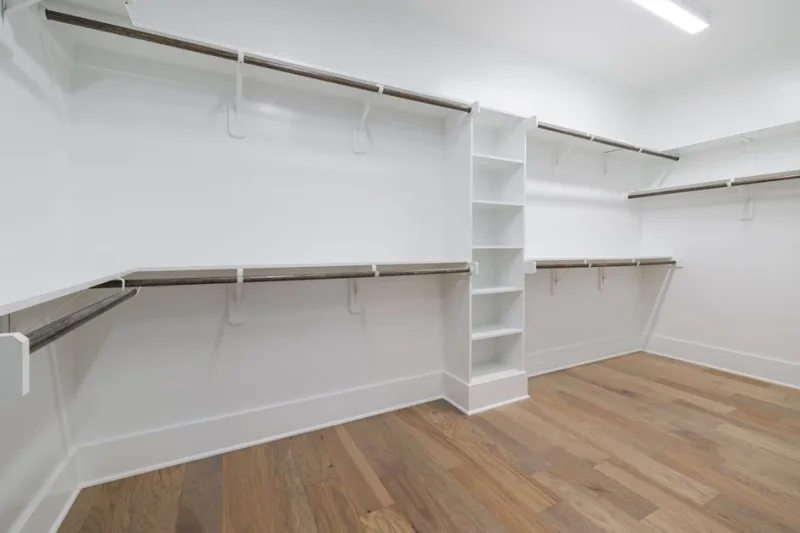
Most effective Scandinavian closets use a combination of hanging space and open shelving. Typically, you'll want your vertical space divided: top hanging rod for longer pieces (dresses, coats), middle shelving for folded items and accessories, bottom area for shoes or additional storage. Install your shelving using a level — this matters more than you think, both functionally and aesthetically. If you're renting, check out The The Home Depot's renter-friendly options. They're actually pretty solid now.
Step 4: Install Lighting
Scandinavian design prioritizes natural light, but since most closets don't have windows, we fake it responsibly. LED strip lighting with warm white color temperature (around 2700K) mimics natural light without generating heat that could damage fabrics. Install strips along the top shelving or crown of your closet. Position them so they illuminate the entire space without creating shadows. This transforms the whole vibe — trust me on this.
Step 5: Arrange Hanging and Folded Items
Use wooden hangers exclusively — they're better for garments and honestly, they look gorgeous. Hang items by category: tops, bottoms, dresses, outerwear. Leave space between hangers; that breathing room is intentional and beautiful. Fold heavier items like sweaters and store them on shelves. Create a folding system so everything sits evenly. Again, this isn't about perfection — it's about functionality that happens to look amazing.
Step 6: Organize Accessories and Add Storage Bins
Invest in linen or canvas storage bins for scarves, belts, seasonal items, and undergarments. Label everything clearly — not in a cute way, in a functional way. Use your label maker and be specific. "Scarves - Winter" beats "Stuff" every single time. Place bins on shelves where you can actually access them. Arrange accessories (jewelry, belts) in drawer dividers or small containers that fit your shelving. The key is seeing what you own without rummaging.