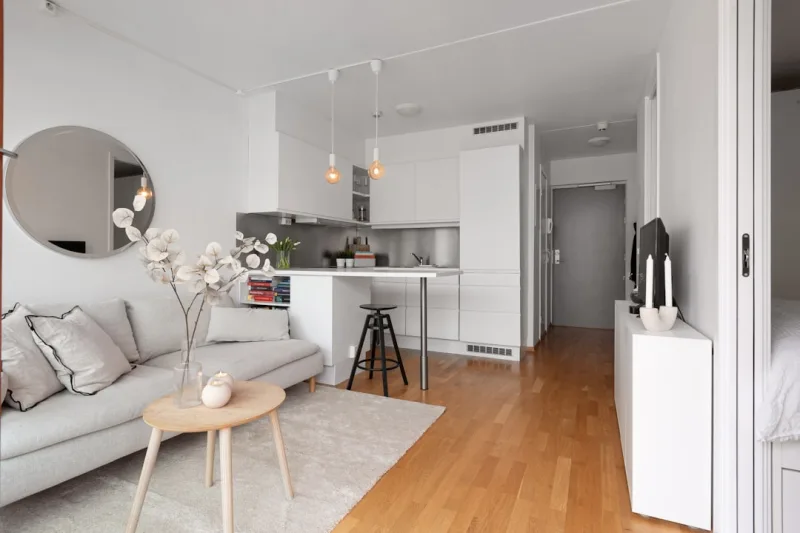
Minimalist Apartment Organization for Cozy Homes: Create Peace in Your Personal Space
There's something deeply satisfying about walking into a calm, organized space after a long day. That feeling of peace you get when everything has its place, when you can actually breathe in your own home—that's what minimalist apartment organization is all about. As a woman juggling work, relationships, and a million other responsibilities, your home should be your sanctuary, not another source of stress. I've been there, surrounded by clutter and feeling overwhelmed by the very space I was supposed to relax in. But here's the beautiful truth: creating a minimalist, cozy apartment doesn't mean sacrificing warmth or personality. It means being intentional about what you bring into your space and how you organize it. It's about keeping only what you truly love and what truly serves you. When you embrace minimalist apartment organization, you're not just tidying up—you're reclaiming your peace of mind, one thoughtfully curated item at a time.
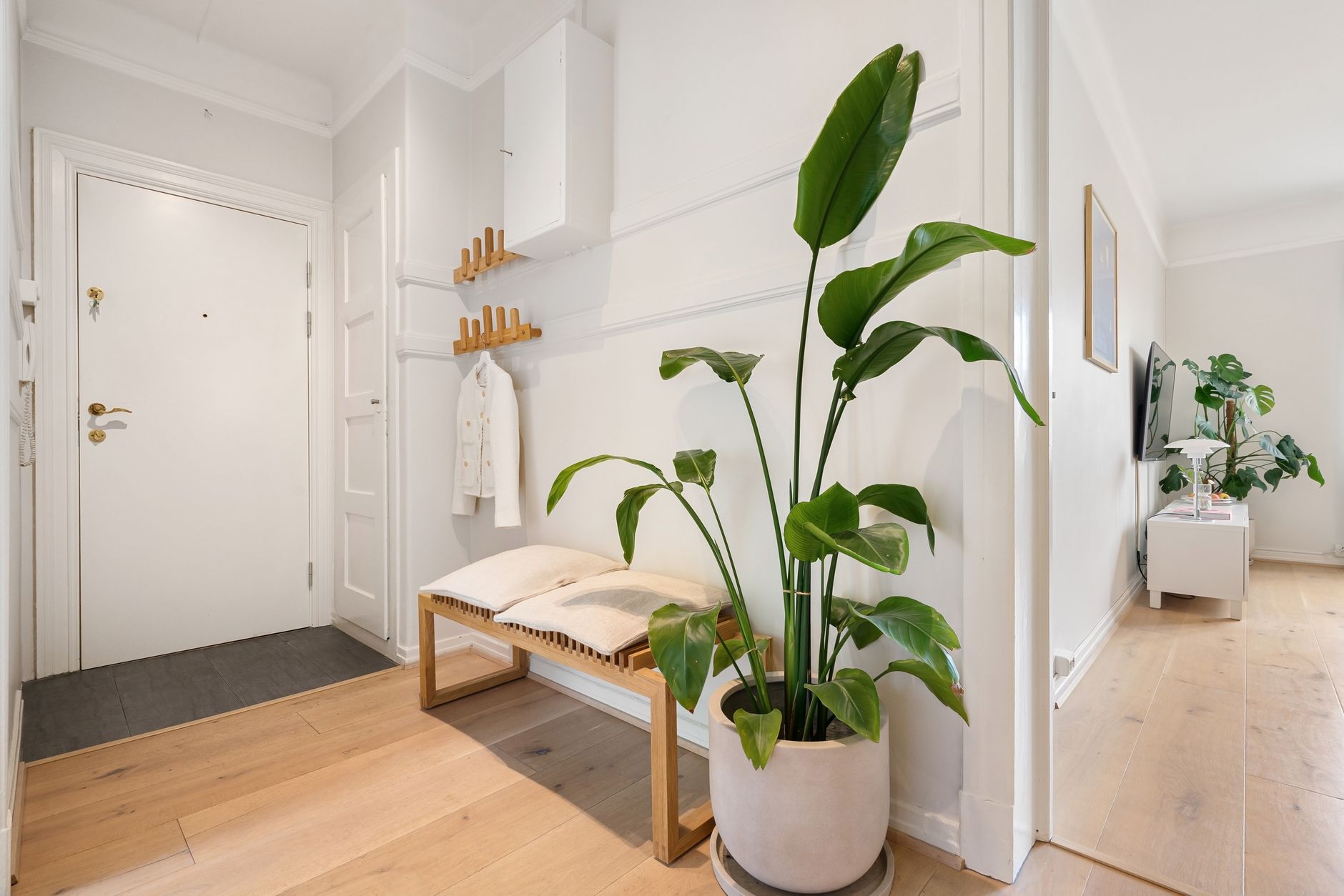
In this comprehensive guide, you'll learn exactly how to organize your apartment using minimalist principles while maintaining that cozy, welcoming feeling we all crave. We'll walk through the planning process together, break down budgets so you can organize on any financial level, and give you step-by-step instructions you can start implementing today. Whether you're living in a tiny studio or a modest two-bedroom, these practical strategies will help you maximize your space, reduce decision fatigue, and create an environment that actually reflects who you are. By the end, you'll have the tools, inspiration, and confidence to transform your apartment into a perfectly organized, genuinely cozy haven.
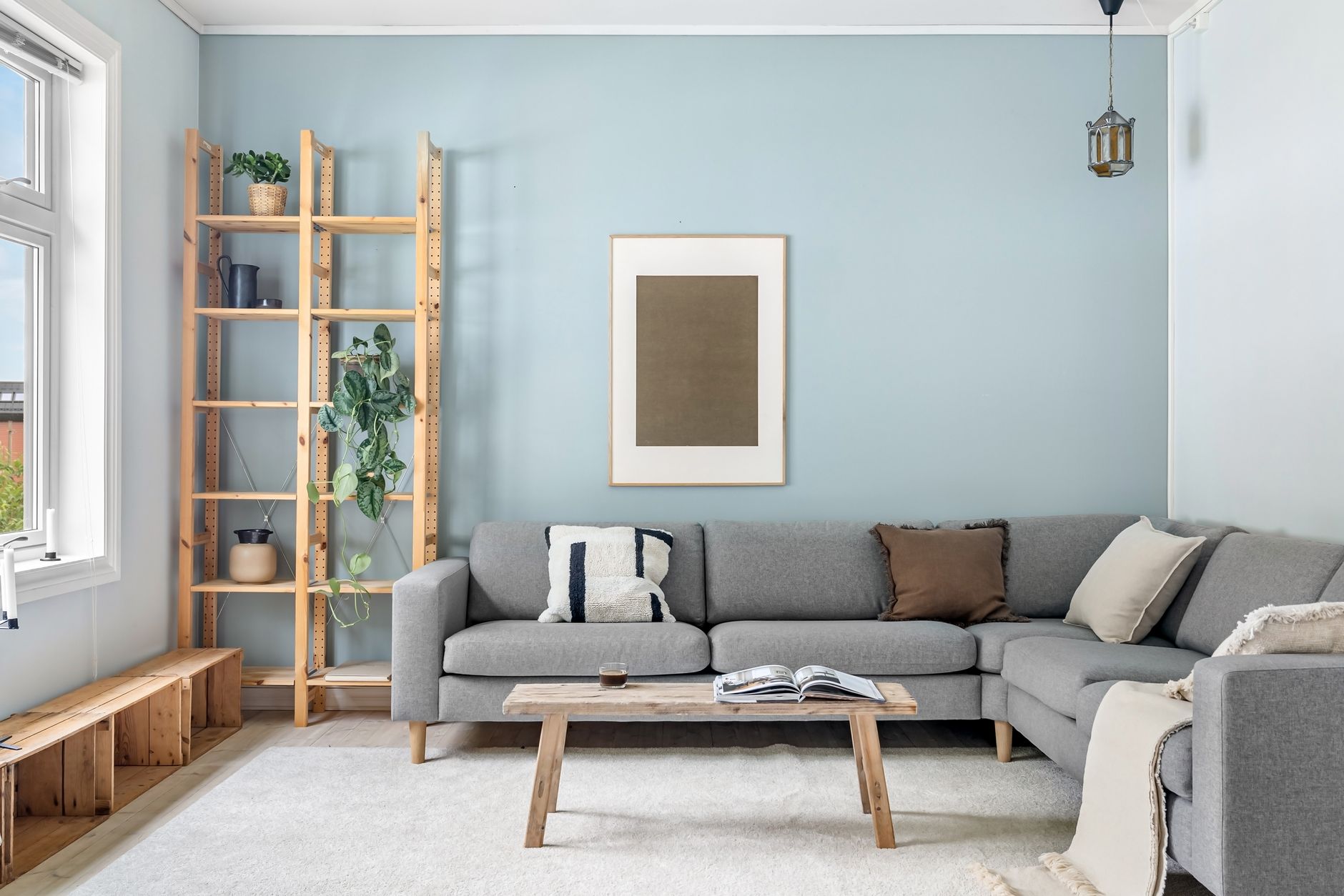
Understanding Minimalist Apartment Organization for Cozy Homes
Minimalist apartment organization might sound cold or sterile, but it's actually the opposite. True minimalism is about intentionality and clarity, which creates space for the things that really matter to you. It's a philosophy that says "quality over quantity" and "meaningful over excessive." When you apply this to your apartment, you're not stripping away all personality or comfort—you're curating your space to include only what brings you joy or serves a purpose.
The magic happens when minimalism meets coziness. A cozy home has warmth, comfort, and that indefinable quality that makes you want to curl up with a cup of tea. A minimalist home has breathing room, clarity, and peace. When you combine them, you get an apartment that feels both restful and inviting. You get spaces that are functional without being sterile, organized without being rigid, and beautiful without being cluttered.
Why does this matter so much? Because your living space directly impacts your mental health and daily stress levels. Studies consistently show that cluttered environments increase anxiety and reduce focus. When your apartment is disorganized, your brain is constantly processing visual chaos, which is exhausting. Your body never fully relaxes because there's always something catching your eye, something reminding you of what needs to be done. Minimalist organization eliminates that background stress. It creates white space—literally and mentally—where calm can flourish.
The most common mistake women make when attempting to organize their apartments is doing it all at once without a system. They buy cute bins, clear off surfaces, and feel amazing for about a week. Then slowly, things creep back in. The bins overflow. Surfaces clutter again. Why? Because they didn't establish the principles and habits that keep a space organized long-term. They organized the stuff without considering why the stuff accumulated in the first place. Another huge mistake is not defining what "cozy" means to them personally. Minimalism can look different for everyone. For some, it's all-white minimal aesthetic. For others, it's warm woods, soft textures, and a few treasured items that tell their story. The key is knowing your own definition so you're not organizing someone else's vision of a home.
Planning Guide for Minimalist Apartment Organization for Cozy Homes
Before you touch a single item in your apartment, you need a plan. This is where most people fail. They jump into organizing without strategy, and it becomes overwhelming. A good plan makes the entire process manageable, even enjoyable.
Start by defining your vision. What does a cozy, minimalist home look like to you? Gather inspiration from Pinterest, Instagram, and design blogs. Save images that speak to you. Look at the common elements: Are there lots of plants? Warm lighting? Natural materials? Soft textiles? How much "stuff" is visible? What colors dominate? This visual research trains your brain to understand what you're working toward.
Next, assess what you currently have. Walk through your apartment room by room and evaluate. What items do you actually use? What makes you happy when you see it? What's just taking up space? Be honest. That bread maker you swore you'd use, the books you've never opened, the kitchen gadgets that sit unused—these are clutter, no matter how much you spent on them.
Then, establish your organizing system. Decide on storage solutions before you start moving things around. Consider how you live. Are you someone who needs things visible to remember they exist, or do you prefer closed storage? Do you work from home and need accessible supplies, or can seasonal items be tucked away? Your system should work with your natural habits, not against them.
Finally, create a timeline. Trying to minimize and organize your entire apartment in one weekend sets you up for failure and burnout. Give yourself a realistic timeline—maybe one room per week, or one category at a time. This makes the project feel manageable and sustainable.
Pre-Organization Planning Checklist
- Define your personal cozy aesthetic through Pinterest boards and mood boards
- Evaluate each room and list the main purposes of each space
- Identify storage zones (closets, cabinets, under-bed, corners)
- Declutter before organizing—remove items you don't use or love
- Choose your aesthetic for storage (matching bins, natural baskets, clear containers)
- Measure your spaces and doorways before purchasing organizing products
- Set a realistic timeline and budget for your project
- Research organizing products that fit both your budget and aesthetic preferences
Budget Breakdown
One of the biggest misconceptions about minimalist organizing is that it has to be expensive. You absolutely can create a beautifully organized, cozy apartment on any budget. The key is prioritizing where you spend and being strategic about sales and secondhand options.
Here's the truth about organizing on a budget: you probably already have many of the containers and storage solutions you need. Before spending a dime, check what you have. Old boxes, jars, baskets, bags—these can all become part of your organizing system. Hit thrift stores like Goodwill and Salvation Army for baskets, bins, and storage solutions at a fraction of retail price. Check Facebook Marketplace for used shelving and storage units. Many people get rid of perfectly good organizing products when they move or redo a space.
When you do buy new, focus on multi-functional items. A pretty basket serves as storage and decor. A storage ottoman holds items while providing seating. Wall-mounted shelves add storage without taking up floor space. Vertical storage is always smarter for small apartments than horizontal. The most expensive organizing mistake you can make is buying cheap products that fall apart quickly. One good quality storage unit will last years; five cheap ones might fall apart in months, sending you back to square one.
 94 DIY Home Decor Projects: Ideas for Every Budget
Take advantage of seasonal sales at The The Home Depot, IKEA, Target, and Amazon. January and back-to-school season usually bring the best organizing product sales. Sign up for emails from these retailers to catch deals.
← Scroll to see full table →
| Price Range | Best Items to Buy | Recommended Sources |
|---|---|---|
| Under $50 | Small storage bins, drawer dividers, shelf risers, closet hangers, label maker, tension rods, fabric storage boxes, over-the-door organizers | IKEA, Target, Amazon, Dollar Tree, Goodwill |
| $50-$200 | Medium shelving unit, storage ottoman, large baskets, closet organizer system, filing cabinet, rolling cart, under-bed storage containers, bookcases | IKEA, Target, Amazon, Wayfair, The Home Depot |
| $200+ | Wall-mounted shelving system, quality storage dresser, premium storage sofa, walk-in closet organizer system, built-in shelving, custom closet solutions | IKEA, West Elm, The Home Depot, Wayfair, custom installers |
Remember that you don't need to buy everything at once. Start with the essentials for one room, see how it works, then expand. This approach also helps you test what organizational systems actually work with your lifestyle before investing heavily. Some people love clear bins because they can see everything. Others find them visually chaotic and prefer opaque storage. Some need labels on everything, while others prefer a more intuitive system. Trial and error on a small budget is smart, not wasteful.
Step-by-Step Guide
Step 1: Start with One Category, Not One Room
This is the KonMari method principle, and it works. Instead of organizing all your bedroom stuff, focus on a single category: clothing, books, kitchen items, papers, or sentimental objects. When you organize by category across your entire apartment, you see just how much you actually have. That book collection spread across four rooms looks different when it's all in one place. You're more likely to keep only what you truly love when you see the full quantity.
Step 2: Declutter Before You Organize
Remove items before buying storage solutions. This is crucial. Many people buy organizing supplies, then try to fit everything they own into them, defeating the entire purpose. Go through your chosen category and ask: Do I use this? Do I love this? Does it fit my life now? Old clothes from when you were a different size, books you'll never reread, kitchen gadgets you've never used—these things are keeping you stuck. Donate, sell, or recycle them. Be ruthless. Your future self will thank you.
Step 3: Group Similar Items Together
Now that you've decluttered, group what remains. All your sweaters in one place, all your scarves together, all your baking supplies in one cabinet. This serves two purposes: you can see what you have (no more buying duplicates), and it makes storage planning easier. A drawer divider makes sense for scarves; a shelf basket works for sweaters. Grouping shows you what you actually need to store.
Step 4: Choose Storage Solutions That Match Your Aesthetic
Now you can shop for organizing supplies. But you're not shopping blindly—you know exactly what you need to store and how much space it takes. Will you use woven baskets, wire bins, colorful boxes, or something else? Your storage solutions should feel good to you. If you love a cozy, natural aesthetic, woven seagrass baskets from IKEA feel better than plastic bins. If you prefer a modern, clean look, clear containers and labels might be perfect. Your organizing system is useless if you hate how it looks, because you won't maintain it.
Step 5: Implement Smart Vertical and Spatial Organization
Apartments, especially small ones, require smart spatial thinking. Use walls instead of floor space. Floating shelves, pegboards, wall-mounted cabinets, and hanging organizers give you storage without eating up square footage. Use under-bed storage for seasonal items or extras. Use the back of closet doors with over-the-door organizers. Use the insides of cabinet doors with adhesive hooks or shelves. Every surface is an opportunity for storage.
Step 6: Create a Home for Everything
This is the secret to staying organized long-term. Every single item in your apartment needs an assigned home. A specific shelf for skincare products. A specific drawer for socks. A specific basket for mail. When everything has a designated home, putting things away becomes automatic, not a decision that requires energy. And if something doesn't have a logical home, that's a sign you might have too many of it or don't actually use it.
Step 7: Build in Maintenance and Review Habits
The final step is the most important: create habits that keep your space organized. A 10-minute daily tidying habit—making your bed, clearing your nightstand, putting items back in their homes—prevents clutter from accumulating. A monthly review where you assess what's working and what isn't helps you adjust your system. A seasonal deep clean ensures your organizing systems are still serving you. These habits are what transform temporary organization into a permanent, peaceful home.
Best Styles and Products
Minimalist apartment organization comes in different flavors, and finding your style makes the whole process more enjoyable. Here are the most popular approaches:
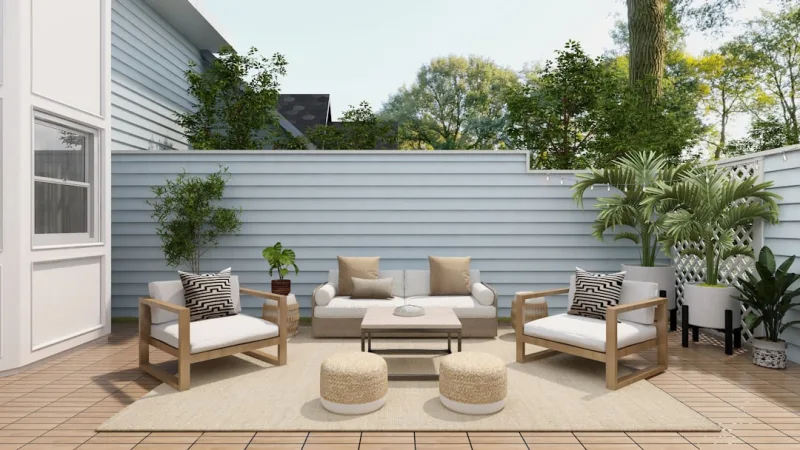
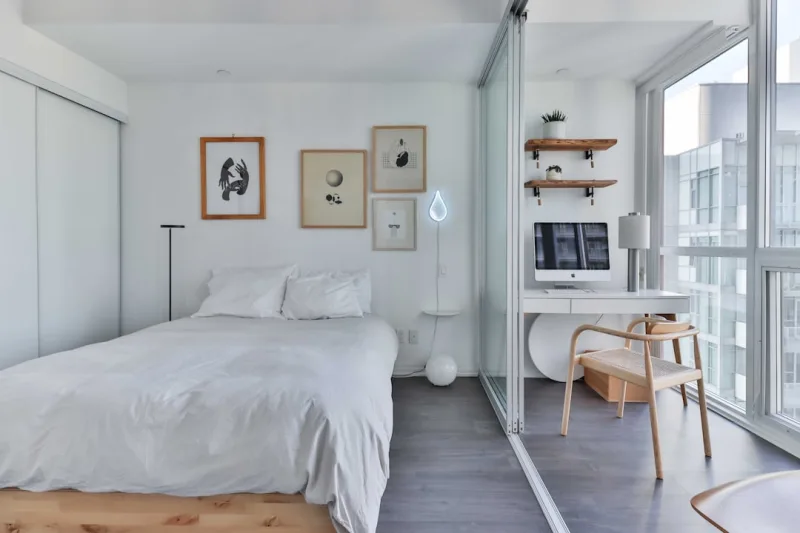
Scandinavian Minimalism: This style features neutral colors, natural materials, and functionality as beauty. Think light wood shelving, white walls, a few carefully chosen plants, and cozy textiles. It's minimal but incredibly warm and inviting. Storage is beautiful—woven baskets, natural wood boxes, unfinished shelving. It whispers rather than shouts.
Japanese Minimalism: Inspired by Marie Kondo and Japanese design principles, this approach emphasizes intentionality and joy. Storage is often hidden behind closed doors or in uniform containers. Space is paramount—negative space is as important as filled space. It's serene and almost meditative in its organization.
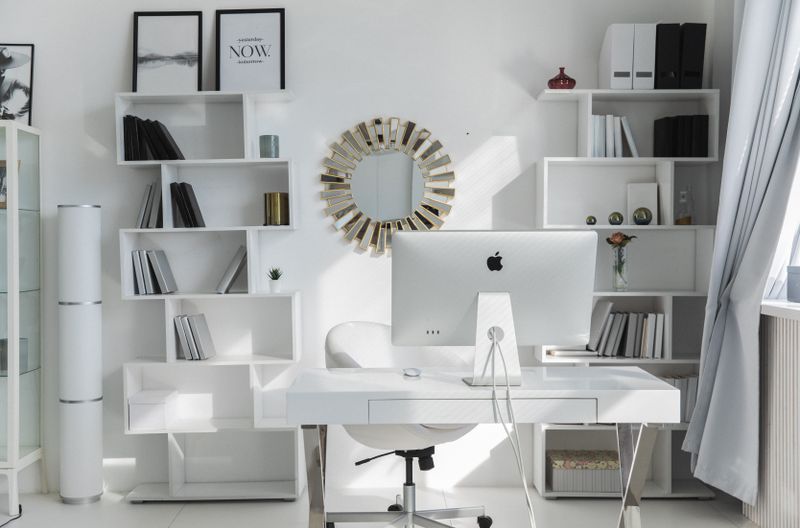
Modern Minimalism: Clean lines, neutral palettes, industrial materials like metal and glass, and technology-forward solutions define this style. It's minimalist but contemporary. Storage is sleek and functional, often featuring built-in solutions or furniture that does double duty.
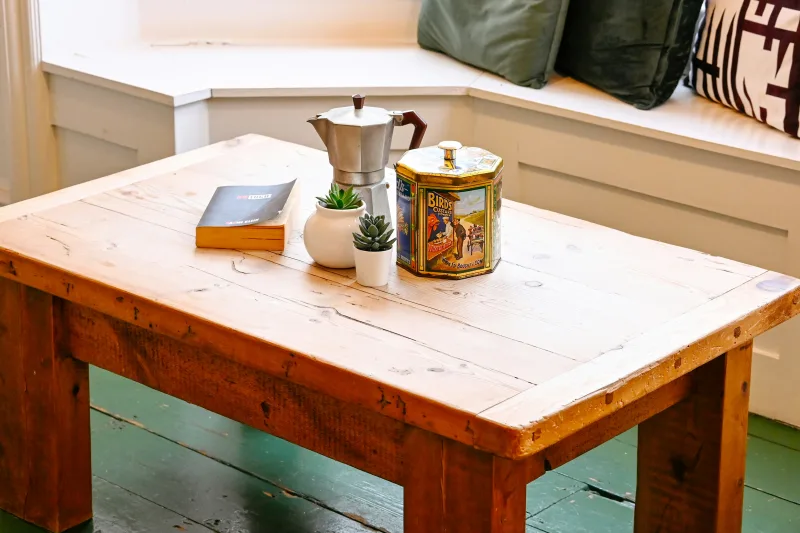
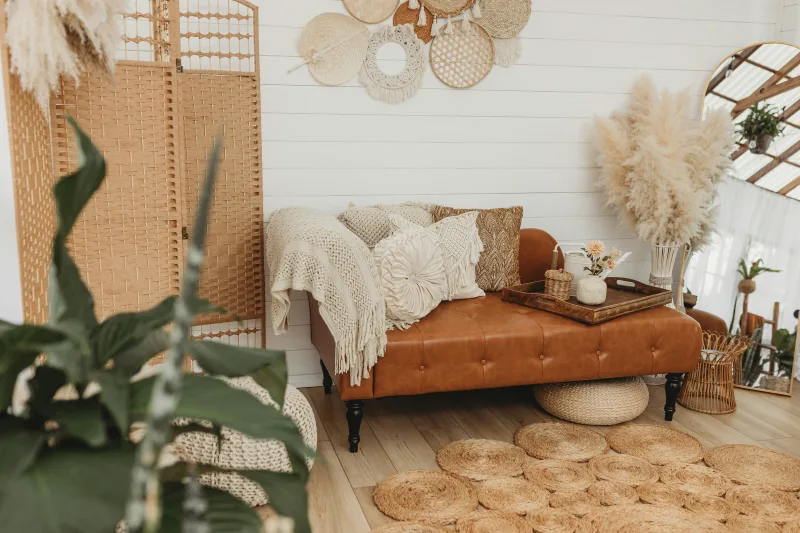
Bohemian Minimalism: For those who can't bear a truly sparse aesthetic, this blends minimal clutter with warm, lived-in coziness. Plants, warm lighting, natural textures, and a few meaningful decorative items create space that breathes while still feeling like home. It's minimalist in what you keep, but what you do keep tells a story.