Luxury Garage Transformation for Modern Homes: Your Complete Guide
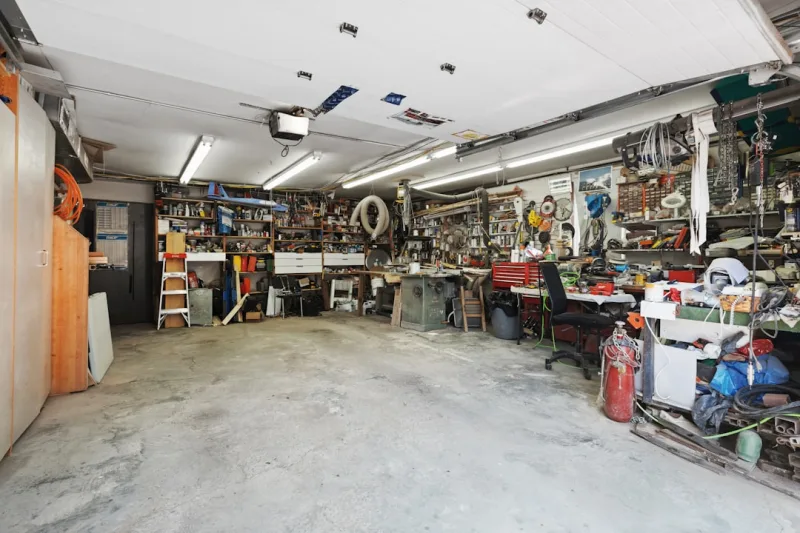
Look, I get it. Your garage is basically a storage graveyard right now — old paint cans, forgotten holiday decorations, and that treadmill you swore you'd use. But here's the thing: your garage has serious potential. It's one of the most underutilized spaces in modern homes, and honestly, transforming it into a luxury retreat is way more achievable than you'd think. Whether you're dreaming of a sleek workshop, an entertainment space, or just somewhere that doesn't make you cringe when the door opens, we're going to walk through this together.
I've seen garages transformed from eyesores into genuinely stunning spaces — the kind of places where people actually want to spend time. The best part? You don't need to be a contractor or drop an obscene amount of cash to make it happen. A luxury garage transformation is really about smart design choices, quality materials that last, and understanding what makes a space feel elevated versus cramped and chaotic.
So let's talk about turning that forgotten concrete box into something that makes your home feel complete. This guide covers everything from flooring to lighting, storage solutions to climate control — all the elements that separate an average garage from one that actually reflects the quality of your home.
What You'll Need
Before we dive into the transformation, let's get real about the materials and tools that'll make this work:
- Epoxy or Polished Concrete Flooring — $3-8 per square foot (installed). Check The The Home Depot for application kits if you're DIY-ing it.
- LED Track Lighting System — $200-600 depending on fixtures and coverage
- Wall Paneling or Shiplap — $1-4 per square foot for materials
- Modular Storage Cabinets — $500-2,500 for a complete wall system
- Paint (epoxy-rated for concrete) — $50-150 per gallon
- Insulation Batts — $0.50-1.50 per square foot if adding climate control
- Mini-Split HVAC System (optional) — $2,000-4,000 installed
- Workbench or Island — $300-1,500
- Weatherstripping and Sealing — $50-200
- Flooring Transition Strips — $20-100
Step-by-Step Guide
Step 1: Declutter and Clean Like Your Life Depends On It
Seriously, don't skip this. Before you buy a single item, you need to get real about what stays and what goes. Pull everything out — and I mean everything. Those mystery boxes in the corner? The Christmas lights from 2015? Time to make decisions. Once your garage is empty, give it a deep clean. Pressure wash that concrete, sweep out the cobwebs, and get it looking like a blank canvas. This step costs basically nothing but saves you headaches later.
Step 2: Assess and Repair Your Concrete Foundation
Your floor is going to be the hero or the villain of this transformation. Walk the entire space and look for cracks, stains, or moisture issues. Small cracks? Seal them with concrete filler ($20-40). Water damage? You'll need to address that before proceeding — moisture will destroy any flooring system you install. Fill any holes, patch damaged sections, and let everything cure completely before moving forward. This might seem tedious, but a solid foundation makes everything else better.
Step 3: Install Premium Flooring
Here's where your garage starts looking genuinely upscale. Epoxy flooring is the move — it's durable, looks expensive, and actually is affordable. You've got options: solid colors, flake systems (those gorgeous speckled versions), or even metallic finishes. The Home Depot carries application kits for around $200-400 if you're doing this yourself, though hiring a professional ($1,500-3,000 total) gives you that flawless finish. Apply in sections, follow the curing time religiously, and resist the urge to use your garage for like two weeks. Patience pays off here.
Step 4: Upgrade Your Lighting System
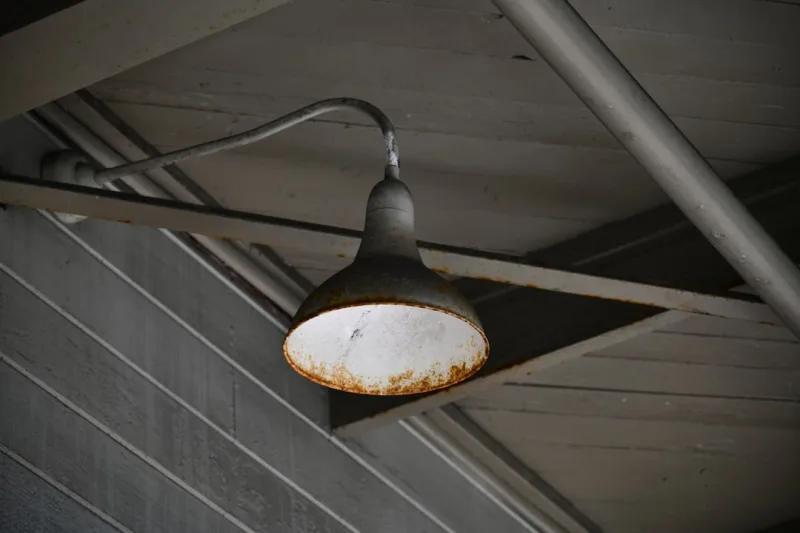
Bad lighting makes any space feel cheap — good lighting makes it feel luxe. Ditch those old flickering fluorescent panels. Install LED track lighting or recessed panels instead. Aim for 4,000K color temperature (that's that nice bright-white that doesn't feel cold). Plan for about 50-75 foot-candles of light depending on your garage's function. Mount fixtures strategically around your workbench, storage areas, and entrances. You want even distribution without dark corners. Budget $300-600 and you'll be amazed at the difference.
Step 5: Add Wall Protection and Finish
Bare walls look unfinished. Add wall paneling, shiplap, or even just a nice paint treatment. I'm personally obsessed with the combination of white or light-gray lower walls with darker upper sections — it creates visual interest and hides dust. Use epoxy-rated paint for durability. If you want to get fancy, add some wainscoting or open shelving. This isn't just about looks; protecting your walls also means they'll handle bumps, moisture, and general garage chaos better.
Step 6: Install Smart Storage Solutions
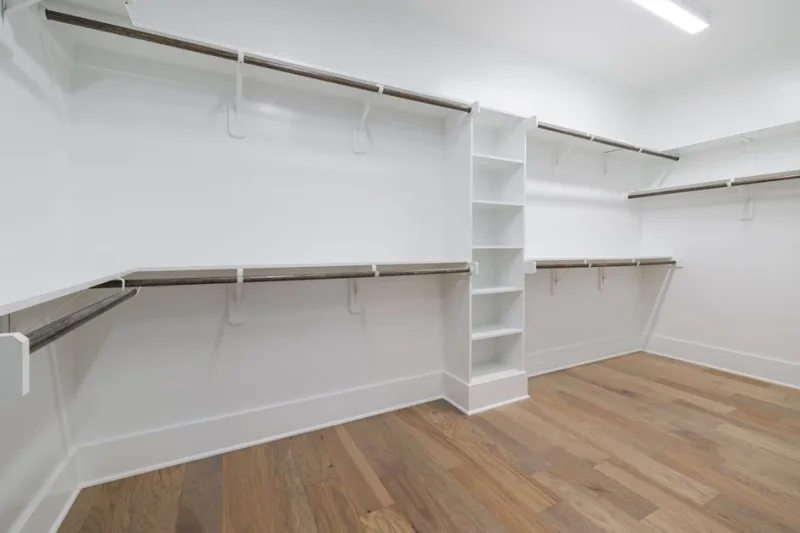
Luxury is partly about organization, right? Invest in a modular storage system — wall-mounted cabinets, tool racks, and shelving units that maximize vertical space. Better Homes & Gardens & Gardens has some gorgeous options, and The Home Depot carries affordable systems that look way more expensive than they are. Mount everything securely. Create zones: a workshop area, a storage wall, maybe a seating nook. Everything should have a home.
Step 7: Consider Climate Control (If Budget Allows)
 Budget Apartment Renovation: DIY Hacks That Actually Work
A luxury garage isn't sweltering in summer or freezing in winter. If you're going all-in, a mini-split HVAC system ($2,000-4,000) is transformative. Even if that's out of budget, insulate the walls, add proper weatherstripping, and seal gaps around the door. Your garage will be more comfortable and you'll save money on energy costs long-term.
Step 8: Add Finishing Touches
This is where personality happens. A quality workbench, comfortable flooring mats near work areas, attractive storage containers, maybe even some art or a statement mirror. Add a small seating area if space allows — suddenly your garage isn't just functional, it's a destination. These finishing touches are often inexpensive but make everything feel intentional.
Pro Tips
Measure Twice, Buy Once: Seriously. Measure your walls, ceiling height, and floor dimensions before purchasing anything. One miscalculation and you're either short supplies or have expensive leftover materials.
Ventilation is Non-Negotiable: Ensure your garage has proper ventilation. Install exhaust fans or make sure your existing systems work well. You don't want fumes, dust, or moisture hanging around.
Choose Colors Strategically: Light colors make spaces feel bigger and cleaner. Go with whites, light grays, or soft neutrals as your base, then add personality with accent colors or bold flooring.
Invest in Quality Where It Matters: Spend more on flooring and lighting — these are hardworking elements that show wear. You can save on decorative touches that are easier to swap out later.
Plan for Future Tech: Run extra electrical outlets and consider running conduit for future smart home additions. You'll thank yourself later when you want to add equipment or security cameras.
HGTV-Worthy Organization: Get a labeling system going. Clear storage containers with labels transform chaos into luxury. It's a small detail that makes a huge difference in how the space feels.
Cost Breakdown
← Scroll to see full table →
| Item | Cost Range | Priority Level |
|---|---|---|
| Concrete Cleaning & Prep | $0-200 | Essential |
| Epoxy Flooring (DIY) | $300-600 | High |
| Epoxy Flooring (Professional) | $1,500-3,000 | High |
| LED Lighting System | $300-600 | High |
| Wall Paneling & Paint | $400-1,000 | Medium |
| Storage Cabinets & Shelving | $500-2,500 | High |
| Workbench | $300-1,500 | Medium |
| Climate Control (Mini-Split) | $2,000-4,000 | Optional |
| Finishing Touches & Decor | $200-800 | Medium |
| Total (Budget-Friendly) | $2,500-4,500 | — |
| Total (Fully Upgraded 📷 Photo by Point3D Commercial Imaging Ltd. on Unsplash |