Designer Kitchen Layout with DIY Hacks: Transform Your Space Without Breaking the Bank
Okay, so here's the thing — you don't need a six-figure budget or a fancy kitchen designer to make your cooking space look like it walked straight out of a magazine. I've been obsessed with kitchen design for years, and honestly, some of my favorite layouts came from experimenting with budget-friendly hacks and a little creativity. The trick is understanding the fundamentals of good kitchen design and then knowing where you can cut costs without sacrificing style or functionality.
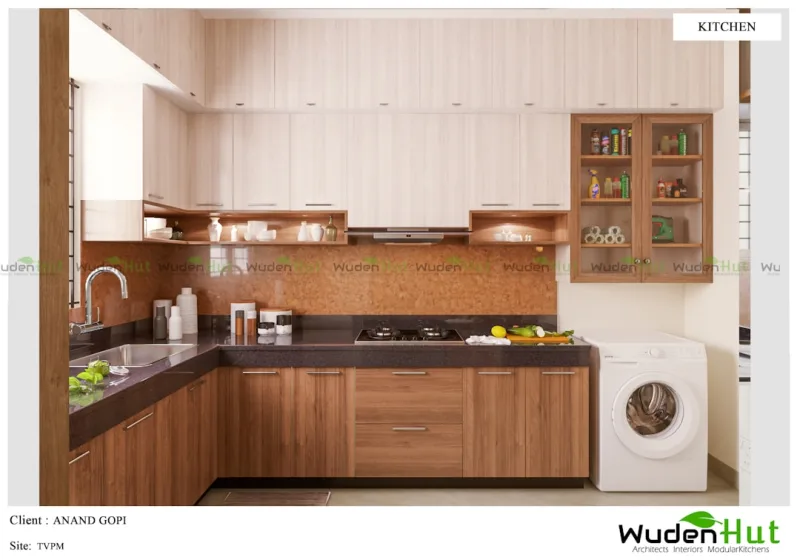
Whether you're working with a galley kitchen the size of a closet or a sprawling open concept, the same design principles apply. You need proper workflow, smart storage solutions, and visual balance. And the best part? You absolutely can nail that designer aesthetic by mixing strategic DIY projects with affordable materials from places like The The Home Depot.
Let me walk you through exactly how to create a kitchen layout that actually works — and looks incredible while doing it. We're talking about real solutions that I've tested and loved, not Pinterest-perfect fantasy kitchens that no human actually lives in.
What You'll Need
Materials & Tools
- Painter's tape — $4-8
- Kraft paper (to mock up layout) — $15-25
- Open shelving boards (pine or white oak) — $40-80 per shelf
- Floating shelf brackets — $20-40 per pair
- Cabinet hardware upgrades — $50-150
- Peel-and-stick backsplash tiles — $30-100
- Paint (cabinet or wall) — $25-60 per gallon
- Floating kitchen island top materials — $100-300
- Adhesive backsplash primer — $15
- Basic tools (drill, level, saw, measuring tape) — $0 (assuming you have these)
- Contact paper for countertop mock-ups — $10-20
Step-by-Step Guide
Step 1: Map Out Your Work Triangle (And Why It Still Matters)
Start with the fundamentals. The work triangle — formed by your sink, stove, and refrigerator — is the foundation of every functional kitchen layout. Grab some painter's tape and mark these three points on your kitchen floor. The ideal distances are between 4 and 9 feet between each point. If your kitchen is smaller (which most are), that's totally fine — just keep them closer together.
This isn't sexy stuff, I know. But getting this right is what separates kitchens that feel amazing from ones that drive you crazy every time you cook. Trust me, you'll notice.
Step 2: Create a Full-Scale Paper Layout
Before you move a single thing, mock up your entire kitchen using kraft paper or cardboard. I literally tape paper cutouts of my cabinets, appliances, and island to the floor. Sounds low-tech? Absolutely. But you'd be amazed how many design mistakes this prevents. Walk around your paper layout. Pretend you're cooking. Does your setup make sense? Are you doing awkward dances around each other if you both cook?
Take photos from different angles. Better Homes & Gardens & Gardens does this same technique, and honestly, it's the secret nobody talks about.
Step 3: Install Open Shelving for Visual Flow
This is where the design magic happens. Open shelving creates the illusion of more space — designer kitchens use this trick constantly. Find one wall (usually above your counter or beside a window) and install floating shelves. I'd recommend going with white oak or painted pine from The Home Depot; they're affordable and look intentional.
Here's my pro move: install floating shelf brackets ($20-40 per pair) into studs, then add a 12-inch-deep board. The key is styling them properly — don't just stuff them with junk. Group dishes, display a few cookbooks, add some greenery. It should look curated, not cluttered.
Step 4: Upgrade Your Cabinet Hardware
I cannot stress this enough — new knobs and pulls transform cabinets instantly. Spend $50-150 on hardware upgrades and your kitchen automatically looks more designer. Seriously. I'm not exaggerating. Swap out those builder-grade brass pulls for brushed brass or matte black. Your cabinets don't change, but suddenly they feel intentional and expensive.
Step 5: Add a DIY Floating Island
A floating island is a game-changer for function and aesthetics. You don't need expensive custom cabinetry — use a kitchen island base kit plus a beautiful wood or quartz countertop. Companies like HGTV have shown countless island builds for under $400. Position it perpendicular to your main workspace to create natural flow.
Step 6: Install a Statement Backsplash
 Budget Apartment Renovation: DIY Hacks That Actually Work
Peel-and-stick backsplash tiles ($30-100) give you the designer look without grout or professional installation. Measure your backsplash area carefully, prep the wall with primer, then install. The adhesive is forgiving enough to move tiles if needed, and honestly? Most people can't tell the difference between this and real tile from across the room.
Step 7: Paint and Prep the Walls
Fresh paint is underrated. A creamy off-white, soft gray, or even a bold accent color completely refreshes your space. Spend $25-60 on quality paint and invest a weekend in rolling it on. Cabinet paint is optional but impactful — if your cabinets are honey oak or dated white, a refresh makes everything feel new.
Pro Tips
Lighting is everything. You can have the most beautiful layout, but bad lighting ruins it. Under-cabinet LED strips cost about $25-50 and transform how your kitchen feels. Pendant lights over an island add style and function — don't skip this.
Use vertical storage obsessively. In smaller kitchens especially, go up. Floating shelves, wall-mounted magnetic knife strips, pegboards — these create workspace without eating into your floor plan. Designer kitchens look spacious because they maximize vertical real estate.
Color coordination matters. Pick a palette (say, white, gray, and natural wood) and stick with it. This is why designer kitchens look cohesive. When everything matches your scheme — hardware, backsplash, paint, shelving — the space feels intentional and curated.
Leave some breathing room. Don't jam-pack every surface. Negative space is what makes a kitchen feel calm and designed, not cluttered and chaotic. This is honestly the biggest difference between DIY kitchens that feel expensive and ones that feel like a craft project explosion.
Cost Breakdown
← Scroll to see full table →
| Project Element | Low Cost | Mid Cost | High Cost |
|---|---|---|---|
| Layout Planning | $15 | $30 | $75 |
| Open Shelving Installation | $60 | $150 | $300 |
| Cabinet Hardware Upgrade | $50 | $100 | $200 |
| Floating Island | $300 | $600 | $1,200 |
| Backsplash Tiles | $30 | $80 | $150 |
| Paint & Finishing | $50 | $120 | $250 |
| Lighting Updates | $40 | $100 | $300 |
| Total Project Cost | $545 | $1,180 | $2,475 |
FAQ
Q: Can I create a designer kitchen layout in a small space?
Absolutely. Small kitchens often look more designer because everything is intentional. Use vertical shelving, keep your color palette minimal, and make every inch count. Open shelving makes small spaces feel bigger. The work triangle becomes even more important in tight layouts — keep appliances close together so you're not constantly walking.
Q: How do I know if my floating island is the right size?
There should be at least 42-48 inches of clearance on all sides for walking and working. If your island is too big, it actually hurts functionality. Measure first, always. A 24-inch-deep by 36-48-inch-long island works for most home kitchens and looks proportional without overwhelming the space.
Q: Do I really need to hire a designer for a kitchen layout?
Honestly? No. If you follow the work triangle principle, think about traffic flow, and keep your style cohesive, you can absolutely design a functional, beautiful kitchen yourself. The advantage of a designer is they prevent expensive mistakes — but with good planning and these DIY hacks, you'll get 90% of the way there without the price tag.
Final Thoughts
Creating a designer kitchen layout doesn't require hiring expensive professionals or spending a fortune. It's about understanding the basics of good design — workflow, proportion, color coordination — and then having fun with the details. Some of my favorite kitchens are ones where people took their
📷 Photo by SHAIN SHA S on Unsplash