Smart Kitchen Decor for Beginners: Making Your Kitchen Actually Work (And Look Good)
Look, I get it. Your kitchen is where the magic happens — or at least where you're supposed to make dinner happen. But if your space feels cramped, chaotic, or just plain uninspiring, you're not alone. Here's the thing: smart kitchen decor isn't about buying expensive trendy stuff or hiring a designer. It's about making intentional choices that work for how you actually live.
When I started thinking strategically about my own kitchen a few years ago, everything changed. Not because I dropped thousands of dollars, but because I finally understood that good kitchen design is about function first, beauty second. And honestly? That's when the beauty naturally follows. This guide will walk you through exactly what beginners need to know to create a kitchen that's both practical and genuinely pleasant to spend time in.
Whether you're renting, planning a full refresh, or just want to make your current space work harder for you, these smart decorating strategies will get you there without overwhelming the budget or your brain.
What You'll Need
Before we jump into the details, let me break down the essentials. You don't need everything on this list — pick what makes sense for your situation. These are the building blocks of smart kitchen decor:
- Vertical Storage Solutions (wall-mounted shelves or magnetic strips) — $25-80
- Quality Lighting (under-cabinet LED strips or pendant lights) — $30-150
- Drawer Organizers (various sizes and materials) — $15-50
- Countertop Containers (glass or ceramic, matching set) — $20-60
- Wall Decor (prints, floating shelves, or a statement piece) — $15-100
- Textiles (kitchen towels, a small rug) — $10-40
- Paint or Peel-and-Stick Wallpaper (optional but transformative) — $15-50
- Cabinet Hardware (knobs or pulls, if updating) — $20-75
Start small. Seriously. Pick two or three items from this list and build from there. The The Home Depot is fantastic for storage solutions and lighting, while Better Homes & Gardens & Gardens has gorgeous affordable decor pieces that actually feel collected, not matchy-matchy.
Step-by-Step Guide
Step 1: Assess Your Space and Lifestyle
Before you buy a single thing, spend a week actually observing your kitchen. Where do you make your coffee? Where do dirty dishes pile up? What frustrates you the most? Write it down. Seriously. I used to think my kitchen was just "messy," but when I paid attention, I realized I had nowhere to hang my most-used utensils. That one realization changed everything.
Smart decor starts with understanding your real life. If you have kids, you need different solutions than a couple who rarely cooks. If you're a baker, you need accessible flour and sugar storage. The beautiful kitchens you see on HGTV work because they're designed for the people actually living in them.
Step 2: Declutter and Purge
I know, I know — you've heard this before. But here's why it matters for kitchen decor: you can't create a beautiful, functional space if it's packed with things you don't use or love. Spend a weekend going through your cabinets. Those fancy serving dishes you haven't touched in five years? Gone. The seven coffee mugs you never use? Keep your favorite three.
This step is free, and it's honestly the most impactful thing you'll do. Once you've cleared out the clutter, you'll naturally see what storage solutions you actually need. Your kitchen will already feel bigger and calmer — before you've spent a dime on new decor.
Step 3: Create Zones and Organize Strategically
Think about your kitchen workflow. You need a coffee zone, a cooking zone, a prep zone, and a cleaning zone. Once you've identified these areas, organize accordingly. Keep coffee supplies near your coffee maker. Store cooking oils and spices near your stove. Keep cutting boards and knives near your prep area.
Use drawer organizers to keep utensils separated and accessible. Get a magnetic strip for knives instead of crowding your block. Use clear containers for pantry items so you can see what you have. This isn't just practical — it looks intentional and beautiful too.
Step 4: Add Smart Lighting
Seriously, this is where kitchen transformation happens. Bad lighting makes everything feel dingy, even if it's spotless. Under-cabinet LED strips are game-changers — they're affordable, easy to install (peel-and-stick options exist), and they completely change the atmosphere. Plus, you can actually see what you're chopping.
If you're renting or hesitant about permanent changes, consider adding a couple of pendant lights over your counter or a decorative floor lamp in a corner. Lighting isn't just functional — it's the secret sauce of good design.
Step 5: Choose a Color Palette and Stick to It
 Budget Apartment Renovation: DIY Hacks That Actually Work
Pick three colors maximum. Maybe it's white, wood, and navy blue. Or maybe it's soft gray, cream, and sage green. Whatever speaks to you — but be intentional. This will guide every decorating choice you make. Your kitchen towels, your containers, your wall art, your hardware — they all should feel cohesive.
You don't need everything to match perfectly. That's not what smart decor is about. But it should feel like someone made choices together, rather than like things just accumulated randomly.
Step 6: Layer in Decor Thoughtfully
Now for the fun part. Add wall art that makes you happy. It doesn't have to be kitchen-specific — some of my favorite kitchen decor pieces are random prints I love. Hang open shelving with your prettiest dishes and glassware. Add a small plant or two. Use a small rug to define the space and add warmth.
Update cabinet hardware if you're feeling it — honestly, new knobs and pulls can make old cabinets feel fresh. Keep countertops relatively clear with only your most-used items on display. Everything else should have a home inside a cabinet or drawer.
Pro Tips
Embrace vertical space. Your walls are real estate. Wall-mounted shelves, pegboards, and magnetic strips maximize storage without crowding your counters. Plus, they look intentional and trendy.
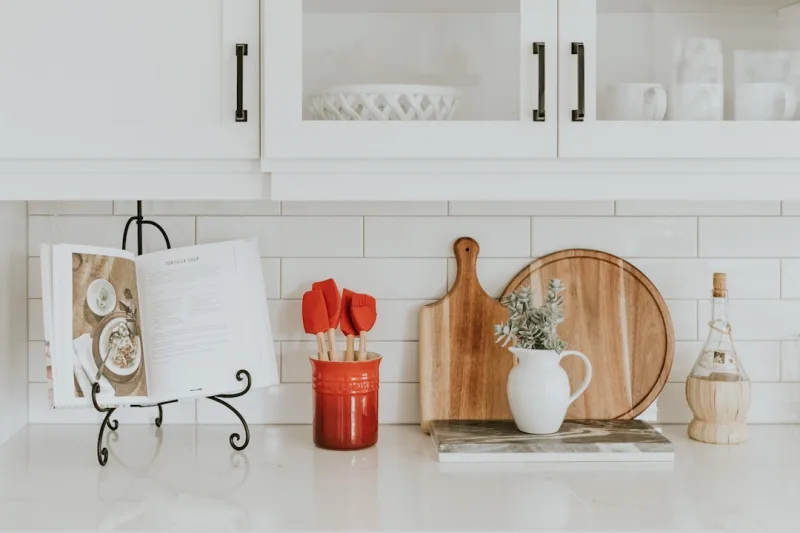
Invest in good containers. This might sound boring, but matching glass or ceramic containers for flour, sugar, pasta, and tea make your pantry look styled and curated. It's worth the $30-60.
Use mirrors strategically. A small mirror or mirrored backsplash can make a small kitchen feel bigger and brighter. It's a designer trick that actually works.
Don't forget texture. Mix materials — wood, metal, ceramic, glass. This creates visual interest and keeps things from feeling too matchy-matchy or sterile.
Think about your backsplash. Even renters can use peel-and-stick tile or wallpaper. It's temporary, affordable, and it completely changes the look. Better Homes & Gardens has fantastic options.
Keep it maintainable. Choose decor that you'll actually keep clean and enjoy maintaining. If a white kitchen looks stunning but stresses you out, pick cream or soft gray instead. Real life matters more than Instagram aesthetics.
Cost Breakdown
← Scroll to see full table →
| Item | Estimated Cost | Priority Level |
|---|---|---|
| Drawer Organizers | $15-50 | High |
| Under-Cabinet Lighting | $30-150 | High |
| Wall-Mounted Shelves | $25-80 | Medium |
| Countertop Storage Containers | $20-60 | High |
| Wall Art and Decor | $15-100 | Low |
| Kitchen Textiles | $10-40 | Low |
| Cabinet Hardware | $20-75 | Medium |
| Peel-and-Stick Backsplash | $15-50 | Medium |
| Total Budget (Minimal) | $100-200 | — |
| Total Budget (Full Refresh) | $350-650 | — |
Frequently Asked Questions
Q: I'm renting. Can I do this without making permanent changes?
A: Absolutely. This is actually designed with renters in mind. Skip the cabinet hardware upgrade and permanent backsplash. Instead, focus on peel-and-stick solutions, removable shelf liners, and temporary wall art. Drawer organizers, containers, and lighting strips (the adhesive kind) all come off cleanly. You'll be surprised how much you can transform without any damage to the space.📷 Photo by Becca Tapert on Unsplash