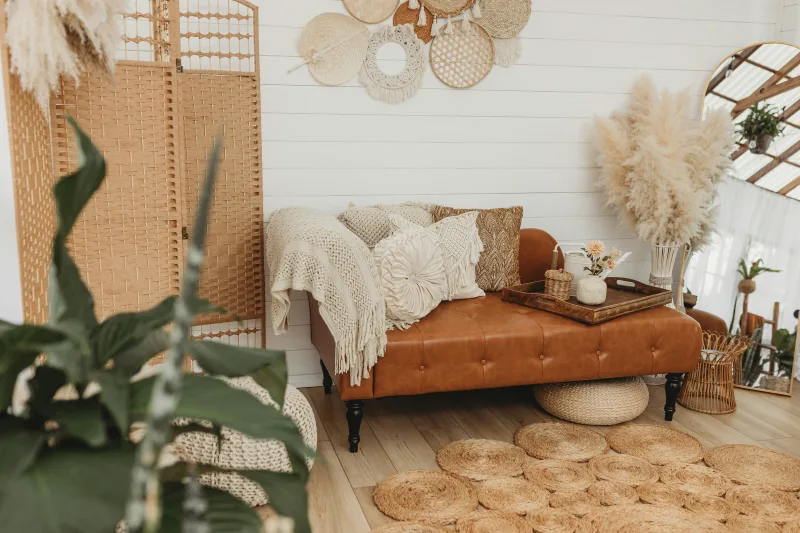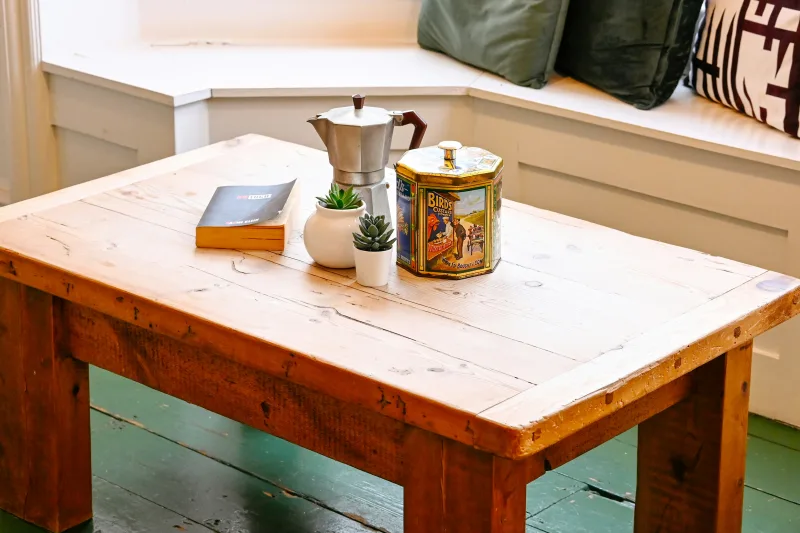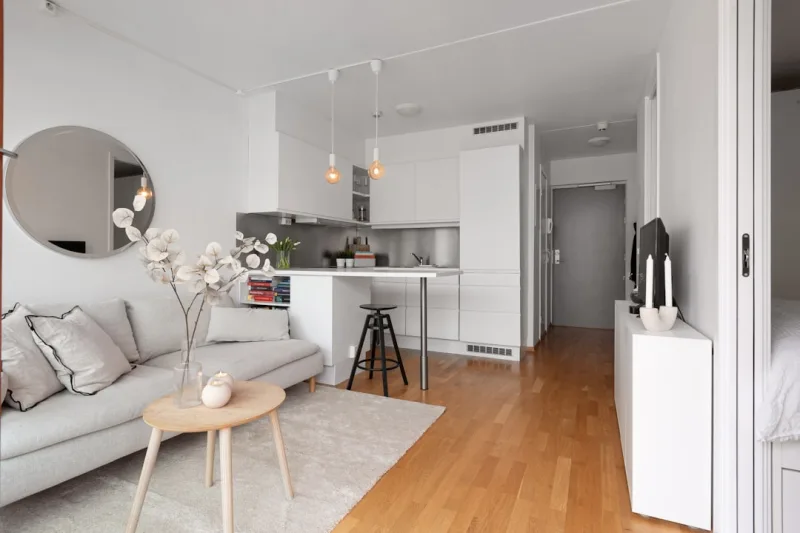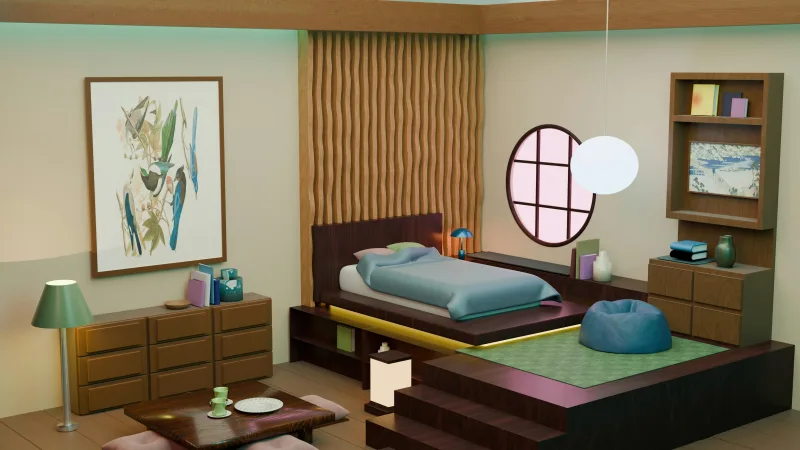
So here's the thing — japandi has absolutely taken over the design world, and honestly? It deserves the hype. This gorgeous fusion of Japanese minimalism and Scandinavian functionality creates this warm, inviting aesthetic that actually makes you feel calmer just being in the space. If you've been scrolling through Instagram and seeing those perfectly curated rooms with natural wood, clean lines, and that zen-like energy, chances are you've stumbled onto japandi.
The best part? You don't need a designer's budget or a contractor's crew to pull this off. I've been diving into japandi projects for years, and I'm here to tell you that creating this style is totally doable as a DIY project. We're talking about bringing together the understated elegance of Japanese design with that cozy Scandinavian warmth — and doing it yourself saves you serious money while giving you that custom feel that just hits different.
Throughout this guide, I'm walking you through everything you need to know to transform your space. From the specific materials you'll need to grab (check out The The Home Depot for most of these) to the actual step-by-step process, we've got you covered. Let's create something beautiful together.
What You'll Need
Before you dive in, let's talk about what you're actually getting for this project. The beauty of japandi is that you don't need fancy materials — it's about intentionality and quality over quantity.
- Natural Wood (Pine or Oak) — $15-40 per board at The Home Depot, depending on size
- Matte Black Paint or Stain — $8-15 per quart
- Lightweight Linen Fabric — $10-18 per yard from fabric stores
- Natural Jute Rope — $12-25 for a 50-foot roll
- Bamboo Shelving Materials — $20-50 depending on size
- Ceramic Pottery or Planters — $8-30 each at craft stores
- Minimalist Wall Decals or Frames — $5-20 per item
- Wood Stain (clear or light) — $8-15 per quart
- Simple Hardware (hinges, knobs) — $3-8 per piece
- Sandpaper Assortment — $6-12 per pack
- Wood Glue — $4-8 per bottle
- Basic Tools — Saw, drill, paintbrushes, measuring tape (assuming you have these)
Step-By-Step Guide
Step 1: Start With a Furniture Audit
Seriously — before you buy anything new, walk through your space with honest eyes. Japandi is about minimalism, so you need to eliminate what doesn't serve you. I typically start by removing about 30-40% of what's currently in the room. Donate it, sell it, or pass it to a friend. This isn't about being harsh; it's about creating breathing room. According to design experts at Better Homes & Gardens & Gardens, this clearing process is essential to japandi success because the style absolutely thrives in open, uncluttered spaces.
Step 2: Choose Your Core Wood Pieces
Japandi is all about natural wood — think light oak, warm pine, or honey-toned materials. Hit up The Home Depot and select wood pieces for your main furniture elements. Whether you're building floating shelves, a simple wooden bench, or coffee table top, choose wood that speaks to warmth, not coldness. The grain should feel organic. Use the clear wood stain to bring out the natural beauty, then seal it with a matte finish. This step usually takes me an afternoon and gives you that foundational warm tone that makes japandi feel so inviting.
Step 3: Create Japandi Wall Art
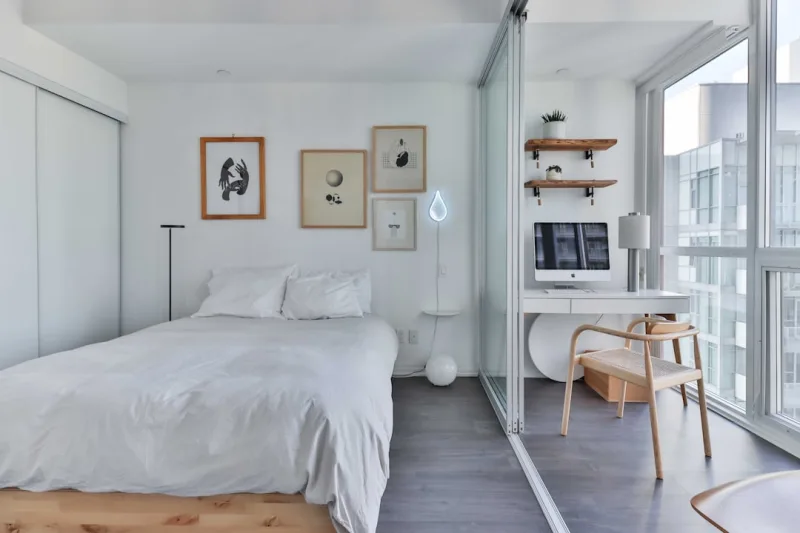
Here's where the Japanese influence really shines — simple, meaningful wall pieces. You can DIY this by creating minimalist line drawings on canvas (seriously, just a few brushstrokes of black ink on white linen), framing pressed plants, or printing simple geometric patterns on neutral backgrounds. The key is restraint. Don't overcrowd. One or two statement pieces per wall is the move. Frame them in simple natural wood frames — you can find these at craft stores for under $15-20.
Step 4: Build or Refinish Shelving
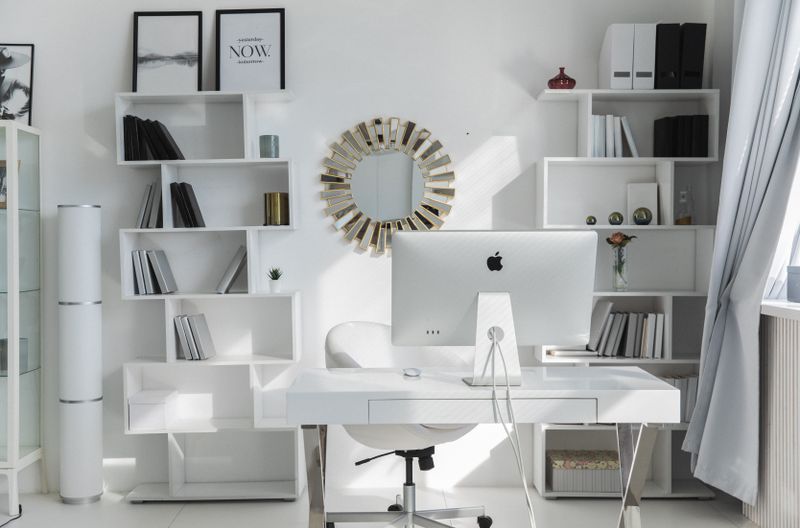
Floating shelves are japandi's best friend. If you're building from scratch, grab pine boards from The Home Depot (around $20-40 per shelf, depending on length) and install them with hidden brackets. If you already have shelves, that's even better — just sand them down, apply that light wood stain, and get rid of anything that doesn't belong there. Honestly, the best japandi shelf is a mostly empty shelf with just a few carefully selected items: a ceramic pot, a wooden bowl, maybe a simple book. That's it.
Step 5: Add Textile Softness
Natural fabrics are non-negotiable in japandi. Grab linen or cotton fabrics in cream, off-white, soft gray, and warm beige tones. Make simple throw pillows (you can find pillow forms at craft stores for $5-10 each), or repurpose existing pillows with new linen covers. The texture should feel substantial but soft — like something from a Scandinavian homeware line. I usually budget around $40-60 for textile elements in a room, and it absolutely transforms the warmth factor.
Step 6: Incorporate Natural Elements
 94 DIY Home Decor Projects: Ideas for Every Budget
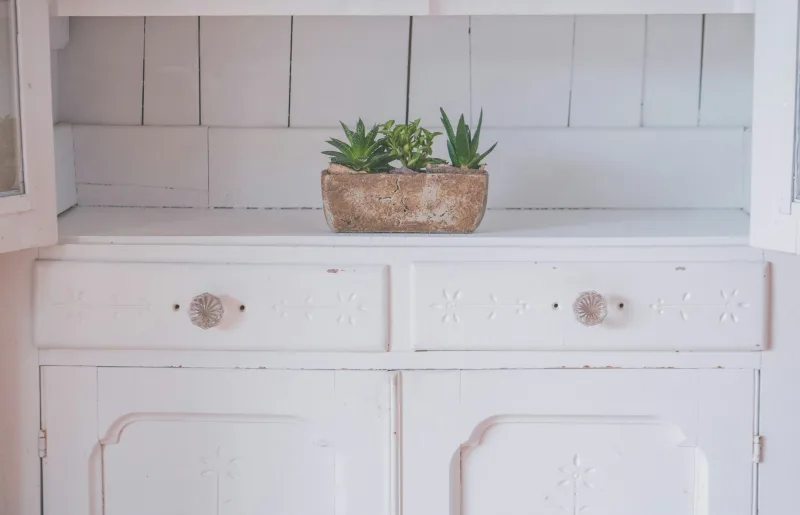
Potted plants, woven baskets, jute rope accents, and natural fibers are essential. You're basically bringing the outside in — but doing it in this super intentional, calm way. Place a few ceramic or wooden planters around your space, add a woven basket under your console table, or use jute rope to create wall hangings or shelf dividers. These touches add that organic, lived-in feeling that makes japandi feel so good.
Step 7: Lighting Is Everything
Soft, warm lighting changes everything. Swap out harsh overhead lights for paper lanterns, wood-framed lamps, or simple pendant lights in matte finishes. Japandi spaces need that warm glow — it's part of the whole vibe. I'm usually spending $30-80 on lighting updates, and it's always worth every penny.
Pro Tips
Embrace Negative Space — This is the hardest part for most people, honestly. We're conditioned to fill space, but japandi demands the opposite. Leave room to breathe. Your shelves should have empty areas. Your walls should have blank space. It's intentional and gorgeous.
Stick to a Color Palette — Limit yourself to five colors maximum. Think warm whites, soft grays, natural wood tones, matte black, and maybe one accent color in muted green or rust. This restraint is what makes japandi feel cohesive and calming.
Quality Over Quantity — Buy fewer items, but make them count. One beautiful wooden bowl beats ten random decorative pieces every single time. HGTV design experts consistently emphasize this principle, and it's central to japandi success.
DIY Your Own Ceramics — If you're feeling adventurous, take a pottery class or grab some air-dry clay and make your own pieces. There's something special about handmade ceramic items in a japandi space — they tell a story.
Layer Your Textures — Mix smooth wood with rough jute, soft linen with cool ceramic. Texture variation keeps the space interesting while maintaining that minimalist aesthetic.
Cost Breakdown
← Scroll to see full table →
| Item Category | Estimated Cost | Notes |
|---|---|---|
| Wood Materials & Stain | $80-150 | Shelving, furniture bases, stain supplies |
| Paint & Finishing | $20-35 | Matte black paint, varnish, brushes |
| Textiles (Pillows, Throws) | $50-80 | Linen fabric, pillow forms, thread |
| Natural Elements | $60-100 | Planters, baskets, jute rope, plants |
| Wall Art & Frames | $40-70 | Canvas, frames, printing, hanging hardware |
| Lighting Fixtures | $40-90 | Lamps, bulbs, fixtures |
| Hardware & Tools | $30-50 | Brackets, hinges, fasteners, basic tools |
| TOTAL ESTIMATED COST | $320-575 | Per room, depending on size and choices |
Frequently Asked Questions
Q: Can I use japandi style in a small apartment?
A: Absolutely — actually, japandi is perfect for small spaces. The minimalist approach and emphasis on negative space make small areas feel larger and less cluttered. I've seen stunning japandi studios and one-bedrooms that feel way more spacious than traditionally decorated apartments. Focus on vertical storage (floating shelves), keep your color palette tight
📷 Photo by Sreia Pythia on Unsplash