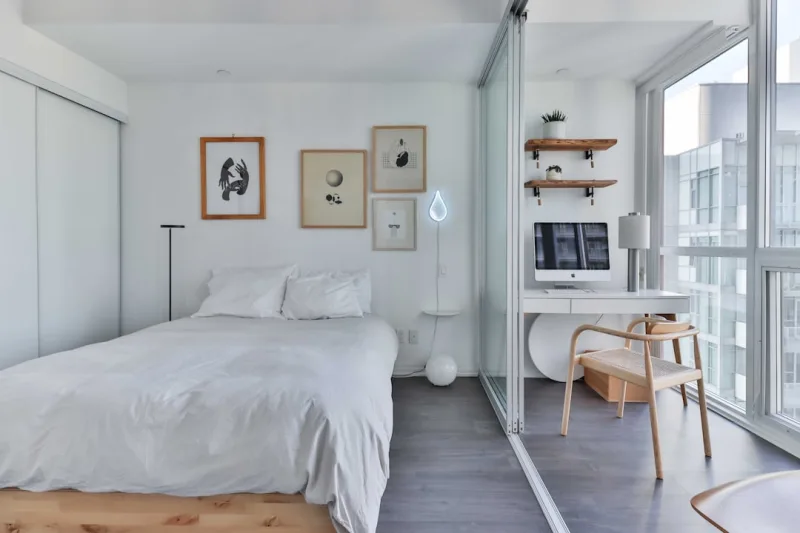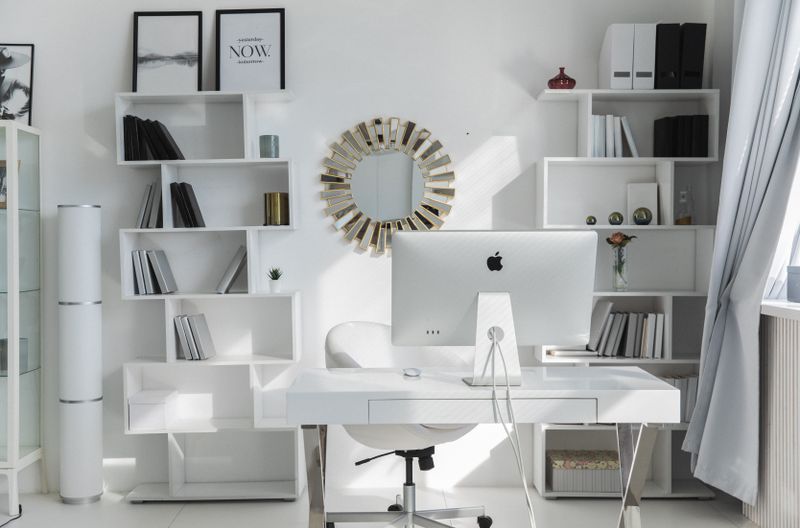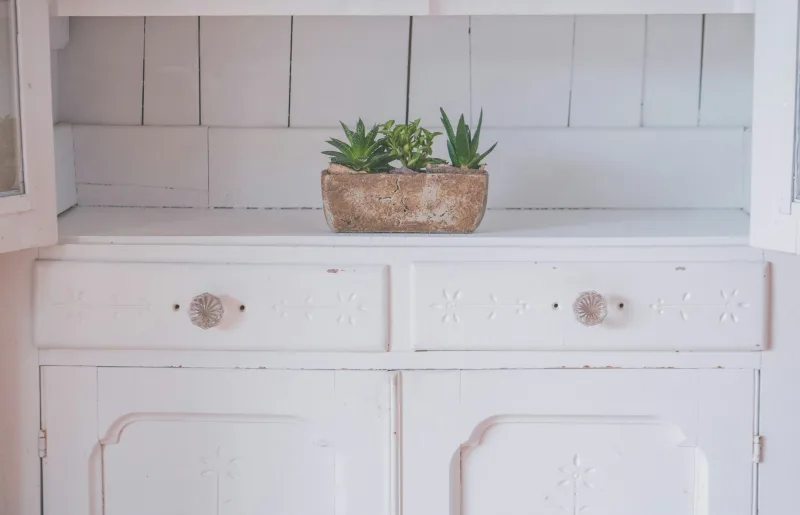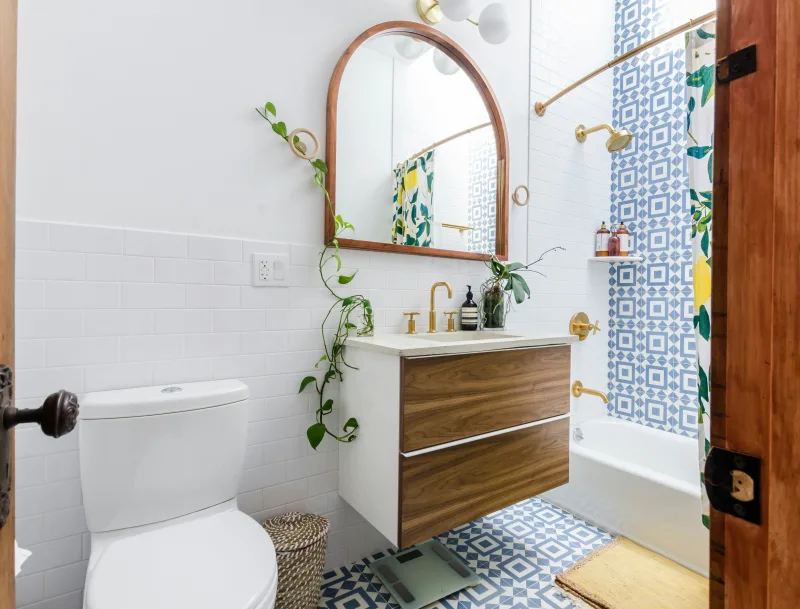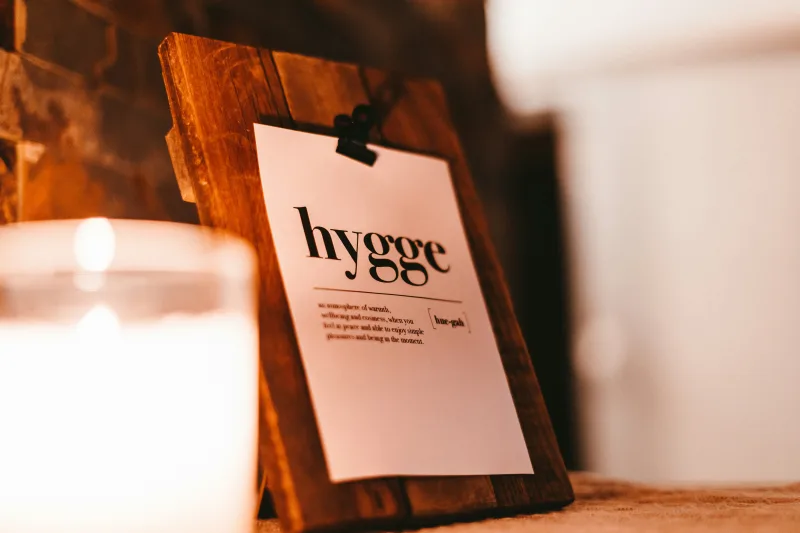
Look, I'm going to be honest with you — there's something magical about the Danish concept of hygge that just hits different. It's not just about throwing some blankets around and calling it a day. It's about creating this feeling of warmth, coziness, and genuine comfort in your home that makes you never want to leave. And here's the thing: you absolutely can do this yourself without dropping thousands of dollars on fancy interior designers.
I've spent the last few years obsessing over hygge design, and I've learned that the best hygge spaces are built gradually, with intention, and honestly — a lot of love. The beauty of DIY hygge is that you get to infuse your own personality into every corner while keeping that cozy, inviting vibe intact. Whether you're starting from scratch or refreshing a tired living room, these ideas will transform your space into the kind of home where you actually want to spend time.
The best part? Most of these projects won't require advanced skills or a massive budget. You're going to love how achievable this really is.
What You'll Need
Before you dive into creating your hygge haven, let's talk materials. I'm a big believer in starting with quality basics rather than cheap stuff that falls apart in six months. Here's what you'll realistically need:
- Soft lighting supplies — String lights, LED candles, or linen lampshades ($15-50)
- Natural textiles — Chunky knit blankets, linen throws, cotton cushion covers ($20-80)
- Wood elements — Reclaimed wood boards, natural branches, or wooden shelving ($10-60)
- Neutral paint or stain — Warm whites, soft grays, or warm taupes ($8-25 per quart)
- Candle-making supplies (optional) — Soy wax, fragrance oils, container jars ($20-40)
- Decorative baskets — Woven storage solutions in natural materials ($15-50 each)
- Plants and greenery — Pothos, ferns, or eucalyptus ($5-20 per plant)
- Nails, screws, and hardware — Basic installation supplies ($10-15)
- Adhesive and mounting tape — For renters who can't drill ($5-12)
- Natural fiber rugs — Jute or wool area rugs ($40-120)
You don't need all of these at once. I always recommend starting with lighting and textiles — those two elements alone will shift your entire space's energy.
Step-by-Step Guide
Step 1: Assess Your Current Space and Set a Vision
Before you buy anything, walk around your home and really look at what you're working with. Which room feels the coldest or most unwelcoming? That's probably your best starting point. Take some photos, save pins on Pinterest that resonate with you, and honestly just sit with the feeling you want to create. Do you want a bedroom sanctuary? A living room gathering space? A cozy reading nook? Your vision will guide every decision you make.
Step 2: Layer Your Lighting — This Is Non-Negotiable
Here's what separates hygge spaces from regular cozy spaces: lighting. And I mean proper lighting. You need to eliminate harsh overhead lights entirely — or at least make them dimmer. Start by investing in warm-toned LED bulbs (think 2700K color temperature) for existing fixtures. Then layer in additional light sources. I'm talking string lights draped above your sofa, a floor lamp with a soft linen shade in the corner, wall sconces flanking a mirror, and — my personal favorite — strategically placed candles on shelves and tables.
The goal is to create pools of warm light throughout the room rather than one bright source. This takes time to get right, but it's absolutely worth it.
Step 3: Introduce Natural Textures and Neutral Tones
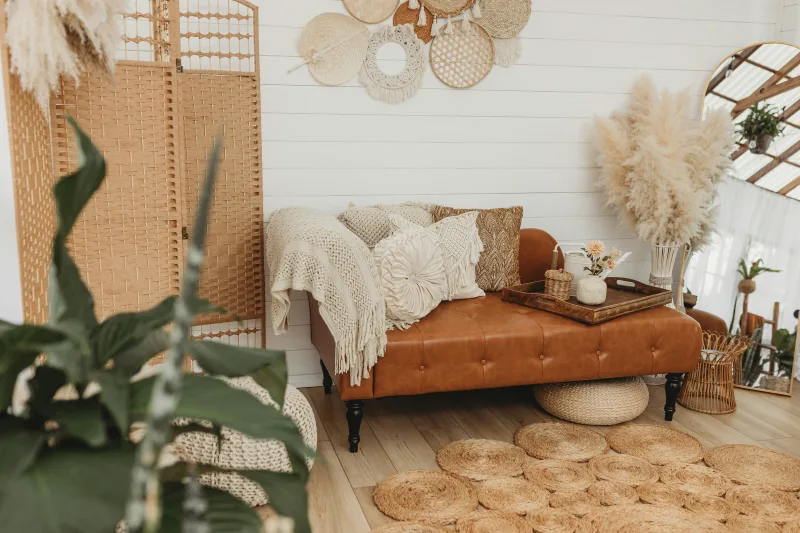
Hygge isn't about bold colors or statement walls — it's about creating a calm, neutral backdrop where everything feels approachable. Paint accent walls in soft, warm neutrals like cream, warm gray, or even a subtle taupe. If you're renting, absolutely skip this step and use textiles instead. Layer in natural materials: wooden furniture, woven baskets, linen curtains, and chunky knit throws. The texture is what makes these spaces feel expensive and sophisticated, honestly.
Step 4: Create Cozy Seating Arrangements
This is where the magic happens. Arrange your furniture to encourage conversation and coziness rather than facing everything toward a TV. Add oversized floor cushions, invest in a quality area rug (natural fiber is perfect), and pile on the blankets and throw pillows. Better Homes & Gardens & Gardens has some great inspiration for furniture arrangement if you're stuck. The idea is that people should want to sink into your space and stay awhile.
Step 5: Add Greenery and Natural Elements
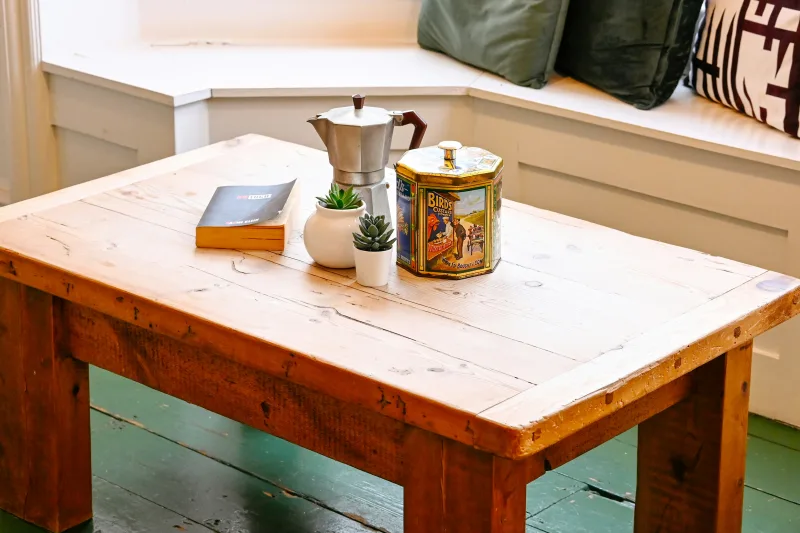
Live plants bring life and air-purifying qualities to any space. You don't need a ton — even three or four well-placed plants make a difference. Group them together on shelves or in corners. Add some branches in a tall vase, display some natural wood elements on your coffee table, or even create a small shelf display with stones, candles, and foraged items. This connects your indoor space to nature, which is a huge part of hygge philosophy.
Step 6: Curate Your Decor Thoughtfully
Less is genuinely more here. Don't overcrowd your shelves or fill every wall. Instead, choose pieces intentionally — a few favorite books, a meaningful piece of art, a collection you actually care about. The HGTV approach of "styling everything" doesn't work for hygge. You want breathing room and intentionality.
Pro Tips
 94 DIY Home Decor Projects: Ideas for Every Budget
Invest in Quality Basics: One really nice chunky knit throw beats five cheap blankets. Quality textiles feel better, look better, and last longer. I always recommend checking out The The Home Depot for solid wooden furniture pieces that won't fall apart.
Go Scent-Focused: Hygge appeals to all your senses, especially smell. Candles are essential, but also consider diffusers with natural scents like cedarwood, vanilla, or pine. Honestly, the right scent can elevate your entire space immediately.
Layer Your Textiles: Don't just throw one blanket on your sofa. Fold three different textures together — maybe a chunky knit, a linen throw, and a faux fur blanket. The visual and tactile appeal is incredible.
Keep It Warm-Toned: Even metallics should lean warm. Brass and copper beat chrome and silver every single time in a hygge space. Gold-toned accents feel cozier and more inviting.
Use Mirrors Strategically: Place mirrors opposite windows or light sources to bounce warm light around the room. This amplifies your lighting efforts without adding harsh brightness.
Cost Breakdown
← Scroll to see full table →
| Item Category | Low Cost | Mid Range | High Quality |
|---|---|---|---|
| Lighting (string lights, candles, bulbs) | $25 | $65 | $150 |
| Textiles (blankets, pillows, curtains) | $60 | $150 | $300 |
| Furniture (seating, shelving) | $100 | $400 | $800 |
| Decor & Accessories (baskets, plants, mirrors) | $40 | $100 | $250 |
| Paint & Hardware | $15 | $40 | $75 |
| Total Estimated Cost | $240 | $755 | $1,575 |
You can absolutely start with the low-cost option and upgrade items over time. That's actually how I built my own hygge spaces — gradually and intentionally.
Frequently Asked Questions
Can You Create Hygge in an Apartment or Rental Space?
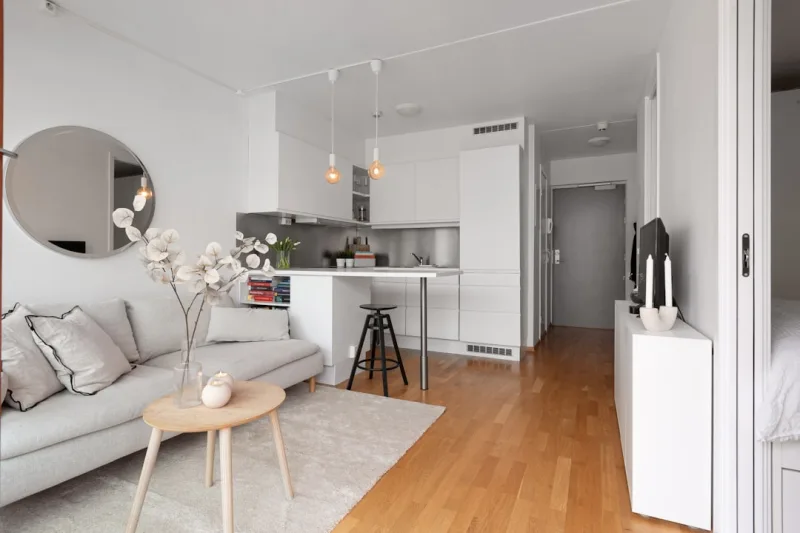
Absolutely, yes. You don't need to own your space to make it cozy. Focus on temporary solutions like removable wallpaper, adhesive wall hooks, renter-friendly lighting, and layered textiles. Use furniture arrangement and decor to define your cozy zones. Honestly, some of the best hygge spaces I've seen are in apartments because people had to be so intentional about their choices.
What's the Difference Between Hygge and Just Being Messy?
Great question because this is something people get confused about. Hygge is intentional coziness. Your space should be clean and organized, just relaxed in vibe. Everything should have a purpose and a place. A messy space feels chaotic; a hygge space feels peaceful. There's a huge difference.
Do I Need to Spend a Lot of Money to Get That Hygge Feel?
Not even close. I've created stunning hygge spaces on under $300. The secret is prioritizing correctly — invest in lighting and quality textiles first, then build around those. The most expensive thing should be your time and attention, not your budget.
Final Thoughts
Creating a hygge home isn't about following rules — it's about building a space that genuinely makes you feel good. It's about slowing down, being intentional, and surrounding yourself with warmth and comfort. The DIY approach means your space will be uniquely yours, inf
📷 Photo by Julian Hochgesang on Unsplash