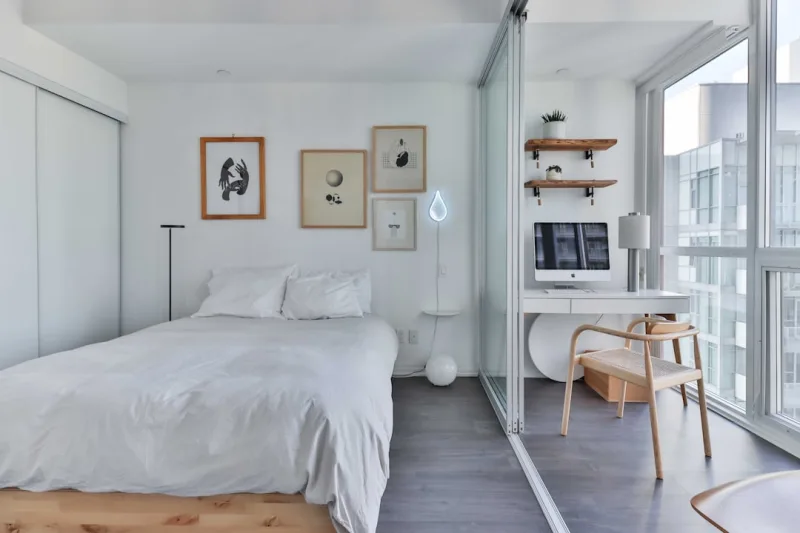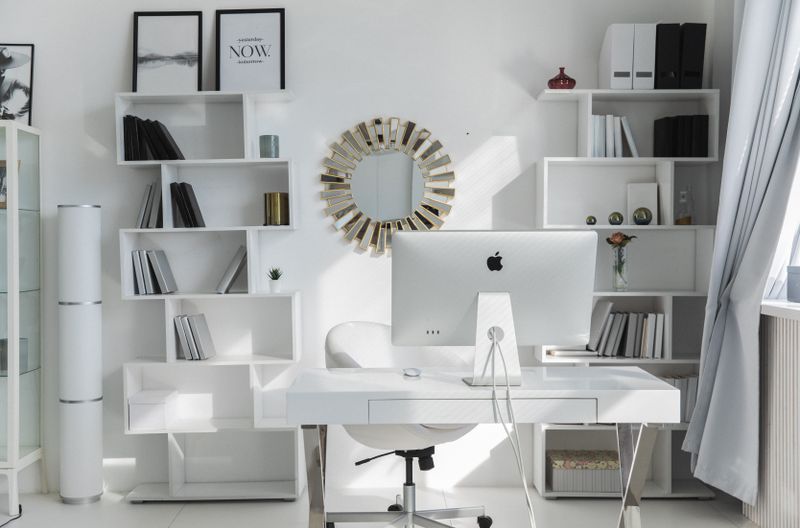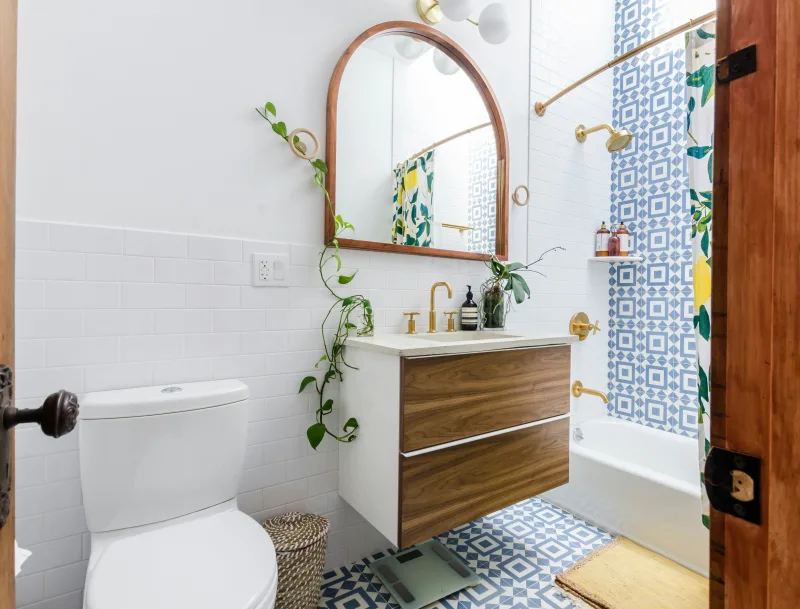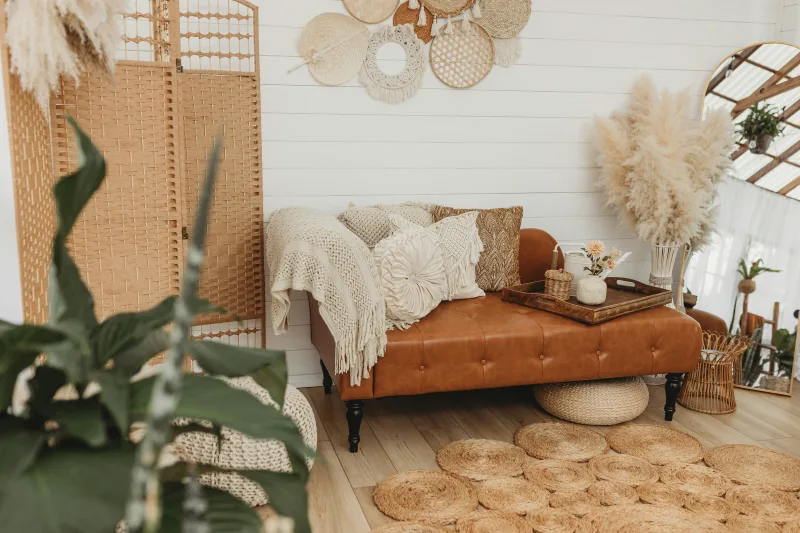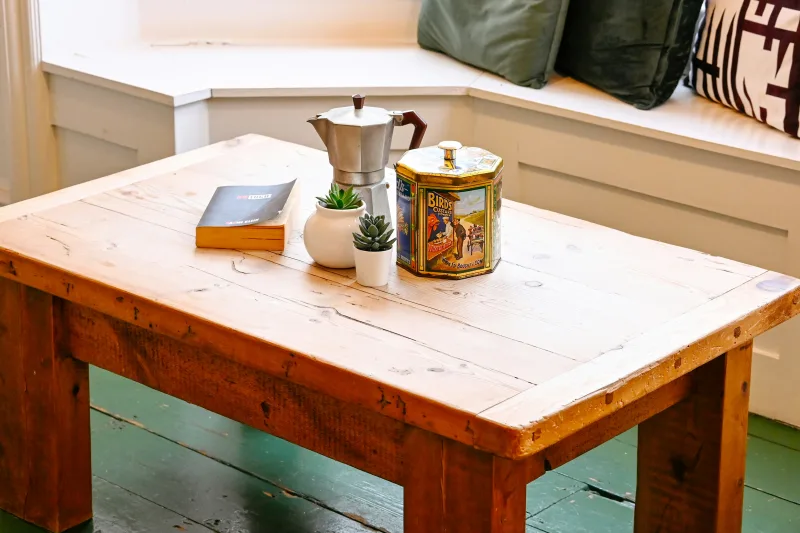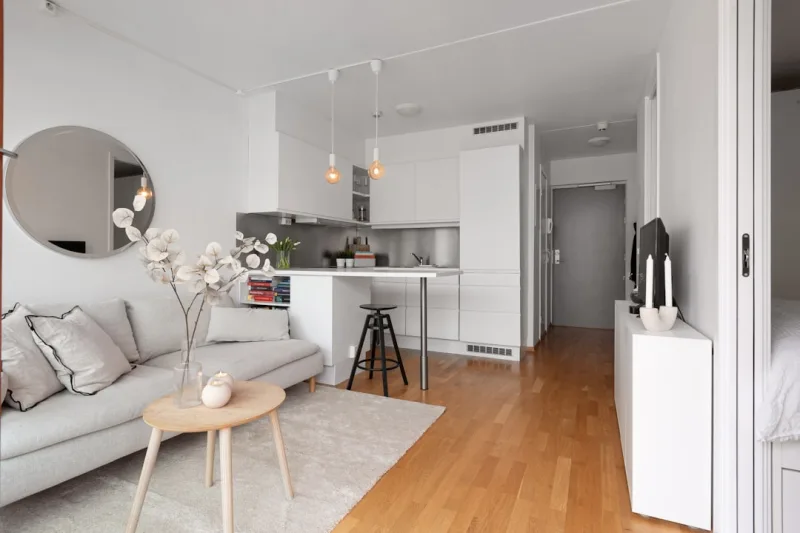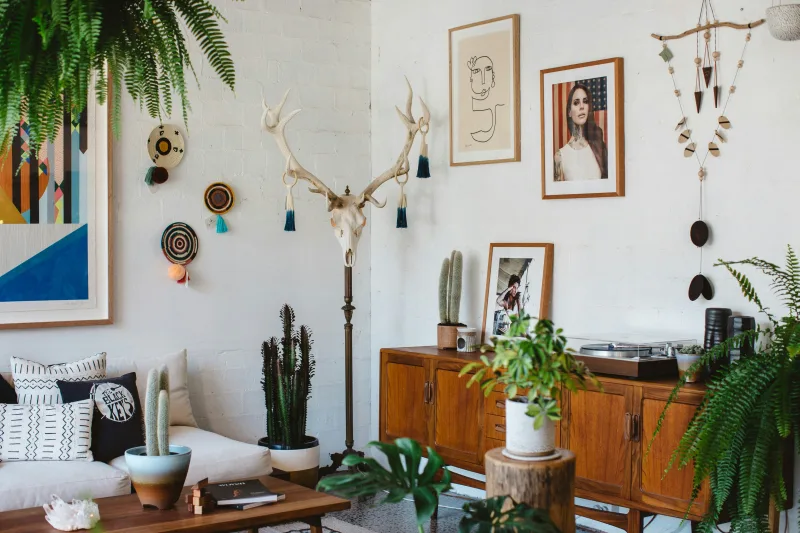
Look, I've been obsessed with interior design for years now — and 2026 is shaping up to be genuinely interesting. We're moving away from that sterile minimalism everyone was so obsessed with, and honestly? I'm relieved. The trends emerging right now are all about warmth, texture, and bringing back personality into our spaces. It's not just about what looks good in a photo anymore; it's about creating homes that actually feel lived-in and loved.
Here's the thing — most of these 2026 trends aren't just for interior designers with unlimited budgets. A lot of them are totally DIY-friendly, and that's what gets me excited. Whether you're talking about sustainable materials, earthy color palettes, or vintage-inspired pieces with a modern twist, you can absolutely nail these looks yourself without dropping a fortune. I'm going to walk you through exactly how to do it.
The best part? These trends lean into what we actually want in our homes right now — comfort, authenticity, and a little environmental consciousness. So grab your tools, get ready to get your hands dirty, and let's transform your space into something that feels completely you.
What You'll Need
Before we jump into the actual projects, let me break down the materials you'll need. Most of these items are standard stuff you can grab from The The Home Depot or even your local craft store.
- Reclaimed wood boards or peel-and-stick shiplap — $25-$80 depending on coverage area
- Eco-friendly paint (low-VOC) — $35-$55 per gallon
- Jute rope or macramé cord — $8-$20 per bundle
- Terracotta pots in various sizes — $15-$40 for a set
- Decorative shelving brackets (metal or wood) — $20-$60 per pair
- Vintage-look hardware (knobs, pulls) — $30-$80 for a set
- Natural fiber area rugs — $50-$150
- Wallpaper paste (if using peel-and-stick) — $10-$15
- Paintbrushes and rollers — $20-$40
- Sander or sandpaper assortment — $15-$35
Honestly, you don't need every single thing on this list. Pick and choose based on which trends speak to you. That's the beauty of DIY — you get to customize everything.
Step-by-Step Guide
Step 1: Create an Accent Wall with Sustainable Materials
This is my go-to move for anyone wanting to make a bold statement without overwhelming their entire room. The trend right now is focusing on natural, sustainable materials — think reclaimed wood, cork, or even peel-and-stick shiplap made from recycled materials.
First, measure your wall carefully. Seriously, don't skip this step — it saves so much frustration later. If you're going with peel-and-stick shiplap, prep your wall by cleaning it thoroughly and letting it dry completely. Start from the bottom and work your way up, pressing each board firmly as you go. Use a level constantly; trust me, your eyes will thank you later.
If you're feeling more adventurous and want actual reclaimed wood, you'll need to stud-find, use wall anchors or screws, and possibly call in a friend. But here's the payoff — your wall becomes a conversation piece. Paint it in one of those gorgeous earthy tones we're seeing everywhere in 2026, and you've got yourself a statement wall that feels intentional.
Step 2: Paint with Intention — Go for Warm, Earthy Tones
The color palette for 2026 is all about warmth. We're talking terracotta, sage green, warm taupe, deep chocolate — basically colors that make you feel like you're wrapped in a cozy blanket. And please, invest in low-VOC paint. Your lungs will appreciate it, and it honestly doesn't cost that much more.
Here's my pro tip: buy a quart of your chosen color first. Paint a large section of your wall and live with it for a few days. Lighting changes throughout the day, and you want to make sure you actually love it before committing to a whole room.
When you're ready to paint, use quality brushes — they make a genuine difference. One solid coat usually isn't enough with these deeper colors; plan for two coats minimum. The prep work is what really matters though — tape off your edges, protect your floors, and take your time.
Step 3: Add Texture with Natural Fiber Elements
This is where 2026 really gets interesting. We're layering in jute, linen, rattan, and other natural materials to create visual interest and warmth. Hang a macramé plant hanger in that corner you've been ignoring. String up jute rope as a plant display wall. Add a woven throw blanket to your sofa.
 94 DIY Home Decor Projects: Ideas for Every Budget
These pieces work because they're tactile. Your guests can literally feel the difference in your space. Grab some quality rope from Better Homes & Gardens & Gardens or online, and don't be shy about mixing different textures. The goal is intentional chaos, not perfection.
Step 4: Vintage-Inspired Hardware Upgrades
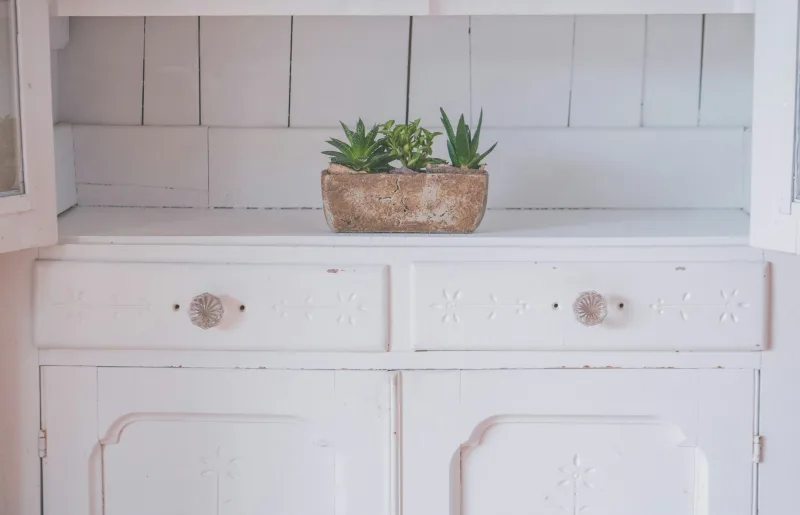
Okay, this is a seriously underrated move. Swapping out your cabinet hardware, door handles, and drawer pulls is genuinely one of the easiest upgrades you can make — and it completely transforms your space. We're seeing a lot of brass, aged bronze, and ceramic knobs with vintage vibes right now.
You'll need a drill (or a manual screwdriver if you're feeling old-school), a measuring tape, and about an hour. Simply remove your old hardware, measure the distance between mounting holes, and install your new pieces. That's legitimately it. Look at HGTV's hardware collections for inspiration — they've got some gorgeous 2026-appropriate options.
Step 5: Curate Your Plant Display
Plants are having a moment — and not just as background decoration. In 2026, we're treating them as actual design elements. Grab a collection of terracotta pots in varying sizes, add some trailing greenery, and arrange them on your shelves or windowsills intentionally.
The key is variety in height and pot size. Mix in some hanging planters, some on stands, and some on shelves. Use that jute rope or macramé to hang them at different levels. It feels collected and personal — like you've actually thought about it.
Pro Tips
Start small. Honestly, don't gut your entire home at once. Pick one room or even one corner and nail it. Your confidence will grow, and you'll actually enjoy the process instead of getting overwhelmed.
Source materials thoughtfully. Hit up thrift stores, estate sales, and antique shops for unique pieces. Some of my favorite decor finds came from random Saturday morning adventures. Plus, shopping secondhand aligns perfectly with the sustainability trend of 2026.
Mix old and new. Don't make everything vintage or everything modern. The sweet spot is blending eras — a modern sofa with vintage side tables, contemporary art above a reclaimed wood accent wall. That contrast is what makes spaces feel current and interesting.
Invest in good lighting. Seriously, this changes everything. Layer your lighting with overhead fixtures, task lighting, and accent pieces. It's 2026's secret weapon for making any space feel more intentional and expensive.
Trust your instincts. Pinterest is great for inspiration, but your home should reflect you, not some design influencer's aesthetic. If something makes you genuinely happy, include it. That's the real trend.
Cost Breakdown
← Scroll to see full table →
| Project Element | Low Budget | Mid Budget | Higher Budget |
|---|---|---|---|
| Accent Wall (Peel-and-Stick) | $40 | $80 | $150+ |
| Paint (Full Room) | $35 | $65 | $120 |
| Hardware Upgrade (12 pieces) | $30 | $70 | $150 |
| Macramé & Rope Displays | $20 | $50 | $100 |
| Plant Collection & Pots | $40 | $100 | $200+ |
| Natural Fiber Rug | $50 | $100 | $200+ |
| TOTAL ESTIMATED COST | $215 | $465 | $920+ |
These costs assume you're tackling one room and already have basic tools. You can absolutely start smaller and build up your collection over time.