Different Types of Home Decor Styles 2026: Complete Guide to Finding Your Perfect Home Aesthetic
Walking into your home should feel like wrapping yourself in a warm hug. Whether you're scrolling through Pinterest at midnight or daydreaming about your perfect space, choosing the right home decor style can feel overwhelming. But here's the truth: there's no "perfect" style—only the one that makes your heart sing. In 2026, we're celebrating the freedom to mix, match, and create spaces that genuinely reflect who we are. Maybe you're drawn to the cozy minimalism that helps you breathe, or perhaps you crave the eclectic warmth of maximalism. Whatever calls to you, understanding the different types of home decor styles is your first step toward creating a sanctuary that's authentically yours. Let's explore the styles that are capturing hearts and homes right now, and help you discover which one—or beautiful combination—speaks to your soul.


Understanding Different Types of Home Decor Styles
Home decor style isn't just about picking pretty things and arranging them on shelves. It's about creating an intentional environment that supports your lifestyle, reflects your personality, and makes you genuinely happy when you walk through your front door. Think of your decor style as the visual language of your home—it communicates something about who you are and what you value.
In 2026, we're seeing a beautiful shift away from rigid design rules toward more personalized, authentic spaces. Women are increasingly confident in breaking the "rules" of design and creating homes that honor both their aesthetic preferences and their practical needs. This is where understanding different styles becomes powerful—not as restrictive boxes, but as inspirational frameworks you can adapt.
Why does this matter? Because when you understand the foundational elements of different styles—the color palettes, the materials, the overall vibe—you can make intentional choices rather than random purchases. You'll know exactly what pieces to hunt for at The Home Depot, IKEA, and Amazon. You'll understand why certain furniture combinations feel "right" and why others clash. This knowledge becomes your design superpower.
Common mistakes happen when people try to force a style that doesn't align with their lifestyle. Maybe you love the serene minimalism of Scandinavian design, but you have three kids, a dog, and a pottery collection that requires visible storage. The answer isn't to abandon the style—it's to adapt it. That's why learning the bones of each style helps you customize rather than conform.
Planning Guide
Before diving into any decorating project, take time to plan. This prevents expensive mistakes and ensures your space evolves intentionally. Start by gathering inspiration, assessing your space, and identifying which style elements resonate with you. Use this checklist to guide your planning process:
- Create a vision board: Spend time on Pinterest and collect images that make you stop and stare. Save at least 50 images without overthinking—your intuition knows what you love.
- Identify your color palette: Look at your saved images and notice color patterns. Do warm neutrals appear repeatedly? Are there unexpected pops of jewel tones? This reveals your instinctive palette.
- Assess your lifestyle: Be honest about how you actually live. If you have pets, kids, or work from home, your style needs to accommodate real life, not just look pretty in photos.
- Measure your space: Get exact dimensions of your rooms, windows, and doorways. This prevents purchasing a gorgeous credenza that won't fit through your hallway.
- Set your budget: Decide how much you're willing to spend overall and per room. This helps you prioritize investments on items you'll keep long-term.
- Make a priority list: Rank which rooms matter most to you. Maybe your bedroom is your sanctuary while your guest bedroom is secondary. Allocate your budget accordingly.
- Research your favorite stores: Get familiar with inventory at Home Depot, IKEA, Amazon, and Better Homes & Gardens and Gardens. Know where to find items within your budget.
- Plan a timeline: Decide if you're doing everything at once or gradually. Gradual updates prevent buyer's remorse and let you adjust as you go.

Budget Breakdown
← Scroll to see full table →
| Under $50 | $50-$200 | $200+ |
|---|---|---|
| Throw pillows and covers | Small accent furniture pieces | Sofas and large seating |
| Wall art and prints | Area rugs (3x5 or 5x7) | Dining tables and chairs |
| Decorative mirrors | Lighting fixtures | Bedroom furniture sets |
| Candles and diffusers | Curtains and drapes | Modular shelving units |
| Plants and planters | Console tables | Built-in or standalone desks |
| Books and decorative boxes | Bookshelf units | Kitchen islands |
| Ceramic bowls and vases | Storage benches | Bedroom bed frames |
| Drawer organizers | Pendant lights | Sectional sofas |
Step-by-Step Guide
Creating a styled home that actually feels like "you" doesn't happen overnight, and that's okay. Follow these seven steps to build your aesthetic intentionally and authentically.
Step 1: Identify Your Core Style
Start by recognizing which style or combination of styles resonates with your soul. Are you drawn to the clean lines and functionality of Scandinavian design? The warm, lived-in feeling of farmhouse? The eclectic, collected-over-time vibe of bohemian? Maybe you love the glamour of art deco or the simplicity of modern minimalism. Spend a week intentionally noticing what makes you pause. Save images, take screenshots, and trust your gut. Your core style is about what genuinely appeals to you, not what you think should appeal to you.
Step 2: Create Your Design Foundation
Your design foundation includes your paint colors, flooring, and large furniture pieces. These are your anchors. If you're renting and can't paint, your foundation might be your sofa and area rugs. Choose neutral or calm base colors that you genuinely love. This is where many people stumble—they pick trendy colors they don't actually connect with. Instead, choose colors you'd be happy living with for five years. Think soft creams, warm grays, muted greens, or soft blues rather than highly saturated colors that trend and fade.
Step 3: Layer in Your Color Story
Once your foundation is solid, add depth through accent colors and varied tones. If your walls are warm white and your sofa is gray, your accent color might be deep forest green, warm terracotta, or dusty blue. Layer these colors through pillows, artwork, throws, and plants. The key is repetition—repeat your accent colors throughout your space so it feels cohesive rather than random. A jewel-tone pillow on your sofa might echo in your bedroom curtains and again in your hallway art.
Step 4: Select Your Key Furniture Pieces
Invest in quality furniture that aligns with your style and lifestyle. If you have kids and pets, beautiful fabric upholstery that can't handle mess will only stress you out. Look for quality pieces at Home Depot, IKEA, and Amazon that fit your aesthetic and your life. A solid wood credenza fits farmhouse, mid-century, and eclectic styles. A low-profile platform bed works for multiple aesthetics. Choose pieces that are slightly timeless so you can evolve your styling without replacing furniture.
Step 5: Add Personality Through Accessories
Accessories are where your personal story shines. This is where you add family photos, collected items, meaningful objects, and pieces that make your home distinctly yours. Don't feel pressured to style everything perfectly—lived-in homes are the coziest homes. Your grandmother's vase, your travels' treasures, and your collection of beloved books tell your story better than any perfectly curated magazine spread. Group items intentionally rather than scattering them, and rotate seasonal accessories to keep your space feeling fresh.
Step 6: Consider Lighting and Texture
Lighting transforms a space emotionally and functionally. Layer your lighting with overhead fixtures, task lighting for reading or working, and ambient lighting from lamps and candles. Different bulbs create different moods—warm white light feels cozy, while cool white feels energizing. Don't overlook texture either. Mix smooth leather with soft linen, rough wood with polished metal, and plush rugs with sleek tiles. Texture creates visual interest and makes your space feel inviting to touch, not just to look at.
Step 7: Edit and Evolve
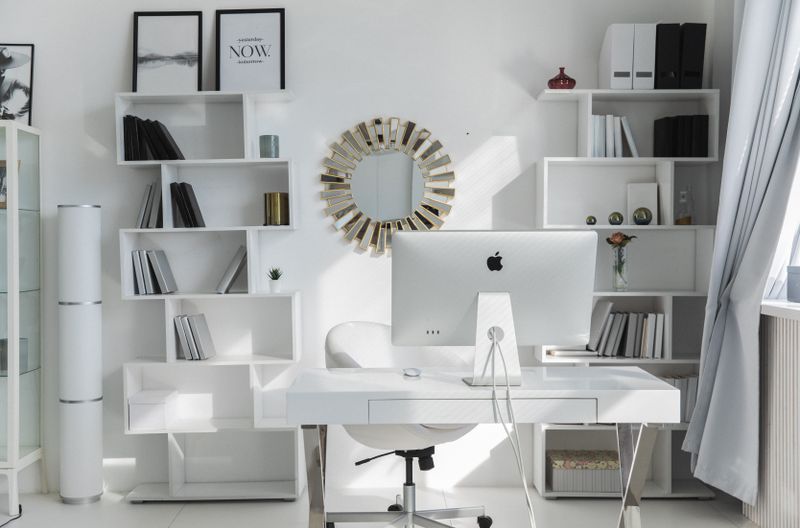
 Minimalist Home Office Decor: Best Amazon Finds 2026
Live in your space before considering it finished. Spend a few weeks noticing what works and what doesn't. Does that beautiful console table actually get used or does it just collect clutter? Are you genuinely happy with your color choices when you see them in natural light? Design evolution is normal and healthy. Give yourself permission to adjust, change, and evolve your style as your life and preferences shift. Your home should grow and change with you, not remain frozen in time.
Best Styles and Products
Understanding what defines each style helps you curate a cohesive, beautiful home. Here are four popular styles in 2026 that continue to capture hearts, along with product recommendations that embody each aesthetic.
Scandinavian Modern
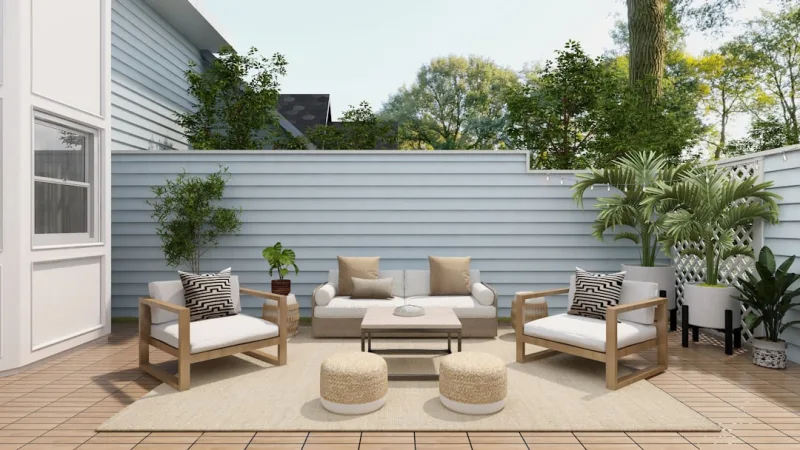
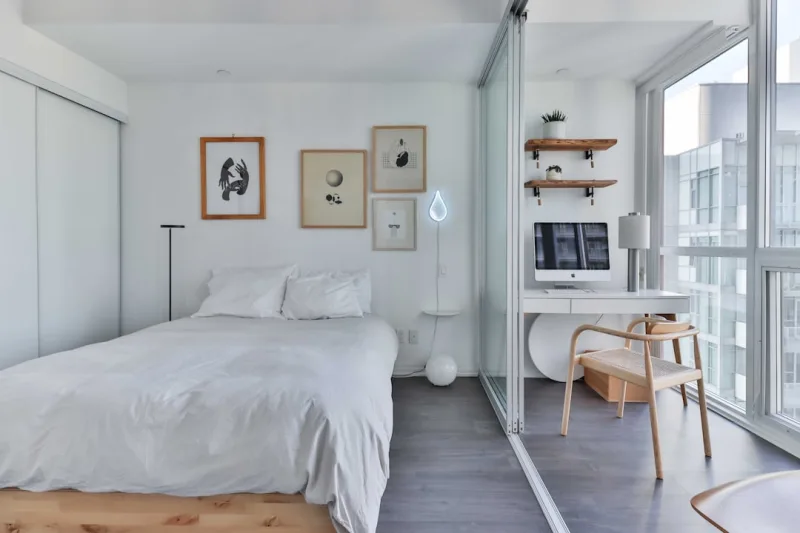
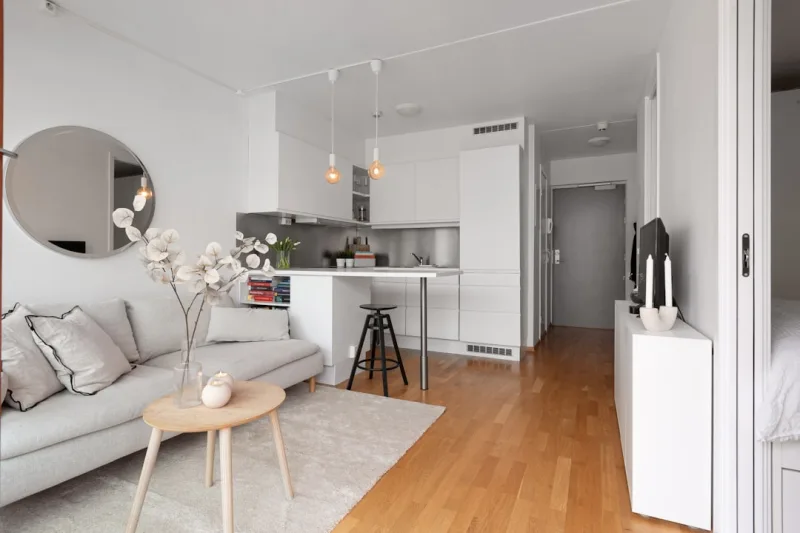
Scandinavian design centers on minimalism with warmth, functionality with beauty, and intentional simplicity. Think light, airy spaces with natural wood, soft textiles, and a restrained color palette of whites, grays, blacks, and one or two accent colors. This style prioritizes quality over quantity and timeless design over trends. It's perfect for people who love clean spaces but crave coziness.
Product Recommendations:
- IKEA Billy Bookshelf ($99.99) - Simple, functional, and works with any style
- Amazon Linenspa Throw Blanket in Cream ($34.99) - Soft, versatile, and perfectly minimal
- Better Homes and Gardens Wood Coffee Table in Natural ($129.99) - Clean lines, natural material
Farmhouse & Cottage Style
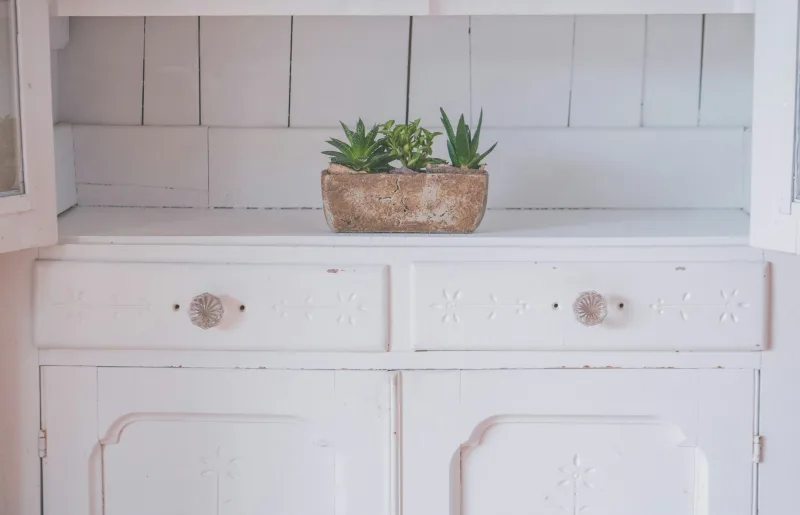
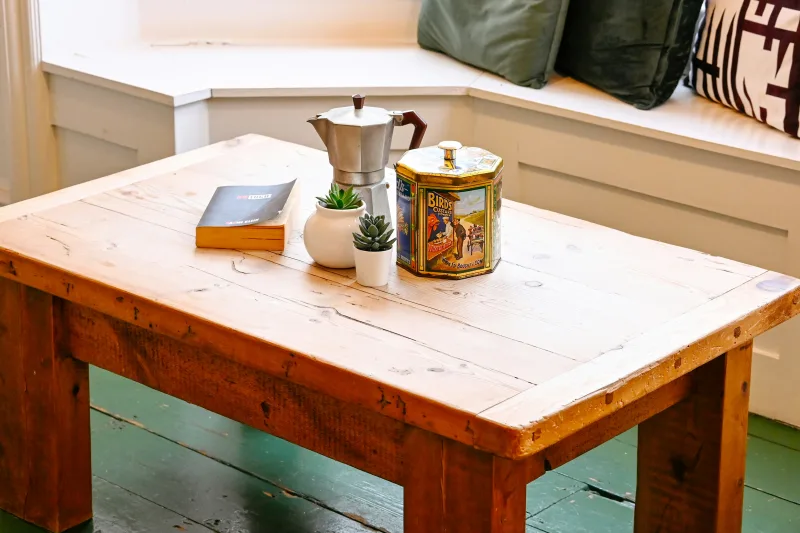
Farmhouse design celebrates comfort, character, and collected-over-time charm. It embraces worn wood, vintage finds, cozy textiles, and a warm, lived-in aesthetic. This style says "come sit on my porch and stay a while." It's increasingly inclusive of farm-fresh cottages, modern farmhouse minimalism, and eclectic farmhouse that mixes eras and styles. Perfect for people who value coziness and authenticity.
Product Recommendations:
- Home Depot Threshold Farmhouse Coffee Table ($189.00) - Rustic wood meets functionality
- Amazon Vintage-Inspired Metal Bucket ($28.50) - Perfect for farmhouse styling
- IKEA Linen Curtains in Natural ($34.99) - Soft, textured, farmhouse-perfect
Bohemian & Eclectic
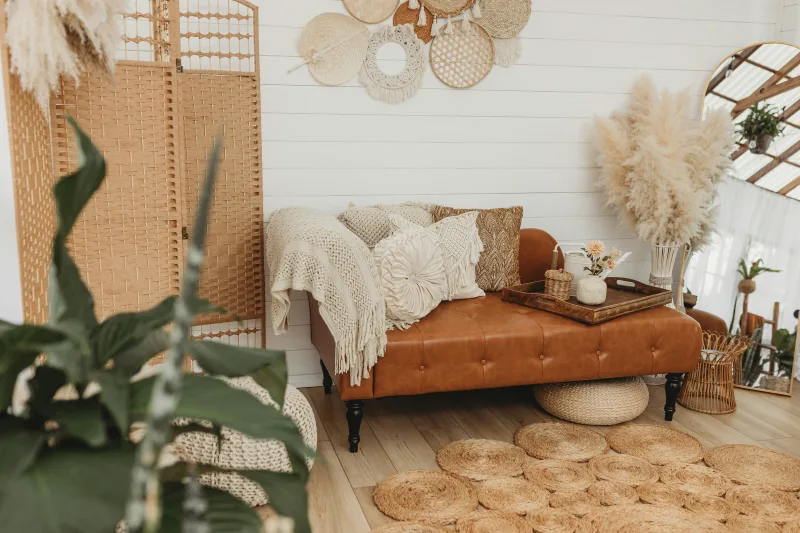
Bohemian design celebrates color, pattern, global influences, and fearless self-expression. It's about collecting pieces you love and letting them coexist harmoniously, even if they don't match. Think layered rugs, mixed metals, vintage and new pieces together, plants everywhere, and a warm, inviting vibe. This style is perfect for creative people, travelers, and anyone who loves color and personal expression.
Product Recommendations:
- Amazon Macramé Wall Hanging ($24.99) - Textural and very bohemian
- Better Homes and Gardens Patterned Area Rug ($249.99) - Boho color and design
- IKEA Assorted Woven Baskets ($15-$45) - Storage meets aesthetic
Modern Minimalist
Modern minimalism takes minimalism further, focusing on clean lines, neutral palettes, and absolutely nothing you don't use or love. It's often monochromatic or limited to two to three colors. This style prioritizes mental clarity, functional design, and the beauty of empty space. Perfect for people overwhelmed by clutter or who work in creative fields and need calm homes.
Product Recommendations:
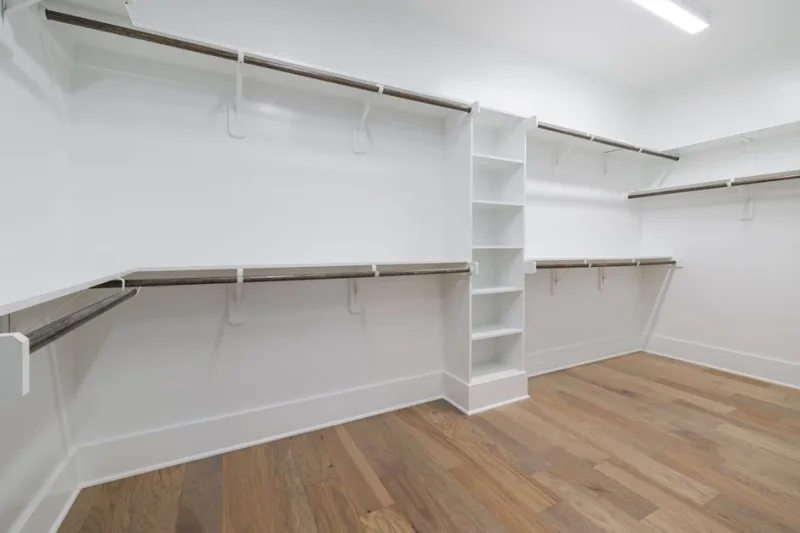
- IKEA PAX Wardrobe System ($500+) - Ultimate minimalist organization
- Amazon Minimalist Metal Shelving Unit ($149.99) - Function, form, and nothing extra
- Home Depot Neutral Paint in Pale Frost ($35 per gallon) - The perfect minimal white
Expert Tips
After years of designing homes that truly work for real women's lives, these expert tips will help you avoid common pitfalls and create a space you'll love long-term.
1. Start with lighting before anything else. Lighting dramatically changes how colors look and how a space feels. Before investing in paint or furniture, get the lighting right. You might discover that warm-toned lights make a space feel completely different than cool-toned lights.
2. Buy larger rugs than you think you need. A common mistake is choosing rugs too small for spaces. A rug should anchor your furniture grouping, not float alone in the middle of the room. For a living room, aim for a 5x8 or 6x9 minimum.
3. Mix old and new, expensive and affordable. Invest in quality pieces you'll keep (your sofa, bed, dining table), then fill in with affordable finds from IKEA, Amazon, and Home Depot. This prevents your home from looking generic or feeling financially impossible to maintain