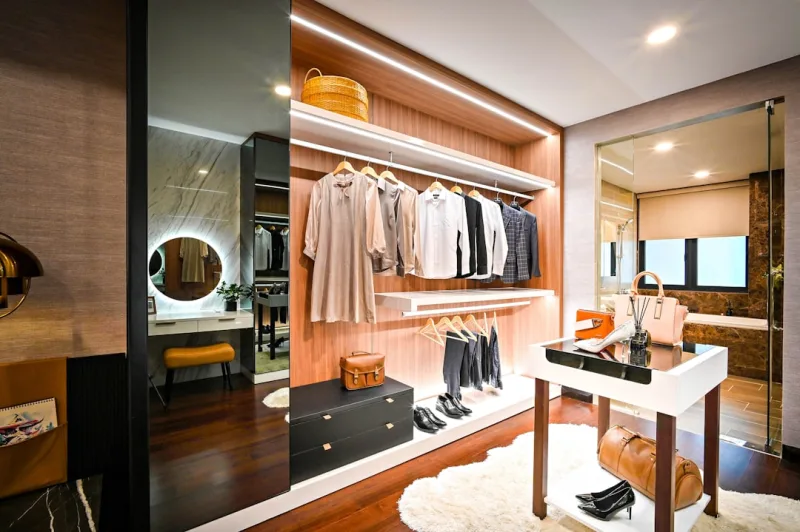
High End Closet Layout for Beginners: Your Step-by-Step Design Guide
Look, I get it. You've scrolled through those perfectly organized celebrity closets on Instagram, and suddenly your own feels... well, like a disaster. But here's the thing — creating that luxe, high-end closet vibe doesn't require hiring a professional organizer or dropping thousands of dollars. What it does require is a solid plan, the right materials, and honestly, a little patience with yourself as you figure out what actually works for your life.
I've helped dozens of people transform their closets from chaotic catch-alls into spaces that actually feel good to open every morning. And I'm talking beginners here — people who've never organized anything more complex than their spice rack. The secret isn't some mysterious design magic. It's understanding your space, choosing quality basics that'll last, and setting up a system you'll actually maintain. That's it.
Whether you're working with a walk-in, a reach-in, or basically a glorified closet rod in the corner, you can absolutely create that high-end aesthetic. Let's break down exactly how to do it.
What You'll Need
Before you start measuring and dreaming, grab these essentials. I'm going to give you the honest breakdown — what matters and what doesn't.
- Heavy-duty closet rod and hardware — $40-$80 (brands like Rubbermaid from The The Home Depot are solid)
- Shelf brackets and shelving — $60-$150 (floating shelves look amazing, but wire shelving works too)
- Premium wooden hangers — $25-$50 for a starter set of 20-30
- Drawer organizers and dividers — $30-$60
- Storage bins or boxes (fabric or wood veneer) — $50-$120
- Hanging shoe organizer or shoe rack — $25-$45
- LED strip lighting — $20-$35 (game changer, trust me)
- Labels and label maker — $15-$30
- Measuring tape, level, and basic tools — $25-$40 (if you don't already own these)
- Paint or wallpaper for the back wall (optional but stunning) — $15-$50
Total estimated investment: $305-$660 depending on your closet size and how many bells and whistles you want.
Step-by-Step Guide
Step 1: Empty Everything and Actually Measure Your Space
I know, I know — this sounds obvious. But you'd be shocked how many people skip this. Pull everything out. And I mean everything. Coats from three years ago, those jeans you swear you'll fit into, that dress you wore once to a wedding. Get it all out.
While your closet is empty, measure the dimensions. Height, width, depth. Measure where your existing rod is. Check for awkward angles or weird architectural quirks. Take photos from different angles — seriously, your phone is your best friend here. These measurements are going to inform literally every decision you make next.
Step 2: Sort, Donate, and Curate
This is where the magic starts. You can't build a high-end closet on a foundation of stuff you don't actually wear. Sort everything into three piles: keep, donate, and trash. Be honest with yourself. That fabric pulls? Gone. Those shoes that hurt? Goodbye.
Here's my rule: if you haven't worn it in a year and it doesn't make you feel amazing, it doesn't deserve space in your curated closet. A high-end aesthetic is built on quality over quantity, and that starts with ruthless editing. Better Homes & Gardens & Gardens actually has some great guides on this if you need extra motivation.
Step 3: Plan Your Layout on Paper (or Use an App)
Grab a piece of paper or use a simple sketch app on your phone. Map out your closet. Where will your long hanging space go? Where will you put shelves for folded items? Do you need a dedicated shoe area? A place for bags?
Think about your actual daily routine. If you wear pants and blazers most days, give them prime real estate. If you've got a ton of sweaters, make sure your shelving can accommodate them. This isn't just about looking good — it's about functionality.
Step 4: Install Hardware and Shelving
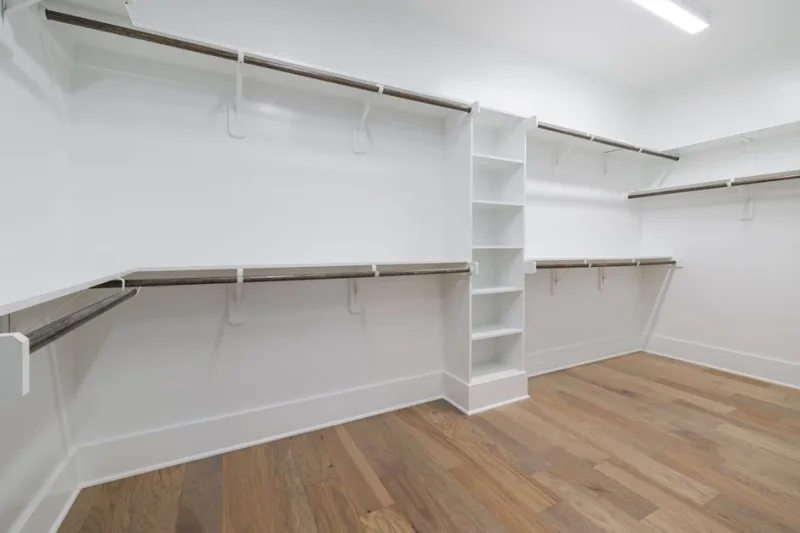
Now we're getting into the actual building part. Use your measurements and level to install your closet rod at the right height. Standard is around 65 inches for hanging, but adjust based on your space and what you're hanging.
 Budget Apartment Renovation: DIY Hacks That Actually Work
Install shelf brackets and shelving next. Double-rod setups are clutch if you've got shorter items like shirts and jackets — you can basically double your hanging space. The Home Depot has installation guides for most standard setups, and honestly, YouTube is your friend here. There's no shame in watching a three-minute tutorial.
Step 5: Add Lighting
This is the step that separates a nice closet from a luxury one. LED strip lighting changes everything. It's affordable, easy to install with adhesive backing, and makes your closet actually usable when you're getting dressed in the morning. Plus, it genuinely makes everything look better.
Step 6: Bring Back Your Clothes — Strategically
Start placing your curated items back. Long hanging items on top. Folded sweaters on shelves. Shoes in your organizer. But here's where the "high-end" part really clicks in: arrangement and presentation matter.
Hang items by type (all pants together, all blouses together). Within each category, organize by color or season. Use quality wooden hangers — they look better and actually last. No more wire dry cleaner hangers unless you want that chaotic vibe.
Step 7: Fill in Your Accessories and Small Items
Use drawer organizers for undergarments, socks, and accessories. Use fabric bins for seasonal items or off-season clothes. This is where those labels come in handy — yes, it seems extra, but when everything is labeled, maintaining the system is actually easy.
Add a mirror. Seriously. You need to see yourself fully when you're getting dressed. A full-length mirror is non-negotiable for a functional luxury closet.
Pro Tips
The wooden hanger investment is worth it. I can't stress this enough. Yes, they're pricier upfront, but they last forever, they're gentler on your clothes, and they look exponentially better. Your closet will feel fancier immediately.
Double-check your weight limits. Those floating shelves look amazing — and they totally work — but don't overload them with sweaters and then act shocked when they sag. The hardware you buy matters more than you think.
Add a small dish or tray for jewelry and accessories. It's functional and adds that boutique-y feel. HGTV shows do this constantly, and there's a reason why — it works.
Invest in a quality hanging organizer for scarves or belts. These items can absolutely take over a closet, so giving them a dedicated home is crucial. Plus, they're often visible and pretty, so they add to the aesthetic.
Touch up the back wall if you can. Even just a fresh coat of paint in a soft neutral makes a massive difference in how your closet feels. If paint feels too permanent, peel-and-stick wallpaper is totally your friend.
Cost Breakdown
← Scroll to see full table →
| Item | Low End | High End | Why It Matters |
|---|---|---|---|
| Closet Rod & Hardware | $40 | $80 | Quality prevents sagging and clothes damage |
| Shelving | $60 | $150 | Floating shelves look high-end; wire is budget-friendly |
| Wooden Hangers (30) | $25 | $50 | Durability and that luxury aesthetic |
| Organizers & Dividers | $30 | $60 | Keeps everything in place and looking neat |
| Storage Bins | $50 | $120 | Matching sets look more curated and intentional |
| Shoe Organization | $25 | $45 | Shoes take up massive space — manage wisely |
| LED Lighting | $20 | $35 | Transforms the entire closet experience |
| Labels & Tools | $15 | $30 | Small details that keep things organized long-term |
| Paint or Wallpaper | $15 | $50 | Optional but visually transforms the space |
| TOTAL | $280 | $620 | Budget depends on your priorities |