High End Apartment Decor 2026: How to Create a Luxury Space Without the Mansion Price Tag
Look, I get it — everyone's obsessed with that magazine-worthy apartment aesthetic right now. You scroll through Instagram, see some impossibly chic living room, and think "yeah, I could totally do that... if I had a trust fund." Here's the thing though: creating a genuinely high-end looking apartment in 2026 doesn't actually require you to sell a kidney. It just requires being intentional, knowing where to splurge, and understanding what actually makes a space feel expensive.
I've been helping people transform their apartments for years, and the luxury spaces that genuinely blow me away? They're rarely the ones that cost the most. They're the ones where someone understood the fundamentals — proportion, quality where it matters, and restraint (yes, restraint is actually luxe). We're not talking about filling every corner with designer everything. We're talking about being strategic, which honestly is way more impressive.
So whether you're starting from scratch or refreshing what you've got, let's talk about nailing that sophisticated, curated aesthetic that makes people walk in and go "Wow, this place is *nice*." Because 2026 is all about understated elegance, mixed materials, and spaces that actually feel livable — not like a furniture showroom.
What You'll Need
Before we dive into the transformation, let's talk materials and budget. Quality matters here — and yes, I mean actual quality, not just the label on the tag. Here's what I'd prioritize for a high-end apartment refresh:
- Paint (premium quality): Benjamin Moore or Sherwin Williams premium finishes — $40-60 per gallon. You'll need 2-3 gallons for most apartments ($80-180)
- Textured wallpaper or accent wall treatment: High-quality grasscloth or linen wallpaper — $50-100 per roll, typically needing 3-5 rolls ($150-500)
- Quality curtains or linen drapes: Custom or semi-custom options — $200-600 per window
- Area rugs (natural fibers): Wool, jute, or high-quality synthetics that mimic natural materials — $300-800 per rug
- Statement lighting: Quality designer-inspired fixtures — $200-800 per piece
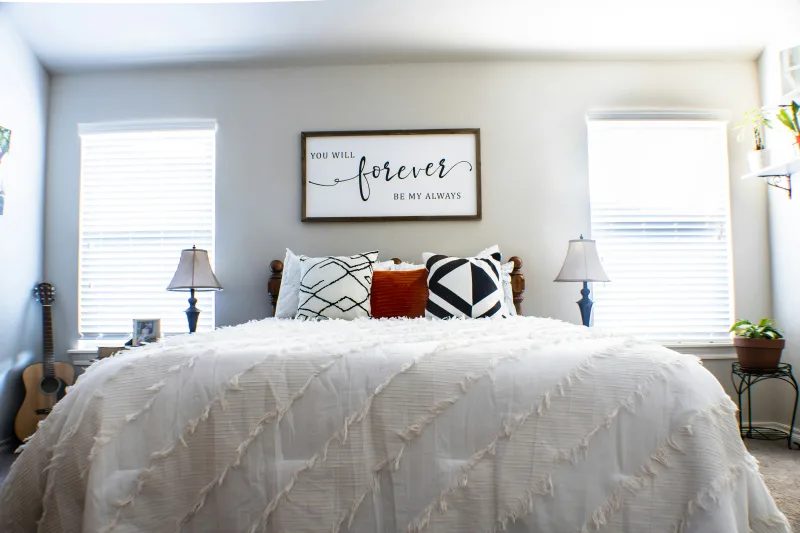
- Bedding (luxury linens): 400+ thread count Egyptian cotton or linen blends — $200-500 for a set
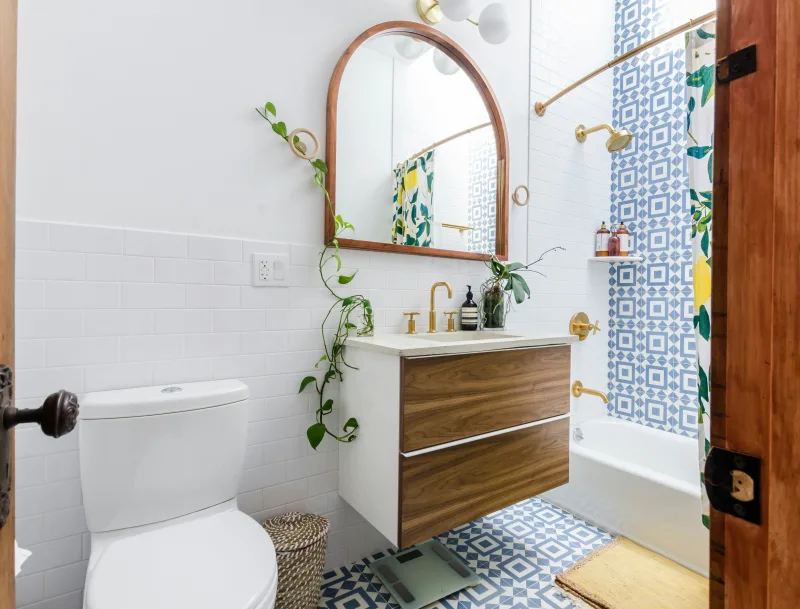
- Hardware and fixtures: Brushed brass, matte black, or polished nickel finishes — $30-100 per piece
- Accent furniture pieces: One or two quality statement pieces (side table, bookshelf, console) — $400-1200
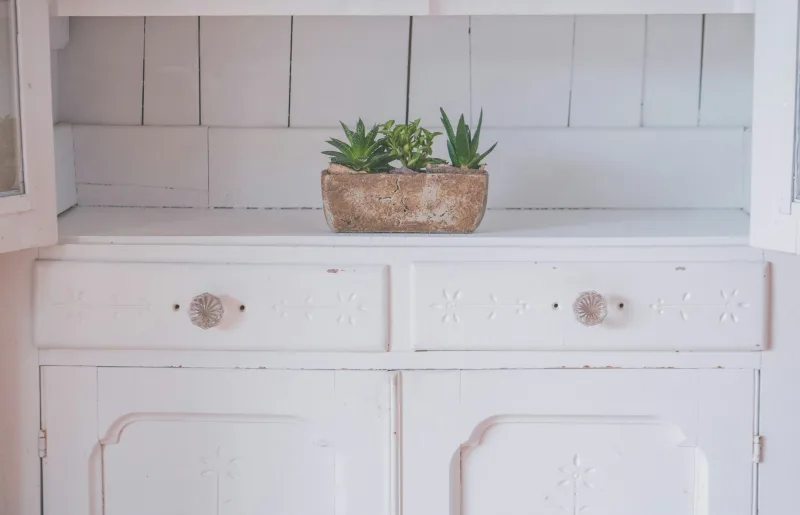
- Plants and planters: Real plants in ceramic or concrete vessels — $50-200 for a nice collection
- Art and accessories: Original art, prints, and curated objects — $100-500
Step-by-Step Guide
Step 1: Start With Paint and Wall Treatment
Honestly, paint is the quickest way to make an apartment feel either cheap or expensive — there's basically no middle ground. And I'm not just talking about the color (though that matters). I'm talking about using premium paint that actually covers properly and looks rich. Benjamin Moore and Sherwin Williams aren't just fancy names; their paint actually goes on smoother, lasts longer, and has depth that drugstore paint simply can't match.
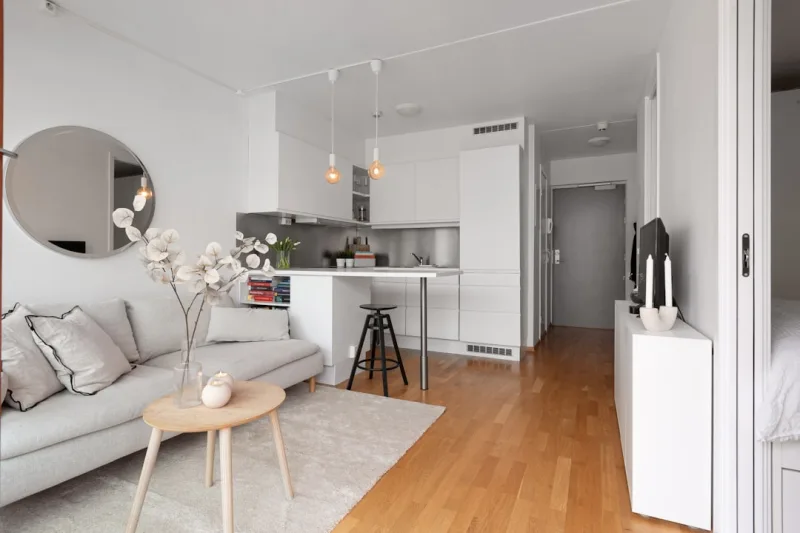
For 2026, we're seeing a lot of movement away from bright whites toward warm neutrals — think creamy off-whites, soft grays, and warm taupes. Pick one neutral for your main living areas and consider an accent wall in grasscloth wallpaper, textured paint, or even a moody jewel tone in a bedroom. The textured element is what separates "nice" from "really nice." It catches light differently and adds sophistication that flat paint just can't deliver. Hit up The The Home Depot or check with local paint specialists — they can actually advise you on finishes and undertones instead of just ringing you up.
Step 2: Layer Your Lighting Strategically
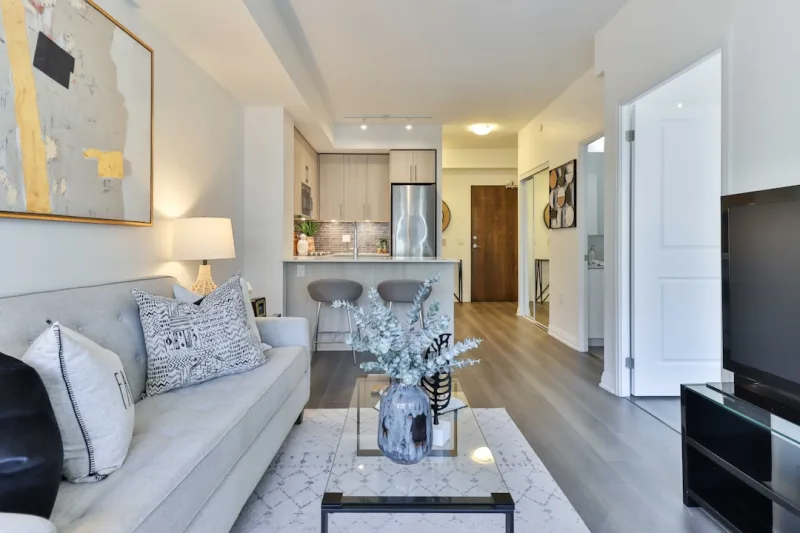
This is where most people mess up. They'll have one overhead light and wonder why their apartment still feels flat even with everything else done beautifully. High-end apartments have layered lighting — ambient (soft overhead), task (reading lights, kitchen pendants), and accent lighting (wall sconces, spotlights on art).
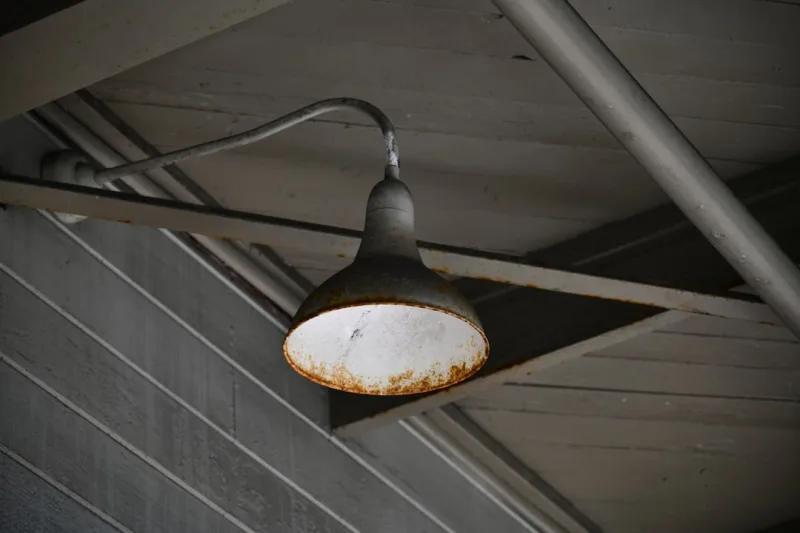
Invest in one or two really good statement light fixtures. A sculptural pendant over your dining table or a pair of sophisticated wall sconces flanking a mirror — these become functional art. The rest can be more budget-friendly as long as the finish is consistent (stick to one metal tone throughout). Dimmers are non-negotiable, by the way. They cost like $15-20 and completely change how a space feels at different times of day.
Step 3: Choose Statement Furniture Intentionally
Here's where your budget really needs to do the heavy lifting. You don't need every piece to be expensive, but you need your anchor pieces to be *good*. In a living room, that's typically your sofa. In a bedroom, it's the bed frame and bedding. These are the pieces you see every single day, and they set the tone for everything else.
Look for pieces with clean lines, quality construction (check underneath — good frame, good joints), and in colors/materials that feel intentional. A streamlined sofa in a warm gray linen is going to feel more sophisticated than a trendy sectional in a bright fabric. This isn't about being boring — it's about choosing sophistication over novelty.
Step 4: Add Texture Through Textiles
 94 DIY Home Decor Projects: Ideas for Every Budget
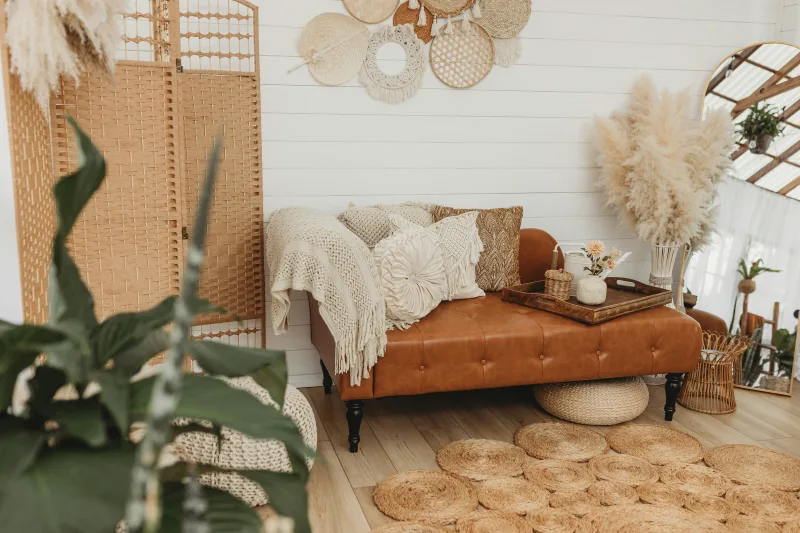
This is the secret sauce. Invest in quality rugs, curtains, and bedding. I'm talking actual natural fibers or high-quality synthetics that look like natural fibers. A 100% wool area rug feels completely different than a polyester blend — your feet know the difference, and so does your brain. Curtains should be linen or linen blends, heavy enough to drape beautifully but not so heavy they look stuffy.
Layer different textures — linen curtains, a wool rug, a chunky knit throw, smooth leather accents — this is what creates depth and prevents a space from feeling flat. Better Homes & Gardens & Gardens actually has some great resources on textile quality if you want to nerd out on fiber content like I do.
Step 5: Curate Your Accessories and Art
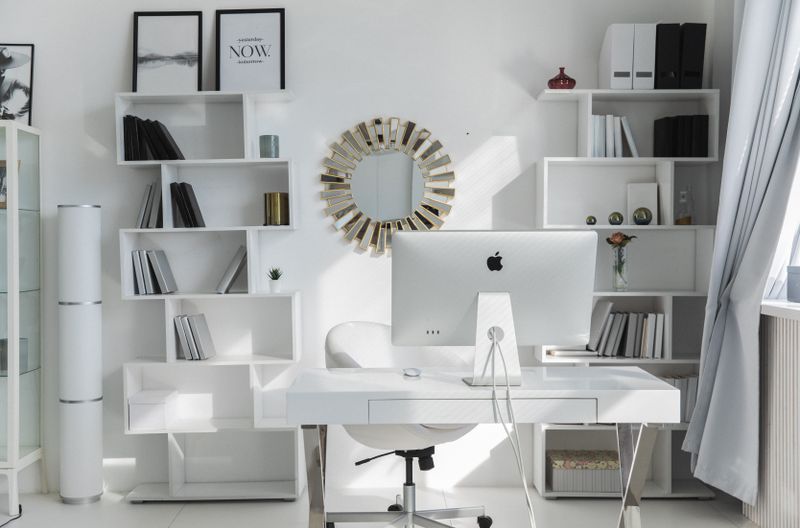
The final layer is where personality comes in. Quality art is important here — even if it's affordable art (think Etsy artists, photography prints from emerging photographers, or gallery sales), it should feel intentional. Avoid posters and mass-produced "inspirational" prints. What makes a space feel expensive is restraint in accessories. Choose fewer, better things rather than lots of stuff.
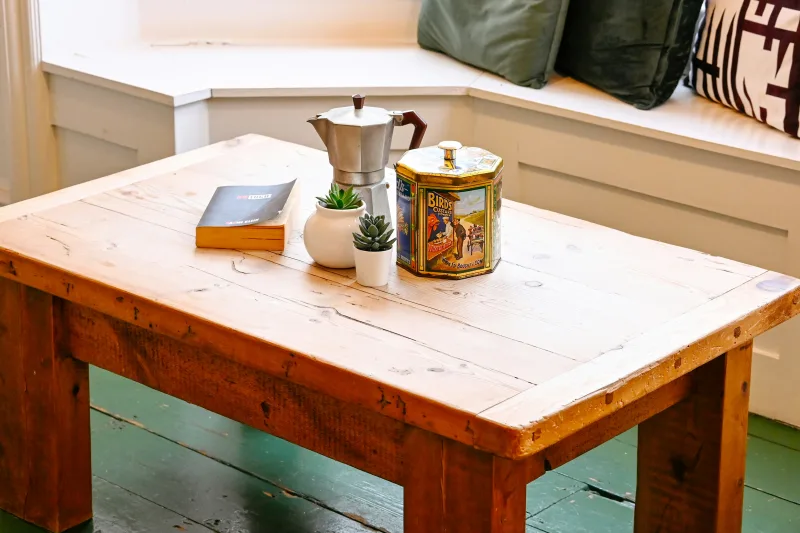
Add plants in beautiful vessels, a few books stacked on a shelf, maybe a sculptural object or two. The goal is curated, not cluttered. HGTV has some solid guides on styling shelves and walls if you need visual inspiration.
Pro Tips
Invest in hardware updates: Swapping out cabinet hardware, light switch plates, and door handles from cheap brass to quality brushed brass or matte black is shockingly transformative. It's like the jewelry of your apartment — small but noticeable.
Go for quality in high-touch items: Splurge on things you touch or use daily — bedding, towels, a few really good kitchen tools. Skimp on decorative items that just sit there.
Understand color psychology: Warm neutrals feel more sophisticated than cool ones. Soft, muted colors feel more expensive than bright or saturated ones. This isn't always true, but it's generally a safe principle for high-end spaces.
Embrace empty space: Honestly, one of the biggest differences between expensive apartments and less-expensive ones is empty space. Don't feel like you need to fill every surface. Breathing room is luxury.
Stick to a consistent color story: Pick 3-4 colors maximum and repeat them throughout. One wall color, your accent tone in a rug or art, your metal finishes in lighting and hardware — this cohesion is what makes everything feel intentional.
Cost Breakdown
← Scroll to see full table →
| Category | Item | Estimated Cost | Priority Level |
|---|---|---|---|
| Walls | Premium paint + accent treatment | $300-700 | High |
| Lighting | Statement fixtures + layered lighting | $600-1,500 | High |
| Window Treatments | Custom curtains/drapes | $400-1,200 | High |
| Flooring | Quality area rugs | $600-1,600 | High |
| Anchor Furniture | Sofa or bed frame | $1,200-3,000 | High |
| Additional Furniture | Side tables, shelving, console | $800-1,500 | Medium |
| Bedding | Luxury linens and pillows | $300-600 | High |
| Hardware | Cabinet pulls, light switches, door handles | $150-300 | Medium |
| Plants & Planters | Living plants in quality vessels | $150-300 | Low |
| Art & Decor | Artwork, accessories, objects | $400-800 | Medium |