The Complete Guide to Creating a Warm, Inviting Garage for Your Modern Home
Listen, I get it. Your garage has always been that cold, concrete afterthought—somewhere you park the car and pretend doesn't exist. But here's the thing: garages have completely transformed in modern home design. They're no longer just utilitarian spaces. Today's homeowners are reclaiming their garages as functional extensions of their living areas—workshops, home gyms, hobby spaces, and so much more. And honestly? A warm, well-designed garage changes everything about how you actually use that space.
I spent the last few years watching friends invest in their garages, and the difference is night and day. One friend converted hers into a painting studio with proper heating and insulation. Another turned his into a dream workshop. They're both more time in those spaces than anywhere else in their homes. The secret isn't complicated—it's about warmth, both literally and aesthetically. When your garage feels inviting and comfortable, you'll actually want to spend time there.
So let's talk about how to create a warm garage setup that actually works for modern living. Whether you're a DIY enthusiast, a fitness lover, or someone who just wants a functional space that doesn't feel like a freezer, this guide will walk you through everything you need to know.
What You'll Need
Before we jump into the installation process, let's cover the materials and tools that'll make this project a success. You don't need anything crazy—mostly stuff you probably already have or can grab from The The Home Depot.
Heating Equipment
- Infrared Space Heater: $80-$250 (Depending on wattage and brand)
- Ceiling-Mounted Heater: $150-$400 (Best for permanent solution)
- Insulation Panels: $50-$200 (For walls and ceiling)
- Weatherstripping: $15-$40 (Keeps heat from escaping)
- Door Sweep: $20-$45 (Seals the bottom of your garage door)
Flooring & Aesthetic Materials
- Epoxy Floor Coating: $200-$600 (Makes concrete look polished)
- Interlocking Floor Tiles: $300-$800 (Comfort + warmth underfoot)
- Area Rug (Industrial Wool): $150-$400 (Adds warmth, defines space)
- Paint (Epoxy or Garage-Grade): $30-$100 (Walls and trim)
Lighting & Ambiance
- LED Shop Lights: $40-$120 (Bright, energy-efficient)
- Pendant Lights: $60-$200 (Creates cozy zones)
- Smart Dimmer Switch: $25-$60 (Control brightness on the fly)
Tools You'll Likely Need
- Drill and Drill Bits: $30-$80
- Level: $15-$40
- Painter's Tape: $5-$12
- Caulking Gun: $10-$25
- Socket Set: $40-$100
Step-by-Step Guide
Step 1: Assess Your Current Setup and Insulation Needs
Start by walking around your garage with coffee in hand and actually look at it. Check for drafts around the door frame, especially where the garage door meets the walls. Feel the walls with your palm—they'll tell you a lot about heat loss. Most modern homes have decent insulation, but honestly, older garages? They're basically Swiss cheese for heat.
The real game-changer is understanding R-value—that's the insulation rating. Aim for R-13 to R-19 for garage walls, depending on your climate. If you're in Minnesota or Colorado, go higher. If you're in Tennessee or South Carolina, you might get away with less. This determines what type of insulation panels you'll need.
Step 2: Seal Air Leaks and Gaps
Before you add heating (which would basically be throwing money out through cracks), seal everything up. Start with weatherstripping around your garage door frame—this is where you lose the most heat. Apply it to the top and both sides where the garage door contacts the frame.
Next, add a door sweep to the bottom of your entry door. It's literally a rubber seal that attaches to the bottom and creates a barrier against cold air seeping in. Takes maybe 10 minutes, costs under $30, and makes a shocking difference. Trust me on this.
Step 3: Add or Upgrade Insulation
If your garage has existing insulation, you might just need to beef it up. Fiberglass batts are the most DIY-friendly option—they're cheap and you just fit them between wall studs. If your studs aren't visible (drywall is already up), consider foam board panels that you can attach directly to existing walls.
Don't forget the ceiling. Heat rises, so half your warmth will escape through an uninsulated ceiling. Rigid foam panels work great here, and they're easier to install than you'd think. Just make sure you're leaving space for electrical boxes and working around any existing fixtures.
Step 4: Install Your Heating Solution
This is where you have options, and honestly, what you choose depends on how you use the space. For occasional use, an infrared space heater is perfect—plug it in, point it where you're working, and you're golden. They're energy-efficient and won't blast your electric bill through the roof.
For year-round comfort or a dedicated workshop, go with a ceiling-mounted heater. They're more permanent but distribute heat way better. Installation requires some electrical work—if you're not comfortable with that, call a licensed electrician. It's worth the $200-300 they'll charge rather than burning your garage down.
Step 5: Upgrade Your Lighting
 Budget Apartment Renovation: DIY Hacks That Actually Work
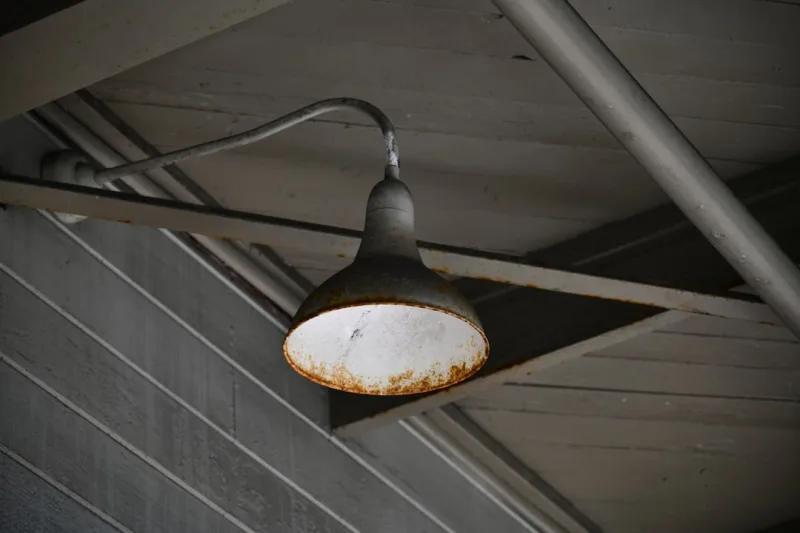
Bad lighting makes any space feel cold and unwelcoming. Swap out those old fluorescent fixtures for LED shop lights—they're brighter, warmer in tone, and won't flicker like you're in a 90s office building. Add some pendant lights in your work zone to create actual atmosphere.
Here's a pro tip: install a smart dimmer switch. When you're doing detailed work, crank it to full brightness. When you're just grabbing something, dial it down. It completely changes the vibe of the space.
Step 6: Refresh the Floors and Walls
Concrete is cold—literally and emotionally. An epoxy floor coating from The Home Depot transforms it instantly. It's shiny, looks professional, and feels less industrial. Plus, it's easier to clean. If you want comfort, add interlocking rubber tiles in your main work area.
Paint the walls a warm neutral like soft gray or warm white. Avoid hospital white at all costs. A quality garage-rated paint will hold up better than standard interior paint, especially with temperature fluctuations. Throw down a good wool area rug in your main zone—it absorbs sound and adds actual warmth underfoot.
Step 7: Add Finishing Touches
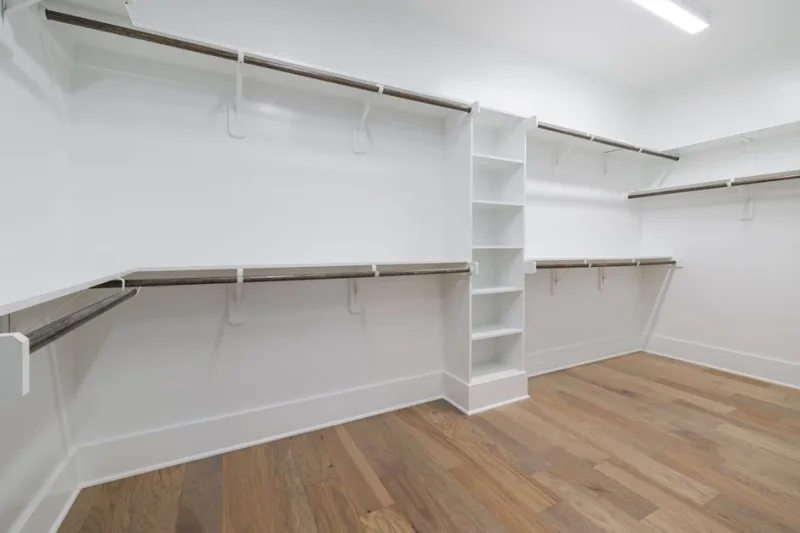
Organization matters more than people realize when it comes to making a space feel warm and inviting. Install wall-mounted storage, pegboards, or shelving. A clutter-free space with purposeful organization feels intentional, not chaotic. Better Homes & Gardens & Gardens has some great inspiration if you need ideas.
Consider adding a small seating area—even just a stool or bench. It signals that this is a place where you actually spend time, not just park cars.
Pro Tips
Humidity matters: Warm air is great, but if it's dry, it feels uncomfortable. Run a humidifier in winter, especially if your heater is drying things out. It'll feel noticeably cozier.
Layer your heat sources: Don't rely on one heater. Combine insulation, weatherstripping, and a heating unit. It's more efficient and creates better temperature consistency throughout the space.
Use thermal curtains on windows: If your garage has windows, they're heat-escape highways. Thermal-backed curtains are cheap and genuinely effective. HGTV has some great style options that don't look industrial.
Test everything before full commitment: Rent a space heater before buying an expensive ceiling unit. See how you actually use the space when it's comfortable. Maybe you realize you only need heat half the year. Rent and observe first.
Account for ventilation: Especially if you're doing woodworking or painting, you need air circulation. A small exhaust fan keeps fumes from building up while still maintaining warmth. Balance is key.
Cost Breakdown
← Scroll to see full table →
| Component | Budget Option | Mid-Range | Premium |
|---|---|---|---|
| Heating | $80 (Space Heater) | $200 (Better Space Heater) | $400 (Ceiling Mount) |
| Insulation | $100 | $250 | $500 |
| Weatherstripping/Seals | $40 | $75 | $150 |
| Flooring | $150 (Paint only) | $400 (Epoxy) | $800 (Tiles + Epoxy) |
| Lighting | $80 |