Designer Garage Ideas 2026: Transform Your Space Into Something Amazing
Look, I get it — your garage is probably just a place where you throw stuff, park the car, and hope no one asks what's in those mystery boxes in the corner. But here's the thing: 2026 is all about making every inch of your home count, and your garage? That's prime real estate you're totally sleeping on.
The garage design trends I'm seeing this year are genuinely exciting. We're moving away from that cold, industrial "man cave" vibe toward something way more sophisticated — think sleek workstations, integrated smart storage, and spaces that actually look intentional. Whether you're into minimalist aesthetics, modern farmhouse charm, or full-on tech integration, there's a designer garage approach that'll fit your style.
I've helped clients completely reimagine their garages over the past few years, and I'm telling you — it's one of the most rewarding DIY projects you can tackle. The best part? You don't need to drop $50,000 to make it happen. Let's walk through how to create a genuinely beautiful garage that actually functions like you want it to.
What You'll Need
Before you start knocking anything around, let's talk materials. The good news is that most of this stuff is readily available at The The Home Depot or similar retailers, and you don't need anything too specialized.
- Epoxy Flooring Kit (covers 250-500 sq ft): $200-$400
- Wall Paneling or Shiplap (per 100 sq ft): $150-$300
- LED Shop Lights (4-pack): $80-$120
- Modular Wall Storage System: $300-$600
- Workbench or Tool Cabinet: $250-$800
- Paint (high-quality garage paint, 2 gallons): $60-$90
- Stainless Steel Shelving Unit (3-tier): $150-$300
- Smart Door Opener (optional but cool): $150-$400
- Baseboards and Trim: $100-$200
- Miscellaneous Hardware & Fasteners: $50-$100
Step-by-Step Guide
Step 1: Clear Everything Out and Plan Your Layout
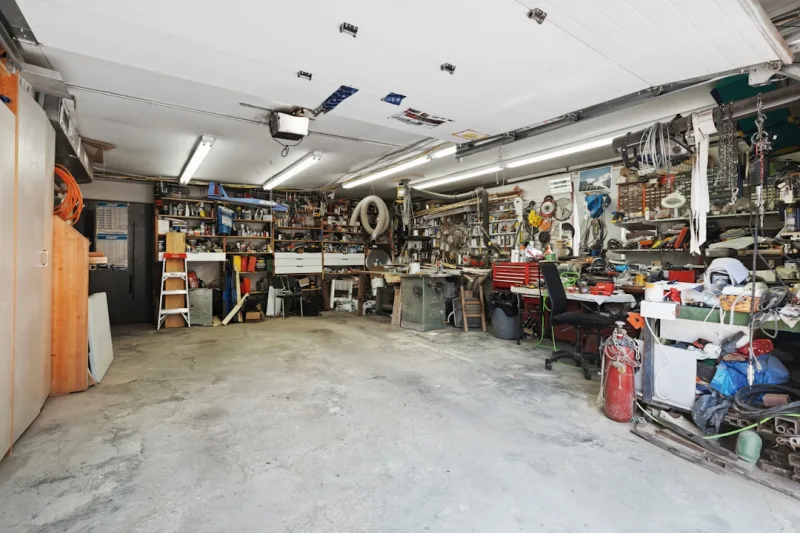
Honestly, this is the hardest part — not because it's complicated, but because you'll find stuff you forgot you had. Empty the garage completely. And I mean everything. Once it's bare, you can actually see what you're working with. Measure your space, note any electrical outlets, and think about your workflow. If you use the space for hobbies, work, storage, or parking, map out zones for each activity. Better Homes & Gardens & Gardens has some fantastic layout templates if you're visual.
Step 2: Clean and Prep the Floors
The existing concrete is probably dingy — that's totally normal. Sweep everything out, then use a degreaser on any oil stains. Let it dry completely (and I mean completely — moisture is your enemy here). This step takes patience, but it's absolutely essential if you want your epoxy to stick properly and last more than a season.
Step 3: Apply Epoxy Flooring
This is where your garage starts looking legit. Mix your epoxy according to instructions — don't skip this or you'll have a disaster on your hands. Apply the base coat with a roller, working in sections. The color options are endless now; I'm seeing a lot of designers go with light gray or soft taupe instead of that harsh industrial look. Apply the topcoat after the recommended cure time, then step away and let it harden for 48-72 hours. Your patience will pay off.
Step 4: Paint Walls and Add Paneling
Use a quality garage-specific paint — it handles temperature swings better than regular interior paint. I'd recommend a soft white or light gray as your base. If you want to add visual interest, consider painting one accent wall or adding shiplap to create texture. Shiplap installation is actually simpler than you'd think — it's just nailing boards horizontally to studs. The HGTV website has solid tutorials if you need visual guidance.
Step 5: Install Lighting
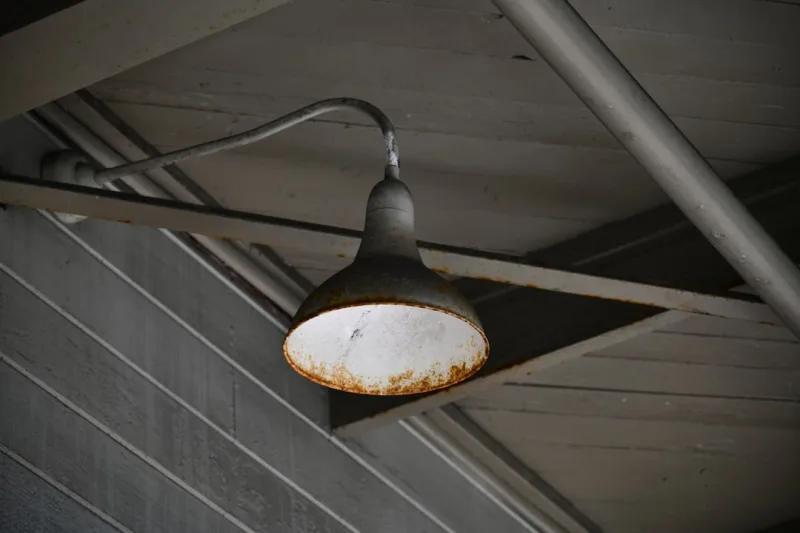
Bad lighting makes everything look depressing. Upgrade to LED shop lights — they're bright, energy-efficient, and way cheaper to run than old fluorescent fixtures. Plan for at least 50 lumens per square foot. Mount them evenly across the ceiling, and if you can, add under-cabinet lighting in your workstation areas. It makes a surprisingly dramatic difference.
Step 6: Set Up Storage Systems
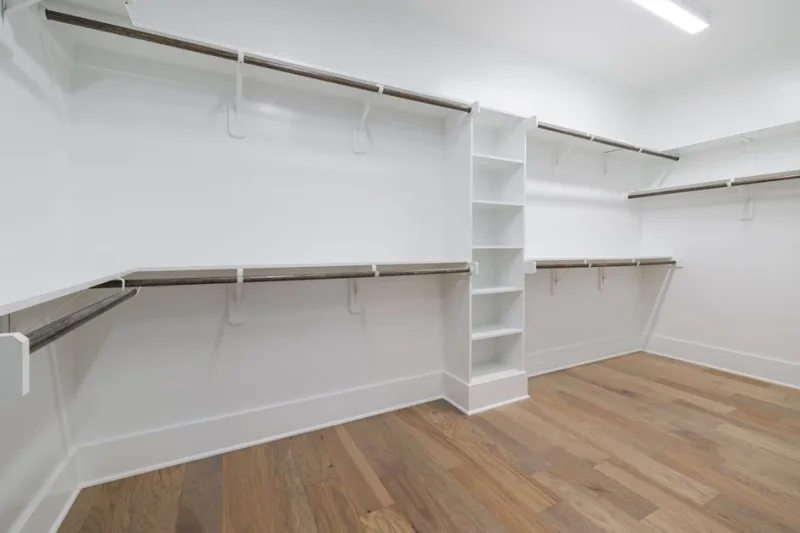
This is where function meets design. Install wall-mounted storage — metal pegboards, wall-mounted cabinets, or slat-wall systems all work beautifully. Arrange them thoughtfully so you can actually reach what you need without climbing. Add labels (even if you think you'll remember) because you won't. Vertical storage is your friend in 2026.
Step 7: Install Your Workbench and Final Touches
 Budget Apartment Renovation: DIY Hacks That Actually Work
Position your workbench where you have good light and easy access to your tools. Add a quality tool cabinet nearby. Then step back and admire your work. Add finishing touches like baseboards, a fresh garage door, or even upgraded hardware on cabinets. These details matter.
Pro Tips
Climate Control is Underrated: If you live somewhere that gets hot or humid, consider adding a ceiling fan or simple HVAC solutions. It keeps your tools and anything stored in the garage in better condition and makes the space more pleasant to spend time in.
Go Smart Where It Counts: A smart garage door opener is genuinely useful, and it looks sleek. You'll use it more than you think. Skip the gimmicks though — focus on functionality.
Choose Neutral Colors as Your Base: You might think you want that bold color right now, but trust me — stick with whites, grays, and taupes. It's easier to update accessories and it makes the space feel bigger and more premium.
Invest in Quality Storage Organizers: Clear bins, labeled drawer organizers, and wall-mounted systems keep things looking intentional. It's the difference between "messy garage" and "organized studio."
Don't Forget About Power Outlets: Add more than you think you need. You'll use them, and future you will appreciate present you for thinking ahead.
Cost Breakdown
← Scroll to see full table →
| Item | Cost Range | Priority Level |
|---|---|---|
| Epoxy Flooring | $200-$400 | High |
| Wall Paint & Prep | $60-$90 | High |
| LED Lighting | $80-$120 | High |
| Wall Paneling/Shiplap | $150-$300 | Medium |
| Storage Systems | $300-$600 | High |
| Workbench/Cabinet | $250-$800 | Medium |
| Shelving Units | $150-$300 | Medium |
| Smart Door Opener | $150-$400 | Low |
| Trim & Hardware | $100-$200 | Low |
| TOTAL ESTIMATED COST | $1,440-$3,210 | — |
FAQ
How Long Does an Epoxy Floor Last?
With proper care, you're looking at 10-15 years minimum. The key is keeping it clean and avoiding dragging heavy stuff across it. The investment is totally worth it — your garage will look premium and be easier to maintain than bare concrete.
Can I DIY This Entire Project or Should I Hire Help?
You can definitely DIY most of it. The epoxy flooring is where many people call in professionals, mainly because it's physically demanding and requires precision. If you're handy with paint
📷 Photo by Point3D Commercial Imaging Ltd. on Unsplash