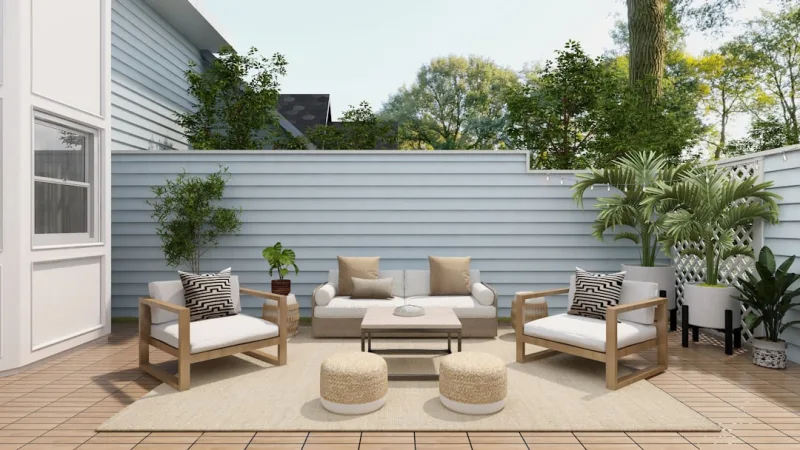
Look, I've been scrolling through farmhouse inspo feeds like everyone else, and I'm noticing something really exciting happening in 2026 — the farmhouse balcony trend is getting a serious upgrade. It's not just about slapping some string lights and calling it a day anymore. We're talking intentional, layered design that actually makes your outdoor space feel like an extension of your home. The best part? You can absolutely do this yourself without dropping a fortune.
Here's the thing about farmhouse style in 2026: it's become way more sophisticated. We're seeing soft, muted palettes mixed with natural textures — think reclaimed wood, weathered metal, and quality textiles that actually stand up to the elements. It's less "countryside cliché" and more "I have taste and happen to love neutral tones." Your balcony is basically your outdoor living room now, so why not make it count?
I'm going to walk you through everything you need to transform your balcony into that dreamy farmhouse retreat you've been pinning. Whether you've got a tiny apartment balcony or a sprawling deck, these principles work. And honestly, the satisfaction of looking out at your own handiwork while sipping coffee? That's priceless.
What You'll Need
Before you start, let's talk materials. I always recommend heading to The The Home Depot for the structural stuff and big pieces, then hitting up specialty shops or online retailers for the decorative touches that actually make your space feel curated.
- Wooden Planters (2-3 large, 4-6 small) — $45-$120
- Neutral Textiles (throw pillows, outdoor blanket) — $80-$150
- String Lights or Lanterns — $35-$75
- Metal Railing Planters or Hanging Baskets — $40-$100
- Reclaimed Wood Shelving or Ladder Shelf — $60-$200
- Outdoor Rug (natural fiber preferred) — $75-$180
- Seating (bench, bistro chairs, or cushions) — $150-$400
- Plants and Greenery (herbs, ferns, hanging varieties) — $50-$100
- Weathered Metal Accents (candle holders, wall decor) — $30-$80
- Hardware and Installation Supplies (brackets, anchors, screws) — $20-$40
Step-by-Step Guide
Step 1: Plan Your Layout and Assess Your Space
Okay, this is crucial and people always skip it. Measure your balcony — seriously, grab a tape measure. You need to know your actual dimensions before you start buying furniture. Think about traffic flow (yes, even on a balcony), where the sun hits at different times, and what views you want to preserve or hide. I always sketch mine out on graph paper because it saves me from impulse purchases that don't fit.
Step 2: Establish Your Color Palette
For 2026 farmhouse, we're looking at creams, soft grays, warm whites, and touches of sage green or muted terracotta. Pick three colors maximum and stick to them. This is what makes expensive spaces look cohesive. When you're at Better Homes & Gardens & Gardens checking out inspiration, notice how they layer neutrals — that's your goal. Write your colors down so you don't end up with five different shades of "off-white" like I did once (don't ask).
Step 3: Install Your Foundation Elements
Start with the big pieces first. If you're adding a ladder shelf, wall-mounted planters, or anything that requires drilling, do this before everything else. Use quality anchors appropriate for your balcony material — concrete, wood, or metal each require different hardware. Follow the instructions on your hardware package, but honestly, if you're nervous, grab a neighbor or rent a cordless drill. It's not complicated, I promise.
Step 4: Layer Your Textiles
This is where your balcony stops looking empty and starts feeling like a real room. Get an outdoor rug — jute, sisal, or a flatweave natural fiber works beautifully. Layer in throw pillows (at least three for visual interest), add a lightweight throw blanket if your climate allows it, and if you have seating, make it cozy. Quality outdoor textiles from HGTV's home collection aren't cheap, but they genuinely last longer than bargain options.
Step 5: Create Height Variation with Planters and Greenery
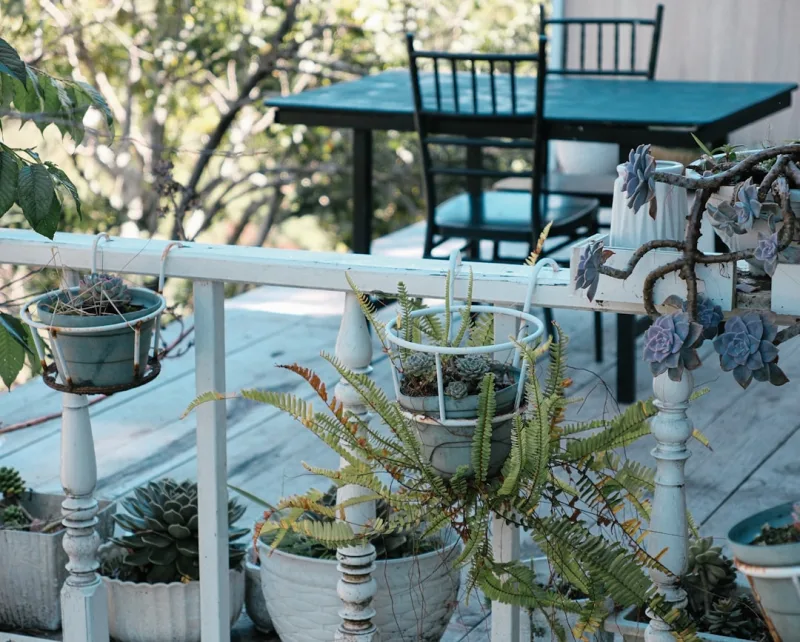
Don't line all your plants against the railing at the same height — that's what makes spaces feel amateur. Use that ladder shelf to stagger heights. Large wooden planters at ground level, hanging baskets at eye level, trailing plants from wall-mounted holders. Mix textures too: ferns for softness, herbs for function, trailing ivy or jasmine for movement. This is the step that honestly makes the biggest visual impact, so don't rush it.
Step 6: Add Lighting
 Budget Apartment Renovation: DIY Hacks That Actually Work
String lights are practically mandatory in 2026 farmhouse, but do them right. Warm white, not cool white. Drape them gracefully across your space rather than tacking them in straight lines. Lanterns with candles (real or battery-operated) add another layer of ambiance. I'm obsessed with vintage-style Edison bulb strings right now because they photograph beautifully and actually complement the farmhouse aesthetic instead of clashing with it.
Step 7: Style with Accessories
Here's where personality comes in. Add weathered metal signs, vintage-inspired planters, a simple wooden crate for blanket storage, maybe some garden-style watering cans as decor. Go to antique shops or check Facebook Marketplace for authentic pieces that won't break the bank. The key is spacing — resist the urge to crowd everything in. Negative space is actually your friend here.
Pro Tips
Weather matters more than you think. Even though these are "decorative" pieces, they need to handle your climate. Coastal areas? Go for items that can handle salt spray. Hot, dry climates? Your textiles will fade faster — plan for replacement. I learned this the hard way when my beautiful pillow covers turned into sad, bleached versions of themselves.
Maintenance is built-in from the start. Choose plants that thrive in your specific light conditions. Nothing makes a space look sadder than dead plants. Herbs are actually perfect because they're functional, beautiful, and you'll actually use them — unlike decorative plants that just sit there.
Don't over-accessorize. The difference between "charming farmhouse" and "cluttered yard sale" is about two items. Seriously. Every piece should either be beautiful or functional (ideally both). If something's just taking up space, it doesn't belong there.
Think about evening ambiance. String lights and lanterns should be your go-to. They transform a balcony in the evening and make it actually feel magical. This is non-negotiable for farmhouse style, honestly.
Layer your rugs smartly. If you want a bigger visual impact, place a larger outdoor rug as your base, then add a smaller jute rug on top for texture. It creates depth and makes the space feel more intentional.
Cost Breakdown
← Scroll to see full table →
| Category | Item | Estimated Cost |
|---|---|---|
| Furniture & Seating | Bench, chairs, cushions | $150-$400 |
| Flooring | Outdoor rug (quality jute/natural fiber) | $75-$180 |
| Storage & Shelving | Ladder shelf or wooden shelving | $60-$200 |
| Planters | Mixed wood and metal planters | $85-$220 |
| Greenery | Plants, herbs, and hanging baskets | $50-$100 |
| Textiles | Pillows, throws, outdoor fabrics | $80-$150 |
| Lighting | String lights, lanterns, candles | $35-$75 |
| Decor & Accessories | Metal signs, vintage pieces, watering cans | $30-$80 |
| Hardware & Installation | Brackets, anchors, screws, tools | $20-$40 |
| TOTAL ESTIMATED BUDGET | $585-$1,425 | |
FAQ
What if I have a really tiny apartment balcony?
Honestly, tiny spaces are my favorite to design because they force you to be intentional. Skip the large seating and focus on creating a cozy corner with maybe one chair and a small side table. Use vertical space ag