Small Apartment Decorating Ideas DIY: Transform Your Space Without Breaking the Bank
Look, I get it. You're living in a small apartment, and you're probably thinking there's not much you can do to make it feel like yours. But here's the thing — some of my favorite spaces I've decorated have been tiny apartments in the city. There's something about the challenge that just gets the creative juices flowing. You don't need a ton of square footage or a massive budget to create a home that actually feels good to live in.
The secret? It's all about being intentional with what you bring into your space. Every piece needs to earn its place, and honestly, that's when the magic happens. You end up with a curated, thoughtful apartment instead of a cluttered mess. Plus, doing it yourself means you get to control the vibe completely — no designer telling you that shiplap is outdated (even though, let's be real, it kind of is).
I've put together some genuine strategies that have worked for me and countless people I've helped redesign their small spaces. We're talking about everything from maximizing vertical space to using color strategically. Let's dive in.
What You'll Need
Before you start rearranging and painting, grab these essentials. Don't worry — most of this stuff is affordable and you probably have some of it lying around already.
- Paint (1-2 gallons for accent walls) — $25-$40 at The The Home Depot
- Wall shelves (floating or bracket-style, 2-3 shelves) — $30-$80
- Removable wallpaper or peel-and-stick tiles — $20-$50
- Mirrors (various sizes, at least 2-3) — $15-$60 total
- LED strip lights (warm white) — $12-$25
- Throw pillows (2-4 pieces) — $40-$80
- Area rug (small to medium) — $30-$100
- Storage baskets or boxes (fabric or wicker, 3-4) — $35-$75
- Paint rollers, brushes, painter's tape, drop cloth — $15-$25
- Command hooks and picture hanging strips — $10-$20
- Potted plants and small planters — $20-$50
- Curtain rod and lightweight curtains — $25-$60
Total estimated investment: $277-$645
Step-by-Step Guide
Step 1: Declutter and Measure Your Space Ruthlessly
I'm not going to sugarcoat this — you cannot decorate a small apartment without getting rid of stuff first. It's just not going to work. Spend a weekend going through everything. And I mean everything. Ask yourself if each item actually makes you happy or if you're just keeping it "just in case." That "just in case" mentality is the enemy of small-space living.
Once you've decluttered, measure your walls, doorways, windows, and furniture. Get exact measurements — I use my phone's measurement app and it's a game-changer. You need to know what will actually fit before you get excited and buy something too big.
Step 2: Choose a Cohesive Color Palette
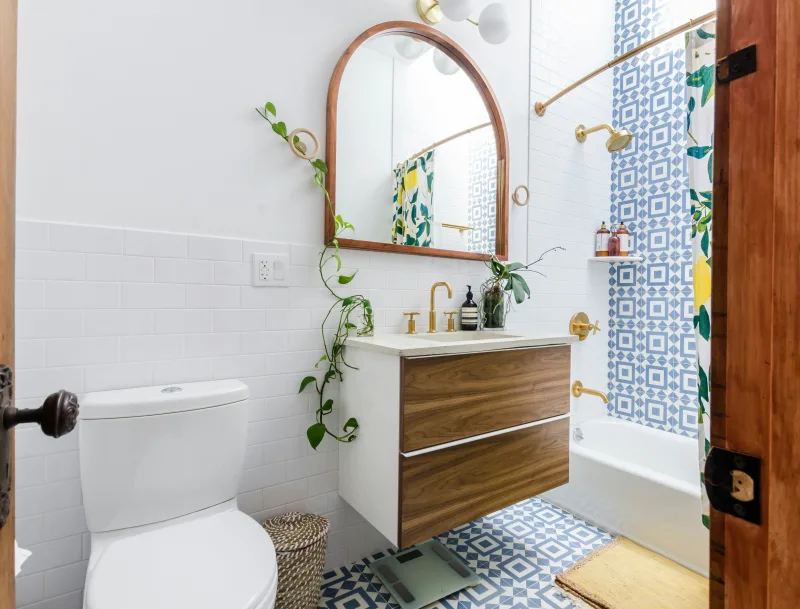
Here's where a lot of people mess up in small spaces — they go too bold with multiple colors. You want to pick 2-3 colors maximum and stick with them. I usually recommend a neutral base (white, beige, soft gray) with one accent color and then metallics for visual interest. This makes the space feel bigger and less chaotic.
Paint an accent wall if you're feeling brave. Choose one wall — preferably the one you see when you first walk in or where your bed/couch is. A warm terracotta, soft sage green, or muted blue can completely change the energy. You can find great paint options at The Home Depot, and honestly, their staff are usually helpful if you ask for small-space recommendations.
Step 3: Go Vertical With Storage
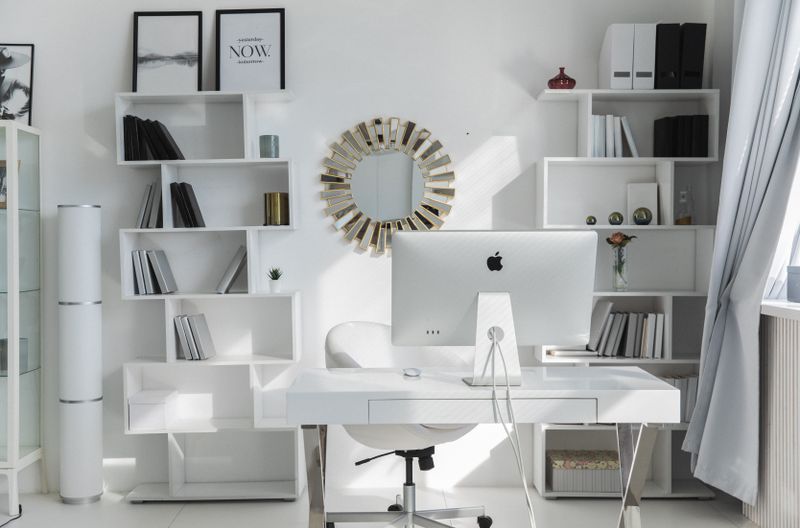
This is non-negotiable for small apartments. Your walls are real estate. Install floating shelves above your desk, nightstand, or living room to create storage without eating up floor space. Stack items vertically in closets, use tall bookcases in corners, and install shelves in awkward nooks.
Use baskets on those shelves — they keep things organized while looking intentional. Plus they hide all the stuff you don't want visible (like cables, random papers, half-empty notepads).
Step 4: Use Mirrors Strategically
Mirrors are basically cheating codes for small spaces. They bounce light around and make everything feel bigger. Hang one large mirror across from a window to maximize natural light. Place smaller mirrors on shelves or group 3-4 different sizes on one wall for an eclectic look. The key is placing them where they reflect light, not where they just sit awkwardly.
Step 5: Upgrade Your Lighting
Harsh overhead lighting makes small spaces feel cramped and cold. Add layers with desk lamps, table lamps, and those strip lights I mentioned. LED warm white strips under shelves or behind your bed create ambiance without taking up space. It's one of the cheapest upgrades that makes the biggest difference — trust me on this.
Step 6: Define Zones With Rugs and Furniture Arrangement
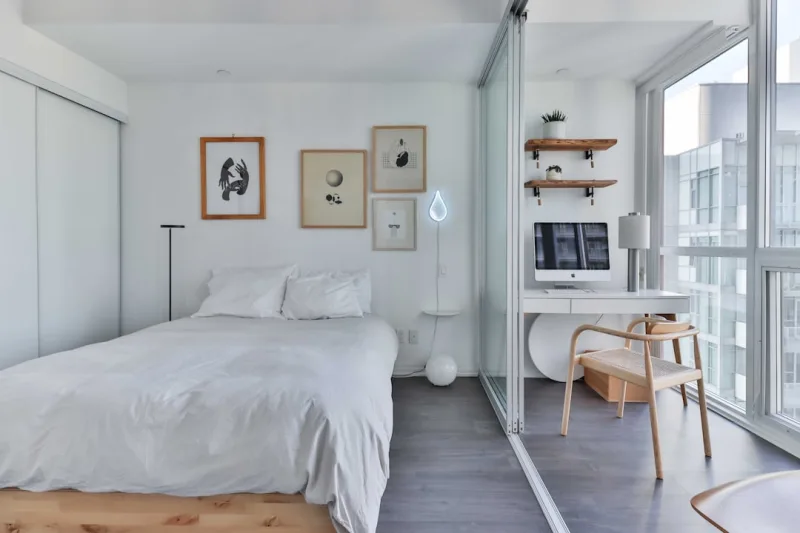
Even in a small studio, you can make different areas feel separate. A rug under your living area defines that zone. Your bed against one wall with nightstands creates a bedroom area. Arrange furniture to create natural traffic patterns and psychological boundaries between spaces.
Step 7: Add Personality With Textiles and Accessories
 94 DIY Home Decor Projects: Ideas for Every Budget
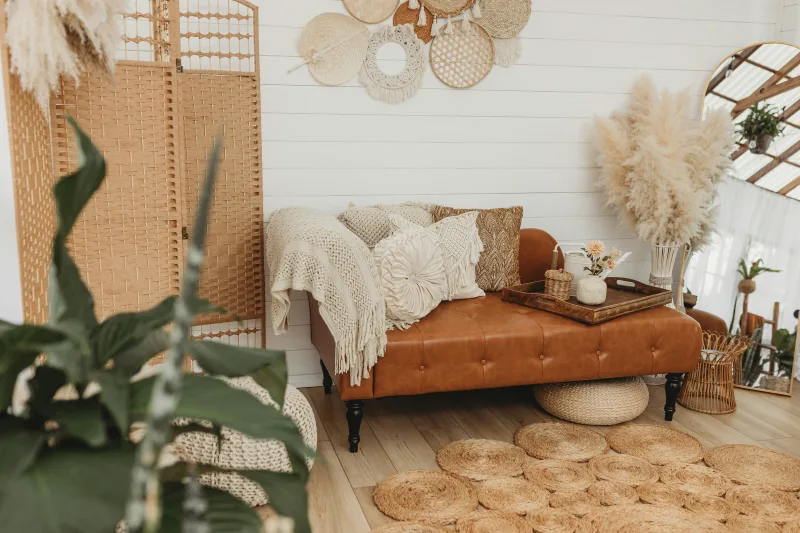
Throw pillows, blankets, curtains — these are your secret weapons for making a bland space feel like home. Pick patterns and textures that coordinate with your color palette. Curtains especially can soften a space and make windows feel larger if you hang the rod higher and wider than the window itself.
Step 8: Bring in Green
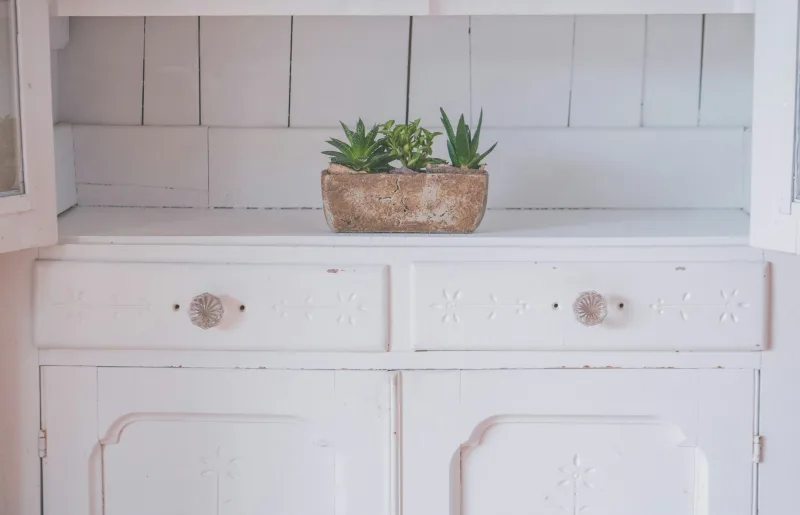
Plants make small spaces feel alive. Hanging plants don't take up floor space, small potted plants on shelves add life, and even a big floor plant in a corner can make the space feel intentional. Plus, they're good for air quality and they make you happier — it's science.
Pro Tips
Use furniture with double duty. Ottomans with storage, beds with drawers underneath, coffee tables with shelves — every piece should earn its place in a small apartment.
Hang your curtains high and wide. This is simple but so effective. Hanging curtain rods closer to the ceiling and wider than the window makes the room feel taller and bigger. It's one of those HGTV tricks that actually works.
Keep your color palette consistent from room to room. Even if you can see your whole apartment from one spot, using the same colors throughout makes it feel more cohesive and intentional.
Don't buy furniture first. Seriously. Figure out your layout and needs, then shop for pieces. It's way better than forcing a piece you love into a space where it doesn't fit.
Embrace wall-mounted everything. Shelves, pegboards, wall organizers, even a wall-mounted desk — anything that gets stuff off the floor makes a small space feel bigger.
Invest in good lighting. This isn't the place to cheap out. Better lighting changes everything, and you'll use it every single day.
Use clear or light-colored furniture. Heavy, dark furniture makes small spaces feel cramped. A glass coffee table or light wood furniture lets your eye move through the space more easily.
Cost Breakdown
← Scroll to see full table →
| Item Category | Estimated Cost | Priority Level |
|---|---|---|
| Paint & Supplies | $40-$65 | High |
| Shelving & Storage | $65-$155 | High |
| Mirrors | $15-$60 | Medium |
| Lighting | $12-$25 | Medium |
| Textiles (pillows, curtains, rug) | $95-$240 | Medium |
| Plants & Planters | $20-$50 | Low |
| Wall Decor & Accessories | $10-$20 | Low |
| Total Range | $257-$615 | — |
Note: Prices vary by location and retailer. Check Better Homes & Gardens & Gardens for sales and inspiration.
FAQ
Q: Should I paint my small apartment walls white?
A: Not necessarily. While white is spacious, it can feel sterile and cold. I actually prefer soft neutrals like warm beige, light gray, or creamy ivory paired with one accent wall. You get the openness without the boring factor. Save the pure white for trim and ceilings — it keeps those areas bright and airy while your walls can have some warmth to them.
Q: How do I make my bedroom and living room feel separate if they're in the same room?
A: Use a rug, positioning, and lighting. Arrange your furniture to create a natural divide — maybe the bed on one side and your living area on the other. Use a rug under each zone. Different lighting in each area helps too. You could also use a sheer curtain rod to hang fabric that creates
📷 Photo by Francesca Tosolini on Unsplash