Okay, so you've been scrolling through Instagram and Pinterest, seeing all those gorgeous farmhouse rooms with shiplap walls, and thinking "I could totally do that myself." And honestly? You absolutely can. I've watched countless homeowners tackle shiplap projects — some nailed it on the first try, others learned some hard lessons along the way — but here's the truth: it's way more achievable than you think.
The beauty of a shiplap accent wall is that you don't need to be a contractor or have fancy tools. Sure, a few power tools help, but I've seen people create stunning farmhouse-style walls with basic materials and pure determination. The real magic happens when you understand what shiplap actually is, how to plan your project, and what mistakes to avoid. That's what we're diving into today.
Whether you're looking to transform a bedroom, living room, or accent wall in your kitchen, shiplap gives you that cozy, rustic farmhouse vibe that just makes a house feel like a home. Let me walk you through everything you need to know to make this happen.
What You'll Need
Before you head to The The Home Depot or your local hardware store, let's talk about the actual materials and tools you'll be working with. I always recommend gathering everything first — nothing's worse than getting halfway through and realizing you forgot something.
Materials:
- Shiplap boards — $0.50-$3.00 per board foot (pine is budget-friendly; tongue-and-groove makes installation easier)
- Construction adhesive — $5-$12 per tube (I like Liquid Nails for paneling)
- 2.5-inch finishing nails — $8-$15 per box
- Wood filler — $6-$10 per container
- Sandpaper (120-grit and 220-grit) — $10-$20 for assorted pack
- Primer — $25-$40 per gallon
- Paint (farmhouse whites and creams work best) — $30-$60 per gallon
- Drywall patch compound — $8-$15
Tools You'll Need:
- Miter saw or circular saw — $100-$300 (or rent for $10-$20/day)
- Nail gun (brad nailer recommended) — $60-$150
- Air compressor — $100-$300 (optional but helpful)
- Stud finder — $15-$40
- Level — $20-$40
- Tape measure — $10-$20
- Drill/driver — $50-$150
- Paint roller and brushes — $15-$30
- Caulk gun — $10-$20
Step-by-Step Guide
Here's where the real fun begins. I'm going to break this down so you can actually follow along without getting frustrated.
Step 1: Prepare Your Wall
First things first — you've gotta start with a clean slate. Remove any existing wall coverings, artwork, or outlets covers. If you're working over old drywall, patch any holes with drywall compound and sand smooth. Honestly, this step determines how professional your finished wall looks, so don't rush it. Use a level to check if your wall is, well, level. Most aren't, which is why you'll need to shim as you go. I always use a stud finder to mark all the studs — trust me, you'll thank yourself later when you're nailing into solid wood instead of wondering if you're hitting the void.
Step 2: Measure and Plan Your Layout
Measure your wall height and width. Shiplap comes in various widths (usually 5-8 inches), so you need to figure out how the boards will fall. Here's my pro move: start from the top of the wall and work down. If your bottom row would end up being a tiny sliver, go back and adjust so the rows are more even. Take your time here — this is your blueprint. Mark your first board line with a light pencil mark using your level. Make it perfectly horizontal because every subsequent row depends on this one.
Step 3: Cut Your First Board
Measure your wall width and cut your first board to length. I always add about an eighth of an inch to the measurement — snug fit is good, but you want it to go in without fighting. Use your miter saw or circular saw, and double-check your measurements. I'm serious — measure twice, cut once. It's not just a saying; it's the gospel of DIY.
Step 4: Install the First Row
Apply construction adhesive to the back of your board in a wavy pattern — not too much, not too little. Position it along your pencil line, use your level to verify it's actually level (walls can be deceptive), and drive your finishing nails at the studs. I use two nails per stud, spaced vertically. Don't hammer them flush yet — leave them slightly proud until you're sure everything is positioned perfectly. Once you're happy, tap them the rest of the way in. This is where a brad nailer really earns its keep if you have access to one.
Step 5: Continue Installing Rows
Here's where the rhythm begins. Each subsequent board slides into the groove (or laps over, depending on your shiplap style) of the board below it. Keep using adhesive, keep checking your level every few rows, and stay consistent with your nail placement. You'll develop a groove — no pun intended — and the work will move faster. This is honestly the meditative part of the project. Some people put on a podcast, grab a coffee, and just get into it.
Step 6: Trim Edges and Openings
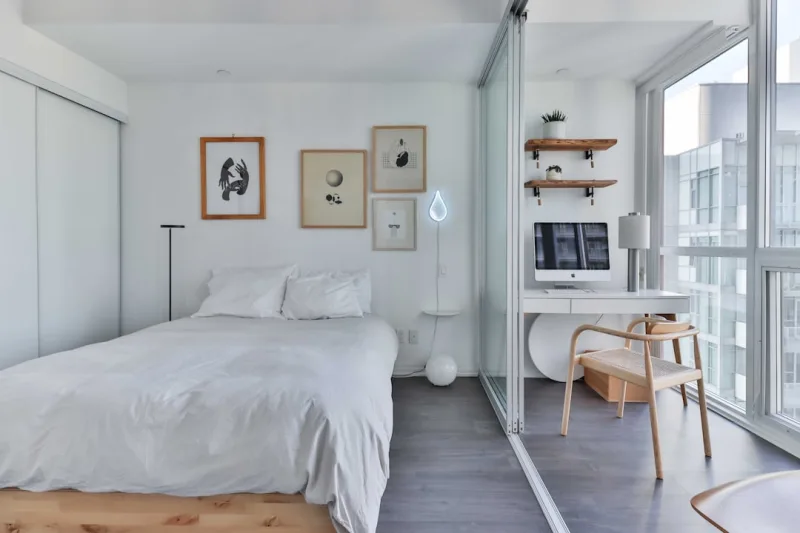 DIY Aesthetic Living Room Makeover Ideas for 2026
When you reach doorways, windows, or outlets, you'll need to cut your boards to fit. Measure carefully, mark your cuts, and use your saw to create clean lines. For outlet and light switch openings, I drill a pilot hole in each corner, then cut inward with a drywall saw. It takes patience, but the payoff is a polished look. Consider adding trim around these openings to frame them nicely — Better Homes & Gardens & Gardens always recommends this, and for good reason.
Step 7: Fill, Sand, and Prime
Fill all nail holes with wood filler, let it dry completely, then sand the entire wall with 220-grit sandpaper. This creates a smooth surface for primer. Apply primer in broad strokes — you want even coverage. I typically need two coats of primer, especially if there are variations in the wood tone. Yes, prime is important. Don't skip it.
Step 8: Paint Your Masterpiece
Here comes the transformation. Use quality paint — it truly makes a difference in coverage and durability. Farmhouse aesthetics usually call for whites, creams, or soft grays. Apply two coats, allowing proper drying time between coats. I always paint with a roller for the main wall area and a brush for detailed spots around trim and edges. The HGTV team always says the finish coat is where your work really shows, so take your time here.
Pro Tips
Start with a small accent wall. Seriously, even if you eventually want shiplap everywhere, start small. One wall teaches you the technique without overwhelming you or breaking the bank. You'll figure out what works and what doesn't in a contained space.
Mix your shiplap sources. Buy boards from different batches or even different suppliers. This creates natural color variation that honestly looks way better than perfectly uniform boards. Farmhouse style is all about that authentic, lived-in feel anyway.
Invest in a stud finder. I can't stress this enough. Your shiplap needs solid backing, and nailing into studs is non-negotiable for longevity. Magnetic stud finders run about $15-$30 and are worth every penny.
Don't rush the finishing. The adhesive, filler, sanding, and priming steps aren't glamorous, but they're what separates a DIY job from a professional-looking installation. Each layer builds on the last, so patience actually pays off here.
Consider shiplap over existing drywall. You don't need to remove anything — you're adding shiplap right over what's there. Just make sure the surface is clean and you locate those studs for proper fastening.
Cost Breakdown
← Scroll to see full table →
| Item | Quantity | Unit Cost | Total Cost |
|---|---|---|---|
| Shiplap Boards (Pine) | 400 sq ft | $1.50/sq ft | $600 |
| Construction Adhesive | 3 tubes | $8 | $24 |
| Finishing Nails | 1 box | $10 | $10 |
| Wood Filler | 1 container | $8 | $8 |
| Sandpaper (assorted) | 1 pack | $15 |