Minimalist Closet Inspiration with DIY Hacks: Create Your Dream Organized Space
There's something deeply satisfying about opening your closet and seeing only the clothes you actually love and wear. If you're tired of the morning chaos, the endless scrolling through hangers, and that nagging feeling that you have nothing to wear despite a packed rod, you're not alone. So many of us have been there—overwhelmed by excess, drowning in decision fatigue, and craving the calm that comes with intentional living. A minimalist closet isn't about deprivation or sacrifice; it's about freedom, clarity, and falling in love with your personal style all over again. The beauty of this journey is that you don't need a huge budget or fancy solutions. With a little creativity and some smart DIY hacks, you can transform your closet into a curated collection that makes you feel confident and inspired every single day. This is about taking back control of your space and, honestly, your peace of mind too.

In this comprehensive guide, you'll discover practical strategies for creating a minimalist closet that actually works for your real life. We'll walk you through understanding the minimalist closet philosophy, creating a solid plan with actionable checklists, breaking down budgets for every spending level, and sharing step-by-step instructions for implementation. You'll also explore different minimalist styles that suit various personalities, learn expert tips from organization professionals, and get answers to the questions keeping you up at night. Whether you're a total beginner or you've already started your minimalist journey, these DIY hacks will help you create a closet that feels like a personal sanctuary—not a burden.
Understanding Minimalist Closet Inspiration with DIY Hacks
A minimalist closet is built on the philosophy that less truly is more—but it's not about owning nothing. Instead, it's about being intentional with every single piece you own. Each item should serve a purpose, fit you well, and ideally work with other pieces in your wardrobe. Think of it as curating a capsule collection where almost everything goes with almost everything else. The goal is to eliminate decision fatigue, reduce waste, and create a collection of clothing you genuinely love wearing.
Why does this matter? Beyond the obvious aesthetic appeal, a minimalist closet saves you time, money, and mental energy. Every morning becomes simpler when you're choosing from pieces you adore rather than sorting through items you've been meaning to donate for years. You'll spend less money because you're buying intentionally rather than impulsively. You'll feel more confident because you're wearing clothes that make you feel like yourself. And honestly, there's something liberating about letting go of the "what ifs"—the outfit you might wear someday, the size you swear you'll fit back into, the trend you feel obligated to own.
Many people make the same mistakes when starting their minimalist closet journey. The biggest? Trying to achieve the perfect minimal closet overnight. This approach leads to burnout and often results in keeping things you later regret discarding. Another common mistake is decluttering without a clear style vision. You end up with fewer clothes, sure, but they don't work together cohesively. People also underestimate the power of DIY solutions, spending hundreds on expensive organizational systems when affordable, creative alternatives exist. Finally, many forget that a minimalist closet is personal—what works for an Instagram influencer might not work for you, and that's completely okay. Your minimalist closet should support your lifestyle, your climate, your body, and your genuine style preferences.
Planning Guide for Minimalist Closet Inspiration with DIY Hacks
Before you touch a single hanger, you need a plan. This is the most crucial step because it prevents the chaos that comes from impulsive purging. Start by defining your personal style. Spend a few days collecting images of outfits you love—from Pinterest, Instagram, magazines, anywhere. Don't overthink it; just save what speaks to you. Then analyze these images. What colors appear most often? What silhouettes do you gravitate toward? What's the overall vibe—minimalist, bohemian, classic, modern, eclectic? This visual guide becomes your north star for everything moving forward.
Next, consider your lifestyle realistically. Do you work in a corporate office, creative field, or from home? Are you active and outdoorsy? Do you have kids and need practical clothing? Are you frequently in social situations? Your minimalist wardrobe should reflect what you actually do, not some idealized version of your life. Then establish your color palette. Aim for 3-4 neutral base colors (think black, navy, gray, beige, white, cream) and 2-3 accent colors that make you happy. This strategy ensures maximum mix-and-match potential. Most importantly, give yourself grace throughout this process. Building a minimalist closet is a marathon, not a sprint, and that's perfectly fine.
Essential Planning Checklist for Your Minimalist Closet Project
- ☐ Create a Style Inspiration Board: Collect 50+ images of outfits and styles that resonate with you
- ☐ Identify Your Color Palette: Select 3-4 neutral base colors and 2-3 accent colors that make you feel confident
- ☐ Map Your Lifestyle: Write down your weekly activities, work environment, climate, and social commitments
- ☐ Assess Your Current Closet: Try on everything and be honest about what actually makes you feel good
- ☐ Define Essential Categories: List the basic clothing types you actually need (jeans, work pants, casual tops, dresses, etc.)
- ☐ Set a Realistic Timeline: Plan to complete your closet transformation over 4-8 weeks, not all at once
- ☐ Budget Appropriately: Decide how much you can spend on filling gaps in your new minimal wardrobe
- ☐ Gather DIY Supplies: Collect organizational materials and tools you'll need for implementation

Budget Breakdown
← Scroll to see full table →
| Budget Category | Items & Examples | Price Range |
|---|---|---|
| Under $50 | Cardboard closet dividers, adhesive hooks, wooden hangers (set of 10), fabric drawer organizers, shelf dividers, command strips, closet rod extenders | $3-$45 |
| $50-$200 | IKEA storage boxes, vacuum storage bags, hanging closet organizers, built-in shelving from The The Home Depot, clothing rack, drawer system, label maker, lighting strip | $50-$199 |
| $200+ | Custom closet organization system, professional installation, quality hangers (wooden or velvet, bulk), custom shelving from The Home Depot, full closet renovation with new rod and brackets | $200-$1000+ |
Here's the truth about budgeting for a minimalist closet: you can absolutely do this affordably. Most of the transformation happens mentally—deciding what to keep—not financially. Start with what you have. Wooden hangers you might already own? Perfect. Empty jars or containers from around your house? Use them for organizing small items. Command strips and adhesive hooks are your friends because they don't require drilling and typically cost under $10.
For modest upgrades, check out IKEA's storage solutions, which offer amazing quality at reasonable prices. A set of their storage boxes costs around $15-30 and transforms a shelf instantly. Amazon has excellent options for drawer dividers, hanging organizers, and shelf risers—usually $10-40 per item. The Home Depot offers affordable shelving solutions and closet rods if you want to expand your storage capacity without a total renovation. Target carries beautiful organizational products that are Pinterest-worthy without breaking the bank. Budget-friendly tip: shop secondhand for larger items like clothing racks and shelving units. Facebook Marketplace and Craigslist often have excellent deals on gently used pieces. Remember, expensive doesn't equal better. A $5 storage box works just as well as a $50 one—it just might not look as Instagram-perfect, and honestly, who cares?
Step-by-Step Guide
Step 1: Conduct a Thorough Closet Audit
 Budget Apartment Renovation: DIY Hacks That Actually Work
Begin by taking everything out of your closet—yes, everything. This might take an afternoon, but it's worth it. Try on pieces you haven't worn in over a year. Be ruthless but kind to yourself. If something doesn't fit, makes you feel uncomfortable, or genuinely doesn't match your current style, it's a candidate for removal. Create three piles: keep, donate, and maybe (we'll revisit the maybe pile). As you sort, note the reasons you loved certain pieces. This helps you identify what actually works for your body and lifestyle, which informs future purchases.
Step 2: Establish Your Color Palette and Style Essentials
Using your inspiration board, identify recurring colors and silhouettes. Select 3-4 neutral base colors that appear most in your kept items and inspiration images. These become the foundation of your wardrobe. Then choose 2-3 accent colors that make you feel alive—these are your "joy colors" that appear in smaller quantities. Document your essential pieces: how many jeans do you genuinely wear? Typically, most people need 2-3 well-fitting pairs. How many white or neutral tops? Usually 4-5. This isn't about deprivation; it's about identifying what you actually use versus what takes up space.
Step 3: Organize Your Closet by Category and Color
Return your kept items to the closet organized by category (tops, bottoms, dresses, outerwear, etc.) and then by color within each category. This visual organization makes outfit combinations immediately apparent. If you hang pants in every color imaginable, you can't easily see which ones pair well with your tops. When organized by color, you can glance and instantly see, "Oh, I can pair this navy top with the gray pants or the navy jeans." This simple shift saves enormous amounts of decision-making time. Keep frequently worn items at eye level and easy-to-reach areas. Seasonal items can move to higher shelves or the back of the closet when not in use.
Step 4: Implement DIY Organizational Systems
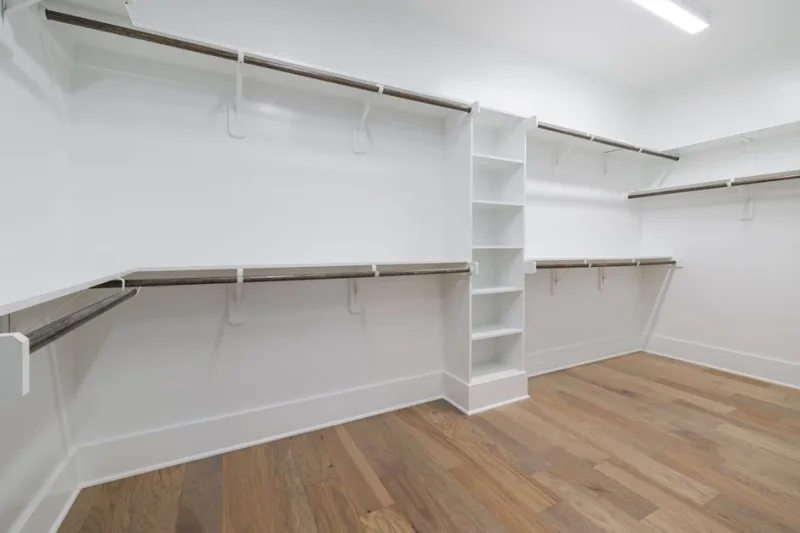
Now comes the fun part—creating affordable organizational solutions. Use command strips to hang shelves or hooks without damaging walls. Tension rods are inexpensive ($10-20) and create additional hanging space. Use cardboard or wooden dividers to section shelves—you can make these yourself with cardboard and contact paper or purchase them affordably. Drawer dividers keep small items like socks, accessories, and intimates neatly separated. Hanging organizers with clear pockets are perfect for scarves, belts, and seasonal items. Vacuum storage bags compress bulky items like sweaters if you have limited shelf space. The key is choosing systems that match how you naturally live. If you hate dealing with vacuum bags, don't buy them. If you always throw things on shelves, get containers with lids.
Step 5: Address the Maybe Pile Strategically
That maybe pile? Store it separately for three months. Put it in a bag or box in another location—closet top, under the bed, or garage. If you don't think about or miss any items during those three months, donate them. Clothes you reach for naturally are clothes you love. This approach removes decision paralysis and prevents the guilt of immediate discarding. It also serves as a trial period for new organizational methods. You might discover that certain categories consistently go untouched, which informs your style and future purchases.
Step 6: Create a Capsule Wardrobe List
Document exactly what you're keeping. Create a simple spreadsheet or use a notes app: List each item, its color, and which other pieces it coordinates with. This becomes incredibly useful when shopping—you can instantly see what gaps exist in your wardrobe and what you actually need versus what you just want. This practice also prevents the common mistake of buying something that doesn't work with your existing pieces. Keep this list accessible, perhaps on your phone, so you can reference it while shopping or when getting dressed on overwhelming days.
Step 7: Establish a Maintenance System
A minimalist closet requires ongoing maintenance or it will gradually accumulate clutter again. Implement a "one in, one out" rule: when you buy something new, something similar leaves your closet. Create a donation box in your closet and regularly add items that don't serve you anymore. Spend 15 minutes every few months reorganizing and assessing. Does something no longer fit? Does a color no longer match your palette? Trust these instincts. A maintained minimalist closet is a living, breathing collection that evolves with you, not a static display piece.
Best Styles and Products
Minimalist Style Approaches
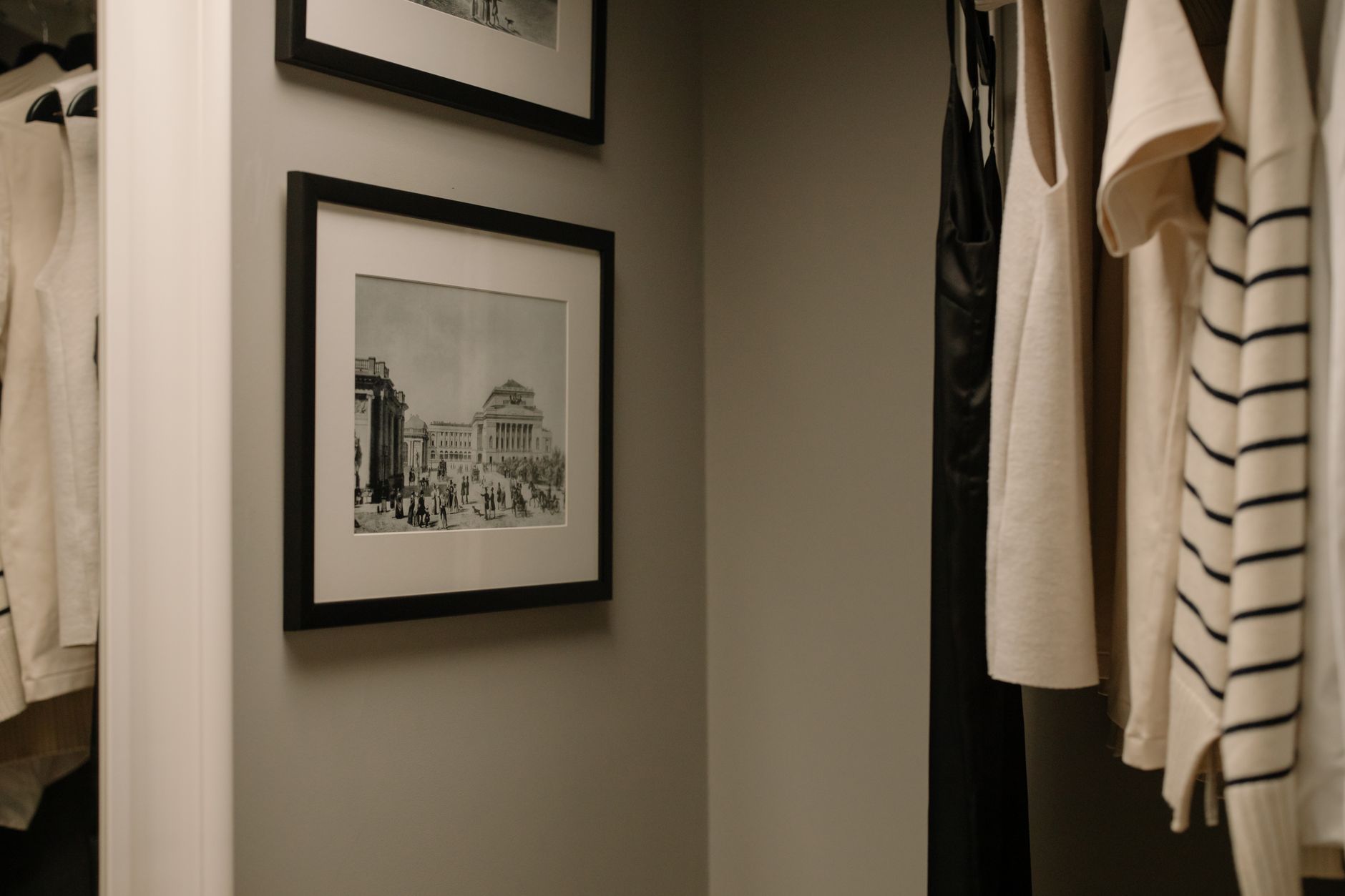
Scandinavian Minimalist: This style emphasizes clean lines, neutral palettes, and functionality. Think cozy neutrality with soft grays, creams, and blacks. Pieces are quality-focused, timeless, and designed to last. This approach works beautifully if you live somewhere cold and want your closet to feel intentional and sophisticated.
Modern Minimalist: Sleek, contemporary, and sometimes edgy. Expect tailored silhouettes, monochromatic looks, and occasional bold statement pieces. This style suits people who work in creative or corporate environments and love clean aesthetics. Black and white feature prominently, with perhaps one accent color.
Warm Minimalist: This is minimalist for people who love color. Instead of strict neutrals, you might choose warm creams, warm grays, caramel, and taupes as bases, with terracotta, sage, or ochre as accents. It's perfect if neutral palettes feel cold and uninspiring to you.
Sustainable Minimalist: Focused on quality, longevity, and ethical sourcing. This style often incorporates natural fabrics, supports small brands and slow fashion, and deliberately resists trends. If conscious consumption matters to you,