DIY Headboard Ideas: Budget-Friendly Ways to Transform Your Bedroom
Your bedroom is your personal sanctuary, and the headboard? It's arguably the most important design element in the room. It serves a practical function, sure, but it's really the major focal point that anchors everything else. Here's the thing, though—pre-made headboards from furniture stores can run you anywhere from $500 to $2,000 or more. That's a significant investment for most people. The good news is you absolutely don't need to spend that kind of money. With some creativity, basic tools, and affordable materials, you can build a beautiful DIY headboard that looks like it cost a fortune. Seriously, your guests will assume you splurged on a high-end furniture showroom piece.
The real advantage of creating your own headboard—beyond the cost savings—is that you get to customize it completely. Want modern minimalism? Rustic charm? Bohemian flair? Classic elegance? You can achieve any aesthetic you're drawn to. This comprehensive guide will walk you through multiple affordable projects with detailed instructions and cost breakdowns. By the end, you'll have the confidence and knowledge to tackle whichever style speaks to you. Your bedroom is about to get a major refresh, and you won't have emptied your wallet doing it.
What You'll Need
Before diving into any headboard project, gathering the right materials and tools will make the entire process smoother and, frankly, more enjoyable. The specific items depend on which style you choose, but here's a comprehensive list covering most basic DIY headboard projects.
Essential Tools
- Power drill with various bit sizes
- Circular saw or miter saw (for cutting wood pieces)
- Measuring tape (at least 25 feet long)
- Level tool for ensuring straight installation
- Stud finder for locating wall studs
- Sandpaper (various grits: 80, 120, and 220)
- Paintbrush or paint roller set
- Pencil for marking measurements
- Hammer and nail set
- Adjustable wrench
- Safety glasses and work gloves
Common Materials
- Two-by-four or two-by-six lumber (pressure-treated or standard)
- Wood screws (1.25 inches and 2.5 inches)
- Drywall anchors or wall studs for mounting
- Paint or wood stain
- Upholstery fabric or wallpaper
- Foam padding (if creating an upholstered headboard)
- Reclaimed wood or shiplap boards
- Rope, twine, or macramé cord (for certain designs)
You can find quality lumber and hardware supplies at The The Home Depot—they offer competitive pricing and usually have helpful staff who can answer questions about quantities and specifications. Better Homes & Gardens & Gardens also provides inspiration galleries showing completed projects with material lists, which is incredibly useful if you're trying to visualize the finished product.
Step-by-Step Instructions for Four Budget-Friendly Headboard Styles
Option 1: Rustic Wooden Plank Headboard
This classic style works beautifully in farmhouse, rustic, and industrial-inspired bedrooms. What I really love about this design is its flexibility—you can adjust both height and width to fit your bed perfectly, creating something that feels custom-made.
Measurements and Materials:
- Eight to twelve 1x8 or 1x10 pine boards (length depends on your wall height—typically 48 to 60 inches)
- Wood filler for knots and imperfections
- Sandpaper (120 and 220 grit)
- Wood stain or paint (dark walnut or whitewash finishes are popular choices)
- Wall anchors rated for 75+ pounds, or mount into studs
- 1.5-inch wood screws
Instructions:
- Start by measuring your bed width and your desired headboard height. Mark these measurements on your wall—and here's the important part—ensure the centerline aligns with your bed's center for a balanced look.
- Use a stud finder to locate and mark all wall studs in your headboard area. You want to plan anchoring boards directly into studs whenever possible. That's where you get maximum stability.
- Select your lumber boards carefully, inspecting each for knots, warping, or damage. Pick boards that complement your desired aesthetic—this stuff is going to be highly visible.
- Cut boards to your desired height, making absolutely sure they're all precisely the same length. A miter saw ensures perfectly straight cuts every time.
- Fill any knots or imperfections with wood filler, allowing it to dry completely. Follow the product instructions—don't rush this step.
- Sand all boards with 120-grit sandpaper first, then finish with 220-grit sandpaper for a smooth, professional surface.
- Apply your chosen wood stain or paint according to manufacturer instructions. Be patient with drying time between coats—it matters.
- Starting from the center of your headboard layout, begin installing boards using appropriate wall anchors or studs. Use a level between each board to ensure they remain perfectly vertical.
- Install each board by driving 1.5-inch screws through the boards into the wall studs or anchors. Spacing screws about 12 inches apart vertically ensures secure mounting.
- Continue adding boards on both sides of the center board, maintaining consistent spacing between each piece for visual continuity.
- Step back frequently to ensure your headboard looks balanced and level. Make any adjustments before fully tightening all screws—trust me, it's easier to tweak things now.
Option 2: Fabric-Upholstered Plywood Headboard
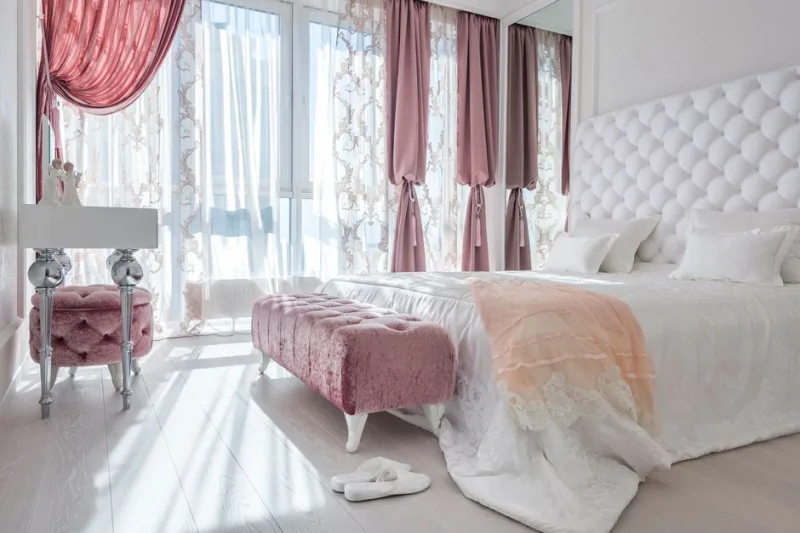
This option creates a sophisticated, hotel-like appearance that elevates your entire bedroom. The upholstered design also dampens sound and adds visual warmth to the space—benefits that go beyond just looking nice.
 Budget Apartment Renovation: DIY Hacks That Actually Work
Materials:
- One 4x8-foot sheet of plywood (3/4-inch thickness), cut to desired dimensions
- 4-5 inches of foam padding (high-density upholstery foam works best)
- 2-4 yards of upholstery fabric (depending on headboard size)
- Staple gun and 1/2-inch staples
- Batting (optional, for smoother appearance)
- Wood trim or molding for edges (optional but recommended for a polished look)
Instructions:
- Determine your headboard dimensions. Most headboards measure 48 to 60 inches tall and extend approximately 12 inches beyond the bed width on each side.
- Have your plywood cut to size at The Home Depot—many locations offer free or low-cost cutting services, which is convenient and saves you hassle.
- Create or source a base frame made from two-by-fours to support your plywood sheet. This frame will mount securely to your wall studs.
- Build and secure your frame to the wall, ensuring it's perfectly level and capable of supporting the weight of the finished headboard (typically 40-80 pounds depending on size).
- Position your plywood sheet on the frame and secure with screws driven from behind—this keeps them hidden from view.
- Measure and cut your foam padding to match the plywood dimensions exactly. Use a utility knife to cut foam cleanly and smoothly.
- Attach the foam to the plywood using spray adhesive, carefully smoothing out any air bubbles as you work. Patience here prevents lumpy headboards.
- Cut your upholstery fabric about 6 inches larger than your headboard in all directions to provide adequate overlap for stapling.
- Lay the fabric face-down on a clean, large surface and position your padded headboard (foam side down) on top of it.
- Fold the fabric up and around the edges, stapling it to the back of the plywood. Start at the center of each side and work toward the corners, maintaining consistent tension on the fabric.
- When reaching corners, fold the fabric neatly—think of it like wrapping a present—and staple securely.
- Mount the completed headboard to the wall using heavy-duty wall anchors or studs, driving at least six securing screws for safety.
- Optional: Install decorative wood trim around the edges to hide staples and create a finished, polished look.
Option 3: Shiplap Accent Wall Headboard
Shiplap has become enormously popular in recent years—you've probably seen it all over HGTV design shows. Creating a shiplap headboard accent wall requires patience and attention to detail, but the results are absolutely stunning. It genuinely transforms your bedroom's visual appeal.
Materials:
- Shiplap boards or tongue-and-groove boards (enough to cover your headboard wall area)
- 1-inch finishing nails or brad nails
- Spacers (1/16-inch thick) for consistent gaps between boards
- Wood putty (color-matched to your paint)
- Paint in your chosen color
- Caulk (paintable, for sealing gaps if desired)
Instructions:
- Measure your wall height and width carefully—precision matters here. Shiplap is typically installed horizontally for headboards, creating that modern farmhouse look everyone loves.
- Find and mark all wall studs in your headboard area using a stud finder. Mark these locations lightly with a pencil so you know exactly where to nail.
- Select your shiplap boards, ensuring they're straight and free of major defects. Many hardware stores sell shiplap prefinished, which saves you considerable finishing time.
- Begin at the bottom of your headboard area, nailing the first board horizontally to the wall studs. Use 1-inch finishing nails spaced about 16 inches apart along studs.
- Use your spacer between each board to maintain consistent 1/16-inch gaps—this is what gives shiplap its characteristic appearance.
- Continue working upward, nailing each successive board. Use a level frequently to ensure everything stays perfectly horizontal.
- When reaching the top, you may need to rip the final board lengthwise to fit the remaining wall height. Use your circular saw for this precise cut.
- Fill all nail holes with color-matched wood putty, allowing it to dry and sanding smooth if needed.
- Optional: Apply paintable caulk into the gaps between boards for a more uniform, polished appearance, or leave gaps alone for a more rustic feel.
- Paint your shiplap wall with two coats of quality interior paint. Be patient with drying time between coats.
Option 4: Macramé and Rope Headboard
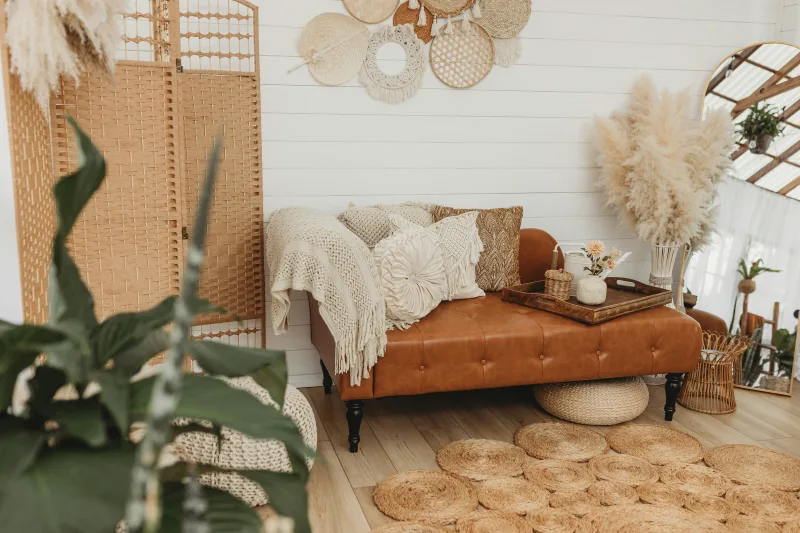
This bohemian-inspired design appeals to those seeking an eclectic, artistic bedroom aesthetic—and here's the best part: it's one of the most affordable options available. You don't need power tools or advanced construction skills either.
Materials:
- 1/2-inch diameter jute rope or cotton cord (30-50 feet depending on pattern complexity)
- Wooden dowel rod or branch (1-2 inches diameter, bed width length)
- Macramé cord or additional rope for decorative knots
- Rope clamps or heavy-duty hooks
- Heavy-duty wall anchors rated for 50+ pounds
- Sandpaper (if finishing wood dowel)
Instructions:
- Select a wooden dowel rod or natural branch that extends about 12 inches beyond your bed on each side.
- If using a dowel, lightly sand it and optionally stain or paint it to match your bedroom décor—natural wood also looks beautiful, though.
- Mount the dowel rod securely to the wall studs (or heavy-duty anchors if studs aren't available) at approximately 48-54 inches above your mattress surface.
- Cut multiple lengths of rope—typically 4-6 feet long depending on your desired fringe length at the bottom.
- Attach rope to the dowel using lark's head knots. That's a basic macramé knot that creates a loop around the dowel—easier than it sounds.
- Create a pattern using different knot styles. Research basic macramé knots online or watch video tutorials—you'll find square knots, spiral knots, and fringe techniques all explained clearly.
- Work methodically across the dowel, spacing knots evenly for visual balance. This is where your design really comes together.
- Leave the rope ends loose at the bottom to create the characteristic boho fringe, or knot them together if you prefer a more finished, contained appearance.
- Step back frequently to evaluate the overall appearance and make