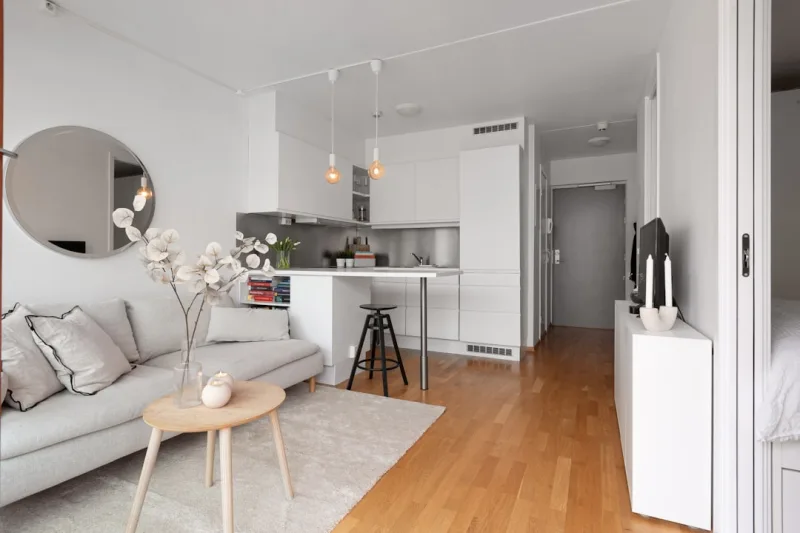
Designer Apartment Transformation for Cozy Homes: Your Complete DIY Guide to Sophisticated Comfort
There's something magical about stepping into an apartment that feels like it was designed just for you—a space where modern sophistication meets warm, lived-in comfort. If you're like most of us, you've scrolled through endless Pinterest boards dreaming of a home that's both beautiful and inviting, where every corner tells a story and makes you want to curl up with a good book. The gap between that dream and your current space can feel overwhelming, but here's the truth: transforming your apartment into a designer-worthy cozy haven isn't reserved for those with unlimited budgets or interior design degrees. It's about understanding the principles that make spaces feel both elevated and deeply welcoming, then applying them thoughtfully to your own four walls. This transformation is absolutely within your reach, and I'm here to walk you through every beautiful step of the way.

In this comprehensive guide, you'll discover exactly how to transform your apartment into a designer space that radiates warmth and comfort. We'll explore the key principles that distinguish truly cozy designer homes from cold, sterile spaces. You'll learn practical planning strategies, get a detailed budget breakdown for every price point, and follow a step-by-step process that takes the guesswork out of your transformation. We'll also dive into the specific styles and products that create that coveted designer-cozy aesthetic, share insider expert tips from seasoned design professionals, and answer the questions you're probably asking right now. Whether you're starting from scratch or refreshing what you already have, this guide gives you everything you need to create a space that's absolutely stunning and completely you.
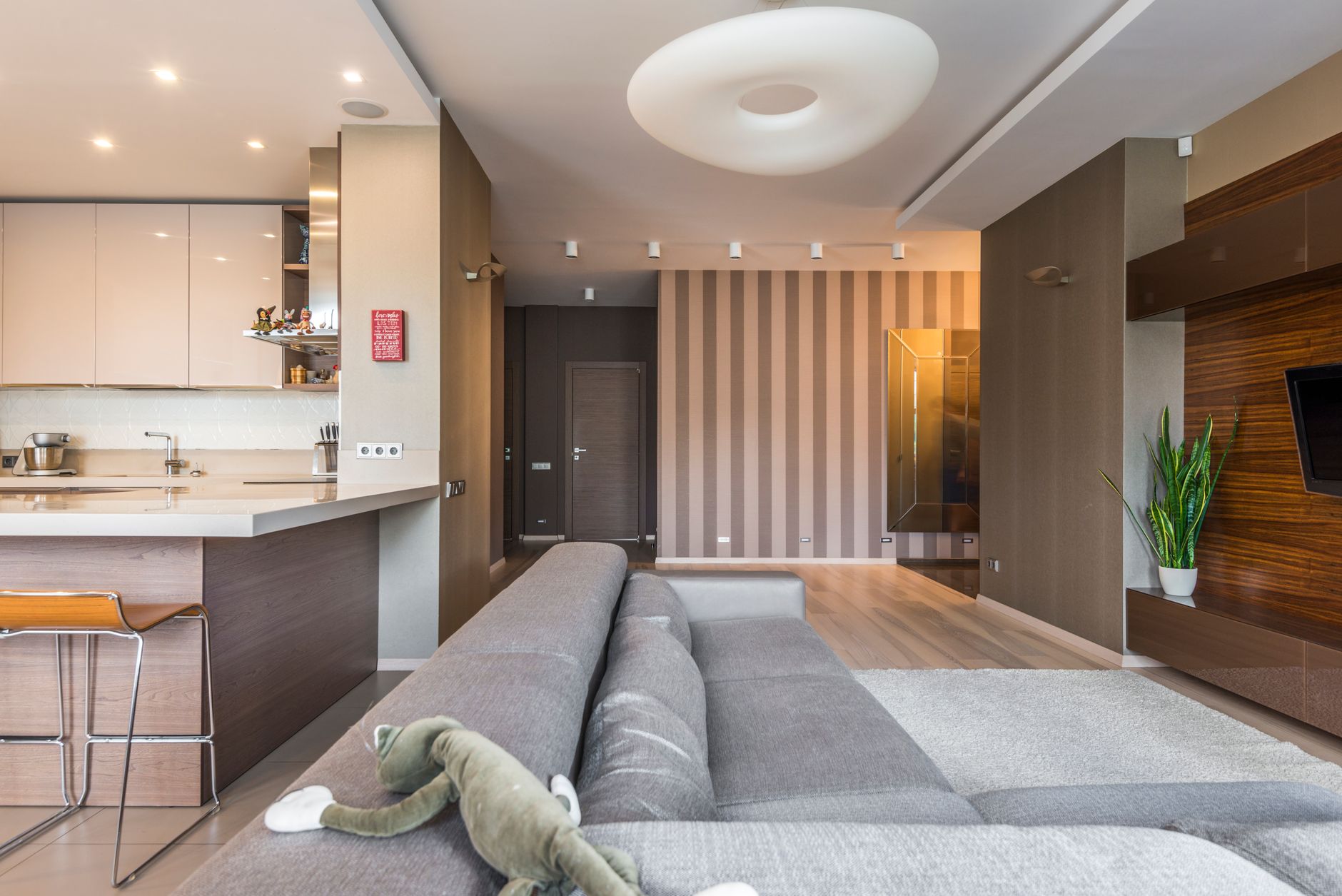
Understanding Designer Apartment Transformation for Cozy Homes
A designer apartment transformation for cozy homes is about creating a sophisticated, intentionally designed space that simultaneously feels warm, inviting, and deeply personal. It's the beautiful intersection where modern design principles meet the comfort you crave—where your apartment doesn't just look magazine-worthy, it feels like the place you've always wanted to come home to.
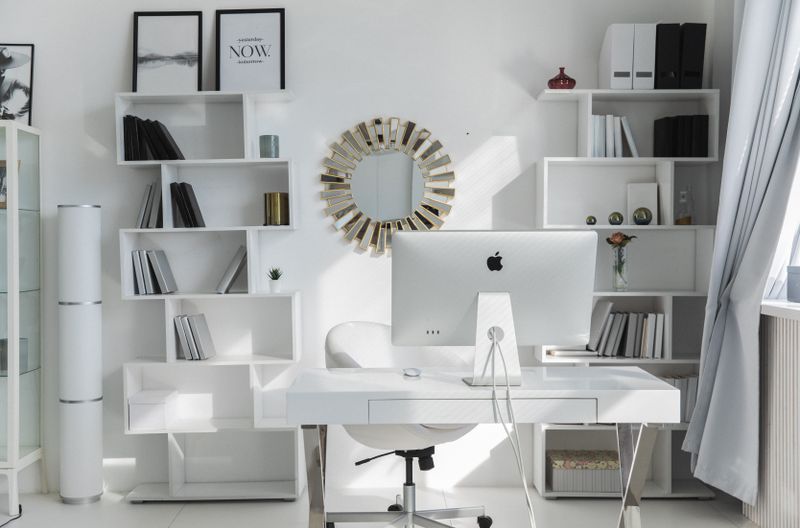
This concept isn't about having perfect, untouchable rooms where you're afraid to sit down. Instead, it's about deliberate choices in color palettes, textures, furniture arrangement, lighting, and accessories that work together to create an environment that's both visually sophisticated and emotionally comforting. Think carefully curated bookshelves that still have room for your favorite coffee mug, neutral walls that are anything but boring because of layered textures, and lighting that makes you want to linger in every room.
Why does this matter? Because we spend so much time in our homes, and our environments genuinely affect our mood, productivity, and overall wellbeing. A designer cozy home creates a sanctuary—a space where you feel proud to host friends, you're genuinely excited to spend quiet time alone, and you wake up grateful for where you live. It's an investment in your happiness that pays dividends every single day.
Common mistakes that prevent people from achieving this look include: pushing toward overly trendy styles that date quickly instead of classic designs with timeless bones; treating every surface as display space rather than leaving breathing room; choosing cold, minimalist aesthetics without enough warmth and personality; neglecting lighting, which is literally the foundation of cozy; trying to copy high-end designer spaces exactly without personalizing for your own life; investing in statement pieces without considering overall cohesion; and attempting everything at once instead of building gradually. The sweet spot is achieving polish and intentionality while maintaining enough of your personality and comfort that your space genuinely feels like yours.
Planning Guide for Designer Apartment Transformation for Cozy Homes
Before you shop for a single throw pillow or paint brush, planning is your secret weapon for transformation success. A thoughtful plan prevents impulse purchases that don't work together, saves money by keeping you focused on your vision, and makes the entire process feel manageable rather than chaotic.
Start by establishing your design foundation. What's your overall aesthetic? Are you drawn to modern farmhouse, contemporary minimalist, eclectic bohemian, classic transitional, or industrial-chic? Spend time saving images on Pinterest, taking screenshots of rooms you love, and identifying common threads. Do these spaces feature warm whites, soft grays, or deeper neutrals? Are there natural wood tones? How much pattern versus solid colors? What's the mix of textures? Write down three to five words that describe your ideal space: mine would be "warm, collected, sophisticated, lived-in, and intentional."
Next, audit what you already have. Walk through your apartment with fresh eyes and a notebook. What existing pieces do you love and want to keep? What's neutral enough to build around? What absolutely has to go because it doesn't align with your vision? Be honest about condition too—broken furniture pieces that you've been meaning to fix rarely make it into your final design. This audit helps you understand your starting point and budget more realistically.
Create a floor plan and color palette. Grab some graph paper or use a free app like Canva or Planner 5D to sketch your space. Measure doorways, windows, and wall space. This prevents you from buying something beautiful that doesn't actually fit. Then develop your color palette: choose a dominant neutral (typically 60% of your space), secondary colors (30%), and accent colors (10%). Stick with two to three neutrals maximum—it creates cohesion. Sample paint colors on your actual walls and observe them at different times of day, as lighting changes everything.
Here's your essential planning checklist:
- ✓ Save 15-20 Pinterest images of spaces you love and identify your aesthetic
- ✓ Write down your three to five guiding design words
- ✓ Create a floor plan with accurate measurements
- ✓ Develop a color palette with swatches
- ✓ Make a priority list (which rooms matter most, which can wait)
- ✓ Set a realistic overall budget
- ✓ Create a timeline (do you want everything done in three months or spread over a year?)
- ✓ Research brands and stores that align with your aesthetic (IKEA, The The Home Depot, Amazon, Target, West Elm, Wayfair, etc.)
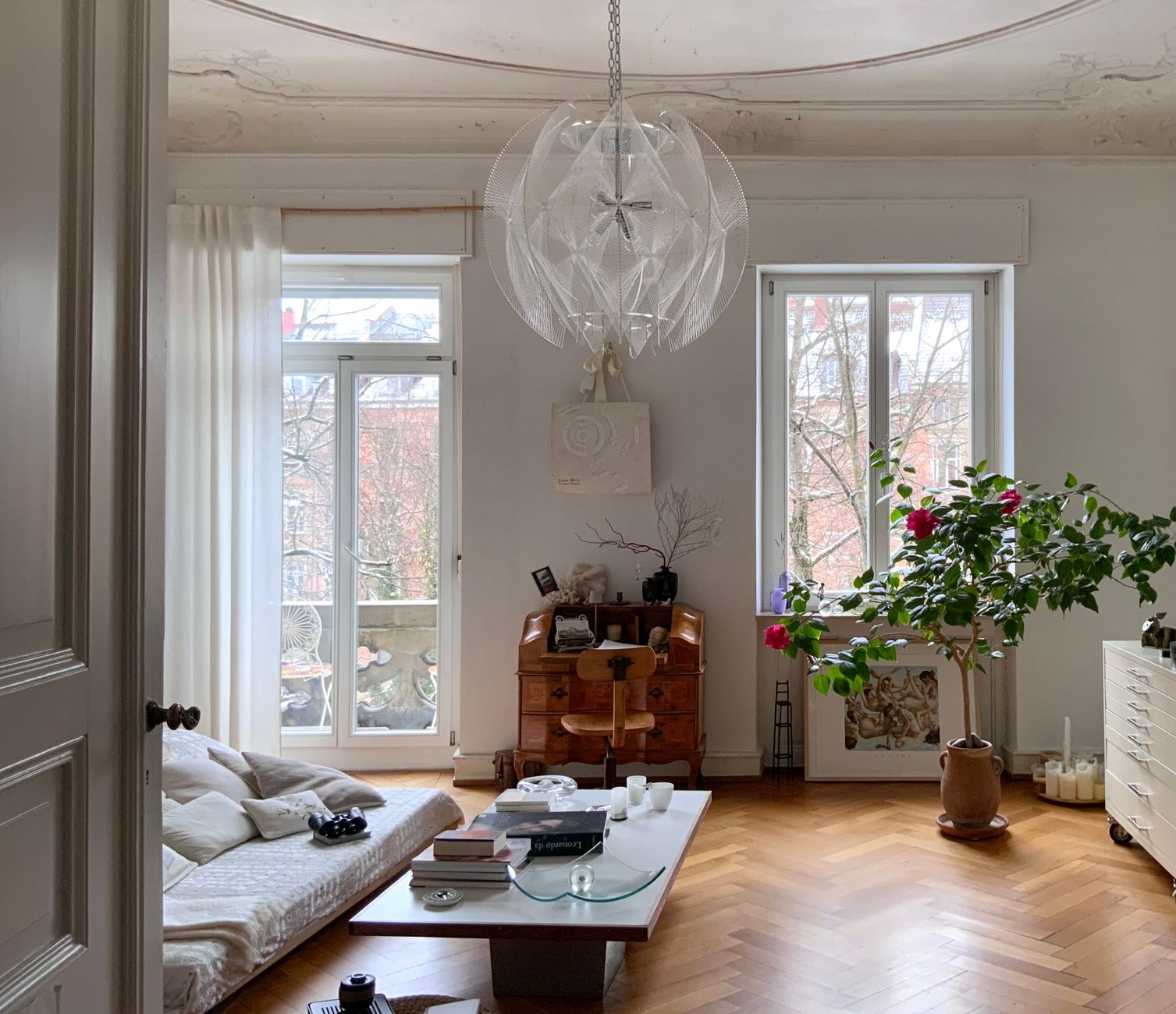
Budget Breakdown
← Scroll to see full table →
| Price Range | Items & Examples | Price Range |
|---|---|---|
| Under $50 | Throw pillows (Target), wall art prints (Amazon), small mirrors, curtain rods, plants in pots, throw blankets (IKEA), picture frames, decorative baskets, candles, string lights | $15-$49 |
| $50-$200 | Area rugs (IKEA, The Home Depot), throw-back chairs, side tables, desk lamps, bookshelf styling books, larger mirrors, curtains (Amazon), small storage benches, floating shelves, coffee table books | $60-$199 |
| $200+ | Sofas and sectionals (IKEA, Amazon Basics), dining tables, bedroom sets, larger area rugs, quality mattresses, statement lighting fixtures, built-in organization systems, quality coffee table, larger artwork | $250-$2,000+ |
Budget strategy matters more than the actual amount you spend. If you have $3,000 total, allocate roughly: 40% to foundational pieces (sofa, bed, dining table), 30% to secondary furniture and storage, 20% to lighting and window treatments, and 10% to accessories and décor. This ensures your space looks complete rather than having expensive art but sad furniture.
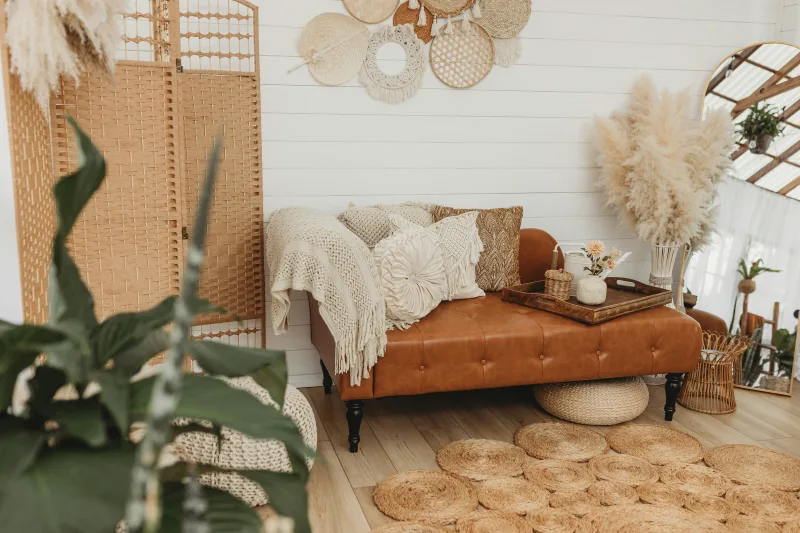 94 DIY Home Decor Projects: Ideas for Every Budget
Pro money tips: Invest in quality basics that you'll keep for years (sofa, bed, dining table) and save money on trend-forward accessories that are easy to swap. Shop end-of-season sales at The Home Depot and IKEA for significant savings. Use Amazon for smaller items—their return policy is incredibly forgiving. Check Facebook Marketplace and Craigslist for vintage or slightly used furniture; you can save thousands on statement pieces. Remember that paint is one of the cheapest ways to transform a space—a gallon of quality paint from The Home Depot costs about $40-60 and can change everything. Set a monthly budget rather than spending everything at once; this helps you live with pieces longer before committing and prevents decision fatigue.
Step-by-Step Guide
Step 1: Paint Your Walls First
Start with your backdrop. Paint is the single most impactful transformation you can make, and doing it first prevents you from buying furniture that clashes. Choose paint samples from multiple brands and test them on your walls. Observe how they look in morning light, afternoon light, and with your artificial lighting on. Most quality paint from The Home Depot costs $40-80 per gallon, and you'll typically need one gallon per room. Paint in a matte or eggshell finish for a sophisticated look that doesn't reflect light too much. Bring in professional painters if you have textured walls or high ceilings, but if you're doing standard walls, this is a great DIY project that saves money and gives you total control. Once dry, your new color will completely shift how everything else feels.
Step 2: Establish Your Lighting Layers
Cozy doesn't happen without proper lighting. You need ambient light (overhead or ceiling), task lighting (for reading or working), and accent lighting (to create mood). This isn't about buying expensive fixtures everywhere; it's strategic placement. Install dimmer switches if possible—they cost about $15-30 at The Home Depot and transform how a room feels at different times of day. Add a quality floor lamp in your living room corner (IKEA has stunning options at $50-150), a bedside lamp or two, and consider wall sconces if your budget allows. String lights or fairy lights add cozy ambiance without being precious—use them in bedrooms, around mirrors, or on floating shelves. The magic number is three different light sources per room minimum.
Step 3: Anchor with a Quality Area Rug
A well-chosen area rug defines a space, adds warmth, and ties furniture together. Choose a rug that's large enough to anchor your furniture grouping—ideally, front legs of major pieces should sit on the rug. Neutral tones work best for longevity; consider warm grays, cream, soft taupe, or natural fiber looks. IKEA and The Home Depot both carry excellent options at $80-300 for standard living room sizes. Layer rugs if you want to add visual interest—a larger neutral base with a smaller patterned runner on top creates depth. Quality matters here; a good rug lasts decades, while cheap ones mat down after a year. Natural materials like jute or wool feel textural and sophisticated.
Step 4: Choose Your Foundational Furniture Pieces
Invest in a sofa that you genuinely love and that fits your space properly. This is typically your largest purchase, so don't rush it. Look for neutral colors (gray, cream, greige, navy, or charcoal) that you'll love for years, and choose a style that won't feel dated in five years. IKEA's sofas offer excellent value for apartment living because of their clean lines and modularity. Amazon Basics also has surprisingly solid options. Take time with this decision—if possible, sit on options in person. Next, address your bedroom with a quality bed frame and mattress (invest here; you spend a third of your life sleeping), a nightstand, and a dresser. Your dining situation might be a simple table from IKEA or a vintage find. Good furniture has simple lines, solid bones, and minimal unnecessary detail.
Step 5: Layer in Storage and Organization
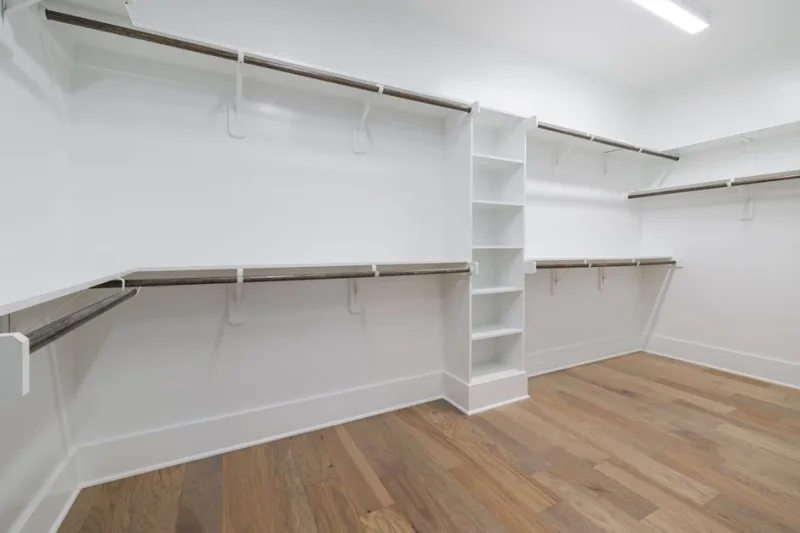
Designer spaces look curated, which means nothing cluttered or haphazard. Install floating shelves (The Home Depot has great options and installation isn't difficult with a stud finder), add baskets under tables or in closets, and use the vertical space in your apartment. Pretty storage baskets from Target or IKEA make everything look intentional. Use drawer dividers, closet systems, and shelf dividers to create organization that's invisible but essential. This step might feel boring compared to buying pretty things, but it's absolutely critical to achieving that designer aesthetic. Clutter kills cozy every single time.
Step 6: Add Textiles in Layers
Blankets, pillows, curtains, and rugs add softness and warmth that make a space feel immediately cozy. In your living room, layer throw pillows in varying sizes (a large 24" pillow, medium 18" pillow, and small 12" pillow create visual interest). Mix textures: combine linen, velvet, chunky knit, and leather. Choose mostly neutral tones with one or two accent colors. Hang curtains from ceiling to floor (a simple rod from The Home Depot with affordable curtains from Amazon creates major impact) for a sophisticated look. Add throws on your sofa and bed—they're functional and beautiful. Target and Amazon have excellent options at various price points.
Step 7: Style with Intentional Accessories
The final layer is what makes a space feel personal and complete. Add books to shelves (Better Homes & Gardens and Gardens books look beautiful and cost $10-25), artwork that matters to you (mix different sizes and mediums), plants in thoughtfully chosen pots, and carefully selected decorative objects. Choose items with intention; every object should either be beautiful, functional, or meaningful—ideally multiple of those things. A well-styled bookshelf has a mix of books, objects, and empty space. Your nightstand might have a lamp, a small plant, and a jewelry dish. Your coffee table features a coffee table book, a small plant, and coasters. Less is genuinely more here. Step back and ask: does this space make me feel calm and happy? If yes, you're there.
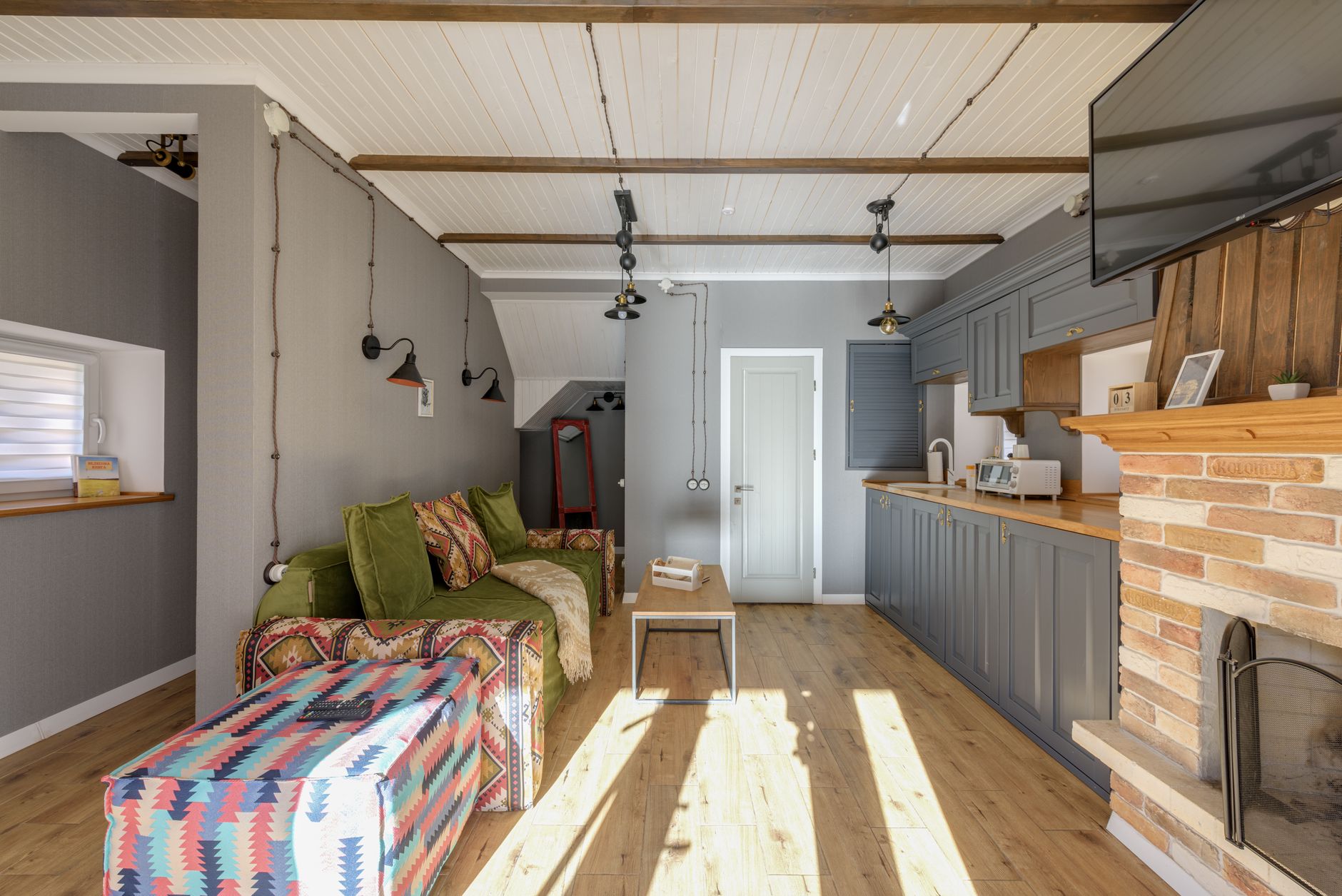
Best Styles and Products
Understanding which design style resonates with you helps clarify your choices and create cohesion. Let's explore four popular approaches that beautifully combine designer polish with cozy comfort:
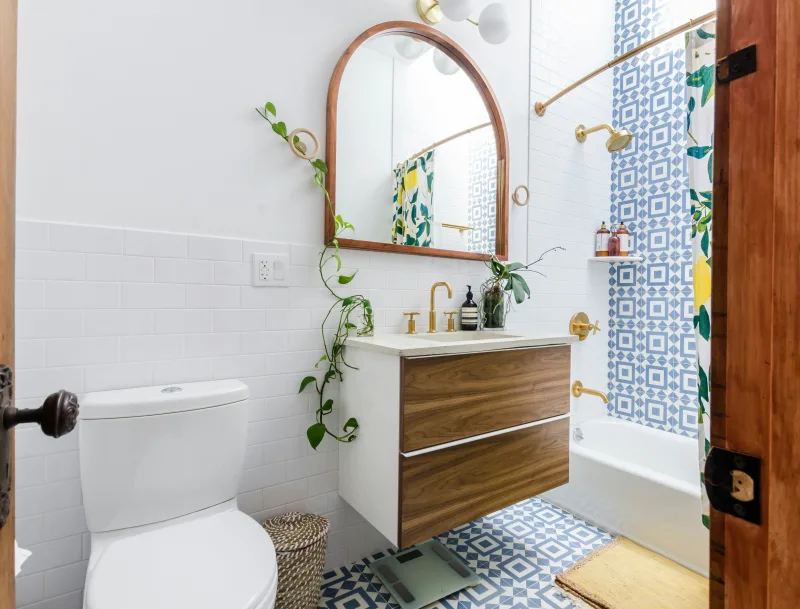
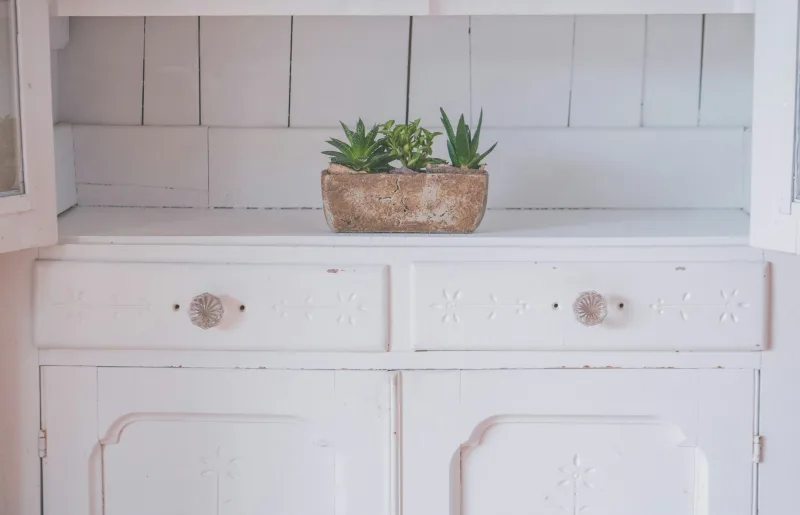
Modern Farmhouse combines clean-lined contemporary furniture with warm, rustic touches—exposed wood, vintage accessories, natural light, and soft textiles. This style feels both elevated and approachable. Paint walls in warm whites or soft grays, incorporate a wood dining table, layer in woven baskets and vintage-inspired lighting, and add greenery throughout. It's incredibly popular right now because it achieves that difficult balance of sophisticated and lived-in.
Scandinavian Design emphasizes light, minimalism, and functionality without being cold. Think pale walls, natural wood, clean lines, cozy textiles in whites and grays, and an emphasis on light. This style requires editing ruthlessly but rewards you with a serene, almost meditative home. Hygge (that Danish concept of cozy warmth) lives here.
Eclectic Transitional mixes modern and traditional elements while allowing for personality and collected pieces. You can have a vintage mirror over a contemporary dresser, pattern mixing with intention, and pieces that tell your story. This style suits people who love variety and adventure; it's permissive while still requiring intentionality.
Contemporary Coastal brings light, airy spaces with nautical inspiration without being clichéd. Soft blues, whites, natural wood, woven textures, and natural light create spaces that feel like calm retreats. This works beautifully