Smart Closet Renovation for Modern Homes: Transform Your Space Into an Organized Oasis
There's something truly magical about opening your closet door to find everything perfectly organized, beautifully arranged, and exactly where you need it. If you're anything like me, you've probably stood in front of your closet more times than you'd like to admit, feeling overwhelmed by the chaos staring back at you. That feeling of frustration? It ends today. A smart closet renovation isn't just about making things look Pinterest-perfect—it's about creating a space that genuinely makes your daily life easier, saves you time, and brings you joy every single morning. Whether you're working with a tiny walk-in or a spacious master bedroom closet, this guide will help you transform that cluttered corner into a functional, beautiful sanctuary. Let's dive into making your closet work as hard as you do.

Throughout this comprehensive guide, you'll discover exactly how to plan a smart closet renovation that fits your home, your budget, and your lifestyle. We'll walk through everything from understanding what makes a closet "smart" in today's modern homes, to creating a detailed budget breakdown, following a step-by-step installation process, and learning professional tips from organizing experts. By the end, you'll have all the knowledge you need to tackle this project confidently, whether you're a seasoned DIYer or picking up a power drill for the very first time.
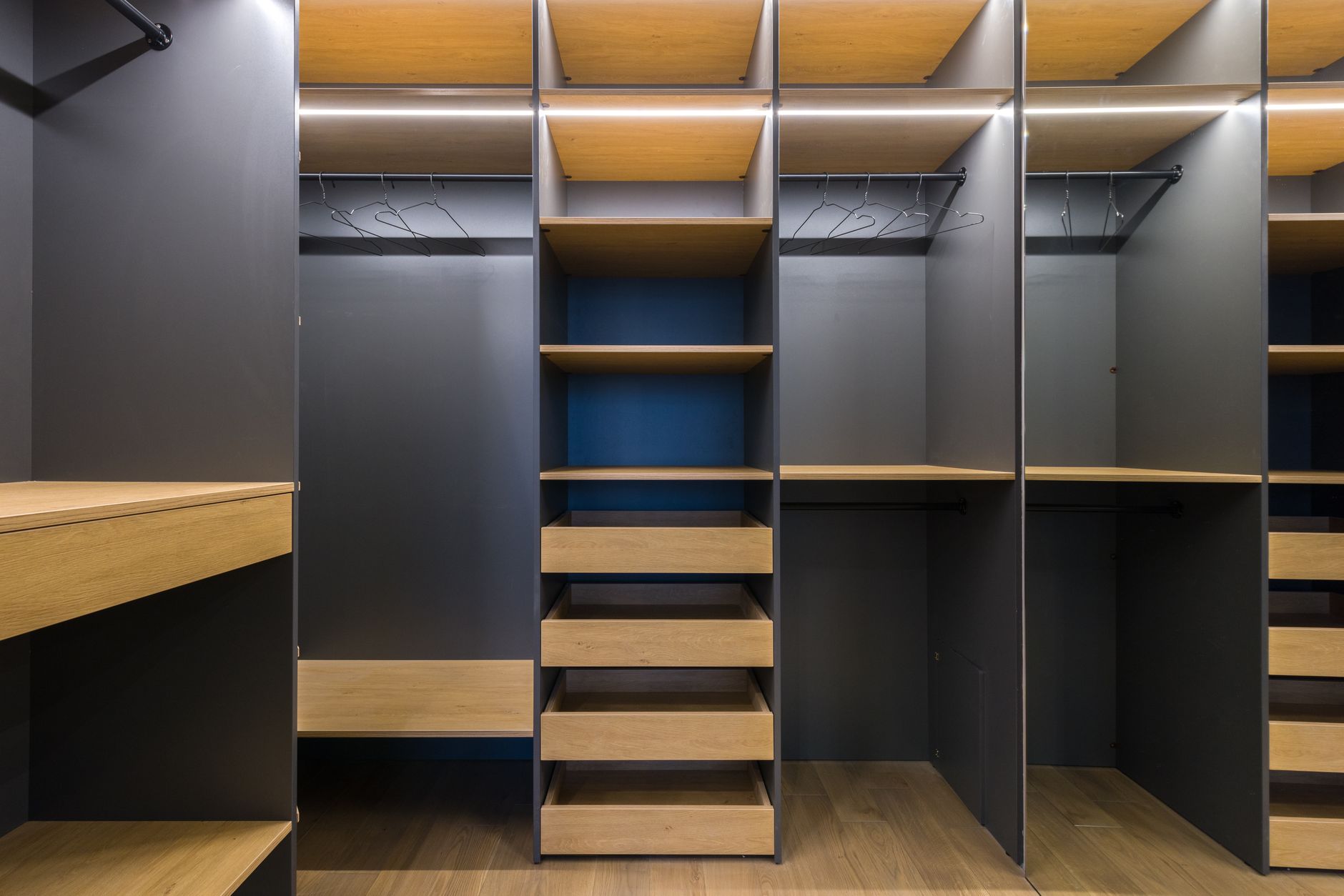
Understanding Smart Closet Renovation for Modern Homes
So what exactly do we mean by a "smart closet renovation"? This isn't just about slapping up some shelves and calling it a day. A smart closet renovation combines thoughtful design, functional storage solutions, and technology integration to create a space that adapts to how you actually live. Modern closets are designed around your lifestyle—they maximize every inch of space, incorporate smart lighting, use organizational systems that grow with you, and often include tech features like motion sensors or app-controlled inventory systems.
The concept of a smart closet has evolved dramatically over the past five years. What once meant simply hanging clothes on a rod has transformed into a comprehensive approach that considers lighting, accessibility, inventory management, and even climate control. A truly smart closet renovation takes into account your personal style, the number of items you own, how often you shop, and what your daily routine actually looks like. It's about creating efficiency without sacrificing aesthetics.
Why does this matter so much right now? Modern homes are getting smaller while our lives are getting busier. We're juggling careers, families, hobbies, and social commitments—often all on the same day. A disorganized closet adds unnecessary stress to your morning routine and makes you feel chaotic before your day even starts. Additionally, when your clothes are properly organized, you actually wear more of what you own, which means you need to shop less frequently and spend less money overall. It's an investment in both your mental health and your wallet.
The most common mistakes women make when renovating their closets include: not measuring properly before buying organizational systems, choosing aesthetics over functionality, failing to account for different types of clothing (hanging versus folding), not considering future growth or lifestyle changes, and underestimating the importance of proper lighting. Many people also make the mistake of copying closet organization systems they see online without considering whether those systems actually match their personal needs and habits. Your closet should work for you, not against you.
Planning Guide for Smart Closet Renovation for Modern Homes
Before you spend a single dollar or drill a single hole, proper planning is absolutely essential. This is where so many people stumble—they get excited about the cute organizing containers they saw on Instagram and rush into purchases without thinking through the actual layout. I've been there, and I've learned the hard way that fifteen minutes of planning saves hours of frustration later.
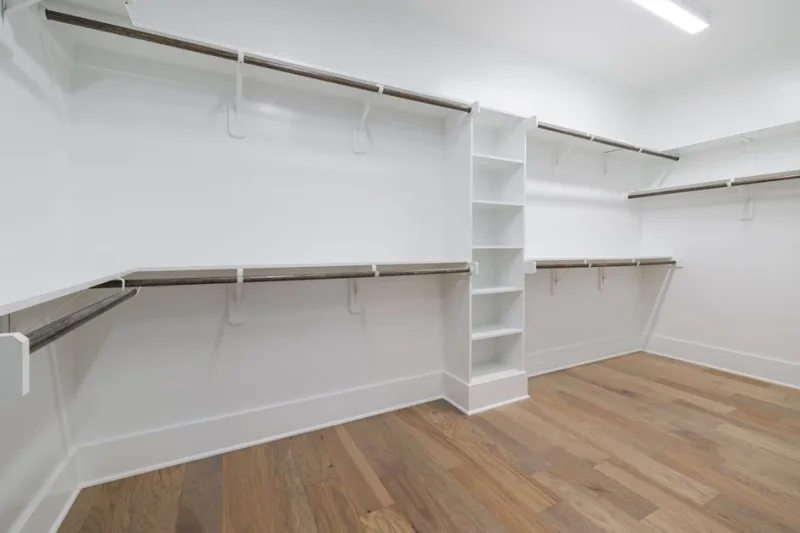
Start by assessing your current closet situation honestly. What's working? What's driving you crazy? Spend a week just noticing which items you reach for repeatedly and which ones sit untouched. This gives you valuable insight into what your closet actually needs to accommodate. Next, measure everything—and I mean everything. Measure the width, depth, and height of your closet. Note where electrical outlets are, where your door swings, whether you have any architectural quirks like sloped ceilings or built-in features.
Think about your lifestyle and how your closet should support it. Are you working from home in casual clothes most days? Do you have business formal meetings several times a week? Are you an active mom who needs easy access to workout gear? Do you love seasonal shopping or do you maintain a capsule wardrobe year-round? Your answers to these questions should drive every decision you make about your closet layout.
Consider your budget realistically. Smart closet renovations can range from $200 to $5,000 or more, depending on your choices. You don't need to do everything at once—in fact, phasing your project can be smart because it lets you live with your new system and make adjustments before investing in additional elements.
Pre-Renovation Closet Planning Checklist
- Measure closet dimensions (width, depth, height, door swing space)
- Note electrical outlet locations for future smart lighting installation
- Identify architectural challenges (sloped ceilings, windows, shelving limitations)
- Create a detailed inventory of what you actually own and wear regularly
- Determine your clothing categories (work, casual, formal, seasonal, fitness)
- Establish a realistic budget and timeline for the project
- Research organizing systems that align with your style and needs
- Plan future additions like additional lighting or smart features

Budget Breakdown
 Budget Apartment Renovation: DIY Hacks That Actually Work
← Scroll to see full table →
| Under $50 | $50-$200 | $200+ |
|---|---|---|
| Velvet hangers set (50 pack) - $25 | IKEA PAX wardrobe system - $150 | Custom closet system (closetmaid or similar) - $500-$1,200 |
| Plastic storage bins (3-pack) - $20 | LED motion sensor light fixture - $45 | Professional installation labor - $400-$800 |
| Drawer dividers - $15 | Hanging shoe organizer - $35 | Smart closet lighting system - $250-$600 |
| Adhesive shelf liner - $12 | Full-length mirror with frame - $80 | Luxury closet doors or hardware - $300-$1,000 |
| Labels and label maker - $30 | Wood shelving and brackets - $120 | Premium flooring installation - $500+ |
Let's talk about smart spending for your closet renovation. The biggest advantage of breaking down your budget into phases is that it keeps you from feeling overwhelmed financially while still allowing you to achieve real results. Many of the best closet transformations happen gradually over a few months, not all at once.
Start with the basics: quality hangers, good lighting, and basic storage containers. These elements make an enormous difference and are relatively inexpensive. Velvet hangers from Amazon run about $25 for a 50-pack and honestly make everything look more organized instantly. Next, invest in proper lighting—this is non-negotiable because you can't see your beautiful organized closet if it's dark. A motion-sensor LED light fixture costs $40-$50 and pays for itself in how much better you'll feel.
When budgeting, resist the urge to buy organizational systems until you know exactly what you need. Many people waste money on containers and dividers that don't match their lifestyle. Instead, spend a couple of weeks living with your new basic setup and observing where you actually struggle. Then make targeted purchases that solve those specific problems. This approach almost always results in a more functional closet and less wasted money on stuff you won't use.
Step-by-Step Guide
Step 1: Complete a Thorough Declutter
Before installing anything new, remove everything from your closet. Yes, everything. This is your chance to really evaluate what you own. As you pull items out, sort them into categories: keep, donate, sell, and trash. Be honest about what you actually wear. If you haven't worn something in a year and it doesn't make you feel amazing, it needs to go. The items taking up valuable real estate in your closet should be pieces you love and actually use. This step often surprises people—most of us discover we wear only about 20% of our wardrobes regularly. Removing the excess automatically makes your closet feel more spacious and organized before you even install anything new.
Step 2: Deep Clean Your Closet Space
With your closet completely empty, this is the perfect time to give it a thorough cleaning. Wipe down every surface, vacuum the floor, and clean the walls. If the carpet is stained or the closet has a musty smell, this is your moment to address it. Consider adding a fresh coat of paint—even a light neutral color can make your closet feel more intentional and beautiful. Fresh paint doesn't have to be white; soft grays, warm beiges, or even soft pastels create a lovely backdrop for your clothing. This step takes a few hours but completely transforms how your closet feels.
Step 3: Plan Your Layout and Install Lighting
Sketch out your closet layout on paper before installing anything permanent. Decide where hanging space will go, where shelves should be positioned, and where you'll keep shoes, accessories, and folded items. Now is the time to install your lighting. A motion-sensor LED light is ideal because it's energy-efficient and comes on automatically when you open the door. Most require no hardwiring—you can mount them with adhesive strips or small screws. Proper lighting completely changes how your closet functions and looks. You'll see your clothes clearly, colors will show true, and the space will feel more welcoming.
Step 4: Install Your Core Storage System
Whether you're using IKEA's PAX system, installing shelving from The The Home Depot, or upgrading to a custom closet system, follow the manufacturer's instructions carefully. Take your time during this step—crooked shelves are frustrating and limit what you can store effectively. Ensure everything is level and securely fastened. If you're not comfortable with installation, this is a great time to hire a handyperson. A few hours of professional help ensures your system is safe and looks polished.
Step 5: Organize by Category and Frequency of Use
Place items back into your closet using the zone method. Keep everyday items at eye level and within easy reach—these are your favorite jeans, go-to work blazers, and frequently worn basics. Seasonal items, special occasion clothes, and things you wear less frequently go on higher shelves or in the back. Fold items you wear less often and create a "getting dressed" zone with your most-worn pieces easily accessible. This approach saves time every morning because your best pieces are literally in the easiest spot to grab.
Step 6: Implement Smart Organization Tools
This is where containers, dividers, and labels come in. Use drawer dividers to keep small folded items neat and easy to find. Shelf dividers prevent items from toppling over. Clear containers let you see contents at a glance. Label everything so that anyone in your household knows where things belong. Consider adding a small label maker from Amazon (around $30) for a polished look. These tools aren't frivolous—they're investments that maintain your organized system long-term. When you can see exactly where things go, you're much more likely to maintain the organization.
Step 7: Add Final Touches and Smart Features
This final step brings your closet into the modern era. Add a full-length mirror if you don't have one—it serves both practical and visual purposes. Consider a small shelf or hooks for frequently used accessories. If you're tech-savvy, this is when you might add smart features like app-controlled inventory tracking (several apps now exist for this), additional smart lighting, or even a small Bluetooth speaker for listening to music while getting ready. These touches aren't necessary for function, but they make your closet feel special and personalized.
[