Elegant Apartment Setup with DIY Hacks: Transform Your Space Without Breaking the Bank
Look, I get it. You've got a blank canvas of an apartment, big dreams, and a budget that's somewhere between "please no" and "absolutely not." But here's the thing — creating an elegant, sophisticated living space doesn't require hiring an interior designer or dropping thousands of dollars at high-end furniture stores. I've seen people pull off magazine-worthy apartments using nothing but creativity, patience, and a trip to The The Home Depot.
Over the years of helping friends transform their spaces, I've learned that elegance isn't about how much you spend — it's about intentionality. It's about understanding color theory, layering textures, and knowing which DIY shortcuts actually work and which ones scream "I did this myself" (not in the good way). The projects I'm sharing today? They're real solutions I've tested, tweaked, and genuinely love.
Whether you're moving into your first apartment or giving your current space a much-needed refresh, these DIY hacks will help you achieve that polished, elegant look without maxing out your credit card. Let's dive in.
What You'll Need
Before you start, gather these materials. Most of them are readily available at The Home Depot, local hardware stores, or online. Here's what I typically recommend:
- Paint and primer — Quality matters here. Benjamin Moore or Sherwin-Williams ($25-$45 per gallon)
- Peel-and-stick wallpaper or removable wallpaper — Perfect for renters ($20-$60 per roll)
- Floating shelf brackets and wood boards — Lumber from The Home Depot ($30-$80 per shelf set)
- Faux plants and greenery — High-quality silk plants ($15-$50 each)
- Decorative molding or trim — Adds architectural interest ($2-$8 per linear foot)
- Adhesive hooks and picture hanging supplies — Damage-free solutions ($10-$25)
- Fabric for reupholstering or draping — Cotton canvas or linen ($8-$20 per yard)
- Wood stain or wood filler — For refinishing pieces ($12-$35)
- Spray paint (metallic finishes) — For updating thrifted finds ($8-$15 per can)
- LED strip lights or smart bulbs — Creates ambiance ($20-$60)
Step-by-Step Guide
Step 1: Start with Paint — It's Your Foundation
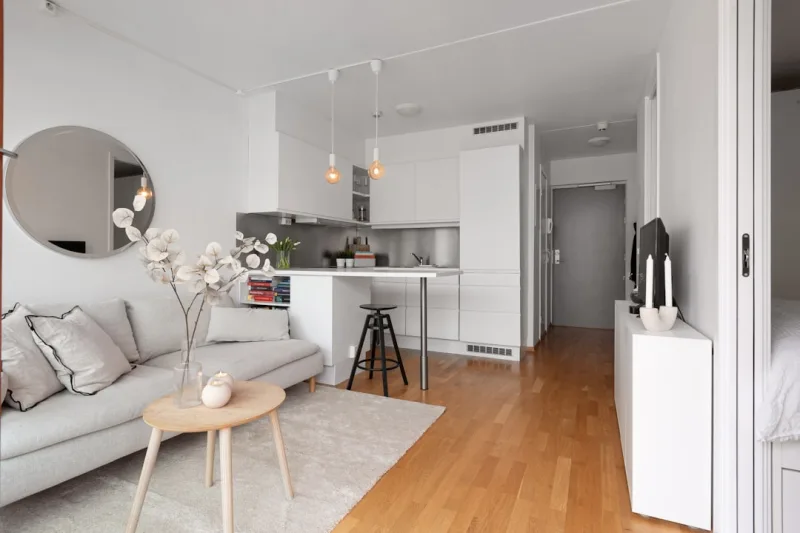
Honestly, this is where everything changes. A fresh coat of paint can make the biggest impact for your dollar. I always recommend soft, sophisticated neutrals — think warm whites, soft grays, or muted taupe. These colors make spaces feel larger and more elegant. Head to The Home Depot and grab sample pots before committing. Paint them on different walls and observe how natural light affects them throughout the day. It sounds tedious, but it saves you from ending up with a color you hate for the next year.
Budget about 4-6 hours for prep, priming, and painting. Two coats. Trust me on this.
Step 2: Add Architectural Interest with Molding
Okay, this is my secret weapon for instant elegance — crown molding or simple trim around doorways and ceilings. You don't need to do your entire apartment. Even just adding it to one accent wall or around doorways creates that high-end, finished look. Better Homes & Gardens & Gardens has excellent tutorials on this, but the basic process involves measuring, cutting (or having The Home Depot cut it for you), and attaching with a nail gun and construction adhesive.
The best part? It's totally removable if you're renting.
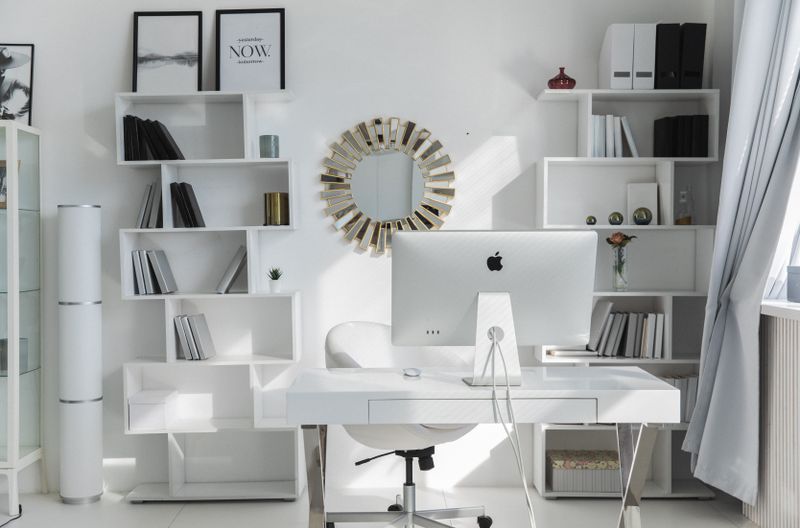
Step 3: Style Your Walls with Art and Floating Shelves
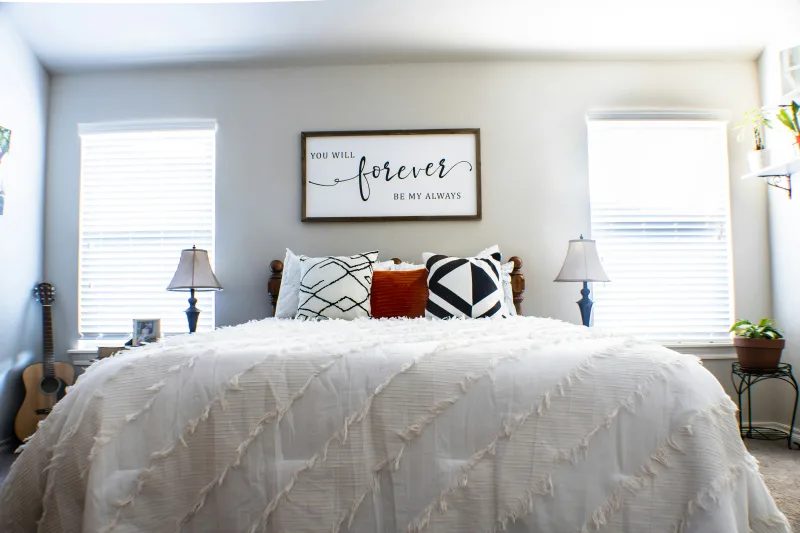
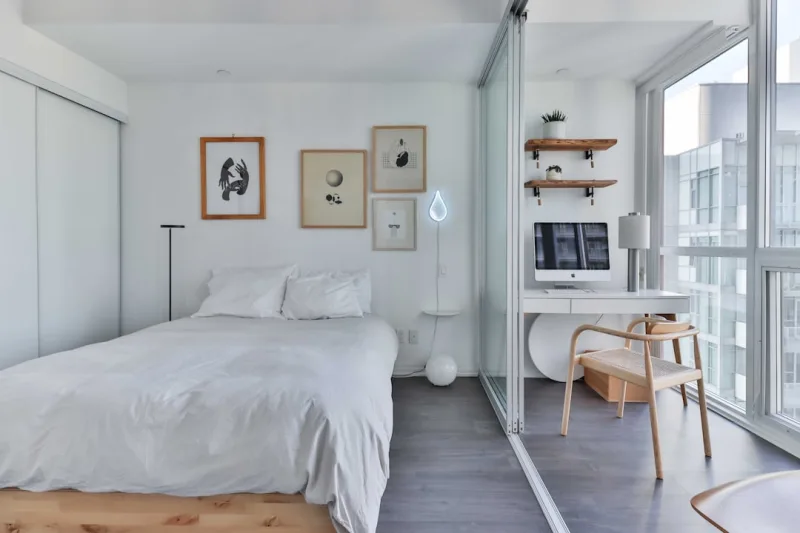
This is where personality meets elegance. Invest in a good picture hanging system — those fancy ones with levels and templates. They're worth it. Arrange your art in a cohesive way — don't just scatter pieces randomly. I typically go with a gallery wall format, mixing frame sizes but keeping the color palette consistent.
Add floating shelves above a console table or beside your bed. Style them with books, plants, and decorative objects using the "rule of three" — group items in odd numbers for a more sophisticated feel. It's a simple trick that actually works.
Step 4: Layer Your Lighting
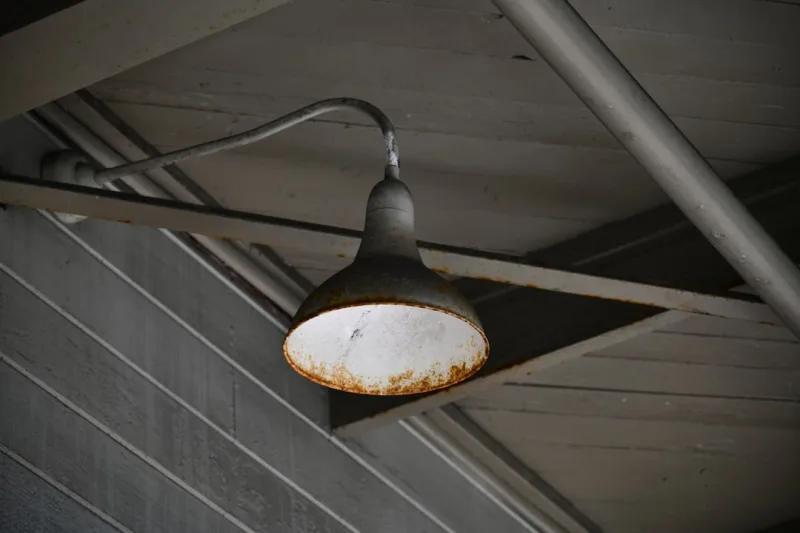
This is non-negotiable for elegance. Never rely on overhead lights alone — it looks harsh and flat. Create layers with floor lamps, table lamps, and LED strip lighting behind floating shelves or under cabinets. Smart bulbs from companies like LIFX or Philips Hue let you adjust color temperature throughout the day, which completely changes the vibe of your space.
Aim for warm light in the evenings (around 2700K) for that cozy, sophisticated atmosphere.
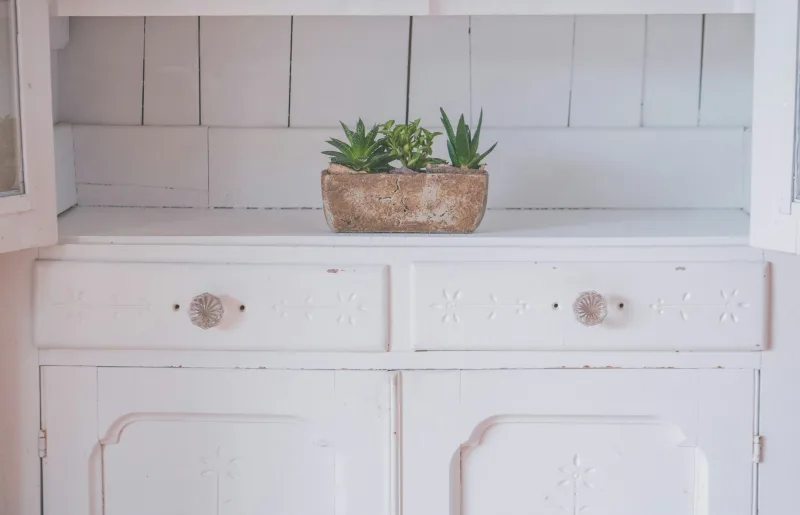
Step 5: Update Thrifted Furniture with Fresh Finishes
 94 DIY Home Decor Projects: Ideas for Every Budget
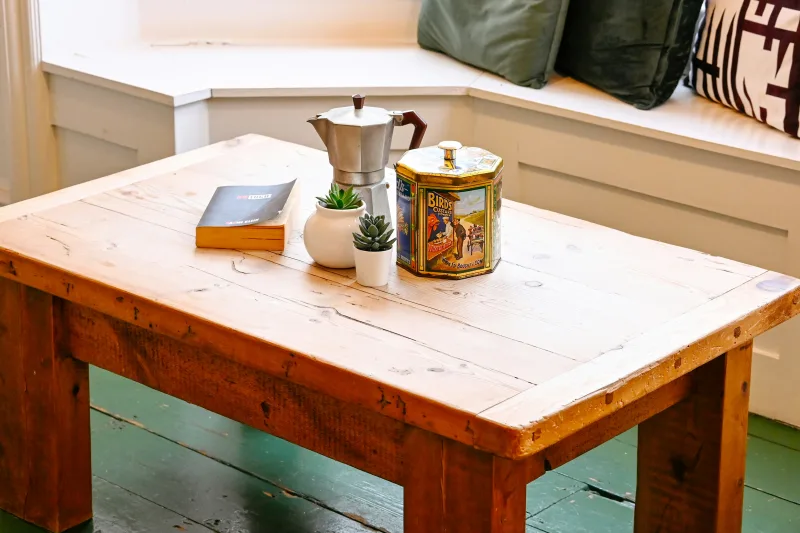
Here's where you save serious money. Hit up local thrift stores or Facebook Marketplace for solid wood furniture pieces. Then transform them. I've taken dated coffee tables and sprayed them with metallic gold paint, refinished old nightstands with wood stain, and reupholstered chairs with gorgeous linen fabric. HGTV has fantastic before-and-afters of these projects that honestly inspire me every single time.
A coat of spray paint can cost you $10 and transform a $50 thrifted nightstand into something that looks like it came from a boutique furniture store. That's the math that matters.
Step 6: Incorporate Greenery Strategically
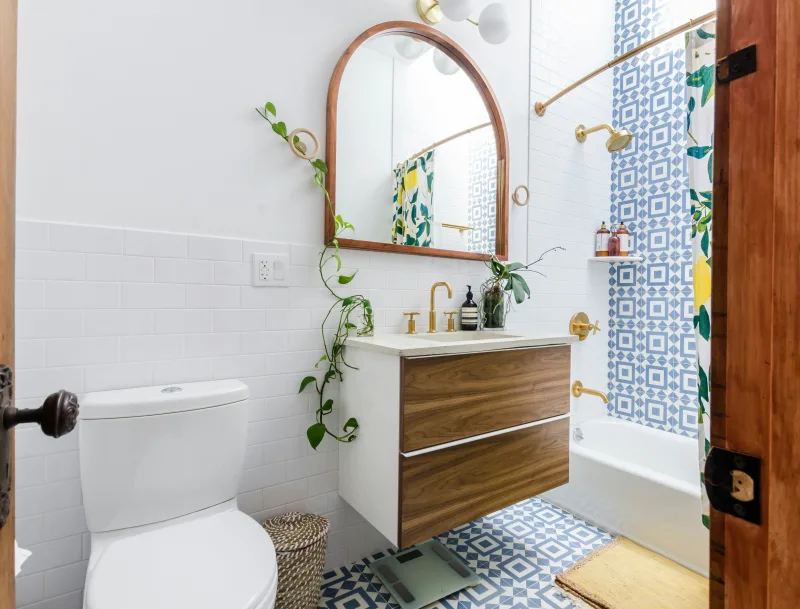
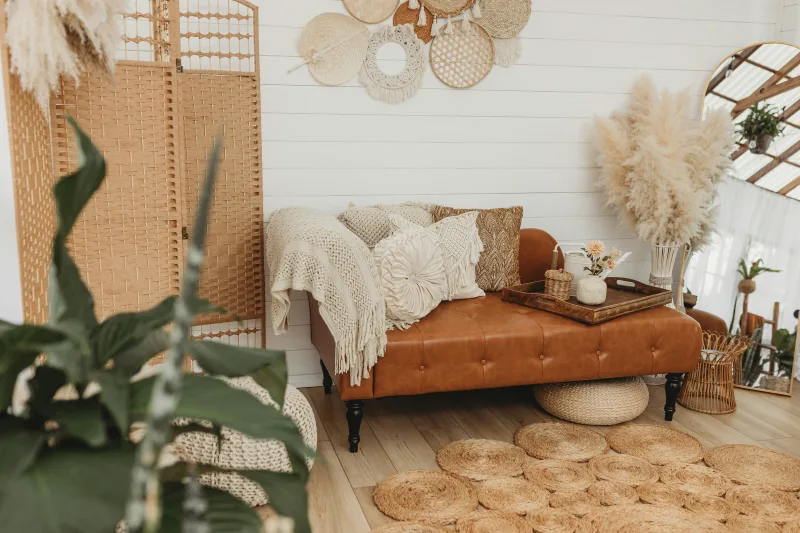
Plants add life and elegance, but let's be real — not everyone has a green thumb. I use high-quality faux plants in corners and on shelves, combined with a few easy-to-care-for real plants like pothos or snake plants. They're forgiving and look expensive in the right planters. Choose vessels in coordinated colors — all white, all terracotta, all matte black — rather than mixing everything together.
Pro Tips
Invest in Quality Where It Matters: Splurge on things you touch daily — bedding, a good office chair, quality lighting. Save on things like art and decor by DIYing or thrifting.
The Power of Paint Samples: Those little $5 sample pots at The Home Depot are your best friends. Buy multiple colors, paint large swatches, and live with them for a few days. Seriously, this prevents mistakes.
Stick to a Color Palette: Choose 3-4 main colors and repeat them throughout your space. This creates visual harmony and makes everything feel intentional and designed.
Measure Twice, Cut Once: This applies to everything — shelves, art placement, furniture arrangement. Precision looks elegant; haphazard looks rushed.
Use Negative Space: Don't overcrowd your surfaces. Empty space is elegant. Leave room to breathe between objects and furniture pieces.
Cost Breakdown
← Scroll to see full table →
| Project | Materials Cost | Time Required | Impact Level |
|---|---|---|---|
| Full apartment paint job | $100-$200 | 16-20 hours | Very High |
| Floating shelves (3-4 shelves) | $120-$240 | 6-8 hours | High |
| Crown molding (accent wall) | $80-$150 | 4-6 hours | High |
| Gallery wall creation | $60-$150 | 3-4 hours | Medium-High |
| Furniture refinishing (2-3 pieces) | $40-$100 | 8-12 hours | High |
| Lighting upgrades | $100-$250 | 2-3 hours | Very High |
| Plants and planters | $50-$150 | 1 hour | Medium |
| Total Estimated Cost | $550-$1,240 | 40-60 hours | Transformative |
Frequently Asked Questions
Can I do these DIY projects if I'm renting?
Absolutely. The key is choosing removable solutions. Use peel-and-stick wallpaper instead of permanent wallpaper. Opt for damage-free picture hanging systems. Use removable molding attached with adhesive rather than nailing. Focus your energy on furniture refinishing and styling — those move with you. I've done this whole setup in rental apartments multiple times, and it's totally doable.
What if I don't have any DIY experience?
Start small. Your first project should be something low-stakes like painting a nightstand or arranging a gallery wall. YouTube and Better Homes & Gardens have incredibly detailed tutorials for literally everything. Watch the video, gather your materials, and just start. The mistakes you make on your first project teach you more than any instruction manual. Plus, most of these hacks are genuinely beginner-friendly — painting requires no special skills
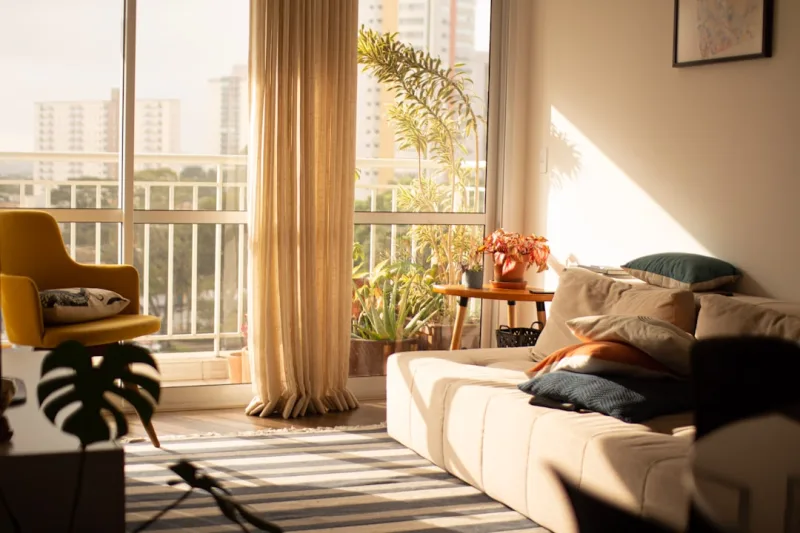
📷 Photo by Danilo Rios on Unsplash