Designer Kitchen Design That Looks Expensive: The Real Talk Guide
Okay, let me be honest — when people ask me how to make their kitchen look like it was designed by some fancy architect from New York, they're usually expecting an answer that involves dropping $50,000 on new cabinets. But here's the thing: a designer kitchen doesn't have to drain your bank account. I've spent years watching homeowners transform their spaces into something that genuinely feels elevated, and it's not always about the price tag. It's about knowing where to invest and where to get creative.
The secret? It's all about strategic choices. Think of it like putting together an outfit — you don't need everything to be designer brands, but the pieces you do invest in need to work together perfectly. A gorgeous countertop paired with the right hardware, good lighting, and some intentional styling can make your kitchen look like you paid triple what you actually spent. And honestly, that's the whole goal here.
I'm going to walk you through exactly how to pull off that luxe kitchen aesthetic without selling your car. We're talking about smart investments, clever tricks, and a bit of elbow grease. Ready? Let's get started.
What You'll Need
Before you start pulling apart your kitchen, here's what you're actually going to need to achieve that designer look:
- High-quality hardware (cabinet pulls and knobs) — $150-$400
- Premium countertop material (quartz or engineered stone) — $2,000-$5,000 for average kitchen
- Paint for cabinets (Benjamin Moore or Sherwin-Williams) — $80-$150
- Under-cabinet lighting (LED strip lights) — $150-$300
- Open shelving or floating shelves — $200-$600
- Backsplash tile (subway, marble, or geometric) — $300-$1,500
- New faucet (mid-range designer style) — $300-$800
- Styling accessories (plants, books, serving pieces) — $200-$400
- Professional painter or painting supplies — $500-$2,000
- Roller, brushes, and prep materials — $50-$100
The good news? You don't need every single item. It's about prioritizing based on what will make the biggest impact in your specific kitchen. Check out The The Home Depot for most of these materials — they've got solid options at every price point.
Step-by-Step Guide
Step 1: Start With Cabinet Paint (The Game Changer)
This is where magic happens. If your kitchen has decent bones but tired-looking cabinets, paint them. Seriously. I've seen kitchens transform from 2003 to 2024 with just a fresh coat. You want to go with something like Benjamin Moore's Advance or Sherwin-Williams Pro Classic — yes, they cost more, but they actually look like professional work. Stick to timeless colors: soft whites, warm grays, or even a moody navy if you're feeling bold.
The process? Sand lightly, prime everything, then apply two coats minimum. It's tedious, but it's one of the most cost-effective upgrades you can make. Alternatively, hire a professional painter — it'll run you $1,000-$2,000, but you'll avoid the DIY headaches.
Step 2: Upgrade Your Hardware Immediately
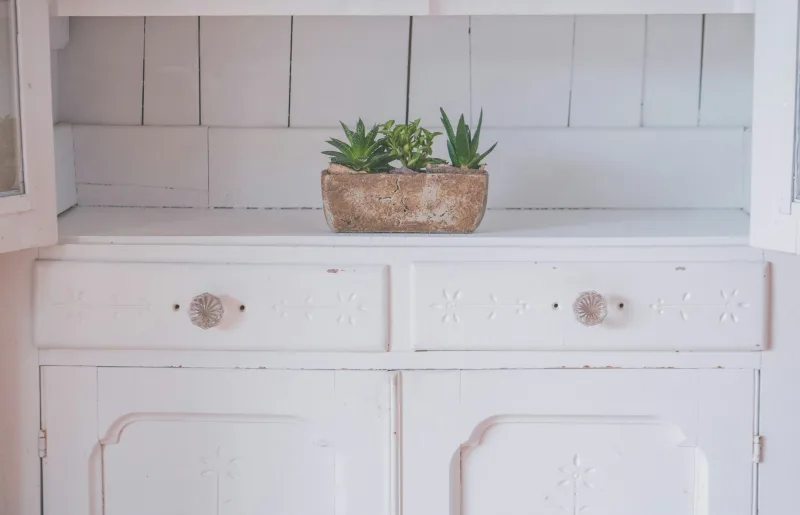
Here's something that blows my mind — people spend $10,000 on cabinet refacing but keep the original hardware from 1997. The hardware is basically jewelry for your kitchen. Swap those cheap handles for something with real substance. Look for brass, matte black, or brushed nickel finishes from brands like Schoolhouse Electric or even better options at The Home Depot. It's a 30-minute project that makes your kitchen feel custom.
Step 3: Install a Statement Backsplash
A backsplash isn't just functional — it's the backdrop of your kitchen, literally. Subway tile looks clean and modern, but if you really want designer vibes, consider a subtle geometric pattern, marble with a herringbone layout, or even a Moroccan-inspired design. The installation itself is tedious (grouting is not fun, trust me), but it's absolutely doable if you're patient. Watch some YouTube tutorials from HGTV before you start, because this is one area where prep work really matters.
Step 4: Upgrade Your Countertops (If Possible)
Now, this is the big-ticket item. If your counters are genuinely falling apart, this is where you invest. Quartz is durable, low-maintenance, and honestly looks expensive — because it is, but it's worth it. You can also do engineered stone or even go with a solid surface. Get samples and see how they look in your actual lighting before committing. This is the one area where cutting corners shows immediately.
Step 5: Add Under-Cabinet Lighting
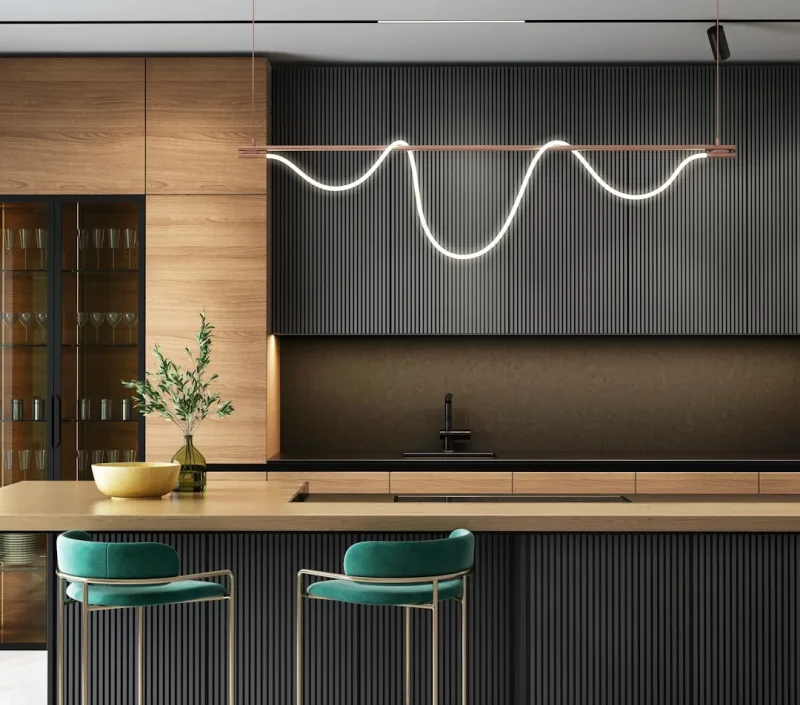
Lighting is everything, and I mean everything. Under-cabinet LED strips make your kitchen look warm, inviting, and intentional. They're surprisingly affordable and easy to install — just peel, stick, and plug in. This subtle touch adds so much visual depth and makes your countertops look like they're glowing. It's the kind of detail that screams "designer kitchen."
Step 6: Install a New Faucet
 Budget Apartment Renovation: DIY Hacks That Actually Work
Your sink faucet is something you touch every single day. Make it good. A mid-range designer faucet from Kohler, Moen, or even Budget Friendly options at The Home Depot can look incredibly upscale. Go for brushed nickel or matte black finishes — they photograph beautifully and feel substantial. Installation is usually straightforward if you're even remotely handy.
Step 7: Style It Like You Mean It
Honestly, this is where a lot of people mess up. They invest in the kitchen but then leave it looking sparse and cold. Add open shelving with styled items — beautiful cookbooks, a few plants, quality serving pieces. Keep your counters mostly clear but add a few curated items: a wooden cutting board, a nice bowl, maybe a small plant. This styling is what makes your kitchen feel designed rather than just updated.
Pro Tips
Invest in lighting from the start. Under-cabinet lights, pendant lights, or even a new fixture make more difference than you'd expect. Warm white bulbs (2700K) are your friend.
Paint is your secret weapon. Cabinet paint, wall paint, or even painting your island a different color creates visual interest without major expense. Benjamin Moore and Sherwin-Williams have incredible color consultants who can help.
Go minimal with decor. Designer kitchens usually aren't cluttered. Less is more. Everything visible should either be beautiful or functional — ideally both.
Don't skip the details. Cabinet hinges that close smoothly, hardware that feels substantial, these little things separate a "nice kitchen" from a "designer kitchen."
Mix materials strategically. Combine finishes — wood, metal, marble, concrete. This creates depth and sophistication. Look at Better Homes & Gardens & Gardens kitchen features for inspiration on mixing textures.
Cost Breakdown
← Scroll to see full table →
| Item | Cost Range | Priority Level |
|---|---|---|
| Cabinet Paint & Primer | $80-$150 | High |
| Professional Painting (Optional) | $1,000-$2,000 | Medium |
| Hardware (Pulls & Knobs) | $150-$400 | High |
| Backsplash Tile & Installation | $300-$1,500 | High |
| Countertops | $2,000-$5,000 | High |
| Under-Cabinet Lighting | $150-$300 | Medium |
| New Faucet | $300-$800 | Medium |
| Styling & Accessories | $200-$400 | Low |
| Total Budget (Mid-Range) | $5,180-$11,550 | — |
FAQ
Can I achieve a designer kitchen on a $3,000 budget?
Absolutely, but you'll need to be selective. Paint your cabinets, upgrade the hardware, and style it beautifully. Skip the countertop replacement for now and focus on backsplash and lighting. These three things alone can make a massive difference. Sometimes the smallest investments create the biggest impact.
What if I rent and can't make permanent changes?
Renters, this is actually your superpower. Focus on removable changes: peel-and-stick backsplash, stick-on under-cabinet lighting, updating hardware if your lease allows it, and killer styling. A rented kitchen can absolutely look designer with the right approach.
How long does a kitchen transformation actually take?
If you're doing it yourself? Plan on 3-6 weekends depending