How to Create Your Own Cozy Reading Nook — A DIY Guide That Actually Works
You know that feeling when you've had a long day and all you really want is to curl up with a good book and literally disappear from the world? Yeah, that's the dream we're chasing here. A reading nook isn't just a spot where you toss a chair — it's your personal sanctuary, your escape hatch from the chaos of everyday life.
Here's the thing about reading nooks: they don't require a massive renovation budget or even much space. I've created beautiful reading corners in everything from corner closets to awkward under-stair spaces. What matters most is intention. You're basically creating a little world that says "this is MY quiet time" — and honestly, that's priceless in 2024.
The best part? You can totally DIY this. Whether you're working with a spare bedroom, a bay window, or just that weird corner next to your bookshelf, I'm going to walk you through exactly how to make it happen. We're talking cozy textures, the right lighting, and that effortless vibe that makes you never want to leave.
What You'll Need
Let's talk materials. One of the reasons I love this project is that you probably have half this stuff already. But if you need to grab a few things, here's your shopping list with realistic prices:
- Comfortable Chair or Floor Cushions — $80–$400 (A quality armchair from The The Home Depot runs about $200–$350. Oversized floor cushions? $60–$150.)
- Throw Blanket — $25–$60 (Soft, chunky knits are non-negotiable.)
- Floor Pillow or Accent Pillows — $20–$50 each
- Small Side Table — $40–$150 (Perfect for your tea mug and current read.)
- Warm Lighting — $30–$100 (Clip-on lamp, arc lamp, or string lights work beautifully.)
- Floating Shelves or Bookcase — $50–$200 (HGTV has some fantastic compact options.)
- Area Rug — $40–$150 (Grounds the space and adds texture.)
- Paint (optional) — $20–$40 per gallon (Accent wall? Yes, please.)
- Window Treatments — $30–$100 (Sheer curtains let light in while adding softness.)
- Decorative Accessories — $50–$100 (Plants, candles, a small shelf for coffee.)
Step-by-Step Guide
Step 1: Choose Your Location
This is huge, and I can't stress it enough. Think about natural light — do you want to read by windows or create something more enclosed and cave-like? Corner nooks work great if you have them. Window seats are the gold standard. Even a closet can work if you're creative.
Walk around your home and actually sit in different spots. Where do you naturally gravitate? That's usually your answer right there. Don't fight the layout of your space; work with it.
Step 2: Start with Seating
Your chair is the foundation of everything else. I recommend testing before buying if possible — yes, I know we're living in the age of online shopping, but read those reviews carefully. You want something with good back support (trust me, you'll be reading for hours), wide arms for draping blankets, and that makes you feel like a cozy cloud.
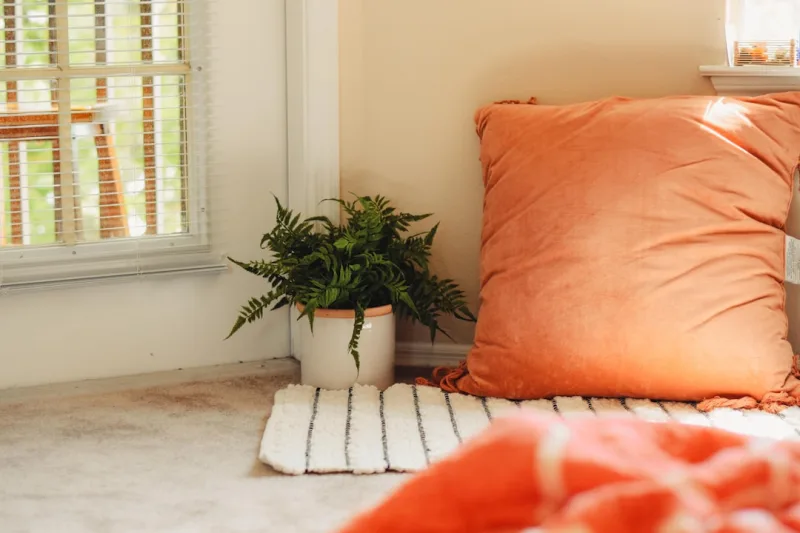
Can't swing a full armchair? Floor cushions are genuinely just as good. Stack them, add a backrest pillow, and you've got comfort without commitment. Better Homes & Gardens & Gardens has some solid cushion options that won't break the bank.
Step 3: Get Your Lighting Right
This is non-negotiable. Harsh overhead lighting will kill your vibe instantly. Aim for warm, layered lighting — a soft table lamp for direct reading light, plus some ambient mood lighting. String lights, salt lamps, or even a candle create magic. The Home Depot has wonderful warm-toned LED options that feel cozy without that sterile brightness.
Pro move: Put your lights on dimmer switches if you can. Your 2 p.m. reading session has different needs than your 9 p.m. wind-down.
Step 4: Add Textiles and Texture
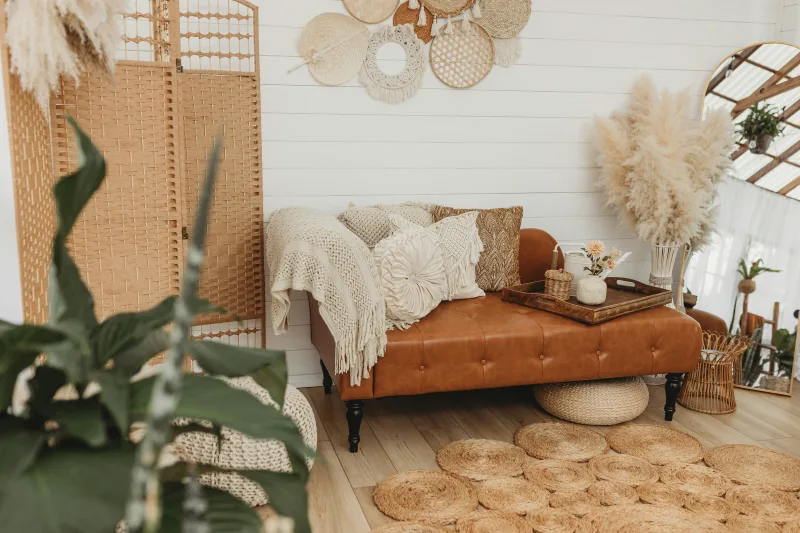
This is where your nook goes from "eh, a spot to read" to "I never want to leave this spot." Layer that throw blanket across your chair. Add pillows — different textures matter. Velvet, linen, chunky knit. A soft area rug anchors the space and makes it feel intentional.
The textures tell your brain: this is a comfort zone. This is safe. This is where you belong right now.
Step 5: Paint or Wallpaper (Optional but Impactful)
 94 DIY Home Decor Projects: Ideas for Every Budget
Honestly? A soft, warm paint color can completely transform a reading nook. Warm whites, soft greens, muted terracottas — they all work. You don't need to paint the whole wall; an accent wall behind your seating area is plenty.
If you're renting or hate commitment, wallpaper is making a comeback. Removable peel-and-stick options exist now, and they genuinely look beautiful.
Step 6: Build in Storage
A small bookcase is essential. Wall-mounted shelves save floor space and look intentional. Make sure you have somewhere to store your current reads, favorite classics, and that growing stack of books you swear you'll get to "eventually."
Add a small side table for your mug, phone (on do-not-disturb, naturally), bookmarks, and whatever else you need within arm's reach.
Step 7: Dress It Up with Finishing Touches
Plants add life and improve air quality — win-win. A few candles (unscented if you want, or subtle scents). Maybe a framed quote about reading. A soft throw over the back of your chair. These small touches make it feel curated and personal.
Pro Tips
Temperature matters more than you'd think. If your nook is near a cold window or in a drafty corner, it won't feel cozy no matter what. Add thermal curtains or position your seating away from problem spots.
Think about your lighting color temperature. Warm white (2700K) feels cozy. Cool white (5000K) feels clinical. Grab warm bulbs — your reading nook will thank you.
Create a "no phone" zone. Seriously. Part of the magic is disconnecting. Design your nook specifically to exist outside the digital world. Phone stays across the room. This isn't a throne room for scrolling; it's sacred reading space.
Invest in comfort over aesthetics. A beautiful nook you can't sit in for more than five minutes defeats the purpose. That lumpy vintage chair might look amazing, but your back will hate you. Go for function first.
Use vertical space aggressively. Wall-mounted shelves, floating bookcases, and wall hooks for your throws maximize even tiny spaces. My smallest reading nook is literally 4x5 feet, but it feels expansive because everything uses walls.
Cost Breakdown
← Scroll to see full table →
| Item | Budget Option | Mid-Range Option | Premium Option |
|---|---|---|---|
| Seating | $80 (floor cushions) | $200 (basic armchair) | $400+ (quality chair) |
| Lighting | $20 (basic lamp) | $60 (quality lamp + accent lighting) | $150 (designer lighting setup) |
| Textiles (blanket, pillows) | $40 | $100 | $250+ |
| Shelving/Storage | $50 (basic shelf) | $120 (built-in shelves) | $300+ |
| Rug | $40 | $100 | $250+ |
| Paint/Wallpaper | $20 | $35 | $75+ |
| Accessories (plants, candles, etc.) | $30 | $75 | $150+ |
| Total Estimated Cost | $280 | $690 | $1,575+ |
Frequently Asked Questions
Q: Can I create a reading nook in a small apartment?
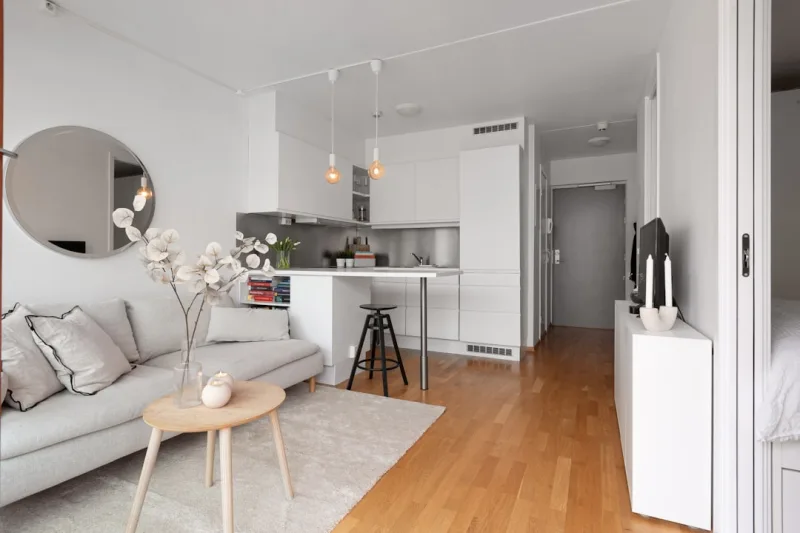
Absolutely. I've created beautiful reading corners in tiny spaces. The key is vertical storage and multifunctional furniture. An ottoman that stores books, a wall-mounted shelf system, and you're golden. Even a corner next to a
📷 Photo by Sarah Brown on Unsplash