Transform Your Garage Into a Cozy, Aesthetic Space: A Complete DIY Guide
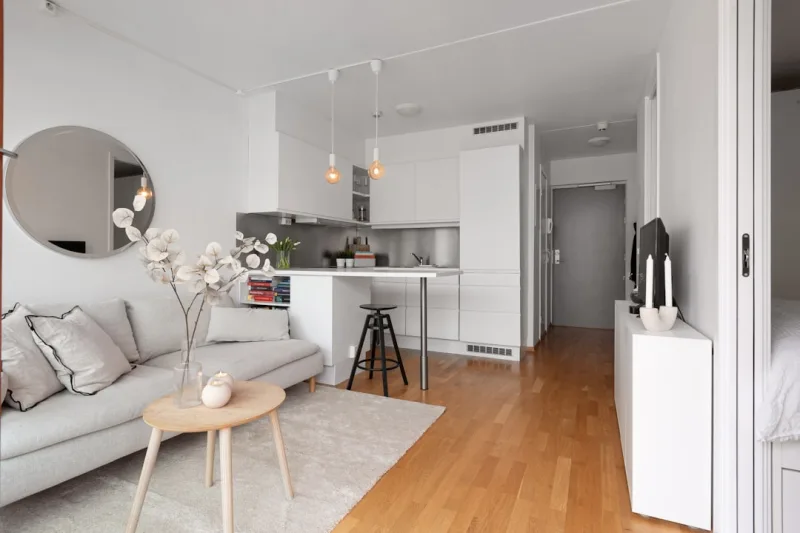
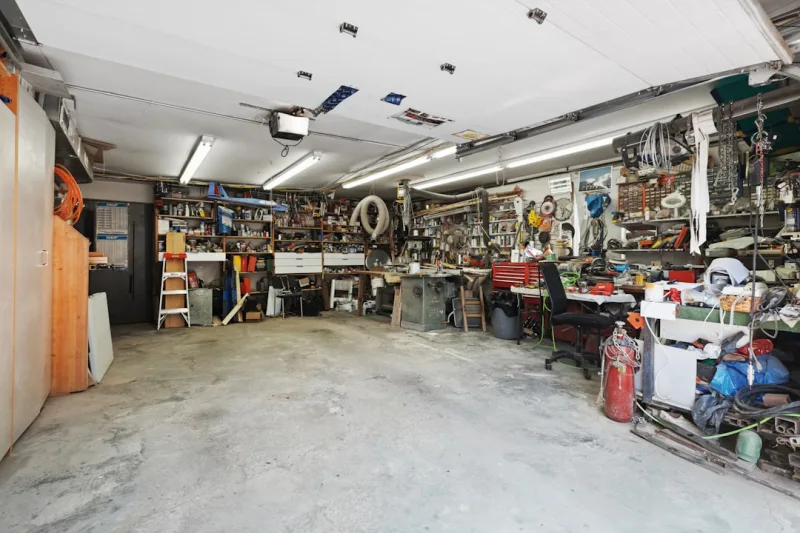
Look, I'll be honest — when most people think about garage makeovers, they picture concrete floors and tool racks. But here's the thing: your garage doesn't have to be a utilitarian afterthought. It can actually become one of the coziest, most beautiful spaces in your home. I'm talking soft lighting, warm color palettes, and a vibe that makes you want to actually spend time out there.
Whether you're planning to use it as a creative studio, a home gym, or just a more inviting entryway, an aesthetic garage makeover is totally doable on a budget. And honestly? It's one of those projects that transforms how you feel about your entire home. Once you walk into a beautiful garage instead of a dark, dingy space, you'll wonder why you didn't do it sooner.
I've put together this comprehensive guide based on what actually works — the projects that deliver real results without requiring contractor help or a second mortgage. Let's dive in.
What You'll Need
Before you start swinging a paintbrush around, grab these materials. Most of them are readily available at The The Home Depot or Better Homes & Gardens & Gardens suppliers:
- Interior Paint (2-3 gallons) — $40-$80 total. Go neutral or soft: warm whites, soft grays, or pale warm taupes work beautifully.
- Primer — $15-$25. Trust me, don't skip this on concrete.
- LED Strip Lighting — $30-$60. Warm white (2700K) creates that cozy vibe.
- Hanging Pendant Lights (2-3) — $50-$150. These are absolute game-changers.
- Concrete Sealer — $25-$40. Protects your floor and gives it a polished look.
- Adhesive Floor Tiles or Epoxy Flooring Kit — $100-$200. Optional but transforms the space instantly.
- Wall Shelving Units — $50-$150. Keep things organized and aesthetic.
- Paint Roller & Brushes Set — $20-$35.
- Concrete Degreaser & Cleaner — $10-$15.
- Drop Cloths & Painter's Tape — $15-$25.
- Throw Rugs or Runner Mats — $30-$100. Adds warmth underfoot.
- Decorative Storage Baskets — $40-$80. Function meets aesthetics.
Total Estimated Budget: $400-$900 depending on how far you want to go.
Step-by-Step Guide
Step 1: Deep Clean Everything
I know, I know — it sounds boring. But seriously, you can't build something beautiful on a dirty foundation. Sweep out all the debris, then use a concrete degreaser to tackle any oil stains. Let it sit for 15-20 minutes and scrub with a stiff brush. This is non-negotiable if you want your paint and sealer to actually stick.
Step 2: Repair Cracks and Patch Imperfections
Walk around with a critical eye and identify any cracks or damaged spots. Use concrete filler for small cracks — it's cheap and makes a huge difference. Sand everything smooth once it's dry. You're creating a blank canvas here, and details matter.
Step 3: Prime Your Concrete Floors
This is where people cut corners, and it's a mistake. Apply a concrete primer designed for garage floors. Use a roller for even coverage. One coat is usually fine, but read your specific product instructions. This step prevents paint from peeling and gives you better adhesion overall.
Step 4: Paint Your Walls
Honestly, light, neutral colors work best for cozy garages. Think soft whites with warm undertones, light greiges, or even a soft sage if you're feeling a bit more adventurous. Paint your walls first — two coats if you're covering something dark. A professional finish doesn't require a professional; it just requires patience and a quality roller.
Step 5: Paint or Seal Your Floors
This is the showstopper step. You have two main options: paint your concrete with garage floor paint (more budget-friendly), or go with epoxy flooring for a more polished, durable finish. Either way, follow the manufacturer's instructions carefully. If you're just sealing, apply your concrete sealer according to directions — usually two coats with drying time between applications.
Step 6: Install Lighting
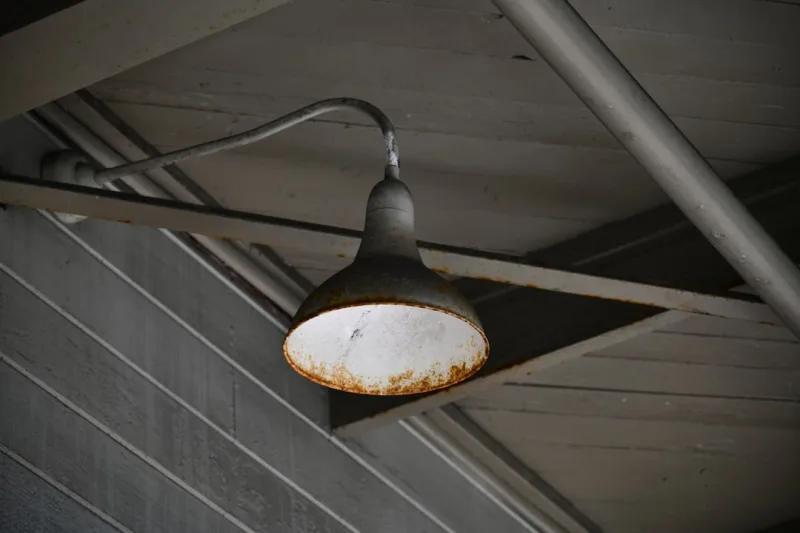
Bad lighting ruins even a beautiful space. Start with LED strip lighting along the perimeter or under shelves for ambient warmth. Then add 2-3 pendant lights hanging from the ceiling for functional task lighting. Warm white bulbs (2700K) create that cozy aesthetic you're going for. Make sure you're comfortable with electrical work or hire someone for this step — it's worth it.
Step 7: Add Flooring Elements
If you're not doing full epoxy, lay down some quality rubber mats or adhesive floor tiles in neutral tones. Add a soft runner rug or a couple of throw rugs to define different zones and add warmth. This breaks up the concrete and instantly makes the space feel cozier.
Step 8: Install Storage and Organization
 Budget Apartment Renovation: DIY Hacks That Actually Work
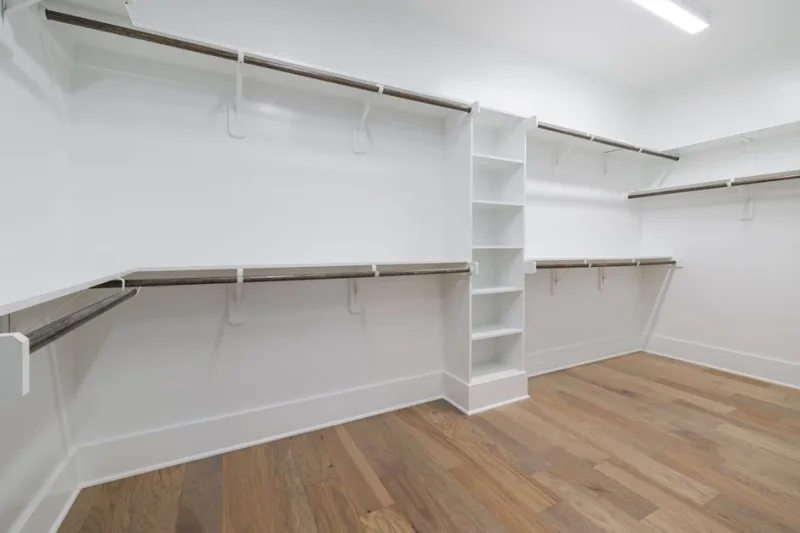
Floating shelves, wall-mounted cabinets, and storage racks aren't just functional — they're part of your aesthetic. Keep things organized and it automatically looks better. Use matching baskets or bins to corral small items. HGTV has some great inspiration if you're stuck on layout ideas.
Step 9: Add Decorative Touches
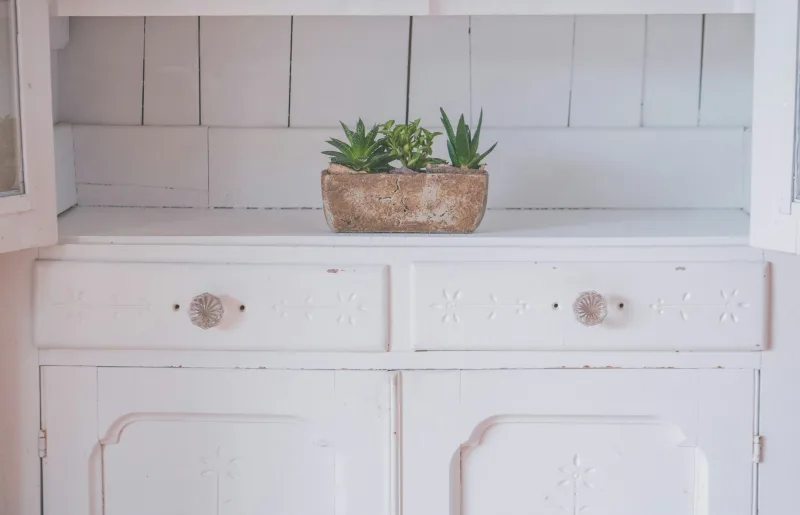
This is where personality comes in. Add some plants (they actually improve air quality), hang some simple artwork, bring in a small seating area if it's a creative space, or add a simple side table. Keep it minimal and cohesive — you're going for cozy, not cluttered.
Pro Tips
Color tip: Paint a test section of your wall and look at it in different lighting throughout the day. Garage lighting is tricky, and what looks good at noon might feel different at dusk.
Budget hack: Skip expensive garage door replacements and instead focus on interior transformation. You get 95% of the visual impact for a fraction of the cost.
Lighting strategy: Layer your lighting. Use ambient strips, add task lighting with pendants, and consider a floor lamp for flexible brightness. This creates depth and coziness.
Flooring reality check: If you have a car parked in there, epoxy is worth the extra investment. It handles moisture and temperature swings better than paint alone.
Ventilation matters: Before closing everything up, make sure you have adequate ventilation. A couple of small shelves propped open or a simple exhaust fan prevents moisture buildup that ruins all your hard work.
Season your timeline: Paint and seal during mild, dry weather. Humidity is your enemy with concrete work.
Cost Breakdown
← Scroll to see full table →
| Item | Low Estimate | High Estimate |
|---|---|---|
| Paint & Primer | $50 | $100 |
| LED Lighting | $30 | $80 |
| Pendant Fixtures | $50 | $150 |
| Flooring (Sealer/Paint/Tiles) | $60 | $250 |
| Wall Shelving | $50 | $150 |
| Rugs & Mats | $30 | $100 |
| Storage Baskets & Organizers | $40 | $80 |
| Tools & Supplies (roller, tape, etc.) | $35 | $60 |
| TOTAL | $395 | $970 |
FAQ
Q: Can I do this if I'm not handy?
Absolutely. Painting is genuinely one of the easiest DIY projects — there's honestly no skill required, just patience and a decent roller. The hardest part is prep work, which is just cleaning and taping. If electrical work intimidates you, hire someone for just that portion. You'll still come in well under the cost of hiring out the whole job.
Q: How long does a project like this actually take?
If you're working weekends, plan on 3-4 weekends depending on your garage size and how many coats you're doing. The biggest time investment is drying time between coats — you can't rush it. Some people stretch it over a month to be safe; others knock it out in 2-3 weeks of solid work.
Q: Will this hold up if I use my garage as an actual garage (for cars)?
Yes