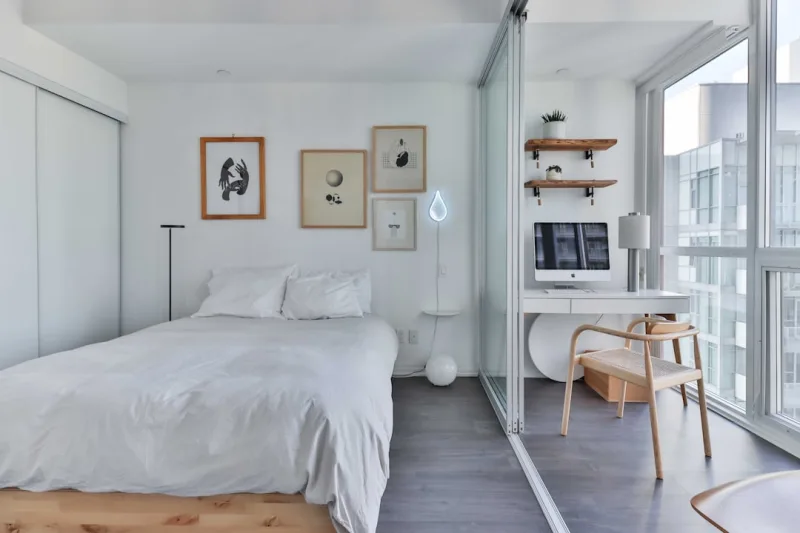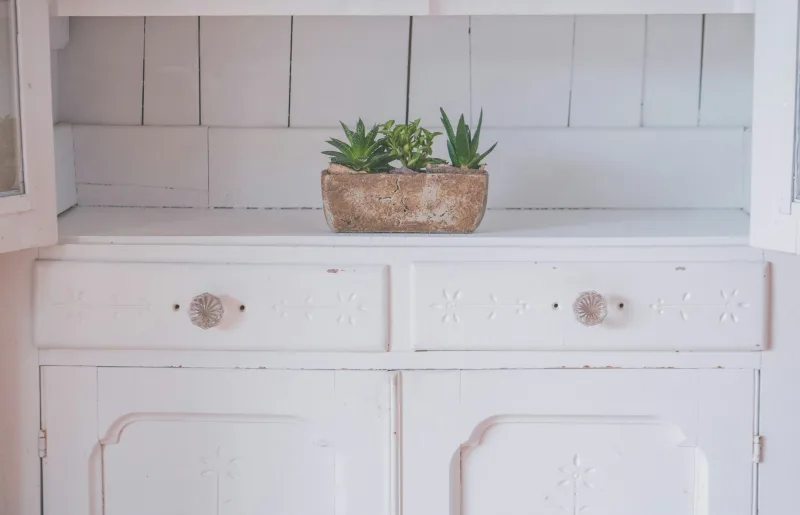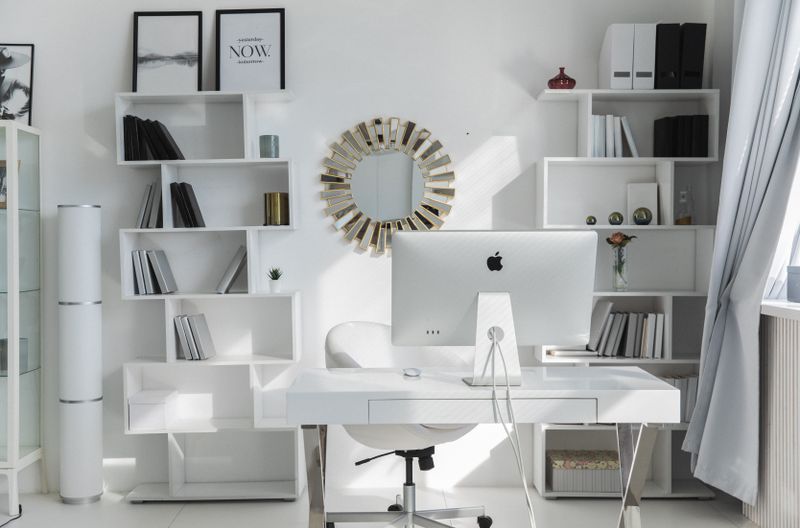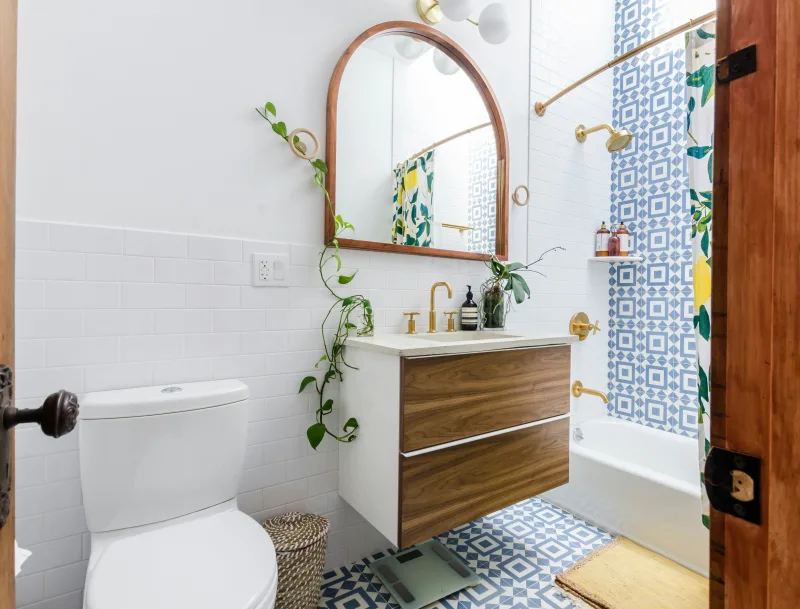
I've been obsessed with the clean aesthetic trend for the past two years, and honestly? It's been a total game-changer for my home. There's something almost therapeutic about walking into a room that's clutter-free, thoughtfully designed, and genuinely beautiful—without feeling sterile or cold. The clean aesthetic isn't about emptiness. It's about intention. Every piece has a purpose, every color plays a role, and the result is a space that actually feels like it can breathe.
Here's the thing about this design style—it works for every budget and every living situation. Whether you're renting a tiny apartment or renovating a full house, you can absolutely nail the clean aesthetic vibe. I'm going to walk you through everything I've learned, from the nitty-gritty basics to those insider tricks that genuinely elevate your space. Let's get started.
What You'll Need
Before we dive into the actual transformation, let's talk materials. You don't need to drop serious cash here—smart shopping is key.
- Neutral Paint (whites, warm grays, soft beige) — $25-45 per gallon
- Floating Shelves or Minimalist Wall Units — $30-150 each
- Storage Baskets (woven, natural materials) — $15-60 per basket
- Area Rugs (neutral tones, natural fibers) — $80-300
- Simple Throw Pillows (linen or cotton) — $20-50 each
- Lightweight Curtain Rods & Linen Curtains — $40-120 set
- Minimalist Wall Art or Gallery Frames — $10-80 per piece
- Natural Plants or Planters — $15-75
- Decluttering Supplies (bags, organizers) — $20-40
- Matte Finish Hardware (handles, knobs) — $5-15 per piece
I typically source most of these materials from The The Home Depot for paint and hardware, and then mix in pieces from furniture retailers. The beauty is you don't need everything at once—this is a gradual process.
Step-by-Step Guide
Step 1: Ruthlessly Declutter First
I can't stress this enough. Before you buy a single decorative item, you need to declutter. And I mean really declutter—not just shoving things into closets. Grab everything from one room, and honestly assess each piece. Does it serve a function? Do you actually love it? If the answer is no, it goes. This step alone probably took me three full days for my living room, but the mental shift was incredible. Your home instantly feels bigger and calmer.
Step 2: Paint Your Walls in Soft, Neutral Tones
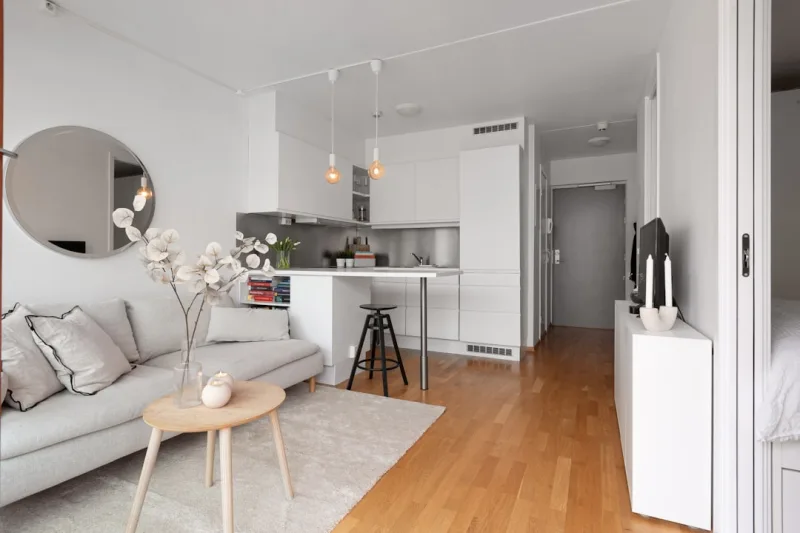
The foundation of clean aesthetics is color. Think soft whites, warm grays, or creamy beiges. I went with a warm white (Sherwin-Williams "Alabaster") throughout my main living areas, and it genuinely transforms how light moves through the space. Paint is usually the biggest visual change you can make, and it's totally doable as a weekend DIY project. Just invest in quality brushes and take your time—no rush.
Step 3: Invest in Smart Storage Solutions
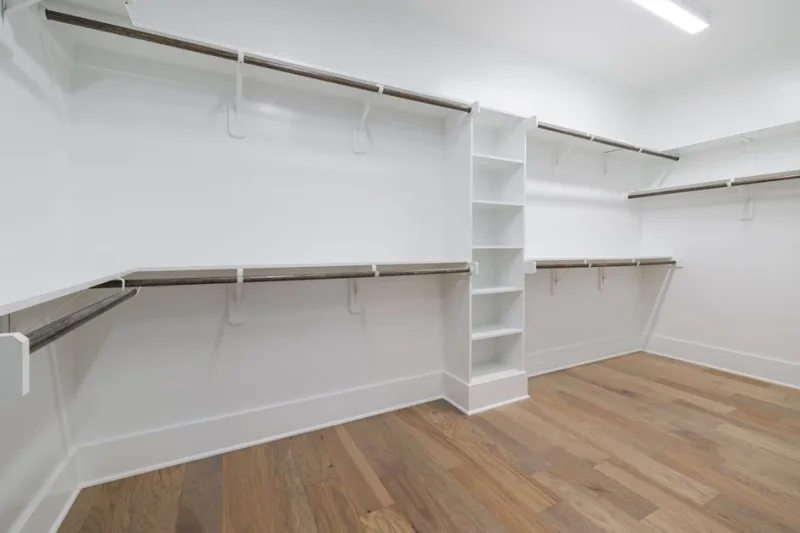
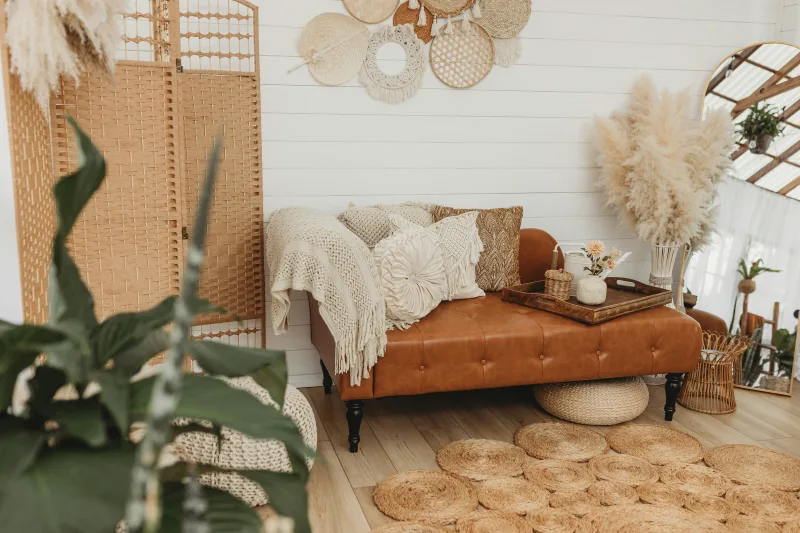
This is where the clean aesthetic actually works in real life. Floating shelves, built-in closet organizers, and storage baskets aren't just pretty—they're functional. I use woven baskets under my coffee table to corral blankets and magazines. Wall-mounted shelving keeps books organized and visible without creating visual chaos. The key is matching materials (natural wood, woven textures, matte finishes) so everything feels cohesive.
Step 4: Choose a Limited Color Palette
Pick three colors maximum—usually a neutral base, a slightly warmer accent, and one subtle color for interest. My palette is: warm white, soft gray, and a barely-there sage green. This constraint forces intentional decorating. Every new piece has to fit the scheme, which prevents impulse buying and keeps the space feeling unified.
Step 5: Layer in Textures Strategically
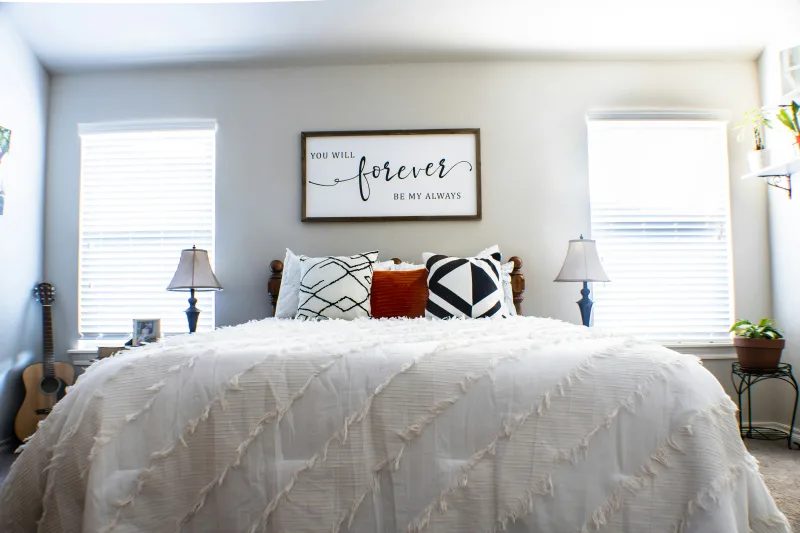
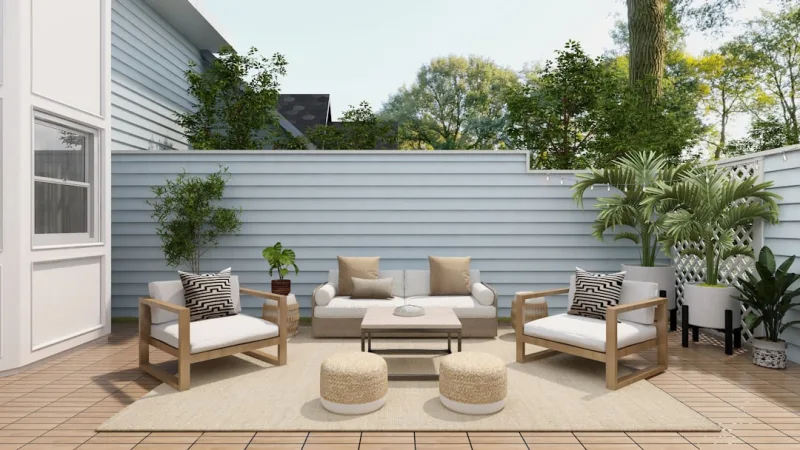
Honestly, this is what stops clean aesthetic from feeling boring. Use different textures to add depth—linen curtains, wool rugs, wooden furniture, ceramic accents, metal frames. These materials all work within the clean aesthetic framework while making your space feel warm and touchable. I have a linen throw draped over my sofa, a sisal rug underneath, and wooden side tables. It's minimal, but layered.
Step 6: Curate Your Decorative Objects
Every decorative piece should earn its place. Instead of crowding shelves, I place one sculptural object, a small plant, and a stack of beautiful books. Leave breathing room. Use odd numbers when grouping items (three plants on a shelf instead of four). This is basic design principle stuff, but it genuinely makes a difference in how your space feels.
Step 7: Install Simple Lighting
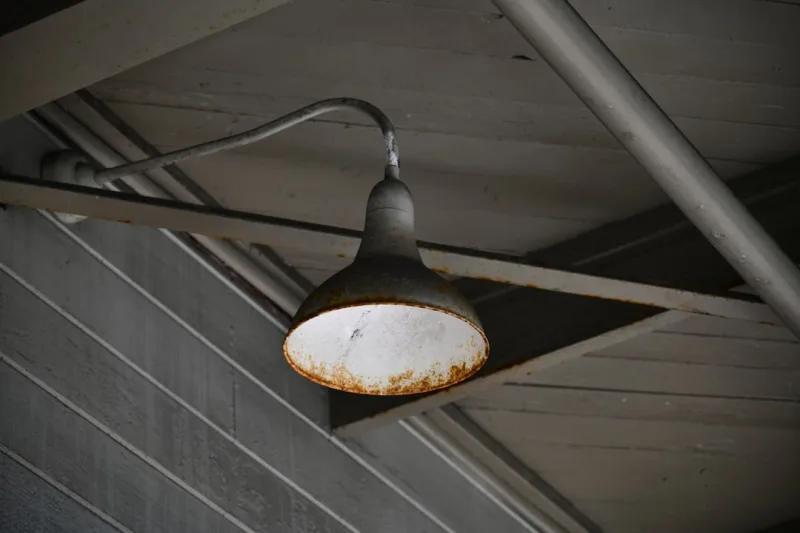
Lighting is huge—and often overlooked. Swap out ornate fixtures for clean, minimalist designs. I'm talking simple pendant lights, sleek floor lamps with linen shades, or understated table lamps. Avoid anything overly decorative. Soft, warm-toned bulbs keep the calm vibe intact.
Pro Tips
 94 DIY Home Decor Projects: Ideas for Every Budget
Tip 1: The "One In, One Out" Rule — Once you've decluttered, maintain the clean aesthetic by removing something every time you bring something new into your home. This prevents the creep of clutter that sneaks up on everyone.
Tip 2: Embrace Empty Space — I used to think empty wall space was "unused" space. Nope. Empty space is actually part of the design. It's what makes your intentional pieces stand out. Don't feel pressured to fill every gap.
Tip 3: Invest in Good Basics — A quality neutral sofa or bed frame will anchor your entire aesthetic. These are the pieces worth splurging on. Better Homes & Gardens & Gardens has surprisingly solid options if you're watching your budget.
Tip 4: Use Vertical Storage — Walls are prime real estate in a clean aesthetic home. Floating shelves, wall-mounted organizers, and vertical garden planters maximize space without creating floor clutter.
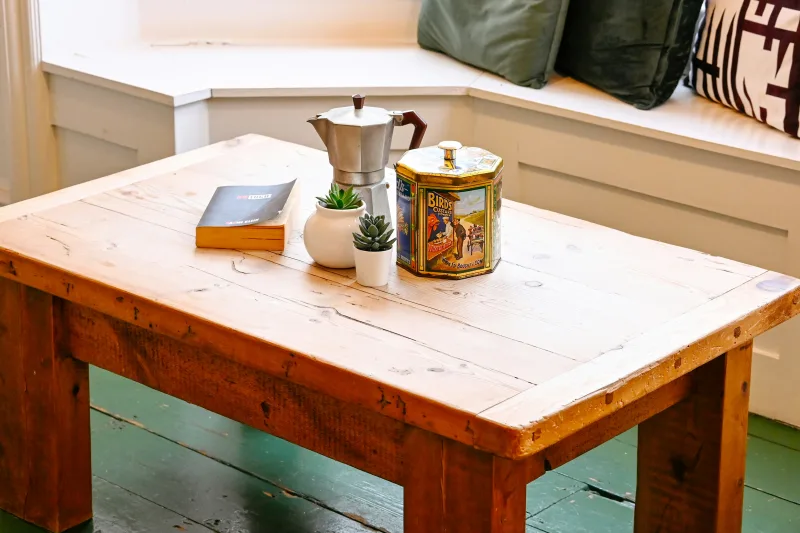
Tip 5: Keep Surfaces Clear — Kitchen counters, nightstands, coffee tables—they should be mostly empty. When you actually need something, you'll have a designated spot for it. This habit alone transforms a space.
Tip 6: Shop Your Home First — Before buying new decor, look at what you already own. Sometimes rearranging existing pieces creates that fresh feeling without spending money. I found a beautiful wooden bowl I'd forgotten about and suddenly my coffee table felt intentional.
Cost Breakdown
← Scroll to see full table →
| Item Category | Low Budget | Mid Budget | Higher Budget |
|---|---|---|---|
| Paint & Wall Prep | $30 | $60 | $100+ |
| Floating Shelves | $40 | $150 | $300+ |
| Storage Baskets (3) | $45 | $120 | $200+ |
| Area Rug | $80 | $200 | $400+ |
| Throw Pillows (2) | $30 | $80 | $150+ |
| Curtains & Rods | $50 | $120 | $250+ |
| Wall Art | $30 | $100 | $300+ |
| Plants & Planters | $40 | $100 | $200+ |
| TOTAL | $345 | $930 | $1,900+ |
The realistic breakdown? You can absolutely start with the low budget and add pieces over time. This isn't a "buy everything at once" situation.
FAQ
Q: Isn't the clean aesthetic cold and uninviting?
A: Not at all—and this is the biggest misconception. A truly executed clean aesthetic actually feels warm and welcoming because everything is intentional. The key is texture, natural materials, and proper lighting. I've had more people comment on how calm and inviting my home feels since switching to this style. It's minimal, not minimal-effort.
Q: Can I do this in a rental apartment?
A: Absolutely. Skip the painting (unless your landlord allows it) and focus on decluttering, furniture arrangement, and removable elements like rugs, curtains, and wall art. Floating shelves with damage-free mounting systems work great. I started this whole journey in a rental, actually
📷 Photo by Raphael (Ajani Kamali Akio) Merchant on Unsplash