Minimalist Kitchen Inspiration on a Budget: Transform Your Space Without Breaking the Bank
Okay, let's be real — when you think "minimalist kitchen," your brain probably conjures up those gorgeous Instagram photos with the pristine white countertops, the single wooden spoon in a ceramic holder, and absolutely nothing else. You know the ones. And yeah, they're stunning, but they also make you feel like you need to drop five figures to achieve that aesthetic. Here's the thing though: you absolutely don't.
I've been obsessed with minimalist design for years now, and what I've discovered is that the beauty of this style isn't about having the fanciest stuff — it's about being intentional with what you keep. It's about creating breathing room, cutting the clutter, and honestly? It makes your kitchen feel bigger, cleaner, and way more functional. The best part? You can pull off the whole vibe without maxing out your credit card.
Whether you're working with $200 or $1,000, I'm going to walk you through exactly how to create that calm, collected minimalist kitchen that actually makes you excited to cook. No minimalism gatekeeping here — just practical advice from someone who's actually done this.
What You'll Need
Before we dive into the actual transformation, let's talk materials and tools. The good news is that minimalist design requires less stuff, which means you're naturally saving money. Here's what you'll actually need to get started:
- Basic painting supplies (if repainting cabinets): Primer, paint, brushes, drop cloth — roughly $40-60
- Contact paper or peel-and-stick wallpaper (cabinet alternative): $15-30 per roll
- Hardware replacements (cabinet handles/knobs): $20-80 depending on quantity
- Open shelving brackets (if adding floating shelves): $30-50 per pair
- White or neutral paint for walls: $25-35 per gallon
- Decluttering bins (for organizing what stays): $10-20
- Minimalist storage containers (glass, ceramic): $30-60
- Basic lighting fixture (if upgrading): $40-150
- Cleaning supplies: $15-25
Step-by-Step Guide
Step 1: Start With the Big Purge
I cannot stress this enough — before you buy a single thing or paint anything, you've got to declutter. And I mean really declutter. Pull everything out of your cabinets and drawers. Everything. That bread maker you used once in 2019? The seventeen serving utensils? Those random jars you were "definitely going to use for something"? Yeah, those are going.
Minimalism is less about the aesthetic and more about intentionality. Ask yourself: Do I actually use this? Does it bring me joy? Be honest. Donate what you can, recycle what you can, and sell the good stuff on Facebook Marketplace. This step costs nothing and honestly? It's the most transformative part of the entire process.
Step 2: Choose Your Color Palette
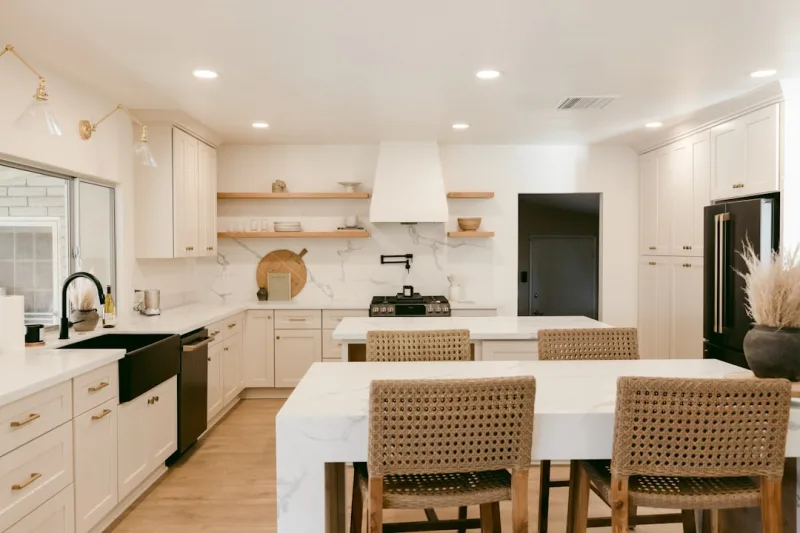
Here's where things get fun. Minimalist kitchens thrive on neutral color palettes. Think whites, creams, soft grays, natural wood tones, and black accents. You don't need to repaint everything, but one accent wall or cabinet transformation can completely shift the energy.
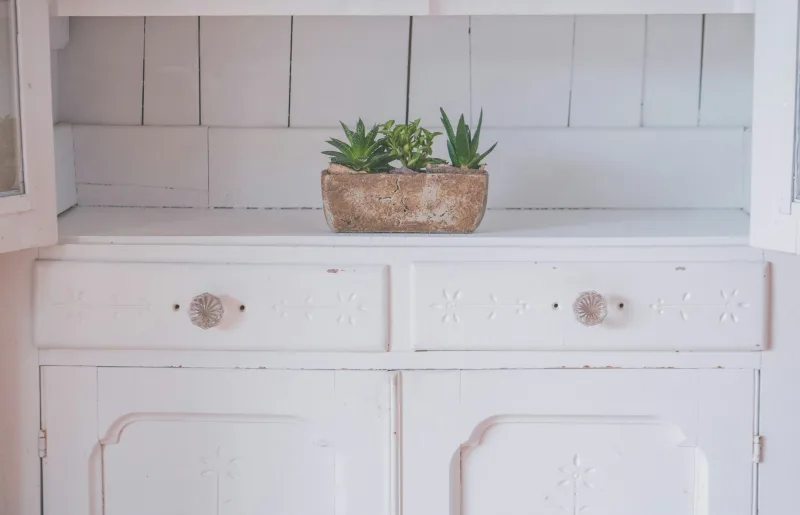
If you're working with existing cabinets, contact paper or peel-and-stick wallpaper from The The Home Depot is your best friend. It's $15-30, sticks right to your cabinets, and you can change it later if you want. Or — and this is the budget-friendly route — just leave them as is if they're already a neutral tone. Honestly, fresh hardware can work absolute wonders. Swap out ornate knobs for simple bar pulls, and suddenly your cabinets feel modern.
Step 3: Tackle One Cabinet at a Time
Here's my strategy: pick your most visible cabinet (usually upper cabinets near the stove or sink) and curate what lives there. In a minimalist kitchen, you want to see mostly open space. A few beautiful dishes, a couple of glasses, maybe some cookbooks you actually reference. That's it.
Use matching storage containers inside lower cabinets. These don't have to be expensive — clear glass containers from Target or IKEA run about $3-5 each, and they instantly make things look organized and intentional. Label them if you're feeling extra.
Step 4: Create Visual Breathing Room on Countertops
This is the golden rule of minimalist kitchens: less is literally more. Your countertops should feel calm, not cluttered. Keep out only what you use daily — your coffee maker, a cutting board, maybe a utensil holder. Everything else goes in a cabinet or drawer.
If your counters are looking rough, a deep clean (seriously, just dish soap and hot water work wonders) costs nothing. If you want to go further, consider a fresh layer of caulk or even contact paper on the backsplash — around $15-25.
Step 5: Update Hardware and Fixtures (Optional but Impactful)
Swapping cabinet hardware is the easiest way to refresh your kitchen for under $100. Modern, simple handles in matte black or brushed nickel instantly read "minimalist." Hit up The Home Depot online or your local store — they've got tons of options in every price range.
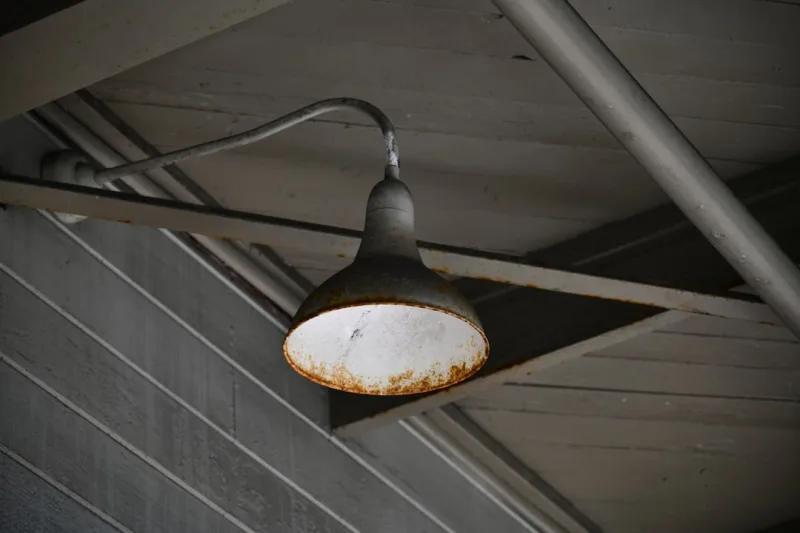
If your lighting fixture looks dated, even a simple pendant light or flush-mount from a hardware store ($40-80) can completely change the vibe. Better Homes & Gardens & Gardens has some solid budget-friendly options.
Step 6: Add Subtle Personality (The Fun Part)
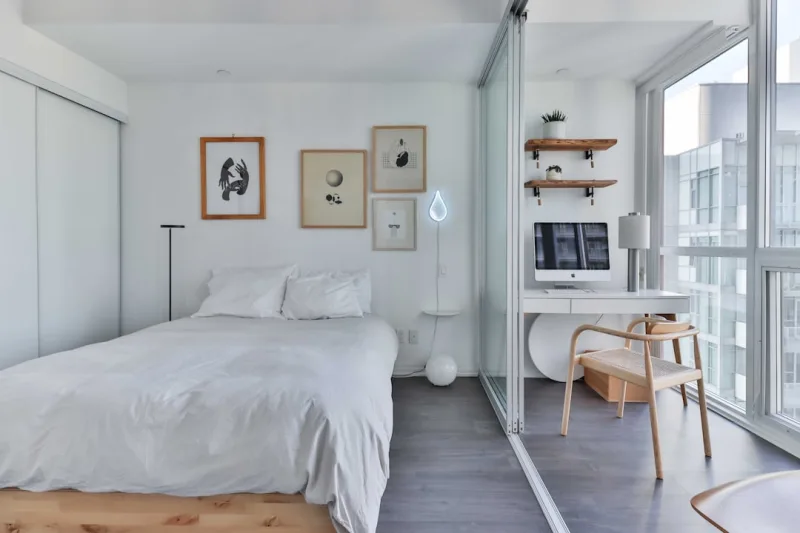
 Budget Apartment Renovation: DIY Hacks That Actually Work
Minimalism doesn't mean boring. Add a few carefully chosen elements: maybe a potted plant (real or high-quality faux), a small piece of art, or a wooden cutting board that doubles as decor. The key is restraint. Pick three things maximum and place them intentionally.
Pro Tips
Embrace vertical storage: Floating shelves make kitchens feel less cramped and more curated. They're relatively inexpensive and add that modern minimalist vibe HGTV loves. Just don't overcrowd them.
Invest in good lighting: Seriously. A well-lit kitchen feels bigger and cleaner. If you can't afford new fixtures, even just adding good under-cabinet lighting strips ($20-40) changes everything.
Keep a "staging" mindset: Think of your kitchen like you're preparing it for a photo shoot every day. Would it look good on Instagram? That's your baseline. You don't have to go crazy, but it keeps you intentional.
Source secondhand when possible: Minimalist styles look great with vintage or secondhand items — it adds character without the price tag. Check Facebook Marketplace, Goodwill, and estate sales for things like vintage canisters or wooden shelving.
Use negative space as a design element: Empty space is your friend. It's not laziness; it's intentional design. Embrace it.
Cost Breakdown
← Scroll to see full table →
| Item | Low Budget | Mid Budget | Higher Budget |
|---|---|---|---|
| Cabinet Hardware | $20 | $50 | $100 |
| Paint or Contact Paper | $15 | $40 | $80 |
| Storage Containers | $20 | $50 | $100 |
| Lighting Upgrade | $0 | $60 | $150 |
| Floating Shelves | $0 | $50 | $150 |
| Decor Elements | $10 | $30 | $80 |
| Total | $65 | $280 | $660 |
FAQ
Can I achieve a minimalist kitchen without painting my cabinets?
Absolutely. Painting is optional. Focus instead on decluttering, updating hardware, and styling your open shelves. A good deep clean and some new knobs can work wonders without any paint involved. This keeps costs super low while still achieving that clean, curated look.
What if my kitchen is really small?
Small kitchens are actually perfect for minimalism. Stick to one or two neutral colors, use vertical storage, and keep countertops completely clear. The less visual clutter, the bigger your space feels. This is honestly where minimalist design shines the most.
How do I prevent my minimalist kitchen from feeling cold or boring?
Layer in warm neutrals — think creams, warm grays, and natural wood tones instead of pure white and black. Add one or two personal touches like a plant, a nice cookbook, or a piece of artwork. The goal isn't sterile; it's intentional and calm. There's a big difference.
Conclusion: Your Minimalist Kitchen Is Closer Than You Think
Creating a minimalist kitchen on a budget is totally doable, and honestly? It might be one of the most rewarding home projects you tackle. You're not just redesigning a space — you're changing how you interact with it every single day. No more hunting for things in cluttered cabinets. No more feeling stressed every time you walk in.
Start with the purge. That's free and it's transformative. Then tackle one or two upgrades that matter to you — maybe new hardware and some storage containers, or a fresh coat of paint. The beauty of this approach is that you can do it incrementally. There's no "all or nothing."
Ready to start? Pick one thing this week — just one. Maybe it's clearing out your junk drawer or pricing hardware at The Home Depot. Small actions create momentum, and before you know it, you'll have the calm, collected kitchen you've been dreaming about. And yeah, you'll absolutely stay within budget.
📷 Photo by Jakob Owens on Unsplash