Designer Garage Setup on a Budget: Transform Your Space Without Breaking the Bank
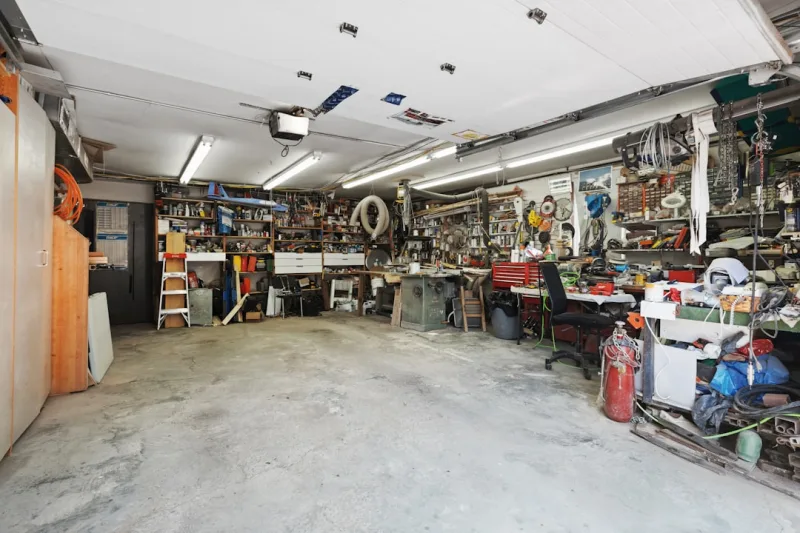
So you want a gorgeous garage that actually looks designed? Here's the thing — most people think you need to drop thousands to get that polished, Pinterest-worthy space. Honestly, that's just not true anymore. I've transformed my own garage from a cluttered mess into something I'm genuinely proud to park in, and I did it for way less than you'd think.
The secret isn't spending more — it's spending smarter. A designer garage doesn't mean you're hunting down luxury brands or hiring expensive contractors. It's about smart organization, the right lighting, quality finishes in strategic places, and a cohesive look that ties everything together. Think of it like getting dressed for an important event: you don't need every item to be designer; you just need them to work as a stylish ensemble.
In this guide, I'm walking you through everything you need to know to create a designer-quality garage setup without the designer price tag. We're talking real solutions, real numbers, and real results that you can actually achieve this weekend.
What You'll Need
Before you start, let's talk about what actually goes into a designer garage setup. The good news? Most of this stuff is stuff you can grab in one trip to The The Home Depot or order online, no special ordering required.
- Epoxy Garage Floor Coating — DIY-friendly, lasts years — $150-$300
- LED Shop Lights (4-pack) — brighten everything up instantly — $80-$120
- Wall Shelving System — 5-6 shelves, adjustable — $120-$180
- Wall Pegboard Panels — 2-3 panels with hooks — $40-$70
- Cabinet Base Units — simple, clean lines — $200-$350
- Paint (1-2 gallons) — neutral, quality finish — $50-$80
- Trim and Caulk — finishing touches — $30-$50
- Storage Bins and Organizers — clear, stackable — $60-$100
- Industrial Workbench — or DIY with sawhorses and reclaimed wood — $100-$250
- Rubber Mats or Flooring — adds warmth and protection — $80-$150
Total Budget: $910-$1,630 (most people spend closer to $1,200)
Step-by-Step Guide
Step 1: Clear Out and Plan Your Layout
This sounds obvious, but seriously — take everything out. Get it gone. I mean literally empty your garage and look at the raw space. This is your moment to think about flow. Where will you work? Where do you park? What do you actually need to store versus what you're keeping out of habit? Check out HGTV's garage organization guides for layout inspiration if you're stuck. Spend an afternoon mapping this out on paper — it saves you from expensive rearrangements later.
Step 2: Paint the Walls
Fresh paint is like a professional makeover. I recommend a soft gray, warm white, or even a sophisticated dark charcoal if you're feeling bold — these colors make everything else look intentional. Use quality interior/exterior paint (not cheap stuff that'll peel), and don't skip primer on those concrete walls. Grab everything from The Home Depot. Two coats, and you've transformed the whole vibe. Budget about $80 total with a roller and supplies.
Step 3: Address the Floor
This is where people either go fancy or skip it — but an epoxy floor coating is honestly the most impactful upgrade you can make. It's not difficult, just detailed. I used a DIY epoxy kit from The Home Depot ($250), prepped for an afternoon, and the results look legitimately professional. You could also go with rubber mats over the existing concrete if epoxy feels too involved. Either way, a finished floor completely elevates the space.
Step 4: Install Lighting
Honestly, lighting might be the most underrated element. Dim garages look dingy no matter how organized they are. LED shop lights are inexpensive and make everything 10x better. Mount them on the ceiling in a grid pattern using existing studs or anchors. Aim for coverage so there are no dark corners. Your garage will feel twice as large and twice as intentional.
Step 5: Add Wall Storage Systems
Don't just slap random shelves everywhere. Choose one cohesive system — either floating shelves, a pegboard wall, or a combination. I used a mix: pegboard for frequently-used tools, floating shelves for storage bins and display items. Keep it organized and the aesthetic pulls together. Better Homes & Gardens & Gardens has some great storage solutions worth checking out.
Step 6: Invest in Base Cabinets
Base cabinets give that finished, designed feel. You don't need custom cabinetry — simple, clean-lined cabinets from a home improvement store work perfectly. Use them as the foundation for your setup. It creates visual weight and looks intentional rather than temporary.
Step 7: Create a Work Zone
 Budget Apartment Renovation: DIY Hacks That Actually Work
Whether it's a workbench for hobbies or just a surface for sorting, a dedicated work area anchors the space. I built mine from two sawhorses and a reclaimed wood top for $120 total — you could also grab an industrial workbench if budget allows. This becomes your design focal point.
Step 8: Add Finishing Touches
Clear storage bins, hardware organizers, labeled sections — these details matter. They cost $60-$100 but make everything look curated and designed. The difference between "organized garage" and "designer garage" is mostly in these finishing details.
Pro Tips
Color Consistency Matters: Choose a color palette and stick to it. If your walls are soft gray, use white cabinets and black hardware. This creates cohesion that reads as "intentional design."
Vertical Storage is Your Friend: Garages are usually long and narrow, so go vertical. Wall-mounted pegboards, shelving, and hooks multiply your usable space without eating floor area.
Invest in Quality Where It Shows: Don't cheap out on paint, lighting, or cabinet finishes. Splurge on what's visible; save money on items that stay tucked away.
Zone Your Space: Create distinct areas — storage zone, work zone, parking zone. This organization is what separates amateur from designer-looking spaces.
Use Transparent Storage: Clear bins let you see what's inside without opening them. It's functional and adds visual interest.
Cable Management Counts: Run cords along the wall with clips or conduit. Visible cables ruin a polished aesthetic.
Add a Small Rug or Mat: A quality rubber mat in your work zone adds sophistication and comfort for standing projects.
Cost Breakdown
← Scroll to see full table →
| Item | Qty | Unit Price | Total📷 Photo by Point3D Commercial Imaging Ltd. on Unsplash |
|---|