DIY Headboard Ideas for a Cheap Bedroom Makeover
Here's the thing—transforming your bedroom doesn't require emptying your bank account, especially when it comes to the focal point of any sleeping space. That headboard? It's your statement piece. A thoughtfully designed headboard can completely change how your room feels, adding personality, style, and genuine dimension without the hefty price tag. Whether you're renting an apartment, furnishing a college dorm, or simply looking to refresh your master bedroom on a budget, DIY headboard projects offer an affordable solution that delivers genuinely impressive results.
The real beauty of creating your own headboard lies in that perfect combination of affordability and customization. Unlike store-bought options that can cost hundreds—sometimes even thousands—of dollars, most DIY headboard projects can be completed for under $100. Honestly, some come in at just $20 to $30. This guide will walk you through multiple budget-friendly headboard ideas, provide detailed step-by-step instructions, and offer insider tips that'll help you achieve a professional-looking result that rivals expensive designer pieces.
What You'll Need for DIY Headboard Projects
Before you start any headboard project, gathering the right materials and tools is essential—honestly, this is where success starts. Most items needed for budget headboard projects can be found at hardware stores like The The Home Depot, or you may already have them sitting in your garage.
Essential Tools
- Drill with drill bits and screwdriver attachments
- Circular saw or hand saw for cutting materials
- Measuring tape and level
- Pencil for marking measurements
- Hammer or mallet
- Stud finder to locate wall studs
- Sandpaper in various grits
- Paint rollers and brushes
- Upholstery stapler (optional, but helpful)
Common Materials for Budget Headboards
- Plywood sheets ($20-$40)
- Pallet wood (often free)
- Wallpaper or contact paper ($10-$25)
- Paint ($15-$30 per gallon)
- Fabric and batting ($20-$60)
- Wood trim and molding ($15-$50)
- Nails and screws (usually under $10)
- Wood stain ($10-$20)
- Adhesive and caulk ($5-$15)
Step-by-Step Guide to Creating Your DIY Headboard
Project 1: Painted Plywood Geometric Headboard
This classic, stylish approach uses simple plywood as your base with bold geometric designs painted on top. It's honestly one of the most budget-friendly options available—and it looks far more expensive than it actually is.
Steps:
- Prepare your workspace: Lay a drop cloth on the floor and ensure adequate ventilation for painting. You can tackle this project right in your bedroom or out in the garage—whatever works for your space.
- Cut the plywood: Purchase a sheet of plywood and have it cut to your desired headboard size at The Home Depot. Most people opt for heights between 3 and 5 feet, depending on bed size. Pro tip: they'll usually cut it for free or a small fee.
- Sand the surface: Use medium-grit sandpaper to smooth any rough edges and prepare the plywood for paint. This step—and trust me, don't skip it—ensures better paint adhesion and a more professional finish overall.
- Prime if needed: Apply a primer coat if painting over raw plywood to improve color coverage and durability. Especially important if you're using bold colors.
- Design your pattern: Use a pencil to lightly sketch your geometric pattern. You can draw simple shapes like triangles, hexagons, or chevron patterns. Alternatively—and this is my go-to method—use painter's tape to create clean lines for your design.
- Paint your design: Apply two coats of your chosen paint color, allowing adequate drying time between coats. Consider using colors that complement your bedding and overall bedroom décor. That cohesive look makes everything feel more intentional.
- Mount to the wall: Use a stud finder to locate wall studs, then secure the plywood headboard with heavy-duty brackets and screws into these studs for maximum stability. This is non-negotiable—never mount a headboard without hitting the studs.
Project 2: Pallet Wood Rustic Headboard
Pallet wood offers authentic rustic charm and—here's the best part—it's often available for free from local businesses. This project is perfect if you're going for that farmhouse or industrial bedroom vibe.
Steps:
- Source your pallets: Find free pallets from warehouses, factories, or online community boards. Just make sure they're clean and haven't been treated with harmful chemicals. Ask about their history before you take them.
- Disassemble the pallets: Carefully remove the wooden boards using a reciprocating saw or pry bar. Work slowly to minimize splintering and damage to the boards—you want usable pieces, not kindling.
- Sand and prepare: Sand all boards thoroughly to create a smooth, finished appearance. Remove any nails or splinters that could catch on fabric or your skin. This takes patience, but it's worth it.
- Arrange your pattern: Lay the boards on the floor to plan your headboard design. You can arrange them horizontally, vertically, or in a mixed pattern—this is where you get creative and design something uniquely yours.
- Attach boards together: Use wood glue and nails or screws to attach the boards to horizontal support pieces of wood, creating a cohesive unit. The glue plus fasteners gives you a solid structure.
- Finish your project: Leave the wood natural for an authentic look, or apply wood stain or paint. Better Homes & Gardens & Gardens often features natural wood finishes for rustic aesthetics—and honestly, the natural finish is pretty stunning.
- Mount securely: Attach the completed headboard to the wall using heavy-duty brackets and wall anchors in the studs. A rustic headboard is often heavier, so don't take shortcuts here.
Project 3: Upholstered Fabric Headboard
An upholstered headboard adds that touch of luxury and comfort while remaining surprisingly budget-friendly when you use basic materials. This option works beautifully in contemporary and traditional bedrooms—it's versatile that way.
Steps:
- Create a frame: Build a simple wooden frame using 2x4 lumber to the dimensions of your desired headboard. A queen-sized headboard typically measures 5 feet wide by 4 feet tall—a good starting point for proportion.
- Add batting: Attach 2 inches of cotton batting to the front of your frame using a staple gun. This creates the cushioned appearance and comfortable feel that makes an upholstered headboard so appealing.
- Choose your fabric: Select durable upholstery fabric that coordinates with your bedroom design. Look for sales at fabric stores—honestly, you can find quality fabric at discounted prices if you're patient and timing is right.
- Stretch and staple fabric: Pull the fabric taut over the batting and staple it securely to the back of the frame. Start at the center of each side and work outward to avoid wrinkles. This technique matters.
- Add decorative elements: Consider adding button tufting, nail head trim, or piping along the edges for a more sophisticated appearance. These details elevate the whole look without much extra cost.
- Install your headboard: Use L-brackets or French cleats to mount the upholstered headboard securely to the wall behind your bed. Both methods work—choose what feels right for your situation.
Project 4: Wallpaper or Contact Paper Headboard
This is your answer if budget is ultra-tight—the absolute cheapest headboard option available. Perfect for renters who cannot make permanent changes to their space. Seriously, this is transformative for minimal investment.
Steps:
- Measure your wall: Determine the area above your bed where you want the headboard pattern. Measure carefully to ensure proper coverage—you don't want to run out halfway through or have awkward gaps.
- Clean the wall: Wash the wall with mild soap and water to remove dust and ensure the wallpaper adheres properly. This prep work makes all the difference in how well it sticks.
- Apply the wallpaper: Following manufacturer instructions, apply removable wallpaper or contact paper to your wall. Smooth out air bubbles as you go—take your time here.
- Create definition: Optional: Frame your wallpapered area with wood trim or painter's tape to create defined edges that look like a traditional headboard. This really sells the illusion.
- Remove cleanly: When you're ready for a change, peel away the wallpaper without damaging your walls—perfect for renters who value their security deposits.
Pro Tips for Budget Headboard Success
Shop Sales and Discounts: Timing your material purchases around sales events can cut costs significantly. Check The Home Depot's weekly ads and take advantage of seasonal promotions on paint and wood products. I'm serious—the savings add up fast.
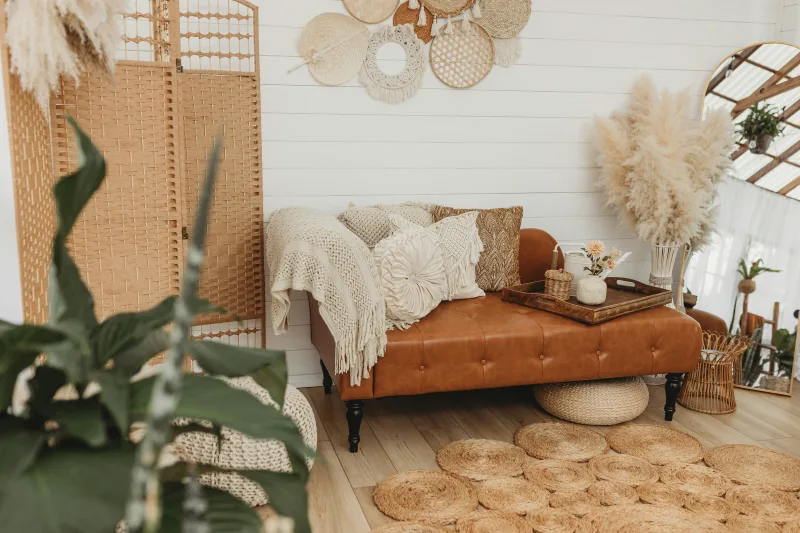 Budget Apartment Renovation: DIY Hacks That Actually Work
Repurpose Existing Materials: Look around your home for materials you can repurpose. An old door, reclaimed wood, or even decorative shutters can become a unique headboard with minimal investment. This approach gives your project character, too.
Use Paint Strategically: Paint is one of the most affordable ways to define a headboard space—transformative stuff. Consider painting just the wall behind your bed in an accent color rather than building a physical headboard structure. Sometimes simpler is smarter.
Invest in Quality Fasteners: While saving on materials is important, don't skimp on screws and brackets. Quality fasteners ensure your headboard stays safely mounted and honestly don't cost much more. Your safety is worth the extra few dollars.
Take Your Time: Rushing through projects leads to mistakes that require rework—and nobody wants that. Plan your project over a weekend and allow adequate drying and setting time between steps. Patience pays off.
Consider Your Rental Agreement: If you rent, review your lease before starting any project. HGTV suggests using removable options for rental properties to avoid conflicts with landlords. It's not worth the drama.
Match Your Bedroom Style: Choose a headboard design that complements your existing bedroom décor, bedding, and wall colors. This cohesive approach makes even budget materials look intentional and genuinely designed—not like an afterthought.
Common Mistakes to Avoid
Improper Wall Mounting: The most common mistake? Failing to secure the headboard into wall studs, which can result in the headboard falling or shifting. Always use a stud finder and heavy-duty fasteners. This isn't the place to cut corners.
Skipping Preparation Work: Rushing through sanding, priming, or wall cleaning leads to a finished product that looks amateur. Give proper attention to these foundational steps—they're boring, sure, but they're absolutely crucial.
Choosing Undersized Headboards: A headboard that's too small looks out of proportion with your bed and room. It looks cheap, honestly. Aim for a width equal to your bed frame and a height of at least 36 inches.
Neglecting Safety Measures: Always wear safety glasses when cutting wood, use proper ventilation when painting, and handle power tools responsibly. Safety should never be compromised for budget savings—ever.
Forgetting About Clearance: Don't mount your headboard so high that it interferes with windows, light switches, or ceiling features. Measure carefully and plan the placement before installation. You'd be surprised how easy this is to mess up.
Using Poor Quality Materials: While budget is important, buying the absolute cheapest materials can result in warping, chipping, or deterioration over time. Balance cost with quality for longevity—your headboard will thank you later.
Budget Breakdown for DIY Headboard Projects
← Scroll to see full table →
| Project Type | Materials Cost | Tool Cost (if needed) | Labor Time | Skill Level |
|---|---|---|---|---|
| Painted Plywood Geometric | $40-$80 | $0-$50 | 4-6 hours |