Modern Balcony Organization with DIY Hacks: Transform Your Outdoor Space
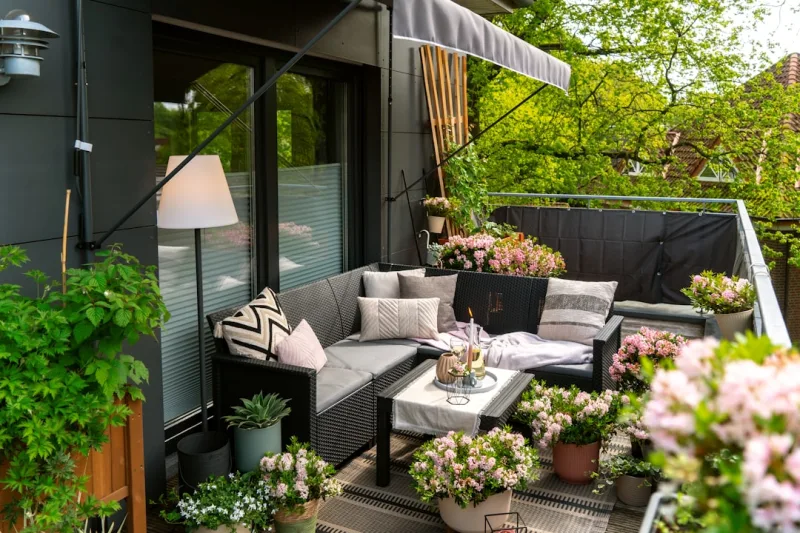
Look, I'll be honest — when I first moved into my apartment with a balcony, I treated it like a storage unit. There were plastic chairs stacked haphazardly, gardening tools everywhere, and a suspicious pile of things I couldn't even identify in the corner. Sound familiar? The thing is, your balcony doesn't have to be this cluttered catch-all space. It can actually be a functional, beautiful extension of your home where you actually want to spend time.
I've been obsessed with home organization for years now, and I've learned that balcony spaces respond incredibly well to smart, budget-friendly solutions. You don't need to drop thousands of dollars on custom shelving or hire a professional organizer. With some thoughtful DIY hacks and a few inexpensive materials, you can create a modern, organized balcony that makes you genuinely excited to step outside. Whether you're dealing with a tiny city balcony or a sprawling outdoor area, these strategies will help you maximize every inch.
Here's what we're going to cover: I'll walk you through exactly what materials you need, show you step-by-step how to implement these organization hacks, and share some pro tips I've picked up along the way. By the end of this, you'll have a balcony that's not only organized but actually Instagram-worthy.
What You'll Need
Before you start, gather these materials. I've listed average prices based on what you'll find at The The Home Depot and similar retailers:
- Wall-mounted pegboard (2-pack) — $25-35
- Metal shelving unit (3-tier) — $40-60
- Clear plastic storage bins (set of 4) — $15-25
- Tension rod or rod holders — $10-15
- Adhesive hooks and command strips (variety pack) — $8-12
- Ziplock bags or vacuum storage bags — $10-15
- Paint (optional — satin or semi-gloss finish) — $20-30
- Wood planks for floating shelves (optional) — $15-25
- Rope or decorative twine — $5-8
- Label maker or painter's tape and marker — $10-15
- Work gloves and basic tools (if you don't have them) — $15-20
Estimated total: $175-255 depending on your balcony size and which hacks you choose to implement.
Step-by-Step Guide
Step 1: Do a Complete Purge and Audit
Honestly, this is the most important step, and nobody wants to do it. But trust me — before you organize anything, you need to clear your balcony completely and assess what you actually have. I mean everything. Take out every single item and lay it out. This is when you'll discover those garden shears you forgot you had and finally decide if you're really keeping that broken planter.
Create three piles: keep, donate, and trash. Be ruthless. If you haven't used it in a year, it probably doesn't deserve precious balcony real estate. This step alone will reduce your organizational challenges by about 40 percent — I'm not exaggerating.
Step 2: Measure Your Space and Plan Your Layout
Grab a measuring tape and get exact dimensions of your balcony. Note where direct sunlight hits, where you want seating, and where you'd prefer storage. Think vertically first — this is key for smaller spaces. That wall space is your goldmine.
Sketch out a simple layout on paper or use your phone to take reference photos. This prevents the "well, that doesn't fit" moment after you've already bought your shelving unit.
Step 3: Install Vertical Storage Solutions
This is where the magic happens. Start with pegboards on walls — they're incredibly versatile and modern-looking. Use command strips or wall anchors (depending on your balcony material) rather than drilling if you're renting. Hang hooks for hanging planters, tools, and lightweight baskets.
Next, install a simple metal shelving unit in one corner. These are game-changers and more affordable than you'd think. The three-tier versions work perfectly for balconies and can hold everything from seasonal decor to gardening supplies.
Step 4: Invest in Clear Storage Containers
 Budget Apartment Renovation: DIY Hacks That Actually Work
Use clear plastic bins for anything you want to store. The transparency means you can see what's inside without opening every box — huge time-saver. Label everything clearly. I know, labeling feels excessive, but it actually keeps you organized long-term. I use a label maker for mine, but painter's tape and a permanent marker works just fine.
Stack these bins on shelving units or under tables. Group similar items together — all garden tools in one bin, seasonal decorations in another, cushions in a third.
Step 5: Create Functional Zones
Designate specific areas for different purposes. Have a "garden zone" where all your plant-care supplies live. Create a "seating zone" where you keep cushions and throws organized in bins. Establish a "seasonal zone" for holiday decorations and items you don't use year-round. This prevents that chaotic, everything-everywhere feeling.
Step 6: Add Aesthetic Touches
Organization doesn't have to look sterile. Paint the backs of your pegboard or shelving in a soft, modern color. Add decorative twine to organize cords. Incorporate matching containers or baskets that align with your aesthetic. If you're scrolling through Better Homes & Gardens & Gardens or HGTV for inspiration, you'll notice the best balconies balance function with style — they're organized AND beautiful.
Pro Tips
Hang a tension rod under a shelf to create a hook system for lightweight items. It's clever, costs almost nothing, and looks intentional.
Use vertical hanging organizers (the kind you'd normally use in a pantry) on the back of your balcony door. Perfect for storing small tools, seed packets, and lighter items.
Invest in vacuum storage bags for cushions and throws. They compress bulky items down to a fraction of their size. This is especially helpful in winter when you're storing seating.
Label makers are your best friend. Seriously. You'll maintain your system infinitely better if everything is clearly labeled. It takes two minutes and extends the life of your organizational system by years.
Keep moisture in mind. If your balcony gets wet, avoid storing fabric items directly on metal shelves. Use the containers as a buffer layer. Nobody wants moldy cushions.
Make a "frequently used" zone. Keep items you access regularly at eye level. Stuff you use once a year can go higher or lower.
Cost Breakdown
← Scroll to see full table →
| Item | Quantity | Cost Per Unit | Total |
|---|---|---|---|
| Wall-mounted pegboard | 2 | $20-30 | $40-60 |
| Metal shelving unit | 1 | $40-60 | $40-60 |
| Clear storage bins (4-pack) | 2 | $15-25 | $30-50 |
| Command hooks and strips | 1 | $8-12 | $8-12 |
| Paint (optional) | 1 | $20-30 | $20-30 |
| Label maker and supplies | 1 | $10-15 | $10-15 |
| Misc supplies (rope, bags, etc.) | — | — | $25-40 |