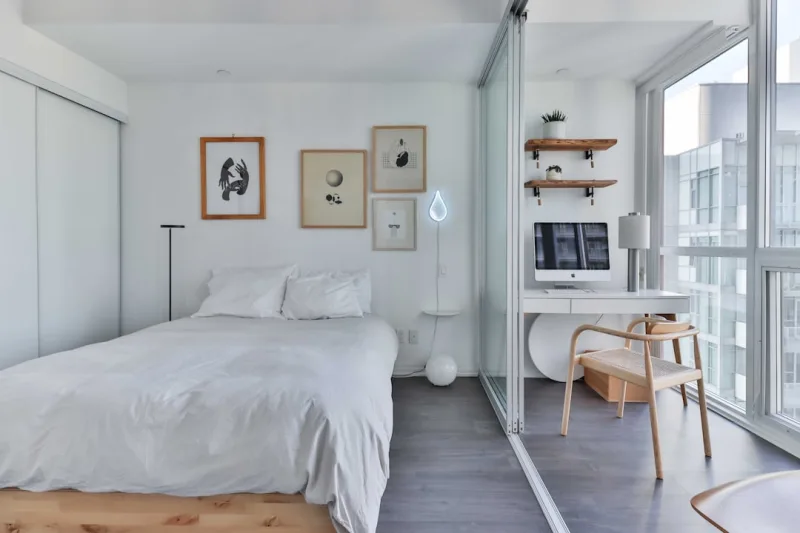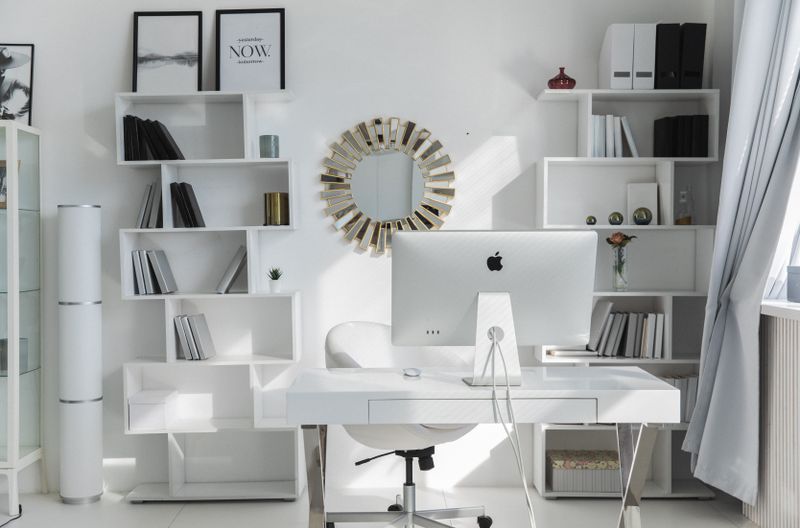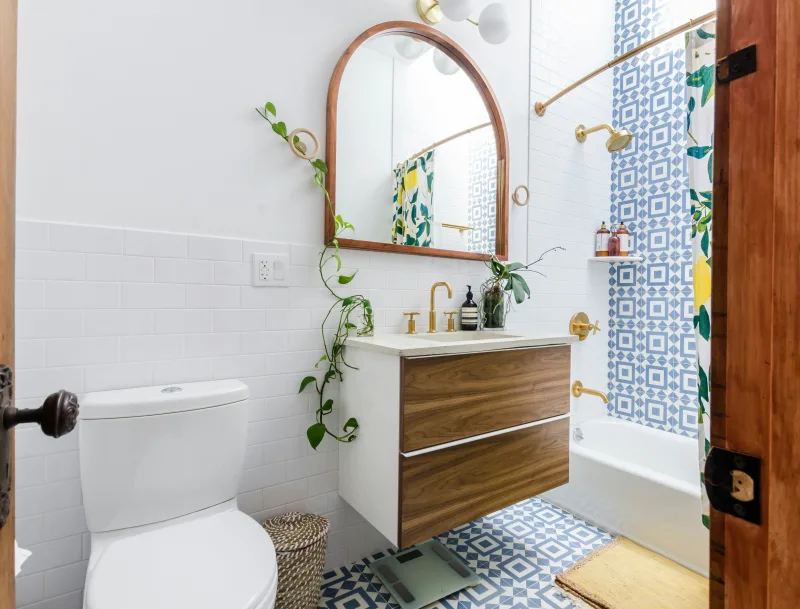
Here's the thing about 2026 room aesthetics — they're moving away from that overly curated, everything-must-match energy we've been seeing for the past few years. What's actually happening now is this beautiful blend of intentional minimalism mixed with cozy maximalism. Yeah, I know that sounds like a contradiction, but stick with me. People are finally giving themselves permission to have rooms that actually feel lived in, you know?
I've been watching the trends unfold across design communities, scrolling through endless inspiration boards, and honestly, the most exciting thing is that the 2026 aesthetic is genuinely DIY-friendly. You don't need a professional designer or a massive budget to pull this off. What you need is a clear vision, some basic materials, and a willingness to experiment. I'm genuinely excited to walk you through this because it's one of the most accessible design movements we've seen in years.
The core of 2026 aesthetic design centers on warm neutrals, natural textures, moody accent walls, vintage-meets-modern furniture, and layered lighting that actually works. Plus, there's this huge push toward sustainable and secondhand pieces — which, let's be honest, makes your wallet happy and makes your space feel more authentic. Let's dive into how you can create this look yourself.
What You'll Need
Before you start pulling apart your room (and trust me, you'll want to), gather these essentials. I've included realistic pricing from places like The The Home Depot and other major retailers, but honestly, prices vary by location and sales cycles, so these are ballpark figures.
- Paint (for accent wall) — $25-45 per gallon
- Primer — $15-25 per gallon
- Paint rollers, brushes, and drop cloths — $20-35 total
- Wallpaper or peel-and-stick wall decals — $15-60 per roll
- Layered lighting (string lights, LED strips, desk lamp) — $30-100 total
- Natural fiber baskets for storage — $40-80 per basket
- Vintage frame collection — $20-50 for 3-5 frames
- Textiles (throw pillows, blankets) — $60-120
- Plants and planters — $30-70
- Wood shelving materials — $40-90
- Adhesive wall hooks and hanging supplies — $15-25
- Mirror or mirrors — $25-80
Total Estimated Budget: $315-745 depending on what you already have and how ambitious you want to be.
Step-by-Step Guide
Step 1: Choose Your Color Palette
This is where everything starts, and honestly, it's the most important decision you'll make. The 2026 aesthetic leans heavily into warm neutrals — think warm whites, soft taupes, buttery creams, and these gorgeous muted greens and terracottas. Pick one color for your walls and one for your accent wall. I'd recommend checking out inspiration galleries on HGTV or Better Homes & Gardens & Gardens to get a feel for what actually resonates with you in person. Colors look different depending on your lighting, so grab some paint samples and live with them for a few days. Seriously — tape them up and see how they look at different times of day.
Step 2: Paint Your Walls and Accent Wall
Start with the lighter color for your main walls. Here's my pro tip: don't skip primer, even if the paint brand says you don't need it. It saves you paint, ensures better coverage, and honestly makes your life easier. Use painter's tape along the trim and ceiling — take your time here. A rushed tape job leads to messy lines, and messy lines will haunt you every time you look at that wall.
Paint in a W pattern rather than circular motions. Roll your accent wall in a darker, moodier shade — I'm talking deep sage, warm charcoal, or even a subtle taupe-gray. This instantly gives your room visual interest and becomes the focal point. Two coats minimum. Don't cheap out on the paint itself — better paint goes on smoother and lasts longer.
Step 3: Install Layered Lighting
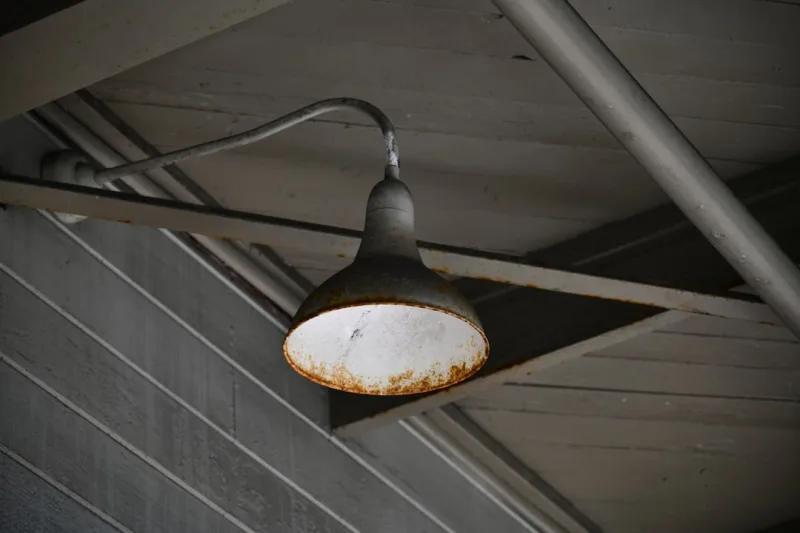
This is genuinely transformative and probably the most underrated part of room aesthetics. You need overhead lighting, task lighting, and ambient lighting all working together. Add string lights above your bed or around a shelf, install an LED strip behind floating shelves for that warm glow, and grab a quality desk lamp for functional light. Warm white bulbs (2700K) are essential — they're what make spaces feel cozy rather than clinical.
Step 4: Create a Gallery Wall
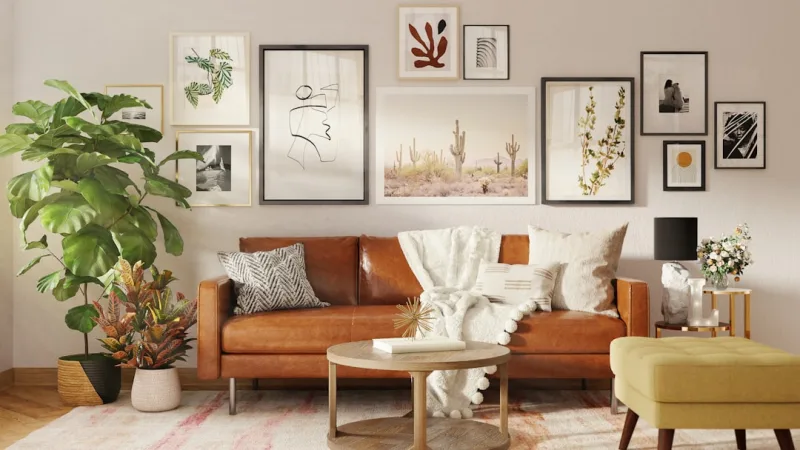
Hunt for vintage frames at thrift stores — this is where secondhand shopping becomes your secret weapon. Mix frame sizes, styles, and finishes. Don't overthink it. You can add prints, pressed flowers, fabric swatches, or even leave some frames empty. The beauty of 2026 aesthetic is that it embraces the eclectic. Map out your wall arrangement using kraft paper cutouts before drilling any holes. Trust me on this one.
Step 5: Add Textures and Textiles
 94 DIY Home Decor Projects: Ideas for Every Budget
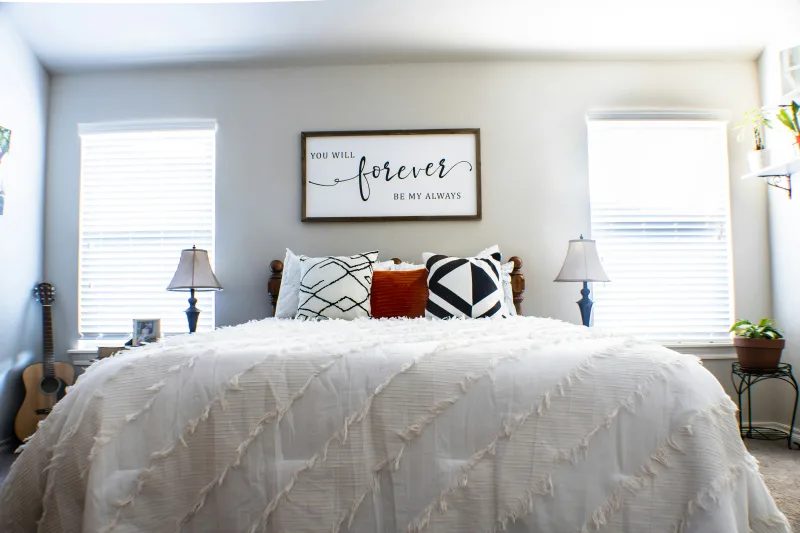
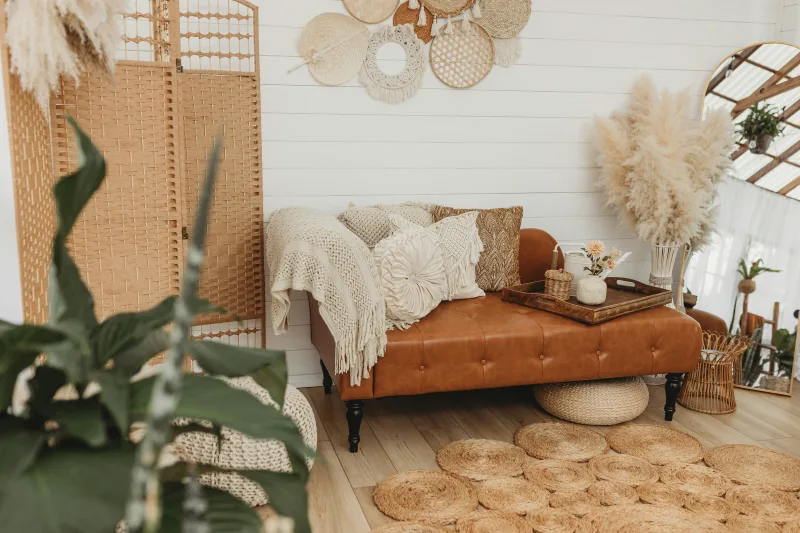
Layer throw pillows in different textures — linen, corduroy, chunky knit. Mix patterns subtly; don't go full bohemian unless that's your vibe. Drape a chunky knit blanket over your chair or bed. Natural fiber baskets under the bed or on shelves add storage and texture. This is where your room starts feeling like an actual living space and not a showroom.
Step 6: Install Shelving and Display Items
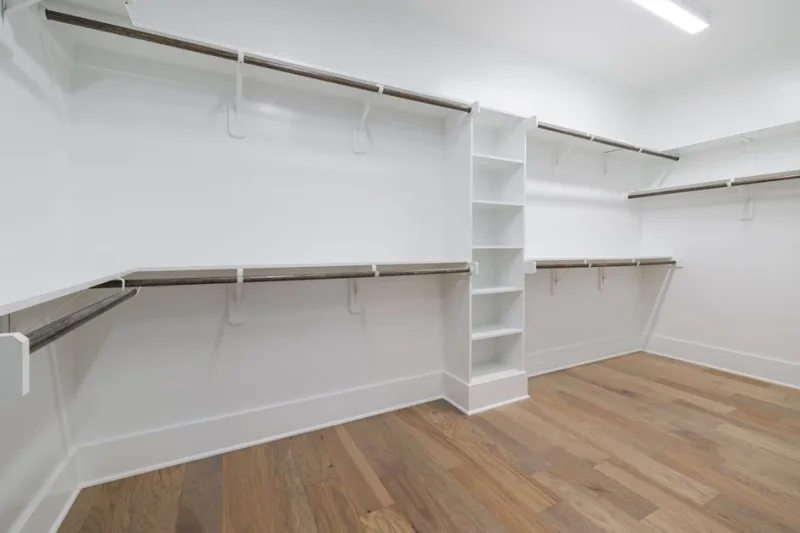
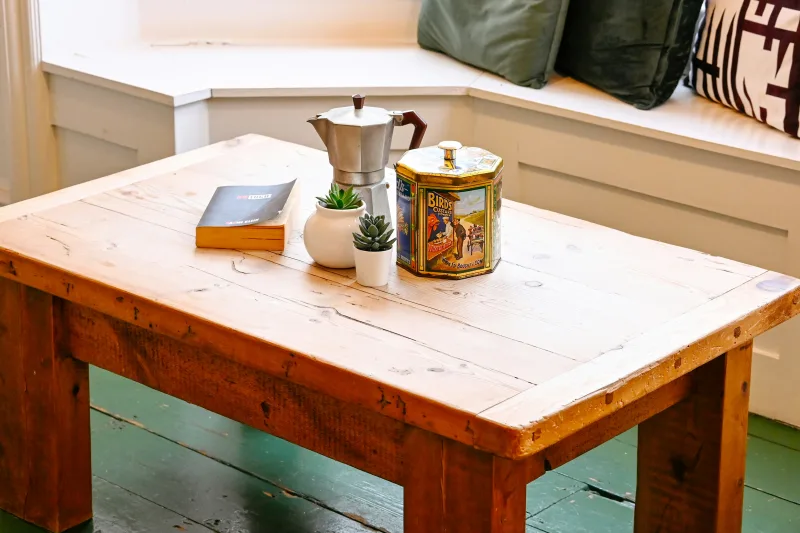
Floating wooden shelves are having a moment, and rightfully so. They're functional and look incredible when styled right. Group items by color and height — books standing upright next to a small plant, a vintage camera, maybe a candle. Negative space is your friend. Overstuffed shelves read as chaotic; curated shelves read as intentional.
Step 7: Bring in Plants and Natural Elements
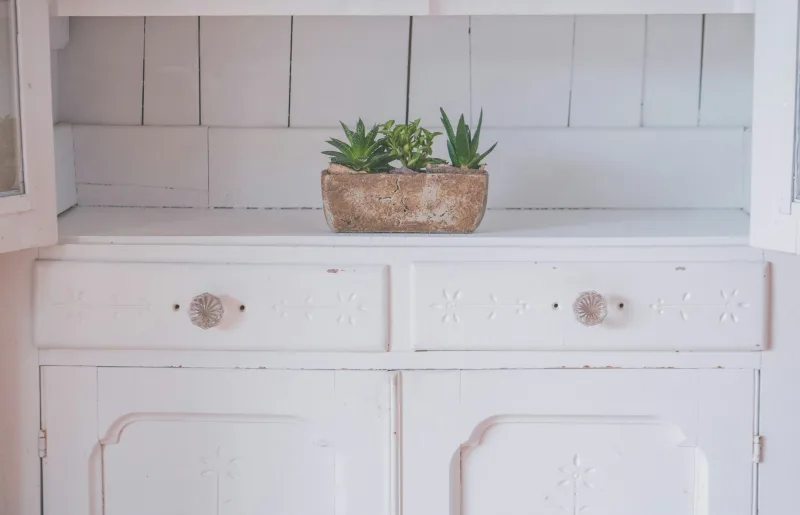
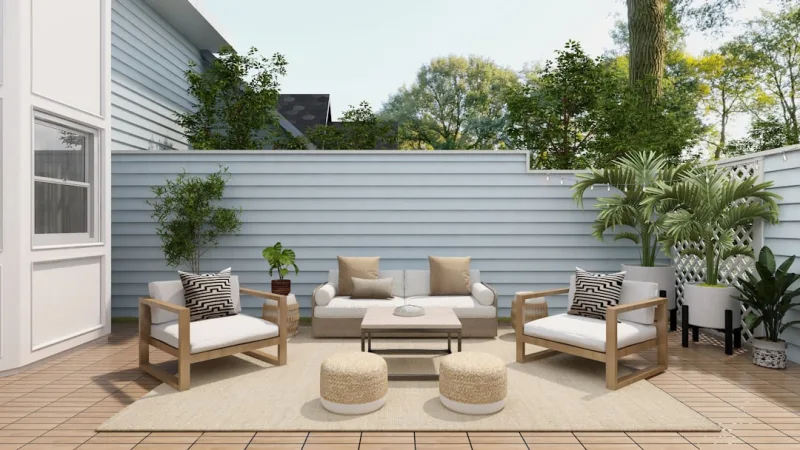
Real plants if you can keep them alive, low-maintenance ones if you can't (no judgment — get a pothos, they're basically impossible to kill). Mix in natural wood, rattan, and woven elements. These materials soften the space and add that organic feeling that 2026 design is all about.
Pro Tips
Thrift Everything You Can: Honestly, secondhand shopping is where this aesthetic truly shines. You'll find vintage frames, unique mirrors, quality textiles, and one-of-a-kind pieces for a fraction of the price. Your room will feel more personal, and you're being sustainable. Win-win.
Use Mirrors Strategically: A well-placed mirror reflects light and makes small rooms feel bigger. Try leaning a large mirror against your accent wall or hanging a few smaller ones in your gallery wall arrangement. This isn't a decorative afterthought — it's functional design.
Don't Rush the Styling: Once your walls are painted and shelves are up, take a week before you finalize everything. Live in the space. See what looks good in morning light versus evening light. Rearrange as needed. Design is iterative, and that's okay.
Invest in Quality Basics: Splurge on good paint, quality textiles, and proper lighting. Save money on decorative pieces you can find secondhand. This approach means your room will look intentional without breaking the bank.
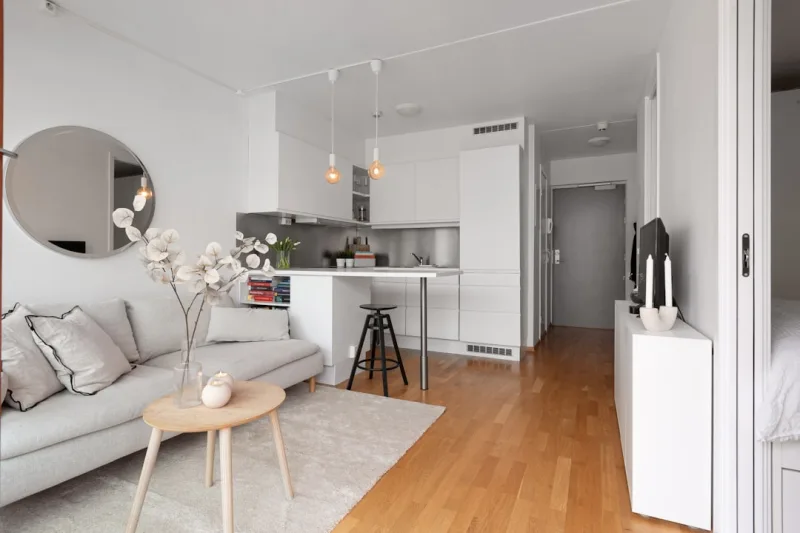
Create Zones: Even in a small room, define different areas — a work zone with your desk and task lighting, a relaxation zone with your bed and cozy textiles. This makes the space feel more purposeful and aesthetically cohesive.
Cost Breakdown
← Scroll to see full table →
| Category | Item | Estimated Cost |
|---|---|---|
| Paint & Walls | Paint, Primer, Supplies | $60-105 |
| Lighting | String Lights, LED Strips, Lamps | $30-100 |
| Wall Decor | Frames, Gallery Wall Setup | $20-50 |
| Storage | Baskets, Shelving Materials | $80-170 |
| Textiles | Pillows, Blankets, Throws | $60-120 |
| Greenery | Plants, Planters | $30-70 |
| Accessories | Mirror, Hooks, Wall Decals | $40-105 |
| Total | $315-745 | |
FAQ
Q: What if I rent and can't paint?
A: Peel-and-stick wallpaper is genuinely incredible now. Quality removable options from major retailers create the accent wall look without paint. You can also use tapestries, large fabric hangings, or even removable murals. Plus, focus your budget on things you can take with you — textiles, plants, lighting, decorative pieces. Your landlord will be happy.