How to Create an Aesthetic Bedroom Layout for Your Cozy Home
You know that feeling when you walk into a bedroom and just... exhale? That's what we're going for here. Creating an aesthetic bedroom layout isn't about following some rigid Pinterest formula or dropping thousands on designer furniture. It's honestly about understanding how your space flows, what makes you feel calm, and arranging things in a way that lets you actually enjoy your room instead of feeling like you're navigating an obstacle course at midnight.
Here's the thing — a cozy bedroom is fundamentally about intention. Every piece of furniture, every color choice, every lamp placement should serve a purpose. Whether you're working with a tiny room in a city apartment or a sprawling master bedroom in a suburban home, the principles remain the same. You want your space to feel like a sanctuary, not a showroom.
In this guide, I'm walking you through exactly how to redesign your bedroom layout so it feels both beautiful and genuinely livable. We'll cover everything from furniture placement to creating visual flow, plus I'll share some honest-to-goodness tips I've learned from years of helping people transform their spaces.
What You'll Need
Before we dive into the layout part, let's talk materials. You don't need to buy everything at once — in fact, I'd recommend spreading purchases across a few months if possible. This prevents decision fatigue and lets you really think about each piece.
Essential Furniture & Materials
- Bed Frame or Platform Bed — $150-800 (depending on size and style)
- Quality Mattress — $300-1,200
- Nightstands (pair) — $100-400 total
- Dresser or Chest of Drawers — $200-600
- Accent Chair or Reading Nook Seating — $150-500
- Bedding Set (sheets, duvet, pillows) — $100-300
- Area Rug (8x10 or 6x9) — $80-250
- Curtains or Blackout Drapes — $40-150 per panel
- Lighting (bedside lamps, overhead fixture, accent lights) — $60-300
- Wall Paint or Wallpaper — $30-100
- Decorative Elements (mirrors, wall art, plants) — $50-200
- Storage Solutions (under-bed storage, shelving) — $40-200
You can source these from The The Home Depot, target retailers like Target or Wayfair, and honestly, thrift stores are goldmines if you're patient. I've found incredible dressers and vintage nightstands at fraction of retail prices.
Step-by-Step Guide
Step 1: Assess Your Space and Light
This is non-negotiable. Spend a full day in your bedroom and observe where natural light enters. Where are the bright spots? Where are the shadows? Your bed placement directly impacts how light hits it in the morning, and trust me — waking up to natural light makes a massive difference in your mood. Also measure your room length, width, and ceiling height. Note where electrical outlets and windows are located. Sketch it out on paper if you're visual like me. This foundation prevents you from placing furniture and then realizing you can't actually use the electrical outlet behind your dresser.
Step 2: Plan Your Bed Placement
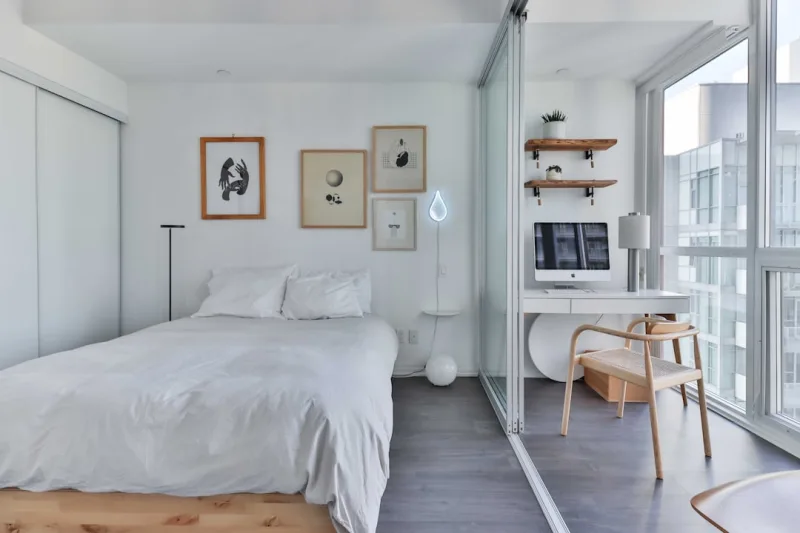
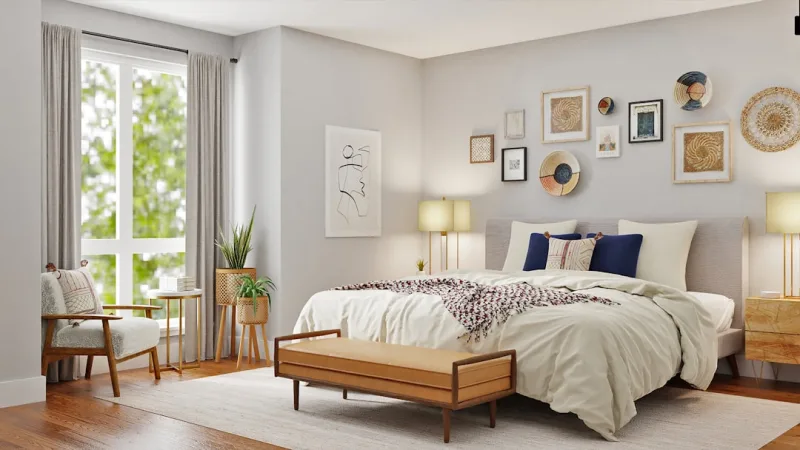
The bed is typically the largest furniture piece, so it sets the tone for everything else. Ideally, position it where you can see the bedroom door from bed — this is psychologically comforting. Avoid placing it directly under a window if possible, unless you love waking up to sunlight streaming in. If your room is small, a platform bed or floating bed frame actually takes up less visual space than a traditional frame with a bulky base. Make sure there's at least 18-24 inches of space on either side for movement and nightstands.
Step 3: Create a Functional Layout Zone
 Budget Apartment Renovation: DIY Hacks That Actually Work
Think about your room in zones: the sleeping zone (bed), the dressing zone (dresser, closet area), the relaxation zone (chair or reading nook), and storage zones. These don't need to be literally separated, but knowing them helps. In a small room, your dresser might go on the wall opposite your bed. In a larger room, you could create a cozy corner with an accent chair and side table. The magic happens when you don't just dump furniture randomly — you intentionally group related pieces together.
Step 4: Select a Color Palette
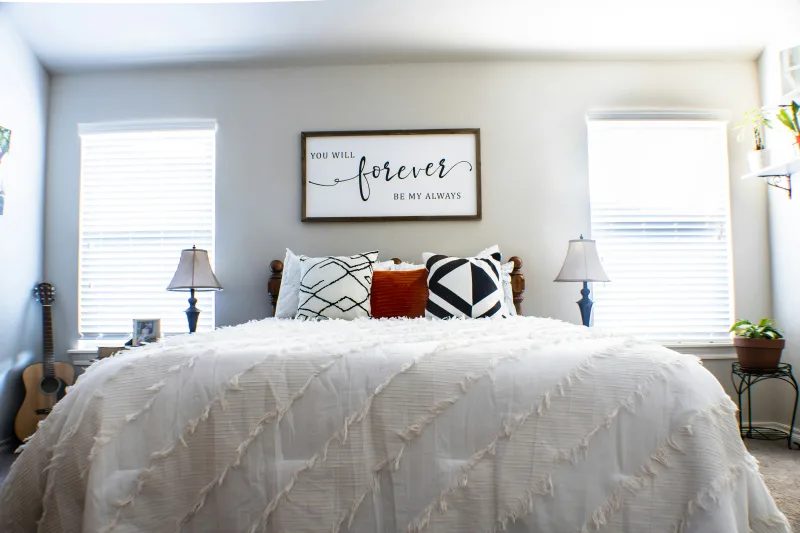
This is where it gets fun. Honestly, I'm a big believer in muted, warm tones for bedrooms — think soft creams, warm grays, gentle sage greens, or warm terracottas. These colors create that cozy atmosphere without being stimulating. Paint your walls in your chosen neutral, then use bedding, rugs, and accessories to add personality. HGTV has excellent bedroom color inspiration if you need a starting point. Your paint should be calming, not energizing — save the bold accent colors for living rooms.
Step 5: Layer Your Lighting
This cannot be overstated. A single overhead light makes any room feel institutional and harsh. You need: ambient lighting (soft ceiling fixture or track lights), task lighting (bedside lamps for reading), and accent lighting (wall sconces or string lights for atmosphere). Invest in dimmer switches if possible. Warm-toned bulbs (2700K color temperature) are essential for cozy vibes. Cold white light ruins the entire aesthetic we're building.
Step 6: Add Textiles and Layers
This is where a bedroom transforms from "has furniture" to "feels like home." Layer your bedding with quality sheets, a duvet, throw pillows, and a weighted blanket if that appeals to you. Add a soft area rug (at least 6x9 feet) to define the sleeping zone and add warmth underfoot. Hang curtains that reach the ceiling — this makes ceilings feel higher and the space feel more intentional. Consider a throw blanket draped over your accent chair or the foot of the bed.
Step 7: Integrate Storage and Reduce Visual Clutter
A cozy bedroom is clutter-free. Use under-bed storage for seasonal items, add floating shelves above your dresser, or invest in baskets for organizing. Every item on your nightstand should have purpose. That stack of books? Beautiful. Random charging cables? Hide them. This step is about making the space feel calm and intentional, not chaotic.
Step 8: Personalize with Intentional Decor
Add a large mirror to reflect light and create a sense of spaciousness. Hang 2-3 pieces of wall art that speak to you — they don't need to match or be from the same collection. Add potted plants (real or high-quality faux) because greenery instantly creates that fresh, inviting feeling. Include a few meaningful decorative objects: a vintage candlestick, a ceramic bowl, framed photos. The key word is "few" — less is genuinely more in a bedroom.
Pro Tips
- Float Your Furniture: Instead of pushing everything against walls, float your bed or place your nightstands slightly away from the wall. This creates visual interest and makes the room feel more intentional.
- Use Vertical Space: Tall nightstands, wall-mounted shelving, and tall lamps draw eyes upward and make the room feel larger. This is especially helpful in smaller bedrooms.
- Invest in Quality Bedding: Honestly, this is where splurging makes sense. You spend a third of your life in bed. Egyptian cotton sheets and a quality duvet cover transform the experience. Better Homes & Gardens & Gardens has surprisingly good bedding options at reasonable prices.
- Create a Clear Pathway: Make sure you can walk from your bedroom door to your bed without obstacles. This functional element is often overlooked but crucial for the space to feel welcoming.
- Mix Textures: Combine smooth surfaces (polished nightstands), soft textures (velvet pillows), natural elements (wooden furniture), and tactile fabrics (linen curtains) to create depth and interest.
- Consider a Headboard: Even a simple upholstered headboard anchors the bed and makes the room feel more cohesive. Alternatively, a gallery wall above the bed adds visual interest without buying additional furniture.
- Upgrade Your Doorway: Replace basic hinged doors with pocket doors or barn doors if possible. This saves space and looks infinitely cooler. If you're renting, add a beautiful door curtain instead.
Cost Breakdown
← Scroll to see full table →
| Item Category | Budget Option | Mid-Range Option | Premium Option |
|---|---|---|---|
| Bed Frame | $150-200 | $300-500 | $600-800+ |
| Mattress | $300-400 | $600-900 | $1000-1500 |
| Nightstands (Pair) | $80-150 | $200-350 | $400-600 |
| Dresser | $150-250 | $350-500 | $600-1000 |
| Bedding Set | $60-100 |