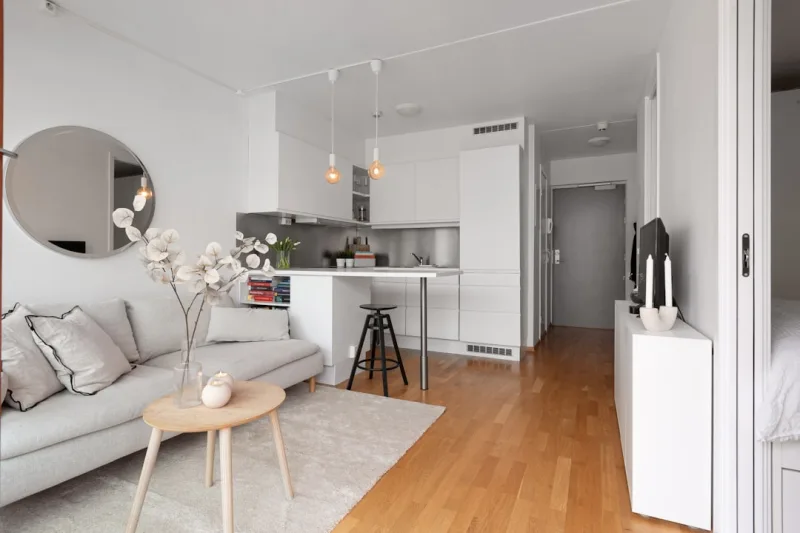
Aesthetic Apartment Organization for Cozy Homes: Create Your Pinterest-Perfect Space
There's something deeply satisfying about opening a closet or drawer and seeing everything in its perfect place, organized beautifully and thoughtfully. As women who spend our days juggling work, family, and life, we deserve homes that feel like a warm hug—spaces that are both functional and visually stunning. Aesthetic apartment organization isn't just about tidiness; it's about creating an environment that nurtures your soul and reflects who you are. When your home is organized with intention and beauty, everything feels easier. You move through your day with less stress, more clarity, and genuine joy. This guide will walk you through transforming your apartment into a cozy, organized sanctuary that looks like it stepped straight out of your Pinterest board.
Throughout this comprehensive guide, you'll discover exactly how to organize your apartment while maintaining that warm, inviting aesthetic you've been pinning. We'll explore practical planning strategies, budget-friendly solutions for every price point, step-by-step organization methods, and the best products available from trusted retailers. You'll learn expert tips from professional organizers and interior designers, understand different organizational styles that work with various décor themes, and find answers to common questions that come up during the organization process. Whether you're starting from scratch or refreshing a single room, this guide gives you everything you need to create a home that's both beautiful and functional.
Understanding Aesthetic Apartment Organization for Cozy Homes
Aesthetic apartment organization is the art of creating order in your living space while maintaining visual beauty and warmth. It goes beyond the sterile, cold organization you might see in commercial storage facilities. Instead, it's about curating your home so that everything you see—whether it's the contents of your pantry or the items on your nightstand—contributes to an overall feeling of comfort and intentionality.
This approach matters deeply because our homes are reflections of ourselves. When your apartment is organized aesthetically, you're not just saving time searching for things; you're creating an environment that supports your mental health and well-being. Studies show that clutter creates stress, while organized, beautiful spaces promote calm and creativity. An aesthetically organized apartment serves as your personal retreat, a place where you can truly relax and be yourself.
However, many people make common mistakes when attempting aesthetic organization. The first mistake is prioritizing appearance over function. Yes, those beautiful woven baskets look gorgeous, but if they don't fit in your space or serve your actual storage needs, they're just expensive clutter. Another mistake is trying to organize everything at once, which leads to burnout and abandoned projects. People also often ignore their personal style, instead copying organization methods that don't align with how they actually live. Finally, many forget that aesthetic organization requires maintenance—without systems that work with your lifestyle, things quickly become chaotic again.
The key to successful aesthetic apartment organization is finding the sweet spot between form and function. Your organizational systems should be beautiful enough that you want to maintain them, but practical enough that they actually work for your daily life. This means choosing storage solutions that match your décor style, creating homes for every item you own, and building habits that keep things organized without feeling like constant work.
Planning Guide for Aesthetic Apartment Organization for Cozy Homes
Before you buy a single organizational product or move any items, proper planning is essential. Your planning phase sets the foundation for everything that follows, and rushing through it often leads to wasted money and frustration. Start by assessing what you currently have. Walk through each room of your apartment with a notepad and honestly evaluate what's working and what isn't. Which areas feel chaotic? Where do you lose time looking for things? What spaces make you feel stressed when you look at them? This audit gives you specific areas to focus on.
Next, determine your organizational goals. Are you trying to make your apartment feel less cluttered? Do you want to create a specific aesthetic style? Are you looking to maximize small spaces? Understanding your primary goal helps you make decisions that actually serve you. Then, measure your spaces carefully. Know the exact dimensions of closets, shelves, and cabinets before shopping for organizational products. This prevents costly returns and ensures everything fits perfectly. Consider your lifestyle and daily routines. If you work from home, your organizational needs differ from someone who commutes. If you have family over frequently, you need systems that work for entertaining.
Finally, gather inspiration that aligns with your personal style. Browse Pinterest, Instagram, and home décor magazines, saving images of organizational styles you love. Notice patterns in what appeals to you—are you drawn to minimalist white spaces, warm rustic aesthetics, colorful bohemian vibes, or modern organizational systems? This clarity helps you create an organized home that actually feels like yours.
Essential Planning Checklist
- ☐ Complete a room-by-room audit of current organization
- ☐ Identify your top three organizational pain points
- ☐ Define your primary organizational goal
- ☐ Measure all storage spaces with precise dimensions
- ☐ Create a mood board of organizational styles you love
- ☐ Assess your lifestyle and daily routines
- ☐ Set a realistic budget for organizational supplies
- ☐ Create a prioritized timeline for each space
Budget Breakdown
← Scroll to see full table →
| Budget Category | Items | Estimated Price |
|---|---|---|
| Under $50 | Small drawer dividers, adhesive shelf liners, basic storage boxes, command hooks, small baskets, storage bags | $10-$45 |
| $50-$200 | Medium storage units, decorative shelving baskets, vertical organizers, closet rods, labeled containers, over-door organizers, small furniture pieces | $50-$195 |
| $200+ | Large storage shelving units, quality bedroom furniture, complete closet systems, built-in organizers, professional-grade storage solutions | $200-$1,000+ |
Creating an aesthetically organized apartment doesn't require a huge budget—it requires smart spending and prioritization. Start with the essentials for your most-used spaces, then gradually add elements as your budget allows. Many people are surprised to learn that you can organize beautifully with budget-friendly options from IKEA, Target, and Amazon combined with items you already own. The trick is being intentional about every purchase. Before buying anything, ask yourself: Does this serve my storage needs? Does it match my aesthetic? Will I actually use this? If you can't answer yes to all three questions, pass on it.
Consider shopping secondhand for larger items like shelving units or storage furniture. Facebook Marketplace, Craigslist, and local thrift stores often have beautiful vintage pieces at a fraction of retail price. They also add character to your space. Invest more money in items you see and use daily—like kitchen organization or bedroom storage—and save on items hidden away. Label makers are worth the investment because they make maintaining your system effortless and add that finished, intentional look. Finally, remember that good organization is an investment in your quality of life. When you spend money on systems that actually work, you're reducing daily stress and saving time, which is invaluable.
Step-by-Step Guide
1. Declutter First
 94 DIY Home Decor Projects: Ideas for Every Budget
Before organizing anything, you must declutter. Go through each category of items and honestly decide what you love, what you use, and what you're keeping out of guilt or obligation. You cannot organize your way out of having too much stuff. Be ruthless but kind to yourself—if something no longer serves you, letting it go is an act of self-care. Donate items in good condition, recycle what you can, and discard the rest responsibly. This step often feels emotional because we attach memories to objects, but remember that keeping the memory of something is different from keeping the thing itself.
2. Group Similar Items
Gather all similar items together. If you're organizing your bedroom, pull out all your clothes, books, accessories, and miscellaneous items into separate piles. This visual assessment shows you exactly what you have and makes it easier to decide on appropriate storage solutions. You might be surprised by duplicates or redundant items that can be pared down. Grouping also helps you establish how much storage each category needs, ensuring you purchase the right-sized containers and shelving.
3. Measure and Plan Your Layout
With exact measurements of your spaces and a clear understanding of what you're storing, sketch out your layout. Where will clothes go? Which shelves will hold books or décor? What needs to be visible versus hidden? This planning prevents purchasing items that don't fit or don't work with your space. Consider traffic flow and accessibility—items you use daily should be easiest to reach, while seasonal or occasional-use items can be stored higher or deeper.
4. Invest in the Right Storage Solutions
Based on your measurements, space constraints, and aesthetic preferences, select storage solutions. For small apartments, vertical storage is your friend—use wall space with shelves, hanging organizers, and tall units. Choose pieces that match your décor style. If you love warm, cozy aesthetics, wooden shelving and woven baskets feel more cohesive than industrial metal units. IKEA offers affordable shelving, The The Home Depot provides heavy-duty storage solutions, and Amazon has endless options for decorative containers. Quality matters for items you use frequently, but beautiful budget options work perfectly for occasional-use storage.
5. Set Up Your Systems
Install shelving, hang rods, and place furniture according to your plan. Take your time with this step—shelves that are level and secure make everything else easier. Once the structure is in place, begin arranging your items. Group related things together and create zones within your spaces. For example, in a bedroom closet, you might have a work clothes zone, casual clothes zone, and accessories zone. This makes getting dressed faster and helps maintain organization because everything has a designated spot.
6. Add Beautiful Containers and Labels
Transfer items into containers that are both functional and beautiful. Clear containers work well when you want to see what's inside, while opaque options hide less attractive items. Add labels to everything—especially in shared spaces or places where multiple people look for things. Labels transform spaces from looking vaguely organized to intentionally curated. They also make maintenance easier because everyone in the household knows where things belong. Use a label maker, printed labels, or even hand-lettered tags for a more personal touch.
7. Maintain Your System
Create simple habits that maintain your organization long-term. Spend five minutes each evening returning items to their homes. Resist the urge to create "temporary" piles on surfaces. When something new comes into your apartment, something old leaves. Review your organizational systems quarterly and adjust what isn't working. Maintenance is what separates people who achieve beautiful organized spaces from those who struggle with clutter cycling. Make it easy by ensuring systems align with your actual habits rather than fighting against them.
Best Styles and Products
Your organizational style should reflect your personal aesthetic while remaining functional. Different style approaches work better for different people and spaces, so understanding the options helps you choose what resonates with you.
Minimalist Modern
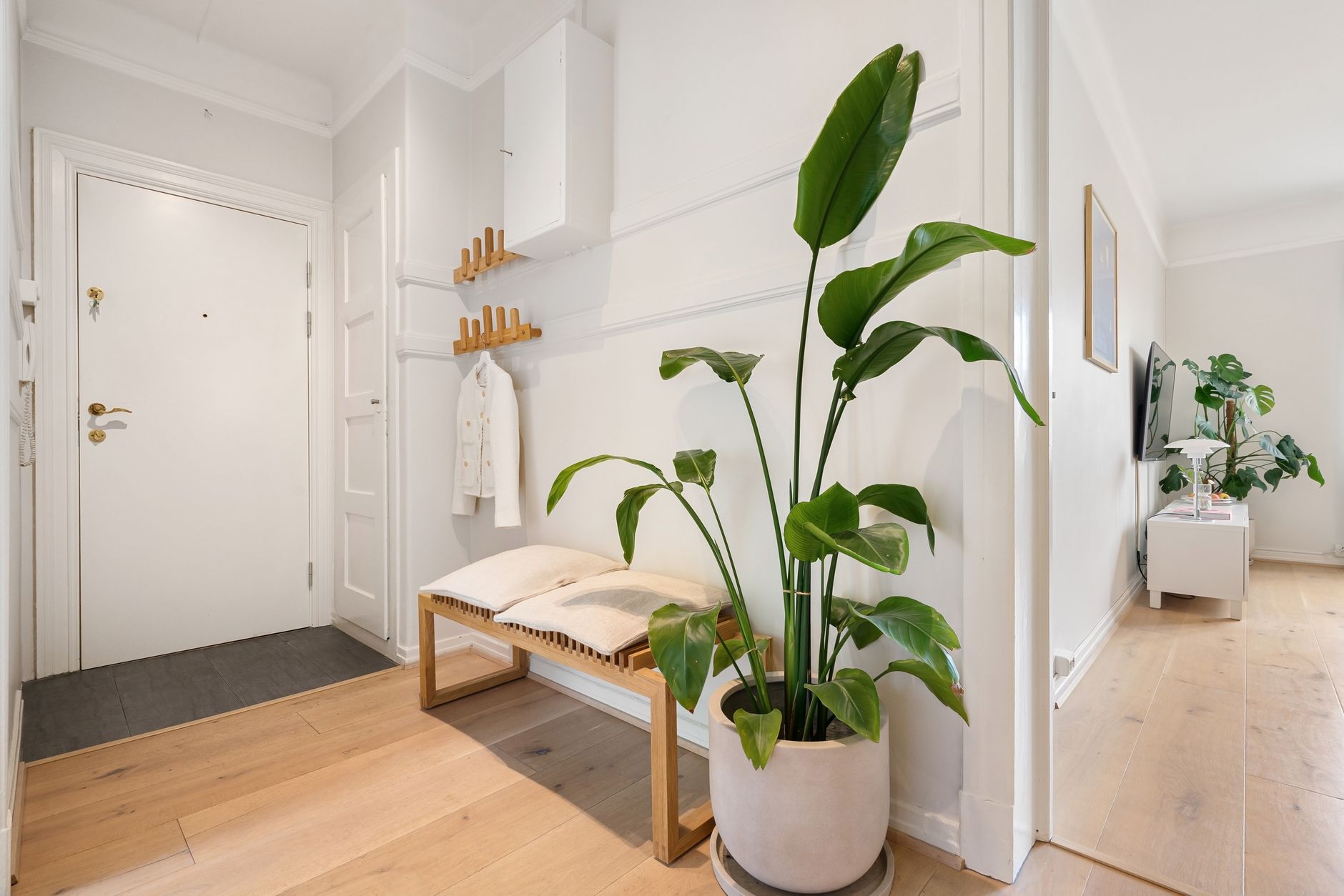
Clean lines, neutral colors, and hidden storage define this style. Everything has a place, but little is visible, creating calm, serene spaces. This works beautifully in small apartments because it doesn't add visual clutter. Think white shelving, clear containers, and plenty of closed storage. The Home Depot carries modern shelving units that fit this aesthetic perfectly, and IKEA's streamlined storage solutions are ideal for minimalist organization.
Warm Rustic
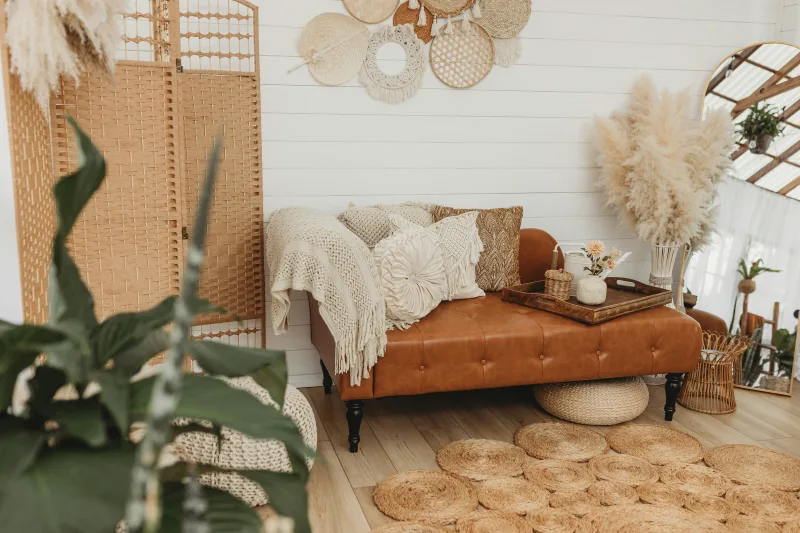
Wood, natural textures, and warm tones create cozy, inviting organization. Open shelving displays beautiful items, woven baskets hold everyday goods, and vintage touches add character. This style celebrates the beauty of organization itself. Expect to see wooden boxes, linen storage baskets, and items arranged artfully on shelves. Better Homes & Gardens and Gardens offers wonderful rustic-inspired storage pieces that fit this approach.
Colorful Bohemian
Bright colors, eclectic patterns, and artistic arrangements make bohemian organization feel fun and personal. Mismatched baskets, colorful bins, and visible collections create spaces full of personality. This style works well for creative people who want their organization to reflect their vibrant energy. Mix and match patterned storage boxes, paint plain containers in jewel tones, and let your collections be part of your décor.
Contemporary Scandinavian
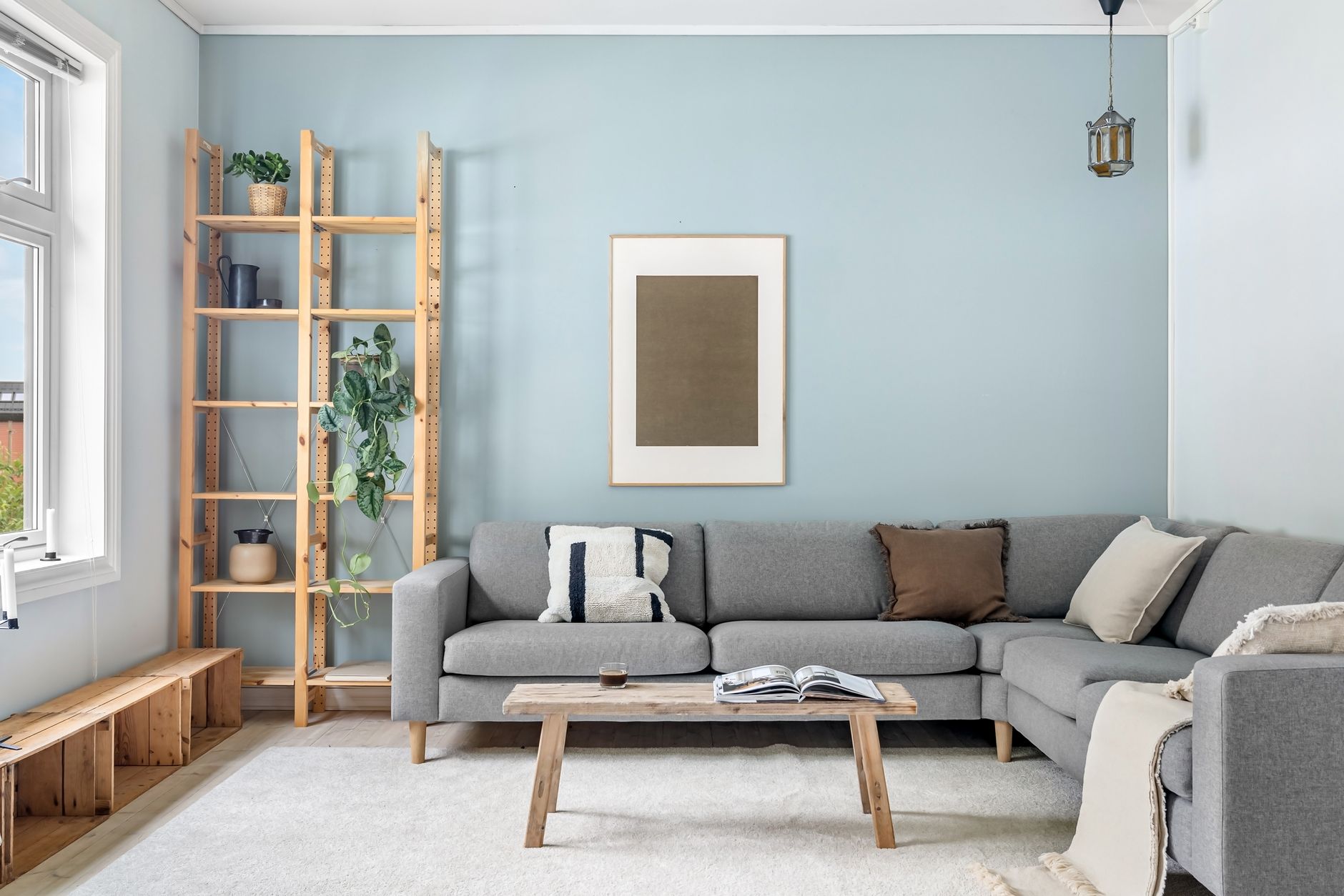
Light woods, soft colors, and functional beauty define this approach. It balances minimalism with warmth, offering organized spaces that still feel lived-in and welcoming. Soft grays, pale blues, and natural wood tones create a soothing backdrop for beautiful storage solutions. IKEA's Swedish design roots make their products perfect for this aesthetic.
Top Products for Aesthetic Organization
- IKEA Billy Bookcase with Doors - $69.99 - Versatile shelving that works with any décor style while hiding clutter behind closed doors
- Amazon Basics Decorative Storage Baskets (Set of 2) - $24.99 - Beautiful woven baskets perfect for soft