Aesthetic Apartment Layout for Beginners: Your Complete Guide to Creating a Cozy, Beautiful Home
I still remember standing in my first apartment, staring at bare walls and furniture that didn't fit together, feeling completely overwhelmed. If you're like me—someone who loves those gorgeous Pinterest boards but has no idea where to start—you're in the right place. Creating an aesthetic apartment layout doesn't require a design degree, unlimited budget, or magic wand. It's about understanding a few simple principles and making intentional choices that reflect who you are. This journey of transforming your space into something beautiful and functional is one of the most rewarding projects you'll undertake. It's not just about aesthetics; it's about creating a sanctuary where you feel truly at home, where every corner invites you to relax and be yourself.
In this comprehensive guide, we're diving deep into everything you need to know about creating an aesthetic apartment layout as a beginner. You'll learn what aesthetic layouts actually mean, how to plan your space strategically, budget-friendly ways to achieve that Pinterest-worthy look, and step-by-step instructions to implement your vision. We'll explore different design styles that work beautifully in apartments, share expert tips from professional designers, and answer all those questions keeping you up at night. Whether you're renting or own, whether you have 400 square feet or 1,200, this guide will help you create a space that's uniquely beautiful and authentically yours.
Understanding Aesthetic Apartment Layout for Beginners
An aesthetic apartment layout combines visual appeal with functionality—it's the sweet spot where your space looks beautiful while actually working for your life. For beginners, this means arranging furniture and decor in ways that feel intentional rather than haphazard, create visual flow through your rooms, and reflect a cohesive design vision.
Why does this matter? Beyond making your Instagram happy, a well-planned aesthetic layout actually makes you feel better in your space. Research shows that our environments directly impact our mood, stress levels, and productivity. When your apartment feels curated and intentional, you experience genuine calm and joy each time you walk through the door. Your brain isn't processing visual chaos; instead, it's receiving messages of peace and order.
Common beginner mistakes include furniture placement that ignores flow, using too many colors without a cohesive palette, oversizing or undersizing furniture for the space, and neglecting vertical space. Many beginners also make the error of trying to recreate an entire Pinterest board at once instead of building their aesthetic gradually. Another frequent misstep is ignoring the apartment's natural light sources or not considering traffic patterns when arranging furniture. Finally, beginners often forget about scale—choosing pieces that overwhelm small spaces or feeling too sparse in larger ones.
The beautiful thing about aesthetic apartment layout is that it's not about following rigid rules. It's about understanding principles that make spaces feel intentional, then applying them in ways that suit your personality and lifestyle. Whether you love minimalist Scandinavian design, cozy maximalism, industrial chic, or cottagecore vibes, these foundational principles work across all styles. This article will help you understand those principles so you can confidently create a space that's uniquely beautiful—and genuinely livable.
Planning Guide for Aesthetic Apartment Layout for Beginners
Before you move a single piece of furniture, planning is your superpower. This step separates stunning apartments from cluttered ones. Start by measuring your space accurately—get your tape measure out and record dimensions of walls, windows, doors, and any permanent fixtures. Don't estimate; write everything down. Sketch a simple floor plan on graph paper or use a free app like Floorplanner or RoomSketcher. These tools let you play with furniture placement digitally before physically moving anything heavy.
Next, assess your natural light sources. Where does sunlight come in? Which areas stay darker? This matters because it influences where you'll place your desk (near windows for energy), where you'll add mirrors (to reflect light), and which colors will work best in each zone. Consider your lifestyle too. Do you work from home? Entertain frequently? Need a reading nook? These requirements should directly influence your layout decisions.
Finally, establish your color palette before purchasing anything. Pick 2-3 main colors and 1-2 accent colors. Neutrals (whites, grays, beiges, blacks) typically make up 60-70% of your space, secondary colors around 20-30%, and accents maybe 10%. This creates balance and prevents that chaotic feeling.
Planning Checklist for Aesthetic Apartment Layout:
- ☐ Measure and document every dimension of your apartment (walls, windows, doors, permanent fixtures)
- ☐ Create a floor plan using graph paper or digital tools (Floorplanner, RoomSketcher)
- ☐ Map natural light sources and identify bright vs. dark zones in each room
- ☐ Identify your lifestyle needs (work from home, entertaining, hobbies, relaxation)
- ☐ Establish traffic flow by marking main pathways through each room
- ☐ Choose your design style (minimalist, maximalist, cottagecore, industrial, etc.)
- ☐ Create a color palette with primary colors, secondary colors, and accent colors
- ☐ Browse inspiration on Pinterest, Instagram, and design blogs to clarify your aesthetic vision
Budget Breakdown for Aesthetic Apartment Layout
← Scroll to see full table →
| Price Range | Items | Approximate Price |
|---|---|---|
| Under $50 | Throw pillows, wall art prints, string lights, curtains (basic), plant (small), mirror (small), candles, throw blankets | $10-$45 each |
| $50-$200 | Bookshelf, area rug, floor lamp, large mirror, curtain rods, floating shelves, desk chair, storage ottoman, side table | $60-$180 each |
| $200+ | Sofa/couch, bed frame, desk, TV stand, dining table, large sectional, bed with storage, bookcase wall unit, lighting fixtures | $250-$1,200+ each |
Creating an aesthetic apartment doesn't require spending thousands of dollars, and honestly, the best-designed spaces use a mix of price points. Here's my money-saving philosophy: invest in large foundational pieces (furniture you'll keep for years), but save money on decorative items that are easy and affordable to change as your style evolves.
 94 DIY Home Decor Projects: Ideas for Every Budget
Target and Amazon are absolute goldmines for under-$50 decor items. The The Home Depot has surprisingly chic options for mirrors, lighting, and storage. IKEA offers excellent value on furniture with that modern, aesthetic vibe. Better Homes & Gardens and Gardens provides quality pieces at reasonable prices. Don't overlook thrift stores, Facebook Marketplace, and secondhand apps like Poshmark for furniture—you can find incredible pieces for a fraction of retail price.
My advice? Start with essentials first (bed, seating, basic storage), then gradually add decorative pieces as your budget allows. This approach prevents feeling overwhelmed and lets you intentionally select items you truly love rather than buying everything at once. You'll end up with a more cohesive, thoughtful space.
Step-by-Step Guide to Creating Your Aesthetic Apartment Layout
Step 1: Define Your Design Style and Color Palette
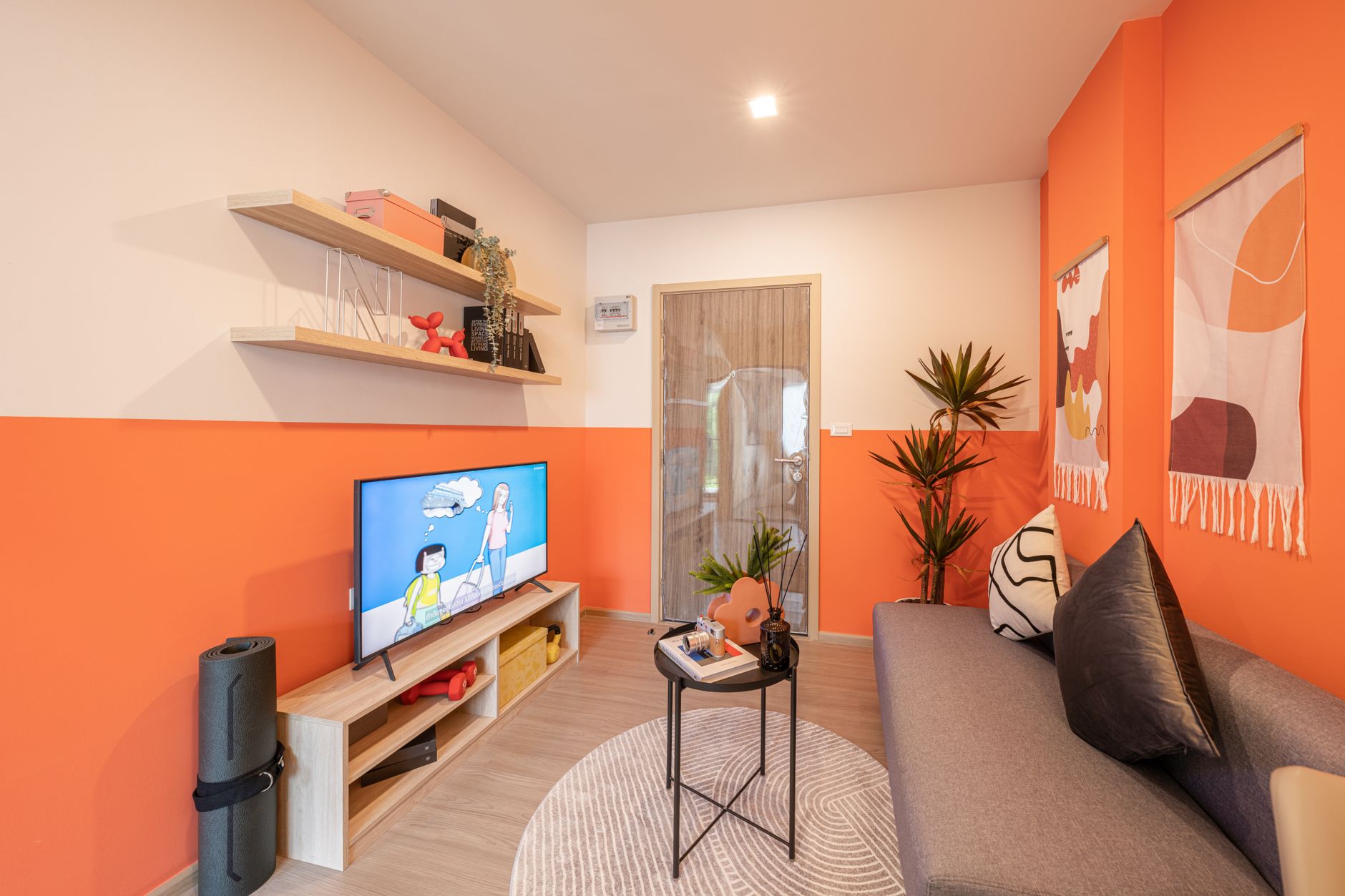
Before arranging a single piece of furniture, clarify what aesthetic actually speaks to you. Spend 15 minutes on Pinterest saving images that make you happy, then look for patterns. Are they minimalist with lots of white space? Warm and cozy with earth tones? Colorful and eclectic? This tells you your true style. Don't force yourself into a trendy aesthetic that doesn't feel authentically you—you'll never enjoy living in it. Once you identify your style, choose a color palette. I recommend using the 60-30-10 rule: 60% neutral base color (white, gray, beige, black), 30% secondary color (warm terracotta, soft sage, dusty blue), and 10% accent color (pops of color in accessories). This creates visual interest while maintaining calm.
Step 2: Measure and Map Your Space
Grab a tape measure and document everything: wall lengths, window and door sizes, ceiling height, and any permanent fixtures. Create a to-scale floor plan using graph paper (1 square = 1 foot is easy) or a digital app. Mark windows, doors, electrical outlets, and anything fixed. This becomes your blueprint for all decisions moving forward. It's the difference between furniture that fits awkwardly and furniture that makes perfect sense in your space. Don't skip this step—it's genuinely the foundation of everything.
Step 3: Plan Furniture Placement for Traffic Flow
Identify the main pathways through your apartment—from the entrance through the living room, bedroom to bathroom, kitchen to dining. Furniture shouldn't block these natural traffic patterns. In your living room, create conversation areas where people face each other comfortably. Don't push all furniture against walls (a common beginner mistake); instead, float your sofa and create an intentional arrangement. Leave breathing room—spaces shouldn't feel crammed. Your floor plan is perfect for testing placement before moving heavy items. Try different configurations digitally until something feels right.
Step 4: Select and Arrange Your Main Furniture Pieces
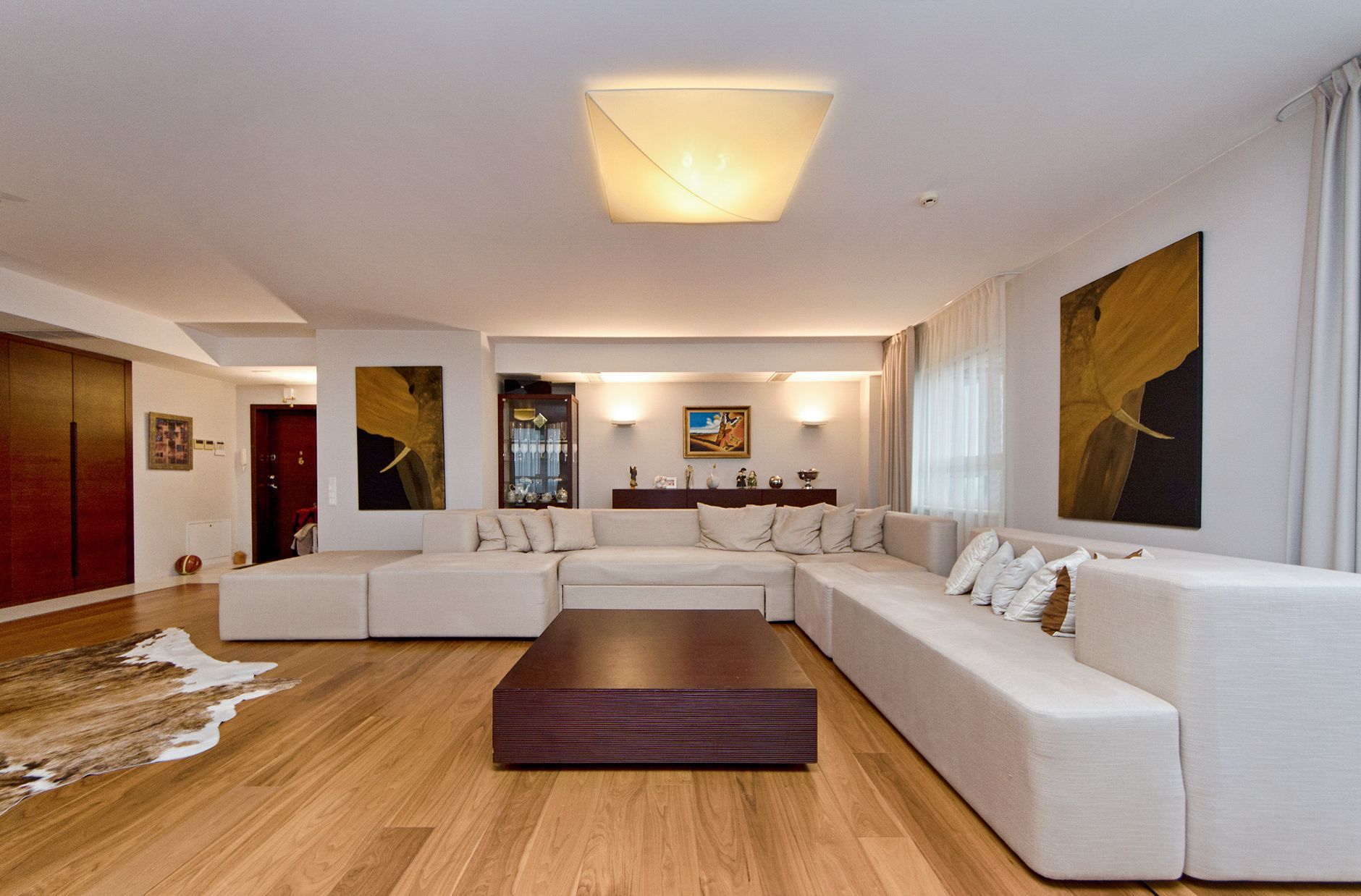
Start with the largest piece in each room (sofa in living room, bed in bedroom) and build around it. In a living room, anchor with a sofa, add a coffee table (optional but creates definition), include a side table or two, and incorporate a shelving unit or console for both storage and display. In a bedroom, the bed is your anchor; add nightstands and perhaps a dresser. Ensure furniture scale matches your space—oversized sectionals overwhelm small apartments, while tiny pieces make larger spaces feel sparse. Leave room to move comfortably and see your design come together. Once furniture is placed, you should still see floor space and feel like you can breathe.
Step 5: Layer in Lighting and Create Ambiance
Good lighting is non-negotiable for aesthetic apartments. You need three types: ambient (overhead lights), task (desk lamp, reading light), and accent (mood lighting like lamps or string lights). Overhead lights alone feel harsh and institutional. Add table lamps on side tables, a floor lamp in reading corners, and desk lamps where you work. String lights, candles, or smart bulbs that change warmth create that cozy feeling. Mirrors strategically placed multiply light and make spaces feel bigger. This layered lighting approach is what separates Instagram-worthy apartments from ordinary ones. It's genuinely transformative.
Step 6: Add Color and Pattern Through Textiles and Decor
Now comes the fun part—bringing personality into your space. Throw pillows are your secret weapon (they're affordable and changeable). Layer different textures: velvet, linen, knit. Add a throw blanket over your sofa. Choose curtains in your secondary or accent color. An area rug defines spaces and adds warmth, especially in apartments with hard flooring. Wall art, whether prints, tapestries, or gallery walls, fills vertical space and reflects your personality. Plants add life and improve air quality. Don't over-decorate, but ensure every visible surface has intentional items, not clutter.
Step 7: Style Shelves, Surfaces, and Create Display Areas
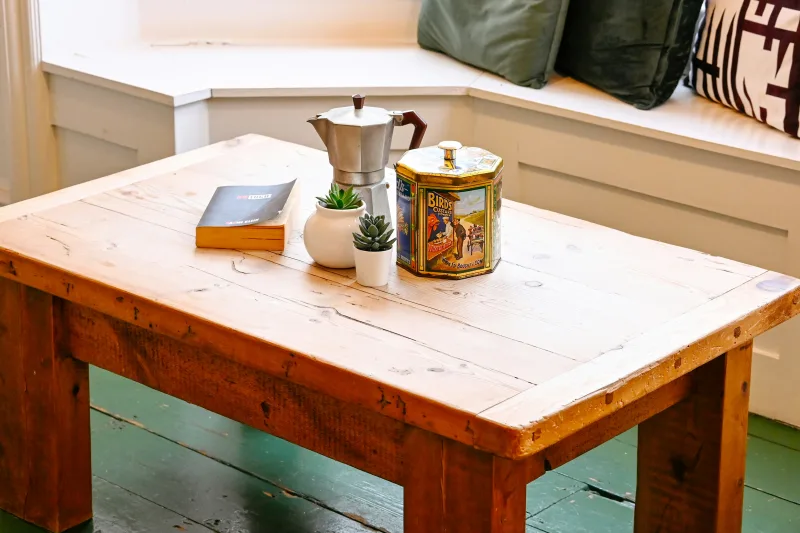
Styled shelves and surfaces elevate your entire space from "I just moved in" to "I have my life together." Use the rule of three: group items in sets of three for visual appeal. Alternate between books, decorative objects, and plants. Leave 30% of shelf space empty (white space is your friend). On nightstands, keep only essentials plus one pretty item (candle, small plant). Coffee tables should have a coffee table book, candle, and maybe a small decorative object. Dressers benefit from a mirror, lamp, and a few accessories. This styling trick makes spaces feel intentional and curated. The key is balance—not too sparse, not crammed.
Best Styles and Products for Aesthetic Apartment Layouts
1. Minimalist Aesthetic
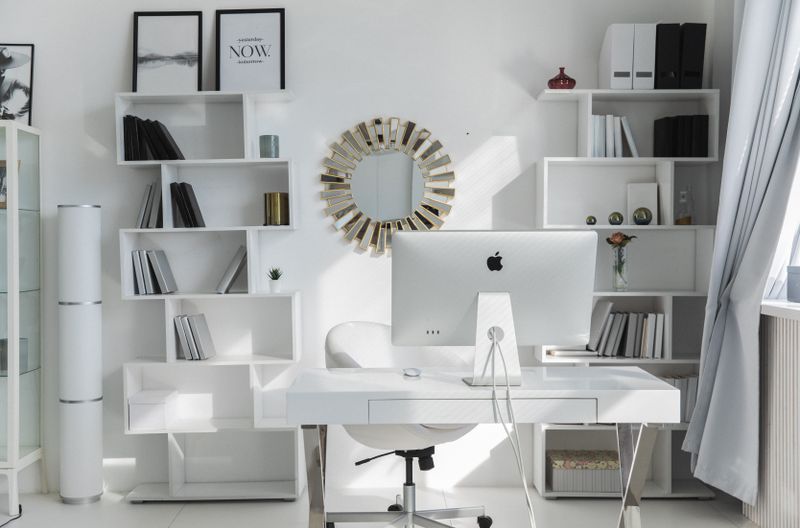
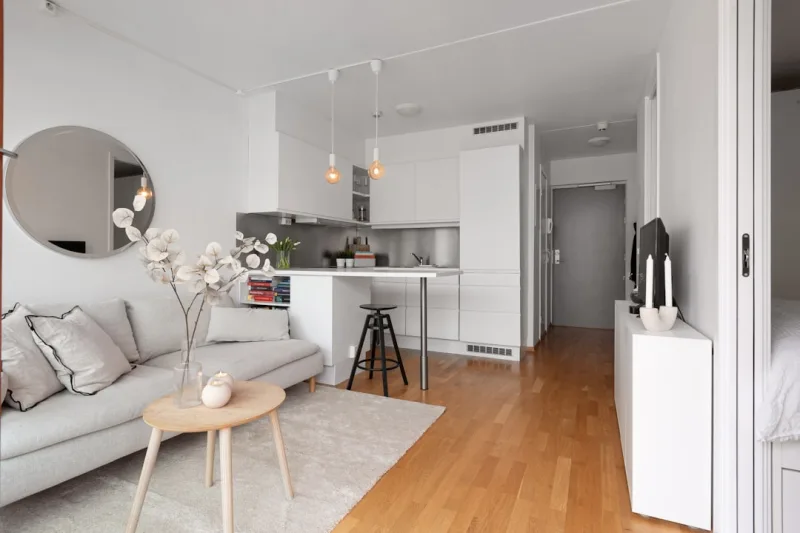
Minimalism is perfect for beginners because the rules are clear: less is more. Focus on clean lines, neutral colors (whites, grays, blacks), and only keeping what serves a purpose or brings you joy. Minimalist apartments feel calm and spacious, making even small apartments feel bigger. Choose furniture with simple silhouettes and avoid patterns or busy decor. Storage is crucial—everything should have a home. A minimalist space requires intentionality, so you'll naturally make better design choices.
2. Scandinavian Aesthetic
Scandinavian design combines minimalism with warmth. Think light woods, cozy textures, neutral with pops of color, and functional furniture. It's less cold than pure minimalism, with more emphasis on comfort and hygge (that Danish concept of cozy contentment). Layered lighting, natural materials, and simple geometry define this style. It's incredibly beginner-friendly because the principles are straightforward and forgiving.
3. Cottagecore Aesthetic
If you love Pinterest's cottagecore boards, you're drawn to